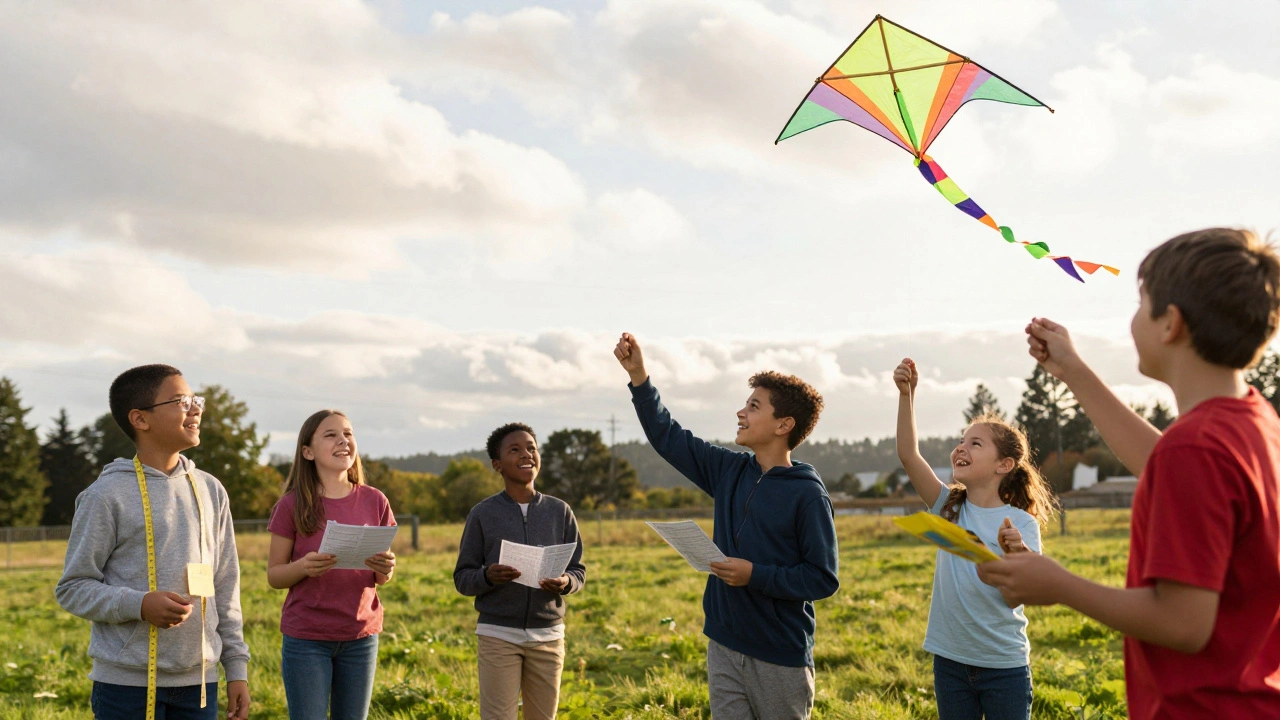
Building and flying kites isn’t just a sunny-day pastime-it’s one of the most hands-on ways to teach science, math, and teamwork to kids. Whether you’re a teacher, homeschool parent, or after-school leader, a solid kite lesson plan turns a simple activity into a full learning experience. This guide gives you clear objectives, practical assessments, and a complete list of materials so you can run a kite lesson that sticks.
Why Kites Work as a Learning Tool
Kites fly because of physics, not magic. That’s the hook. Kids don’t realize they’re learning about lift, drag, tension, and aerodynamics until they see their own creation soar. A kite lesson connects abstract concepts to something they can hold, adjust, and watch in real time. In Portland, where wind patterns shift daily, kids learn to read the air-not just from a textbook, but from the way their kite wobbles or steadies.
Studies from the National Science Teaching Association show that students who build and fly kites in class score 27% higher on physics assessments than those who only read about them. Why? Because they’re solving problems: Why won’t it fly? What happens if I make the tail longer? Why did it spin in circles? These aren’t just questions-they’re scientific inquiries.
Learning Objectives
Every good lesson starts with clear goals. Here’s what students should walk away knowing and doing:
- Explain how lift, drag, gravity, and thrust work together to make a kite fly
- Identify how tail length, bridle placement, and frame shape affect flight stability
- Measure and compare the flight time and height of different kite designs
- Collaborate in teams to troubleshoot flight issues and redesign for improvement
- Record observations using simple data tables and draw conclusions
These aren’t just science goals. They’re life skills: observation, iteration, communication, and resilience. If a kite crashes, the lesson isn’t over-it’s just getting started.
Materials You’ll Need
You don’t need a fancy lab. Most materials can be found at home or bought for under $5 per student. Here’s a simple, low-cost list:
- Lightweight paper (printer paper or newsprint)
- Bamboo skewers or thin dowels (12-inch, 1/8-inch thick)
- String or kite line (20-30 feet per kite)
- Scissors
- Masking tape or clear packing tape
- Rulers or measuring tapes
- Markers or crayons (for decorating)
- Sticky notes or small notebooks (for recording data)
- Wind meter (optional-smartphone apps like Wind Meter work fine)
For outdoor safety: sunscreen, hats, water, and a clear, open space away from trees and power lines. In Portland, late afternoon wind is often strongest-plan your flight time for 4-6 p.m. if possible.

Step-by-Step Lesson Flow
Here’s how to structure a 90-minute lesson:
- Introduction (15 min)-Show a short video of kites in flight (no more than 3 minutes). Ask: What do you notice about how they move? Write their answers on the board.
- Design Phase (20 min)-Give each student or team a basic diamond kite template. Let them draw, cut, and tape their frame. No pre-made kits. Let them make mistakes.
- Testing and Adjusting (25 min)-Head outside. Let them fly. Don’t fix their kites. Encourage them to ask: What should I change? Suggest one tweak: add a tail, move the bridle, shorten the string.
- Data Collection (15 min)-Back inside, have students record flight time, height (estimated), and behavior (stable, spinning, diving). Use a simple table with columns: Kite Name, Tail Length, Flight Time, Problems, Fixes Tried.
- Reflection and Discussion (15 min)-Ask: Which kite flew best? Why? What surprised you? Tie their answers back to science terms: lift, balance, air resistance.
Pro tip: If a kite won’t fly, don’t say “It’s broken.” Say “It’s still learning.” That mindset shift makes all the difference.
Assessing Learning
You don’t need a test. Here’s how to assess without grading:
- Observation Checklist-Did the student participate? Did they try multiple adjustments? Did they explain their thinking?
- Data Journal-Review their notes. Did they record changes and outcomes? Did they connect their actions to outcomes?
- Peer Feedback-Have students swap kites and give one piece of advice: “I think adding a longer tail might help.”
- Exit Ticket-On a sticky note, ask: One thing I learned about how kites fly is ______. Collect and read them aloud.
Assessment isn’t about perfection-it’s about curiosity. A kite that never left the ground but sparked 10 questions is a success.
Extensions and Variations
Want to go deeper? Try these:
- Weather Connection-Track wind speed and kite performance over a week. Is there a pattern?
- Math Integration-Calculate the area of kite shapes. Compare perimeters. Use fractions to measure tail lengths.
- Cultural Kites-Research kites from Japan, Indonesia, or Brazil. Build a simple version of a traditional design.
- Engineering Challenge-Give teams $10 in “fake money” to buy materials. Who can make the lightest kite that flies the longest?
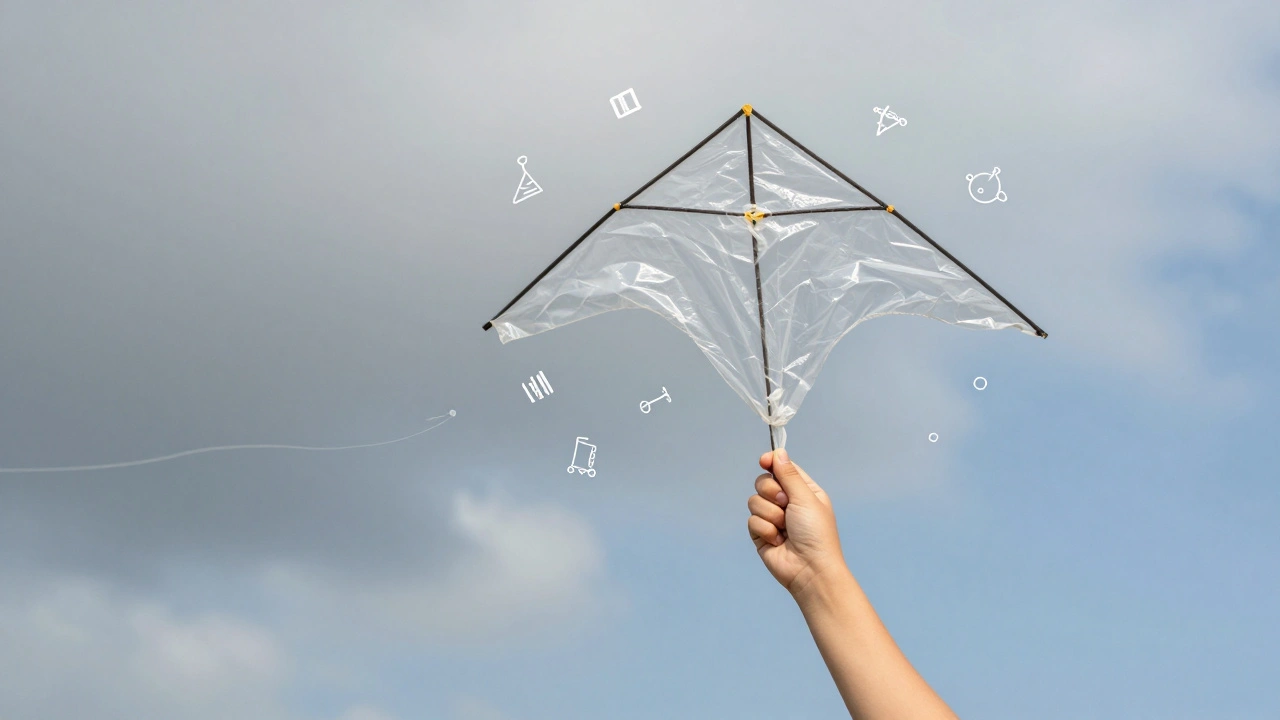
One class in Eugene, Oregon, built a kite out of recycled plastic bags. It flew for 22 minutes in a 12 mph wind. They didn’t win a prize. But they won a lesson no textbook could give.
Pitfalls to Avoid
Here’s what usually goes wrong-and how to fix it:
- Too many materials-Stick to five core items. Too many choices overwhelm kids.
- Over-teaching-Don’t explain how to build it perfectly. Let them figure it out.
- Bad wind day-If it’s too calm, use a fan indoors. If it’s too windy, focus on design and testing.
- Ignoring failure-If a kite crashes, celebrate it. Ask: What did it teach us?
Remember: A kite doesn’t need to fly high to fly well. It just needs to spark a question.
Final Thought
Kites teach more than physics. They teach patience. They teach that success isn’t about getting it right the first time-it’s about trying again. And in a world that rushes kids from one screen to the next, a kite gives them space to look up, feel the wind, and wonder.
What age group is this kite lesson plan best for?
This lesson works best for students ages 8-14. Younger kids (5-7) can participate with help building and flying, but the deeper science concepts-like lift and drag-become clearer around third grade. Older students (15+) can take it further by calculating lift coefficients or designing kites with aerodynamic curves. The beauty of kite lessons is they scale with the learner.
Can I do this lesson indoors?
Yes, but with limits. You can build kites indoors and test them with a fan. Use a large room or gym. Tape a string to the ceiling to simulate wind resistance. This works great for rainy days or winter months. Just remember: real flight teaches more than simulated flight. If possible, save outdoor time for the final test.
Do I need special string or kite line?
No. Regular cotton string or even twisted yarn works fine for classroom kites. Avoid fishing line-it’s too slippery and dangerous. Kite line from a craft store is ideal, but not necessary. The goal isn’t performance-it’s learning. A kite made with string from a grocery bag can fly just as well as a $20 one.
What if no one’s kite flies?
That’s okay-and actually valuable. When no kite flies, you’ve got a perfect teaching moment. Bring the group together. Ask: What do all the kites have in common? Maybe they’re too heavy. Or the bridle is too far back. Or the tail is too short. Guide them to spot patterns. Sometimes the best lesson happens when nothing works-because now they’re thinking like engineers.
How long should the tail be?
Start with a tail that’s 3-5 times the length of the kite. For a 12-inch wide diamond kite, that’s 36-60 inches. Too short? The kite spins. Too long? It drags and won’t climb. Let students test different lengths. One class found that a tail equal to 4.2 times the kite’s width worked best. They measured it. That’s science.
Can I use this lesson for homeschooling?
Absolutely. Homeschoolers often have the flexibility to wait for the right wind. Keep a log: Day 1: 8 mph wind, kite flew 45 seconds. Day 2: 15 mph, flew 3 minutes. Track weather, design changes, and flight times. Turn it into a science journal. Add math: calculate average flight time. Add art: decorate your kite. Add writing: write a letter to a friend explaining how kites work. It’s not just a lesson-it’s a cross-subject project.