Key Takeaways
- Waist harnesses offer more freedom of movement and are the standard for freestyle and wave riding.
- Seat harnesses provide superior lumbar support and are generally more comfortable for long-distance cruising or older riders.
- The right fit depends on your body shape, riding style, and how much strain you feel in your lower back.
- Hybrid models attempt to blend the support of a seat harness with the mobility of a waist harness.
When you first start out, the sheer variety of gear can be overwhelming. One of the most critical pieces of kit is the kiteboarding harness is a reinforced belt or strap system that connects the rider to the control bar, transferring the kite's pull from the arms to the core of the body. Without it, your arms would fatigue in minutes. But as you'll see, where that pull is distributed changes everything about how you move on the water.
The Waist Harness: Mobility and Speed
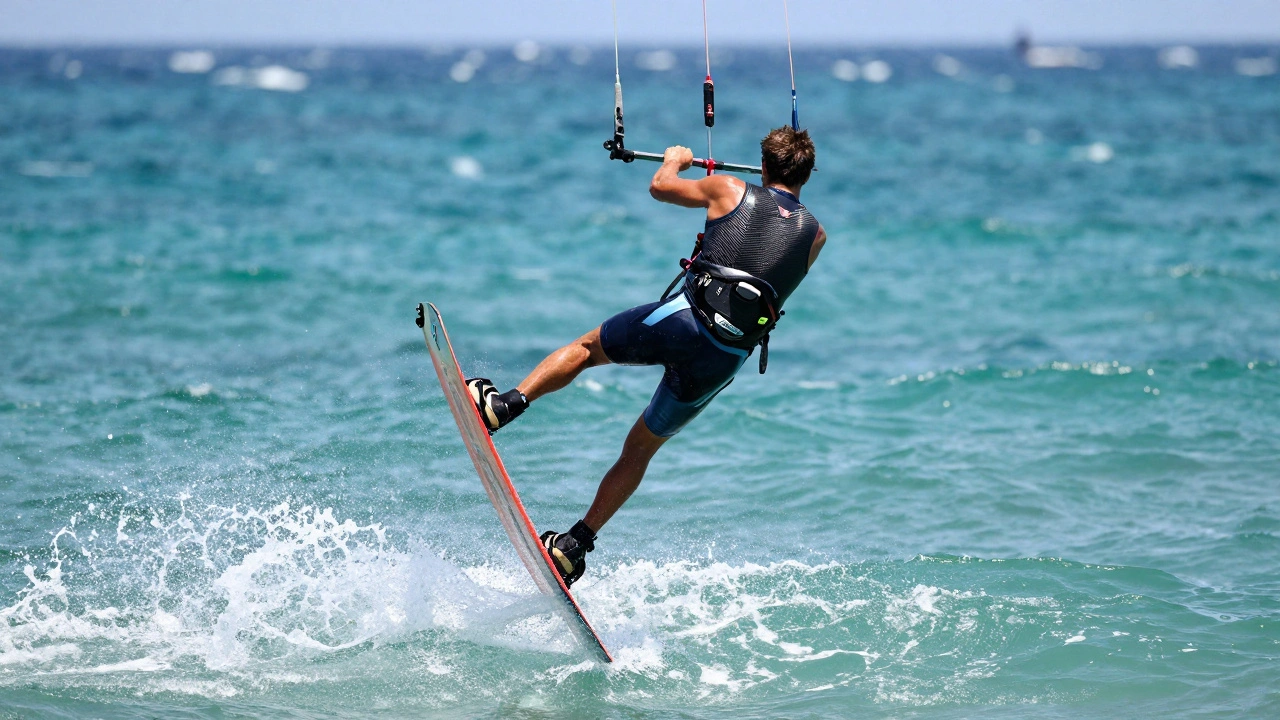
For the majority of modern riders, the waist harness is the go-to choice. It sits snugly around your midsection, just above the hips. Because it doesn't have leg straps, it doesn't restrict your leg movement, which is why you'll see almost every pro in a freestyle competition wearing one.
If you're planning to jump high or try unhooked tricks, you need your hips to rotate freely. A waist harness allows you to twist and pivot without the gear fighting you. However, this freedom comes with a trade-off. Since the pull is concentrated higher up, it puts more pressure on the lumbar region of your spine. If you have a strong core, you might not notice it. But for some, this can lead to a dull ache after a four-hour session in heavy wind.
One pro tip for waist harnesses: look for a "hard shell" back support. Many high-end models now use carbon fiber or molded foam to distribute the load across a wider area of your back, reducing that pinpoint pressure on your spine. If the harness slides up toward your ribs, it's either too loose or too small; it should sit firmly on your iliac crest (the top of your hip bone).
The Seat Harness: Comfort and Stability
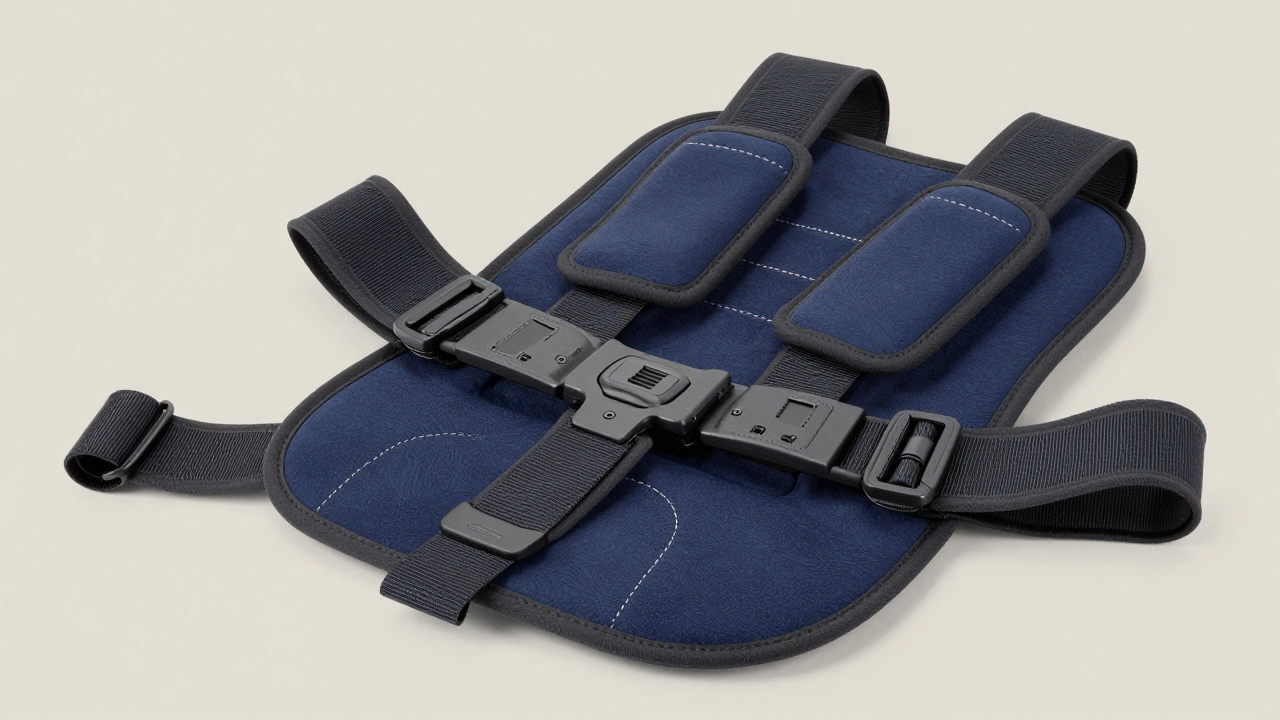
Think of a seat harness as a supportive chair that you wear. It wraps around your waist and then extends down through your legs, similar to a climbing harness. This design shifts the center of gravity lower and moves the primary point of tension from your lower back to your thighs and glutes.
This is a game-changer for riders who struggle with back pain. By distributing the pull across the legs, the strain on the L4 and L5 vertebrae is significantly reduced. It's also incredibly stable. Because the leg straps keep the harness from sliding up, you don't have to spend your session hiking the gear back down to your hips.
The downside? It's bulkier. Getting into a wetsuit with a seat harness can be a chore, and the leg straps can occasionally chafe during high-intensity movement. If you're into wave riding, the seat harness can feel restrictive, making it harder to lean into those deep carves. But for those who enjoy long-distance touring or just want to spend six hours on the water without feeling like they've done a gym workout for their spine, it's the gold standard.
| Feature | Waist Harness | Seat Harness |
|---|---|---|
| Primary Support | Lower Back / Core | Thighs / Pelvis |
| Mobility | High (Great for jumps/rotations) | Moderate (More restrictive) |
| Stability | Can slide up during movement | Stays locked in place |
| Back Strain | Higher potential for lumbar pain | Very low lumbar pressure |
| Best For | Freestyle, Waves, Advanced riders | Cruising, Beginners, Back-pain sufferers |
Finding the Perfect Fit
A harness that is too loose will chafe and slide, while one that is too tight will restrict your breathing and compress your internal organs. When you try one on, you should be able to fit two fingers snugly between the harness and your skin. If you can slide your whole hand in, it's too loose. If you're struggling to take a full breath, back off the straps.
Pay attention to the spreader bar. The spreader bar is the metal or composite bar that connects the harness to the kite's chicken loop. If the bar is too long, it can push your center of gravity too far forward, making the board feel unstable. If it's too short, you might feel cramped, which affects your ability to steer the kite effectively.
Another thing to check is the padding. Cheap foam compresses quickly, leaving you with a thin layer of material that rubs against your skin. Look for neoprene or closed-cell foam that maintains its shape even when wet. If you're riding in cold water, ensure the padding doesn't create a gap in your wetsuit, as that's where the cold wind will sneak in.
Hybrid Options: The Best of Both Worlds?
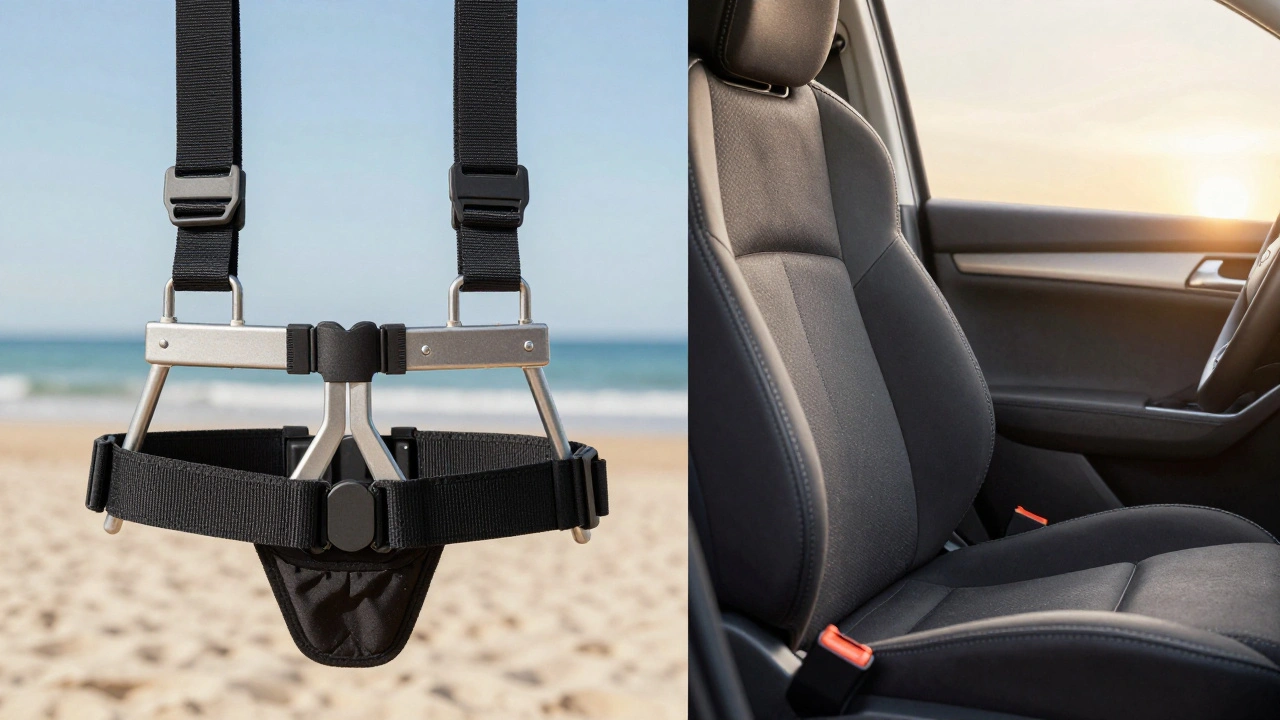
In recent years, brands have started producing hybrid models. These are essentially waist harnesses with adjustable support straps that mimic the stability of a seat harness without the full leg loops. They try to offer the mobility of a waist harness while preventing the "slide-up" effect. For many, this is the sweet spot. You get the agility needed for some basic jumps, but the security that the harness won't end up around your chest during a hard pull.
When choosing a hybrid, check the tension system. Some use a traditional buckle, while others use a sliding rail system. The rail system is generally better because it allows you to micro-adjust the fit on the fly without having to take the harness off entirely.

Common Pitfalls to Avoid
One of the biggest mistakes beginners make is buying a harness based solely on a size chart. Every brand fits differently. A "Medium" in one brand might be a "Large" in another. Always try it on over the clothes or wetsuit you plan to wear. A harness that fits perfectly on a t-shirt might be suffocating once you add a 5mm neoprene wetsuit.
Avoid over-tightening your harness to compensate for a poor fit. If you have to crank the straps to the absolute limit to keep the harness in place, you're in the wrong size. This not only causes discomfort but can actually hinder your performance by limiting how much you can lean back into the kite.
Also, don't ignore the wear and tear on the stitching. The load-bearing stitching is what keeps you attached to the kite. Check the areas where the spreader bar attaches to the harness for any fraying or loose threads. A harness failure mid-air is a scenario you never want to experience.
Can I switch from a seat harness to a waist harness as I get better?
Absolutely. Many beginners start with a seat harness because it's more comfortable and stays in place. As you begin to learn jumps, rotations, and unhooked tricks, you'll likely find the seat harness too restrictive and want to move to a waist harness for better hip mobility.
Do waist harnesses always cause back pain?
Not necessarily. If you have a strong core and a harness with a good ergonomic back plate, you may never feel any pain. However, the pull is naturally higher on the spine, so those with existing lower back issues are more likely to experience discomfort compared to using a seat harness.
How often should I replace my kiteboarding harness?
There is no set expiration date, but you should inspect your harness after every session. Replace it if you see significant fraying in the load-bearing seams, if the spreader bar becomes corroded or bent, or if the padding has completely compressed and no longer provides support.
Will a seat harness make me slower on the water?
It won't affect your board speed, but it will affect your agility. You'll find it slightly harder to perform sharp, technical movements or rotations. For cruising and long-distance riding, however, the added comfort actually helps you stay out longer, which can make you "faster" in terms of total distance covered.
What is the best way to clean a salt-crusted harness?
Rinse it with fresh water immediately after every session. For deep cleaning, soak it in a tub of fresh water and use a mild soap. Avoid putting it in a washing machine or dryer, as the heat and agitation can damage the structural integrity of the foam and webbing.
Next Steps for Gear Optimization
Once you've settled on the right harness type, start looking at your other connection points. Check your chicken loop for wear and ensure your safety leash is routed comfortably so it doesn't tangle with your harness straps. If you're still feeling a bit of pressure in your back while using a waist harness, consider doing some basic core strengthening exercises-planks and bridges are great for stabilizing the muscles that support your spine during a ride.
For those moving into advanced freestyle, your next step is experimenting with different spreader bar materials. Moving from a heavy stainless steel bar to a lightweight carbon fiber version can slightly reduce the weight on your hips and change the feel of the kite's pull, giving you a more responsive connection to the bar.