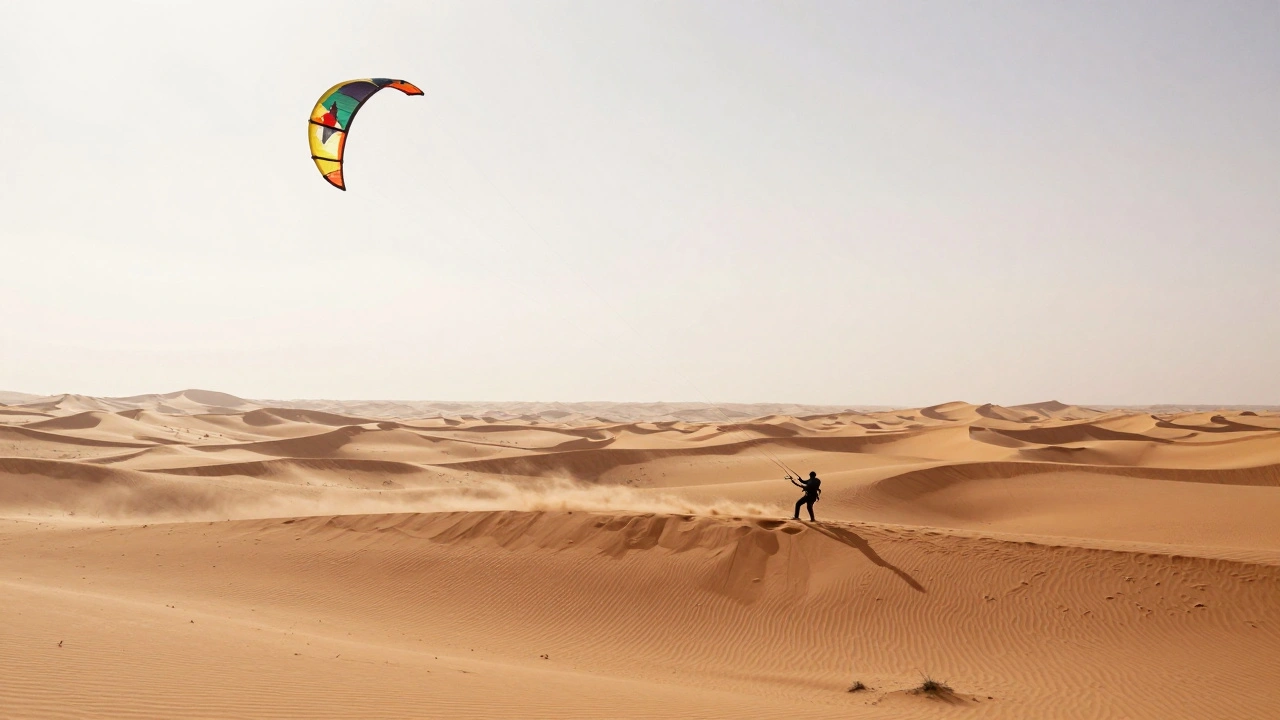
Imagine standing in the middle of the Sahara or the Mojave, where the horizon stretches forever and the wind screams across an open plain. It sounds like a paradise for any kite enthusiast, but the reality is a brutal battle against two of the most aggressive elements on earth: abrasive sand and unpredictable thermal gusts. If you take a standard beach kite into a true desert environment, the grit will eat through your fabric and the sudden wind spikes could snap a carbon spar in seconds. To survive and thrive in these conditions, you need to stop thinking about "flying a kite" and start thinking about "managing a high-stress system."
Quick Wins for Desert Flying
- Use ripstop nylon or specialized coated fabrics to prevent sand penetration.
- Always carry a portable air pump and a comprehensive repair kit for mid-flight punctures.
- Avoid launching during "dust devil" activity to prevent sudden loss of lift.
- Clean your lines with isopropyl alcohol after every session to remove microscopic quartz crystals.
The Physics of Sand and Fabric Abrasion
When you fly in a desert, you aren't just dealing with wind; you're dealing with a giant airborne sandpaper machine. Sand is primarily composed of silica dioxide, which forms hard, jagged microscopic crystals. When these particles hit your kite at high speeds, they don't just sit on the surface-they embed themselves into the weave of the fabric.
Standard lightweight polyester often fails here because the sand grains act like tiny knives, cutting through the fibers every time the kite flexes. This is why professionals lean toward high-denier ripstop nylon. If you've ever noticed "white spots" or a loss of color on your canopy after a desert trip, you're seeing the actual physical erosion of the coating. This degradation leads to air permeability, meaning your kite starts to leak air, losing its structural rigidity and crashing more frequently.
Dealing with Extreme Thermal Wind Shifts
Desert environments create a phenomenon called "thermal turbulence." Because the sand heats up significantly faster than the air above it, you get violent updrafts and downdrafts. You might be cruising in a steady 15-knot breeze, only to hit a pocket of superheated air that drops your kite 20 feet in a heartbeat.
To handle this, you need a kite with a high aspect ratio and a robust internal skeleton. Carbon Fiber spars are the gold standard here because they offer the necessary stiffness to resist deformation during these sudden pressure changes. However, the trade-off is brittleness. If a gust is strong enough to bend a carbon spar beyond its limit, it won't just bend-it will shatter. Experienced desert flyers often mix carbon with fiberglass reinforcements to add a bit of "give" to the frame, allowing the kite to absorb the shock of a thermal spike without snapping.
| Material | Sand Resistance | Flexibility | Weight | Best Use Case |
|---|---|---|---|---|
| Ripstop Nylon | High | Medium | Light | General Desert Flying |
| Dyneema/Spectra | Very High | Low | Very Light | Professional High-Wind Gear |
| Polyester | Low | High | Medium | Low-Wind Beach Areas |
| Carbon Fiber | N/A | Low | Light | Rigid Frame Support |
Mastering the Launch and Landing in Grit
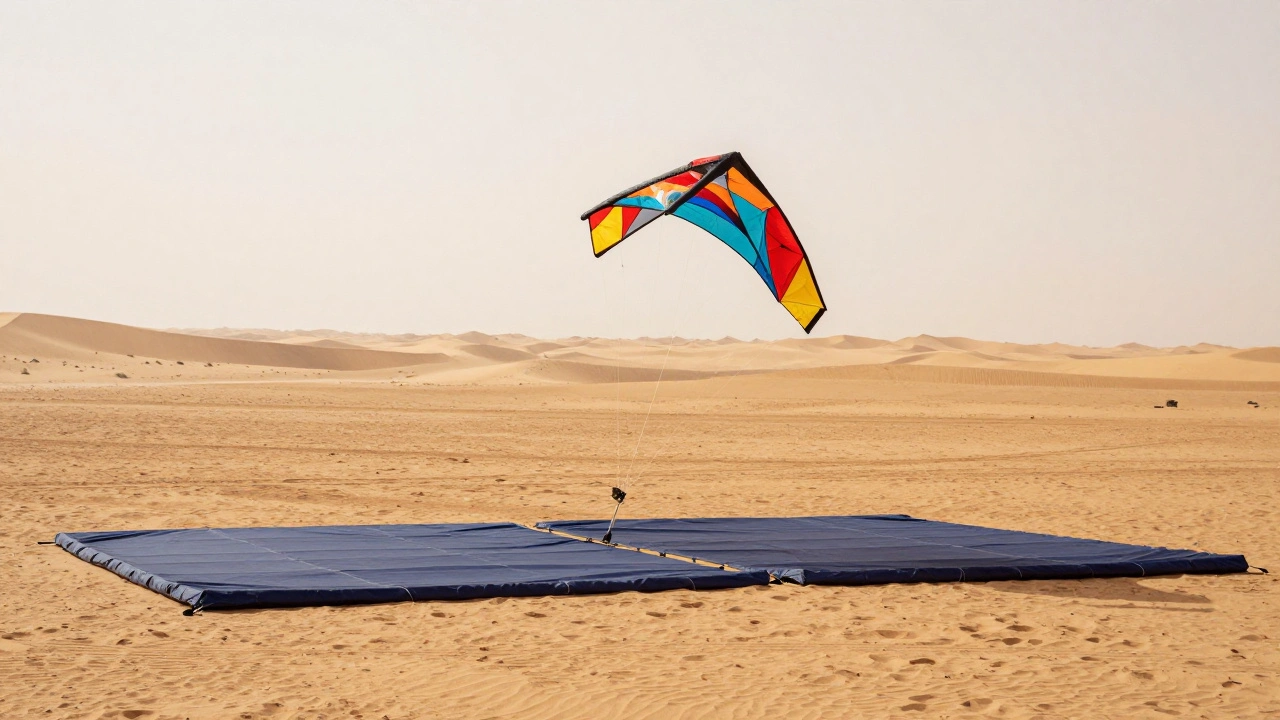
The most dangerous part of desert flying isn't actually in the air-it's the moment your kite touches the ground. Landing a kite on a sandy surface is essentially like laying a piece of silk on a bed of glass. If the kite slides even a few inches upon landing, the friction can create micro-tears in the canopy.
The pro move here is the "suspended landing." Instead of letting the kite settle, you keep enough tension on the lines to hover the canopy just inches above the surface until you can manually collapse it. If you can't do that, use a dedicated landing mat. A simple piece of heavy-duty tarp or a specialized Launch Pad protects the fabric from the direct abrasion of the ground. Never, ever drag your kite across the sand to move it; always lift and carry it. It seems tedious, but it doubles the lifespan of your gear.
Line Management and Hardware Maintenance
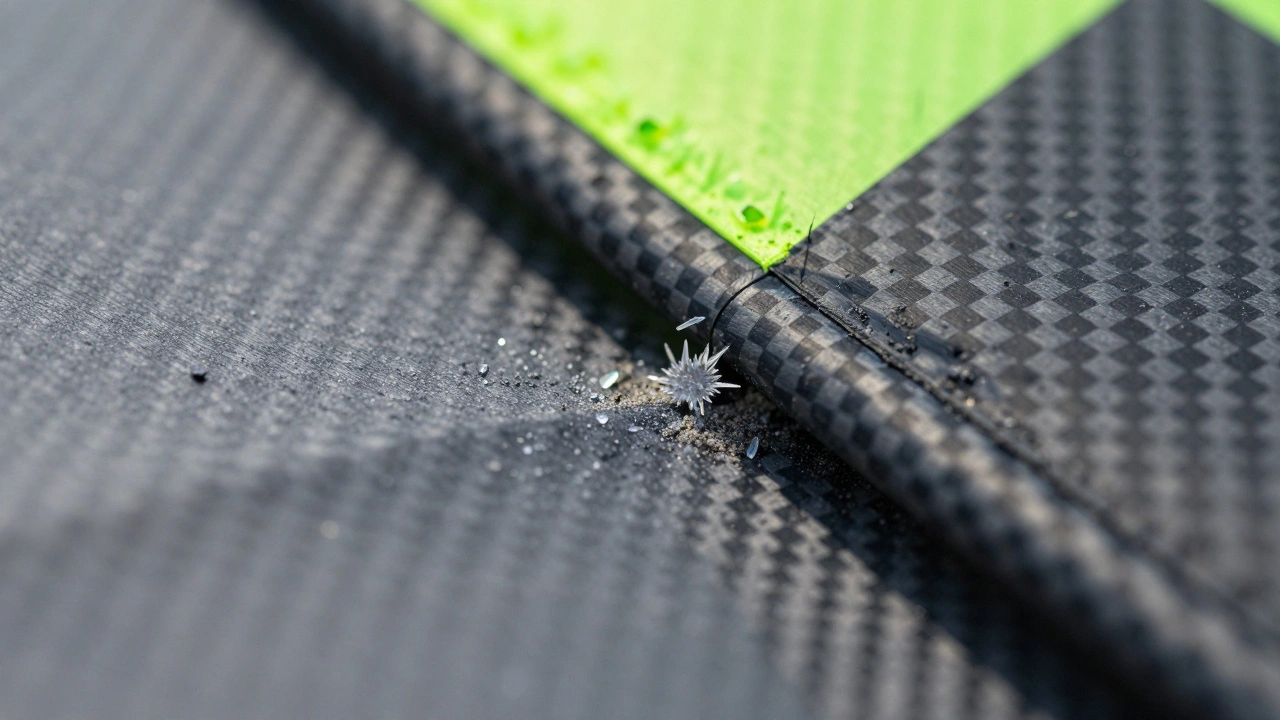
Your lines are the lifeline of your operation, and in the desert, they become magnets for dust. Aramid or UHMWPE lines are incredibly strong, but they are porous. Sand grains migrate into the braid of the line, creating internal friction. Every time the line stretches under load, those grains rub against the fibers, weakening the line from the inside out.
I've seen lines that looked perfectly fine visually snap under a moderate load because they were "sand-logged." To prevent this, you should implement a strict cleaning routine. After a session, wipe down your lines with a damp cloth and a mild detergent. If you have high-end pulleys or swivel connectors, the sand will act as a grinding paste, wearing down the metal bearings. A drop of dry silicone lubricant is your best friend here-avoid heavy oils, as they actually attract more sand, turning your hardware into a muddy mess.
Safety Protocols for Remote Desert Areas
Flying in the desert usually means you're far from help. The risk isn't just gear failure, but environmental exposure. The wind that makes for great flying also accelerates dehydration through a process called "insensible perspiration." You're losing water through your skin faster than you realize because the dry air whisks it away instantly.
Beyond hydration, you need to be aware of the "Wind Shadow" effect. In deserts with dunes or rocky outcrops, the wind can be 20 knots on one side of a ridge and dead calm on the other. If you accidentally fly your kite into a wind shadow, it will plummet. In a high-wind scenario, this can lead to a "death loop" where the kite spins violently, pulling you across the abrasive sand. Always keep a clear line of sight to your wind source and never fly alone in these remote zones.
The Post-Flight Decontamination Process
When you get home, the work isn't over. The sand that clings to your gear will continue to cause damage if it's left in the folds of the fabric. Use a low-pressure hose to rinse the kite while it's still inflated. This pushes the particles out of the weave without forcing them deeper into the fabric. Avoid high-pressure washers, which can actually push the sand through the ripstop pores, causing permanent damage.
Dry the kite in a shaded area. Direct sunlight on a wet kite can lead to UV degradation of the fabric, especially if there are still chemical residues from cleaning agents. Once dry, apply a UV-protectant spray if the manufacturer allows it. This creates a thin, sacrificial layer that the sand hits first, sparing your actual kite fabric from the brunt of the erosion.
Does sand actually cause holes in kites?
Not usually immediate holes, but it causes "micro-abrasion." The sand wears down the waterproof coating and thins the fabric fibers over time. This makes the fabric more susceptible to tearing during a crash or under high wind pressure, effectively shortening the kite's lifespan.
Which kite shape is best for desert winds?
Kites with a higher aspect ratio (narrower and longer) generally handle the turbulent, shifting winds of the desert better. They provide more consistent lift and are more responsive to quick steering inputs, which is crucial when you need to react to a sudden thermal downdraft.
Can I use standard beach gear in the desert?
You can, but you'll wear it out much faster. Beach sand is often more rounded by water, whereas desert sand is jagged and sharper. If you use standard gear, you must be extremely diligent about cleaning and using landing mats to avoid premature fabric failure.
How do I tell if my lines are too worn from sand?
Run your fingers along the line; if it feels "crunchy" or stiff even after cleaning, sand is embedded in the core. If you see a "fuzzy" appearance on the line, the fibers are breaking. In either case, replace the lines immediately to avoid a catastrophic mid-air snap.
What is the safest way to recover a crashed kite in a sandstorm?
If visibility drops and the kite crashes, do not try to fly it back up immediately. Secure the lines to prevent the kite from being dragged further by the wind, walk to the kite, and manually collapse the canopy. Dragging a kite through a sandstorm is the fastest way to destroy the fabric.
Next Steps for Your Desert Adventure
If you're planning your first trip, start by auditing your gear. Check for any existing nicks or tears in your canopy-these will expand rapidly in the desert. Pack a specialized kit containing a sewing awl, high-strength nylon thread, and a variety of adhesive patches. If you're heading to a region with extreme heat, invest in a wide-brimmed hat and high-SPF clothing; you'll be spending a lot of time looking up at the sky, leaving your face and neck completely exposed to the sun.
For those looking to advance, try practicing "wind reading." Watch the ripples in the sand and the movement of small shrubs to identify thermal pockets before you fly into them. This skill turns a stressful flight into a controlled, graceful dance with the environment.