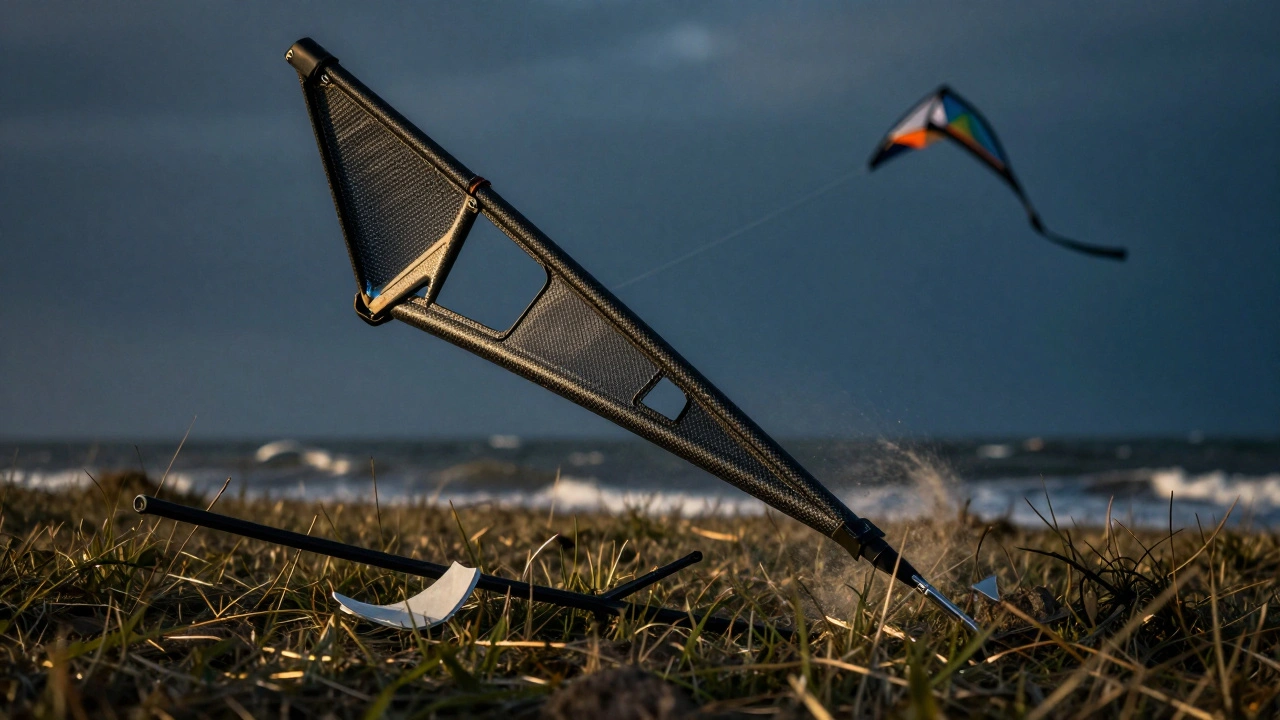
Building a kite isn’t just about picking a colorful design. The real magic-and the difference between a kite that soars and one that crashes-lies in the spars. These are the rods that give your kite its shape and strength. And when it comes to choosing them, you’ve got three main options: carbon fiber, fiberglass, and bamboo. Each has trade-offs in weight, durability, cost, and performance. If you’ve ever watched a kite wobble out of control or snap mid-flight, you know how critical this choice is.
Why Spar Material Matters More Than You Think
Most beginners think the fabric or tail makes the difference. But if your spars are too stiff, too floppy, or just plain weak, no amount of fancy fabric will save you. A good spar needs to flex just enough to handle wind gusts without breaking, yet stay rigid enough to hold its shape. Too much flex? Your kite loses lift. Too little? It snaps when the wind picks up. The material you pick changes how your kite behaves in every condition.
Let’s break down what actually happens in the air. A carbon spar might feel overkill for a small diamond kite, but if you’re flying in gusty coastal winds like those off the Oregon coast, it’s the only thing that keeps your kite alive. Fiberglass? It’s the middle ground-forgiving, affordable, and surprisingly tough. Bamboo? It’s the classic, but only if you know how to treat it right.
Carbon Fiber Spars: The High-Performance Option
Carbon fiber spars are light, stiff, and strong. They’re the go-to for serious kite flyers who want maximum response and minimal weight. If you’re flying in light winds or need your kite to turn quickly, carbon delivers. A 1.5-meter carbon spar for a large stunt kite weighs around 25 grams-less than a golf ball. That low weight means more lift and better control.
But here’s the catch: carbon doesn’t bend. It breaks. And when it does, it doesn’t just crack-it shatters. No warning. No second chance. One strong gust, and you’re left with a pile of brittle fragments. That’s why carbon spars aren’t for beginners or kids. They’re also expensive. A single carbon spar can cost $25 to $50. For a full frame, you’re looking at $100+.
Still, if you’re flying in steady winds or competing in precision events, carbon is unmatched. It doesn’t sag. It doesn’t twist. It holds its shape like a laser beam. Brands like Inflight and Prism use carbon in their pro models for a reason. But if you’re just starting out, or your kite flies in a backyard with sudden gusts, carbon might be overkill-and risky.
Fiberglass Spars: The Sweet Spot for Most Flyers
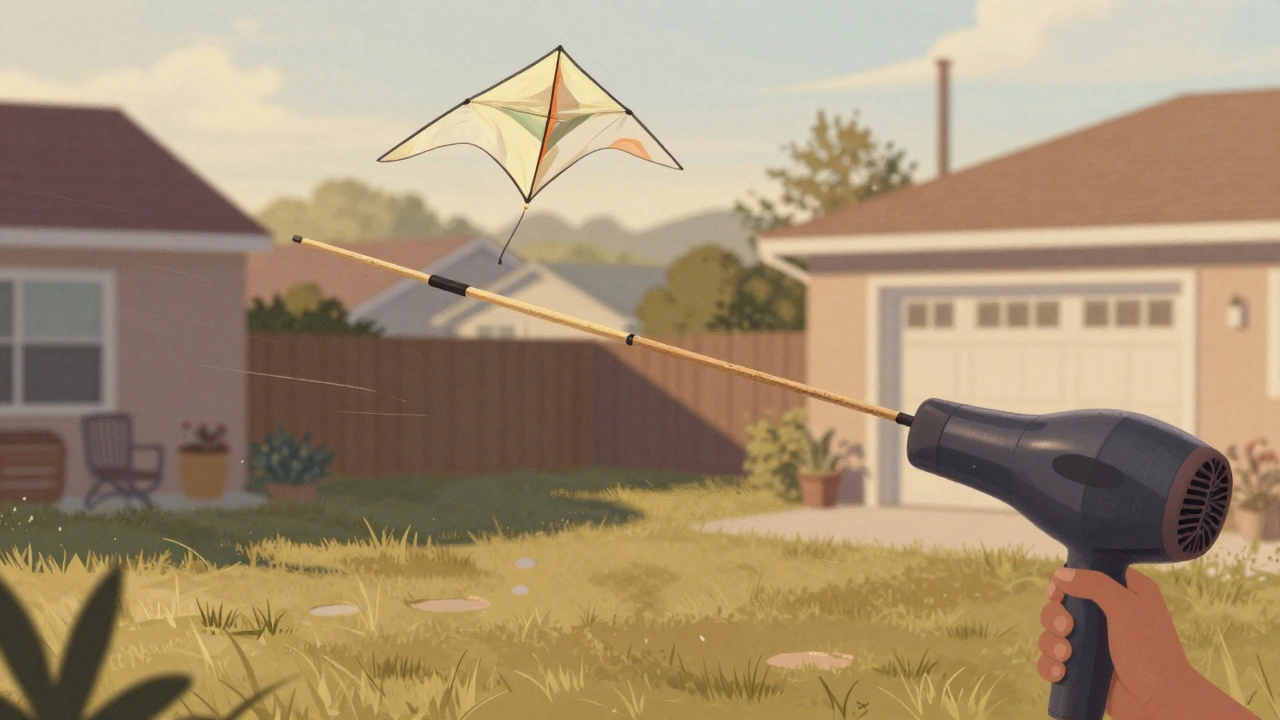
Fiberglass is what most commercial kites are made of-and for good reason. It’s durable, flexible, and affordable. A fiberglass spar bends under pressure, then springs back. That means if your kite hits a tree or gets caught in a sudden gust, it’ll bend, not break. You can often fix a bent fiberglass rod by gently warming it with a hairdryer and reshaping it. No replacement needed.
Weight-wise, fiberglass is heavier than carbon but lighter than bamboo. A typical 1.5-meter fiberglass spar weighs about 45 grams. That’s enough to give your kite stability without dragging it down. It’s also forgiving in variable winds. If you live somewhere like Portland, where the wind shifts from calm to strong in minutes, fiberglass handles the chaos better than carbon.
Cost? Around $5 to $15 per spar. A full set for a medium-sized kite runs under $50. You can buy fiberglass rods in bulk from kite supply stores or even hardware stores that sell fiberglass reinforcing rods. Just make sure they’re labeled for kite use-some construction-grade rods are too brittle or too thick.
Fiberglass is the smart pick if you want reliability without the price tag. It’s the material most experienced kite builders recommend for first-time builders. It’s the one you can leave out overnight, get rained on, and still fly next weekend.
Bamboo Spars: The Traditional Choice
Bamboo has been used for kite frames for over a thousand years. It’s natural, renewable, and has a beautiful grain. If you’re building a traditional Japanese or Chinese-style kite, bamboo is the authentic choice. It’s also surprisingly strong for its weight-especially when you select the right type.
Not all bamboo is equal. You need moso bamboo, which is dense and straight-grained. Avoid any bamboo that looks warped, has knots, or feels spongy. A good bamboo spar for a 1.5-meter kite weighs about 55 grams-slightly heavier than fiberglass but more flexible. It bends slowly and returns to shape, making it great for light to moderate winds.
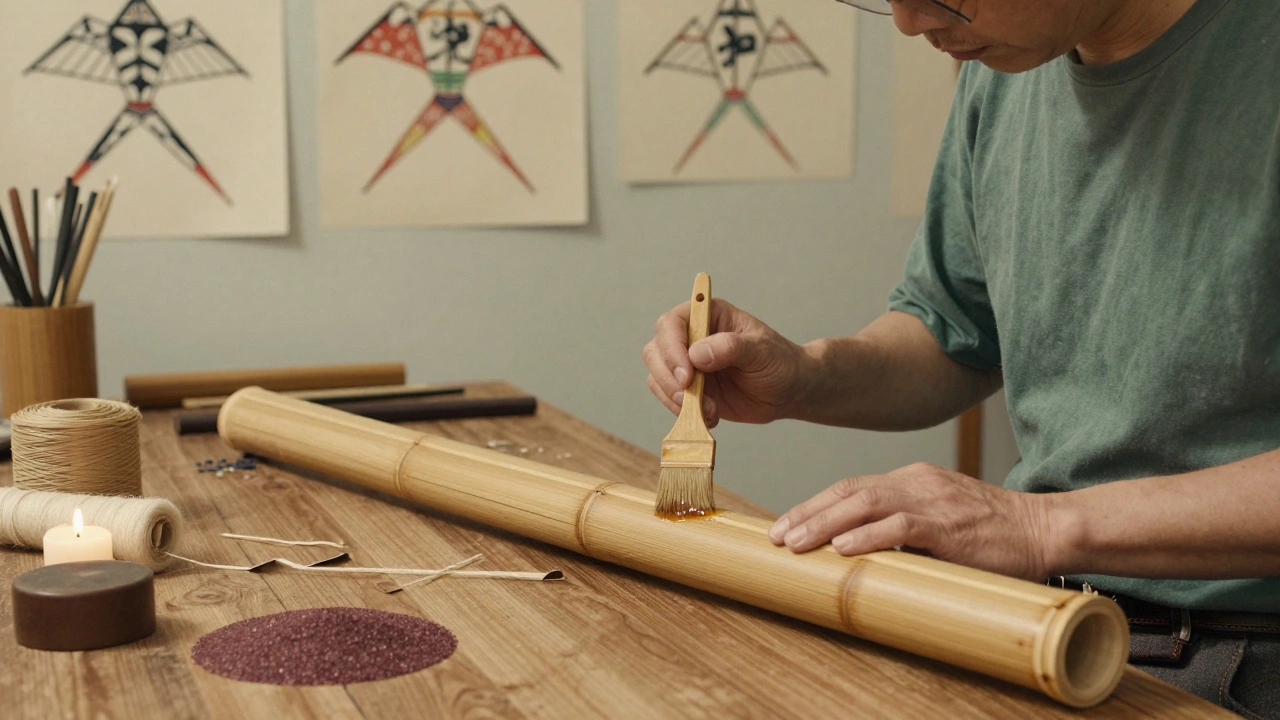
But bamboo has downsides. It’s sensitive to moisture. If you leave it out in the rain or even high humidity, it can warp or crack. You need to treat it with linseed oil or spar varnish before flying. And it’s not as consistent as manufactured materials. One piece might be perfect; the next might have a hidden flaw.
Still, if you enjoy the craft of building from scratch, bamboo is rewarding. It’s easy to cut with a saw, sand smooth, and tie with silk thread. Many kite festivals in Asia still use bamboo frames. And if you’re building a kite for display or cultural reasons, bamboo adds authenticity.
Side-by-Side Comparison: Weight, Flex, Durability, Cost
| Property | Carbon Fiber | Fiberglass | Bamboo |
|---|---|---|---|
| Weight (per 1.5m spar) | 20-30g | 40-50g | 50-60g |
| Flexibility | Very low | Medium | High |
| Durability | Poor (shatters) | Excellent (bends, recovers) | Good (if treated) |
| Cost per spar | $25-$50 | $5-$15 | $3-$10 |
| Best for | Light wind, competition, precision | Everyday flying, beginners, variable wind | Traditional designs, calm winds, craft projects |
Which One Should You Choose?
If you’re just starting out, go with fiberglass. It’s the safest, most forgiving option. You’ll make mistakes. You’ll crash. You’ll get frustrated. Fiberglass lets you learn without replacing your whole frame after every mishap.
If you’re flying in consistently light wind-say, near the beach or on a high hill-carbon fiber gives you a real advantage. But only if you’re careful. Always carry a spare set. And never fly in stormy or gusty conditions with carbon.
Bamboo? Save it for when you’re ready to slow down and build something by hand. It’s not the most practical for regular flying, but if you want to connect with the history of kites, it’s unbeatable. Treat it right, and it’ll last for years.
Here’s a quick rule: If your kite weighs less than 200 grams total, carbon is worth considering. If it’s 300-500 grams, fiberglass is your best bet. If you’re building something over 600 grams or want to make it yourself from scratch, bamboo holds up well.
Pro Tips: What No One Tells You
- Never glue spars into your kite. Use silk thread or nylon line. Glue makes repairs impossible.
- Store your spars flat. Don’t leave them bent in a tube or rolled up. Even fiberglass can take a permanent set if stored wrong.
- For bamboo, soak the ends in wood glue before tying. It seals the fibers and prevents splitting.
- Carbon spars are brittle at low temperatures. If you’re flying in winter, keep them warm in your pocket before launching.
- Test your spar by gently tapping it. A carbon spar rings like a bell. Fiberglass sounds dull. Bamboo has a soft thump.
What Happens If You Get It Wrong?
I’ve seen kites with carbon spars snap in midair and rain down like shrapnel. I’ve seen bamboo frames warp after one rainy night and turn into a crooked mess. And I’ve seen fiberglass spars bend so badly they looked like question marks-then, after a few minutes in the sun, spring back perfectly.
Choosing the wrong material doesn’t mean your kite is ruined. It just means you’ll learn faster. The first time your bamboo frame cracks? You’ll know to treat it next time. The first time your carbon spar breaks? You’ll never fly it in wind over 15 mph again.
There’s no perfect material. There’s only the right one for your kite, your wind, and your style of flying.
Can I mix different spar materials in one kite?
Yes, but only if you know what you’re doing. Some advanced kites use carbon for the leading edge (for stiffness) and fiberglass for the cross spar (for flexibility). Mixing materials changes the kite’s balance. Always test in light wind first. Never combine carbon with bamboo-different flex rates can cause stress fractures.
Where can I buy kite spars in the U.S.?
For fiberglass, check kite specialty shops like Kitebuilder.com or even Home Depot (look for fiberglass reinforcing rods in the construction aisle). Carbon spars are sold by kite brands like Inflight, Prism, and Premier. Bamboo can be ordered online from suppliers like BambooKite.com or Etsy sellers who specialize in traditional materials. Always measure your kite’s spar length before buying.
How do I know if my spar is the right size?
The spar should match the kite’s design specs exactly. Too thick? It’ll weigh the kite down. Too thin? It’ll bend too much. Most kite plans list spar diameter and length. If you’re improvising, start with a spar that’s 1/8 inch in diameter for small kites (under 3 feet), and 3/16 inch for larger ones. You can sand it down if it’s too stiff.
Do I need to treat bamboo before flying?
Yes. Untreated bamboo absorbs moisture and can warp or rot. Apply three coats of spar varnish or linseed oil, letting each dry overnight. Focus on the ends and joints where cracks start. Let it cure for a full week before flying. This simple step doubles its lifespan.
Is bamboo really stronger than fiberglass?
In terms of tensile strength, high-grade bamboo can be stronger than fiberglass-but only along the grain. Fiberglass is stronger in all directions and more consistent. Bamboo’s strength comes from its natural structure, but it’s not reliable without careful selection. Fiberglass wins for predictable performance. Bamboo wins for tradition and feel.
Final Thought: It’s Not About the Material-It’s About the Fit
There’s no single best spar. The best one is the one that matches your kite, your wind, and your flying style. Carbon gives you speed. Fiberglass gives you peace of mind. Bamboo gives you a story. Choose based on what matters most to you-not what looks cool in a video.
Start simple. Build one kite with fiberglass. Fly it. Then try another with bamboo. See how they feel. You’ll learn more in two flights than you will from reading a dozen articles. And when you finally fly a carbon-framed kite in perfect wind? You’ll know why it’s worth the price.