The Shift to Airborne Wind Energy
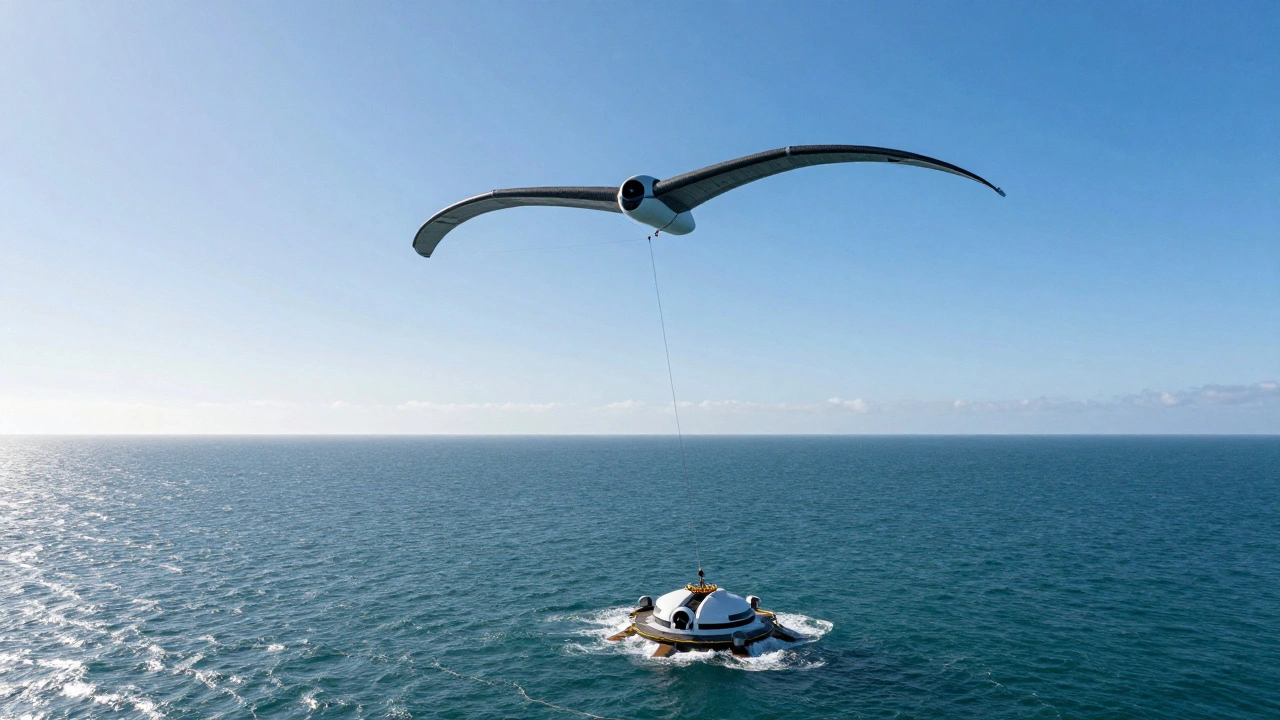
Traditional wind turbines are huge, expensive, and stuck on the ground. But the wind is much stronger and more consistent 300 to 600 meters up in the air. This is where Airborne Wind Energy (AWE) comes into play. Instead of a fixed tower, AWE uses a kite or a drone-like wing that flies in cross-wind patterns, pulling a tether that spins a generator on the ground. Think of it like a giant yo-yo. The kite flies out, creating massive tension on the cable, which generates electricity. Once the kite reaches the end of its line, it glides back down using less energy, and the cycle repeats. This approach is a game-changer because it uses far less material than a concrete turbine tower. In a recent deployment in the North Sea, prototypes have shown they can produce energy at a significantly lower cost per kilowatt-hour than traditional onshore wind farms because they tap into the high-altitude jet streams.Revolutionizing Shipping with Kite Propulsion
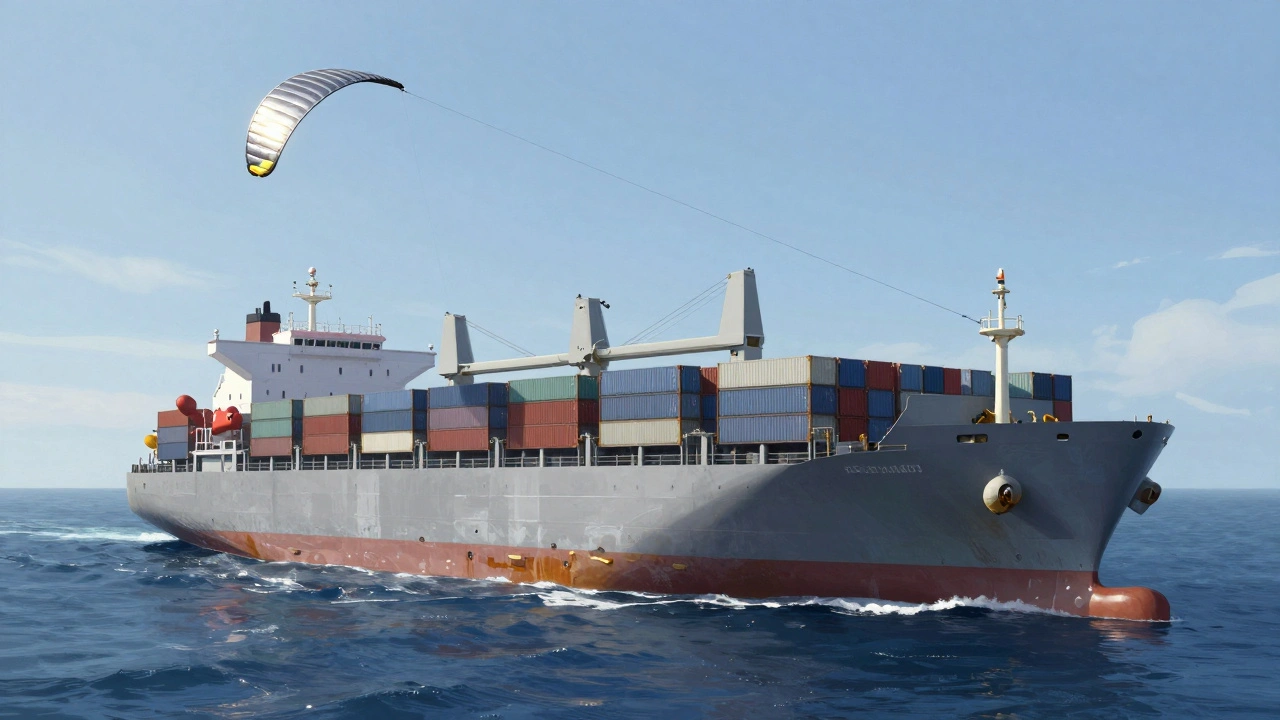
Shipping is one of the dirtiest industries on the planet, relying heavily on bunker fuel. To fix this, engineers are attaching giant, automated kites to the bows of tankers. This isn't about steering the ship; it's about using a Kite Propulsion system to provide a constant forward pull, reducing the load on the engines. These kites aren't flown by a person with a string. They are controlled by onboard computers that adjust the wing's angle of attack in real-time to catch the most wind. For a massive container ship, using an automated kite can cut fuel consumption by 10% to 20% on favorable routes. Imagine a ship traveling from Shanghai to Long Beach; by utilizing high-altitude winds that aren't present at sea level, the vessel can maintain its speed while burning thousands of tons less fuel over the voyage.| Feature | Traditional Turbine | Airborne Wind Energy (AWE) | Kite Propulsion |
|---|---|---|---|
| Height Access | Low to Medium | Very High (500m+) | High (200m+) |
| Material Use | High (Steel/Concrete) | Low (Composites/Cables) | Minimal (Wing/Winch) |
| Primary Goal | Electricity Grid | Electricity Grid | Fuel Reduction |
| Mobility | Stationary | Semi-Mobile | Mobile (Ship-based) |
Smart Materials and Autonomous Control
Why hasn't this happened sooner? Because kites used to be unpredictable. A sudden gust could snap a line or crash the system. The breakthrough is happening through the use of Carbon Fiber Composites and Aramid Fibers. These materials allow wings to be incredibly stiff yet lightweight, meaning they can withstand the immense forces of a gale without folding. Then there's the brain. Modern kites use Autonomous Flight Control systems. These are essentially flight computers that process data from pitot tubes and accelerometers hundreds of times per second. They can perform "cross-wind" maneuvers-flying in a figure-eight pattern-which multiplies the effective wind speed and increases the power output exponentially. If a storm rolls in, the AI doesn't panic; it simply reels the kite in or adjusts the pitch to prevent structural failure, something a human operator could never do fast enough.Aerial Logistics and Cargo Delivery
We've all seen delivery drones, but they have a major flaw: battery life. A drone carrying a heavy package drains its power in minutes. This is where "tethered kite logistics" enters the conversation. By using a kite to provide lift, a delivery system can carry much heavier payloads over longer distances without relying solely on electric motors. Imagine a system where a ground station launches a kite that carries a cargo pod. The kite uses the wind to keep the pod aloft, and the ground station manages the movement via a winch and steering cables. This removes the need for heavy batteries in the air. It's particularly useful for delivering medical supplies to remote mountainous regions where roads are non-existent and traditional helicopters are too expensive to run daily. It turns the atmosphere into a conveyor belt, using natural energy to move physical goods.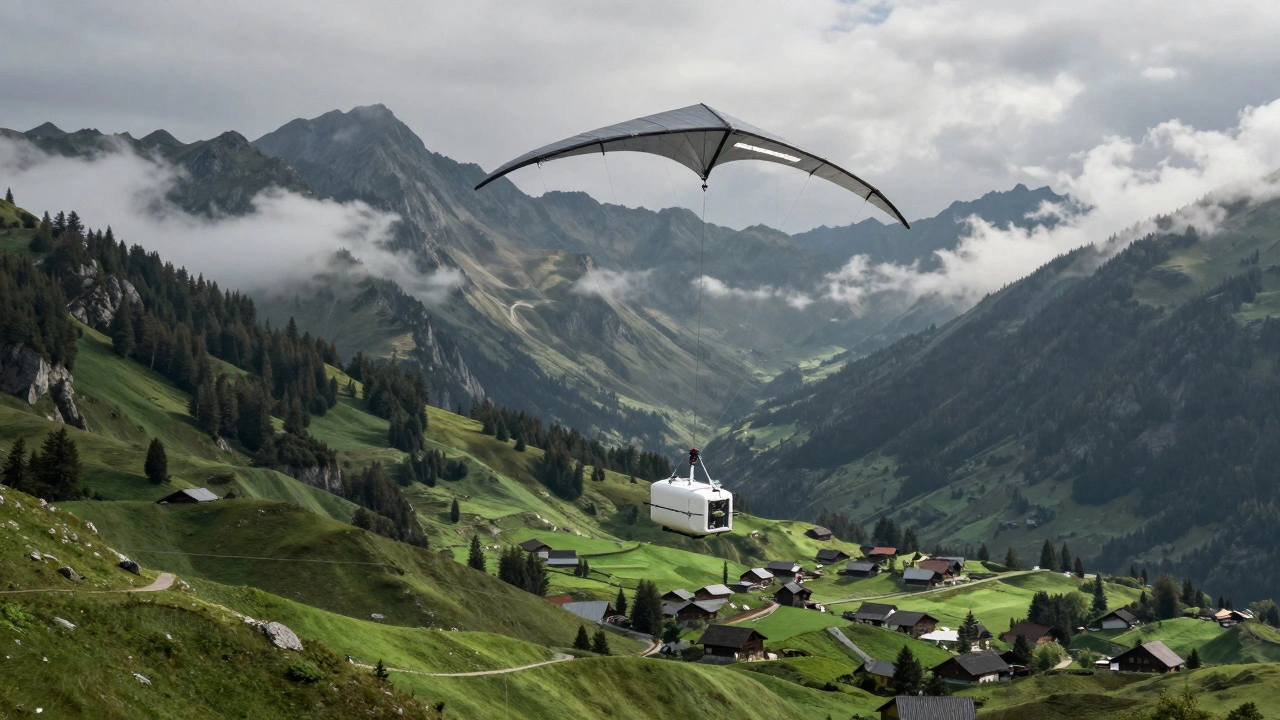
Environmental Impact and Sustainability
One of the biggest arguments for moving toward kite-based tech is the ecological footprint. Conventional wind turbines often face criticism for harming bird populations or creating noise pollution. Kites, because they are dynamic and can be retracted, are far less intrusive. When the wind stops or the risk of bird migration increases, the kites simply come down to the ground. Furthermore, the carbon cost of building a kite is a fraction of that of a turbine. You don't need to pour thousands of tons of concrete into the seabed or a hillside. By using Biodegradable Polymers for some of the wing surfaces, we're seeing a move toward "circular" aerial tech-where the kite can be recycled at the end of its life rather than ending up in a landfill.
Challenges and the Road Ahead
It's not all smooth sailing. There are still major hurdles to clear. The biggest is airspace regulation. How do you tell a commercial airline that there's a 50-meter wide kite flying at 1,000 feet in a shipping lane? This requires a new level of integration with Air Traffic Control and the development of transponders for kites so they appear on radar. Then there is the issue of cable wear. When you're pulling tons of force, the friction on the tether is immense. Engineers are currently testing new coatings made from graphene to reduce wear and tear, extending the life of a cable from a few months to several years. Once these durability and regulatory issues are solved, the sky truly becomes the new power plant.Can autonomous kites really replace wind turbines?
Not entirely, but they complement them. While turbines are great for steady, low-altitude wind, kites can reach higher altitudes where wind is more powerful. They are especially useful in offshore environments where building a permanent tower is too expensive or geographically impossible.
How do kites pull a massive ship?
They use a technique called cross-wind flying. By flying in a figure-eight pattern, the kite creates a massive amount of lift and pull in a specific direction. This force acts like a sail, but because it is high in the air, it catches winds that the ship's hull would otherwise be shielded from.
Are these kites dangerous to other aircraft?
Potentially, which is why integration with aviation authorities is critical. Most industrial kites operate in specific corridors or are equipped with radar reflectors and transponders so pilots and controllers can see them clearly.
What materials make these kites different from toy kites?
Industrial kites use aerospace-grade materials. Instead of nylon and bamboo, they use carbon fiber for the ribs to prevent bending and aramid fibers (like Kevlar) for the tethers to handle thousands of kilograms of tension without snapping.
How much fuel can a shipping kite actually save?
Depending on the route and wind conditions, most current systems aim for a 10% to 20% reduction in fuel consumption. While that sounds small, for a massive vessel, this translates to thousands of tons of CO2 emissions prevented every year.
Next Steps for Implementation
If you're looking at how this tech will roll out, keep an eye on these three areas:- Hybrid Propulsion: Watch for ships that combine hydrogen fuel cells with kite propulsion for zero-emission transit.
- Micro-Grid AWE: Small-scale airborne wind systems for remote villages or military bases that can't transport large turbines.
- Dynamic Airspace Management: New software that automatically routes kites around aircraft and other drones in real-time.