Why the Windscape Kite Festival Stands Out
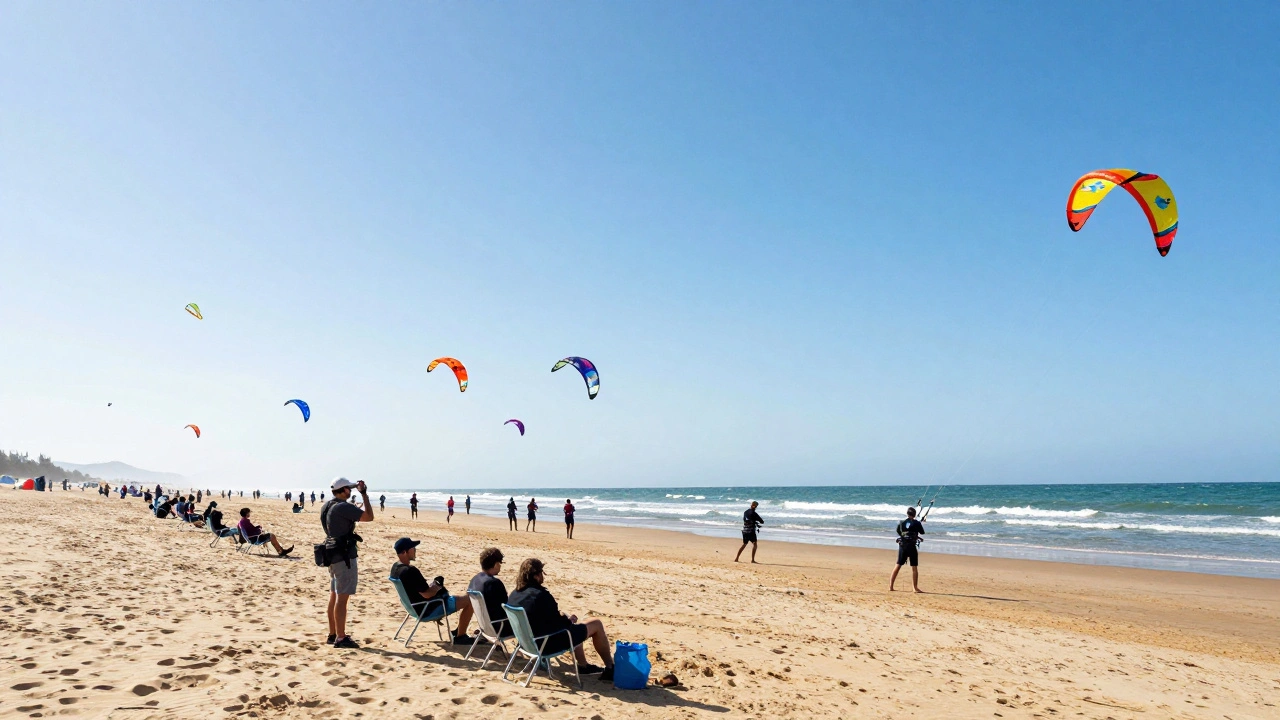
If you have never seen a Windscape Kite Festival is a premier North American event dedicated to competitive and recreational kiting, you are missing out on one of the most visually striking outdoor experiences available. Unlike casual beach days where people toss up simple diamond kites, this festival brings together professional athletes, artists, and engineers who treat the sky as their canvas and the wind as their engine.
Held annually in various coastal locations across North America, the festival has become a hub for both stunt kiting and power kiting. The atmosphere is electric. You hear the roar of large traction kites pulling riders across sand or water, followed by the silent, graceful dance of dual-line stunt kites performing intricate loops and rolls. It is not just about flying; it is about precision, creativity, and community.
The Heart of the Event: Competition Categories
The core of the Windscape experience lies in its structured competitions. These aren't amateur hour displays. They are judged events with strict criteria, similar to gymnastics or figure skating but performed at heights ranging from ten feet to several hundred feet. Understanding these categories helps you know what to look for when you attend.
| Category | Kite Type | Judging Criteria | Skill Level |
|---|---|---|---|
| Dual-Line Stunt | Delta or Diamond shaped | Precision, complexity, synchronization | Advanced |
| Quad-Line Acrobatics | Cheetah or Parafoil style | 3D maneuvers, flips, rolls | Expert |
| Power Kiting / Traction | Large C-Kites or Bow Kites | Speed, distance, load capacity | Veteran |
| Artistic Display | Soft shapes, ledges, inflatables | Creativity, visual impact, theme | All Levels |
In the Dual-Line Stunt category, pilots use two lines to control the kite's movement. They perform patterns that require millimeter-perfect timing. A single mistake can result in a crash or a tangled line, which ends the run immediately. Judges look for smooth transitions between moves like "heartbeats," "rolls," and "loops."
Quad-Line Acrobatics takes this further by adding two more lines. This allows the pilot to rotate the kite around its longitudinal axis. Imagine a kite doing a full barrel roll while simultaneously looping in the air. This is often called "3D kiting" because the kite moves freely in all three dimensions. It requires intense focus and physical strength to manage the tension on four separate lines.
More Than Just Flying: The Show Element
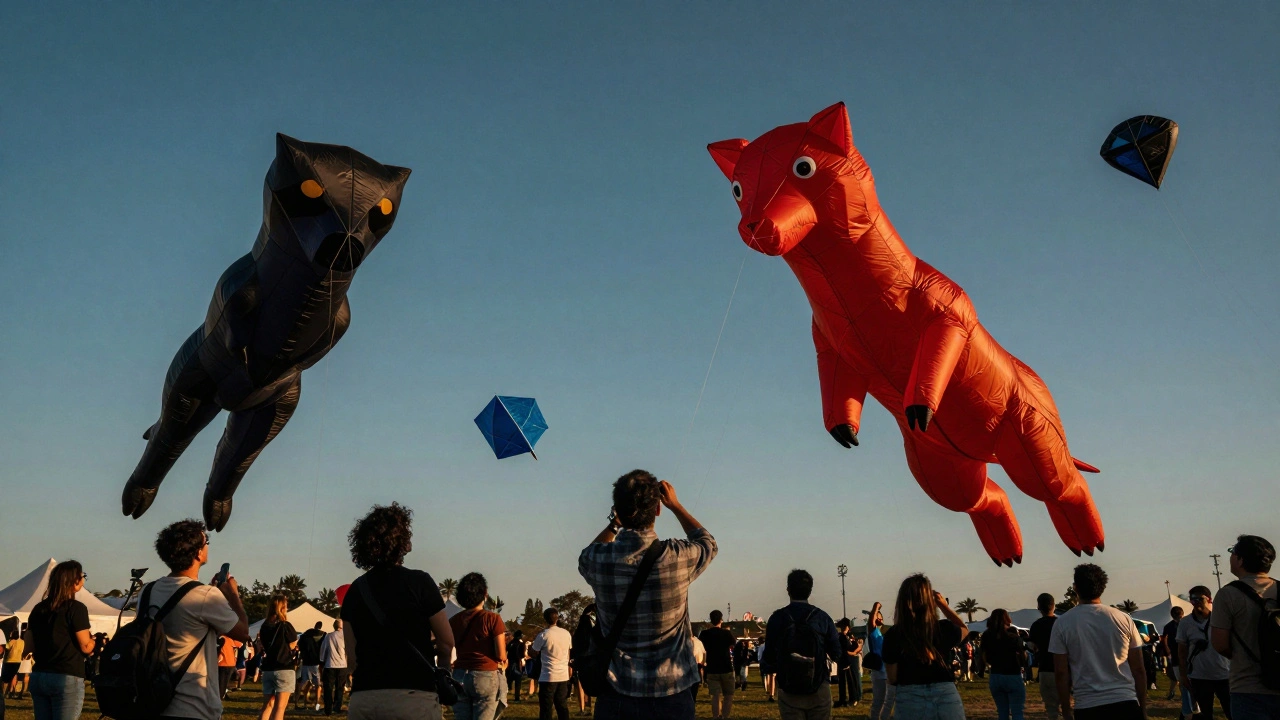
While competitions draw the serious enthusiasts, the show elements attract the general public. The Windscape Festival features massive artistic displays that transform the sky into a living art gallery. Artists create enormous soft kites in the shape of animals, geometric structures, and even recognizable landmarks.
You will see ledgestyle kites, which are rigid structures made from carbon fiber or fiberglass rods covered in ripstop nylon. These kites maintain their shape regardless of wind direction, allowing them to stand vertically or horizontally against the backdrop of the clouds. Some of these structures span over fifty feet in width and require teams of five or six people to launch safely.
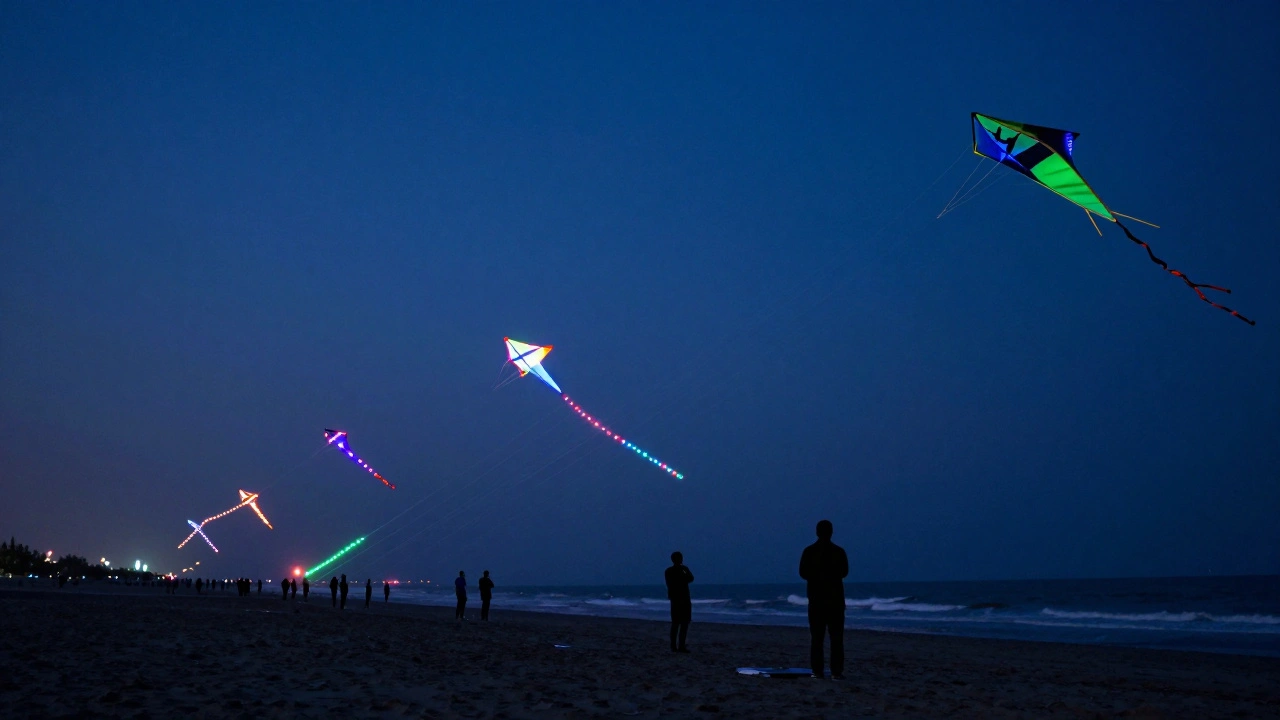
The evening light shows are another highlight. As the sun sets, pilots switch to illuminated kites equipped with LED lights powered by small lithium batteries. Against the darkening sky, these kites create dazzling patterns of color and light. It is a mesmerizing spectacle that draws crowds long after the daytime competitions have ended.
Planning Your Visit: What You Need to Know
Attending the Windscape Kite Festival requires some preparation. The events typically take place in late spring or early summer, depending on the specific location chosen for that year. In 2026, many organizers are focusing on coastal sites in Oregon, California, and Florida to ensure consistent wind conditions.
Wind Conditions: Kiting requires steady wind. Most festivals need winds between 8 and 25 mph. If it is too calm, the kites won't fly. If it is too stormy, safety becomes a concern. Check local weather forecasts before traveling. Apps like Windy.com provide detailed wind maps that can help you plan your day.
Location Access: Many festivals are held on public beaches or parks. However, certain areas may be restricted during competition hours. Arrive early to secure a good viewing spot. Bring chairs, sunscreen, and plenty of water. The sun reflects off the sand or water, increasing UV exposure significantly.
Tickets and Fees: While general admission is often free, parking may require a fee. If you want to participate in workshops or clinics, registration is usually required. These sessions are invaluable for beginners who want to learn the basics of kite assembly, launching, and safety protocols.
Getting Involved: Workshops and Clinics
You don't have to be an expert to enjoy the festival. One of the best aspects of Windscape is its educational component. Experienced pilots host clinics throughout the weekend, teaching everything from basic diamond kite construction to advanced quad-line techniques.
- Beginner Basics: Learn how to assemble a ready-to-fly kite, understand wind windows, and practice safe launching and landing techniques.
- Dual-Line Introduction: Step up from single-line flying. Learn how to control a kite using two lines to perform simple circles and loops.
- Repair and Maintenance: Kites get damaged. Learn how to patch tears in the fabric, replace broken spars, and fix line knots.
- Safety Protocols: Understand the risks associated with power kiting, including the danger of being pulled into the water or losing control of a high-power kite.
These clinics are hands-on. You will get time in the air with instructors watching over you. It is the fastest way to gain confidence and skill. Many attendees leave the festival with new friends and a newfound passion for the sport.
Safety First: Risks and Mitigation
Kiting is generally safe, but it is not without risks. Power kites, in particular, can generate enough force to pull a person across sand or water at high speeds. This can lead to injuries if proper precautions are not taken.
Always wear a helmet when participating in power kiting or traction sports. Use a quick-release harness that allows you to detach from the kite instantly if you lose control. Never fly near power lines, roads, or crowded areas. Keep a safe distance from other pilots to avoid line entanglement.
For spectators, stay behind designated safety lines. Falling kites can be heavy and sharp. Carbon fiber rods used in ledestyle kites can break and become projectiles. Respect the space of the pilots and follow instructions from event staff.
The Community Aspect
Beyond the flying, the Windscape Kite Festival is a gathering of a tight-knit community. Pilots share tips, trade parts, and celebrate each other's achievements. The camaraderie is palpable. Whether you are a seasoned pro or a first-time flyer, you will find people willing to help and encourage you.
This sense of belonging extends beyond the festival grounds. Online forums and social media groups connect pilots worldwide. They share videos of their flights, discuss new kite designs, and organize local meetups. Attending Windscape is often the first step in joining this global network of kite enthusiasts.
Environmental Considerations
As outdoor events grow in popularity, environmental impact becomes a critical concern. Organizers of the Windscape Festival are increasingly focused on sustainability. They encourage participants to bring reusable water bottles and food containers to reduce waste.
Beach cleanups are often part of the festival schedule. Volunteers gather trash left behind by previous visitors, ensuring the natural habitat remains pristine. By participating in these efforts, attendees contribute to the preservation of the very environments they love to fly in.
Choosing eco-friendly materials for your own kites also makes a difference. Look for biodegradable components or recyclable fabrics. Supporting brands that prioritize sustainable manufacturing practices helps drive industry-wide change.
When is the next Windscape Kite Festival?
The exact dates vary each year and depend on the location. For 2026, check the official Windscape website or local event listings in coastal cities like Portland, San Diego, or Miami. Festivals are typically scheduled in late spring or early summer to align with favorable wind conditions.
Do I need my own kite to attend?
No, you do not need your own kite to attend. General admission is usually open to everyone. However, if you plan to participate in workshops or try flying, bringing your own equipment is helpful. Many vendors sell beginner kits at the festival if you forget yours.
Is the Windscape Kite Festival family-friendly?
Yes, it is very family-friendly. There are dedicated areas for children to fly smaller, safer kites. Workshops include sessions specifically designed for kids. The atmosphere is relaxed and welcoming, making it a great outing for families looking for unique outdoor activities.
What should I wear to the festival?
Wear comfortable, breathable clothing suitable for outdoor activity. Closed-toe shoes are recommended to protect your feet from sharp objects on the sand or grass. Bring sunglasses, a hat, and sunscreen. If you plan to fly power kites, consider wearing gloves and a helmet for safety.
Can I bring my drone to film the kites?
Drone usage is strictly regulated at most kite festivals due to safety concerns. Collisions between drones and kites can cause serious damage and injury. Check the specific rules of the event beforehand. Usually, only licensed operators with prior permission are allowed to fly drones in designated zones.