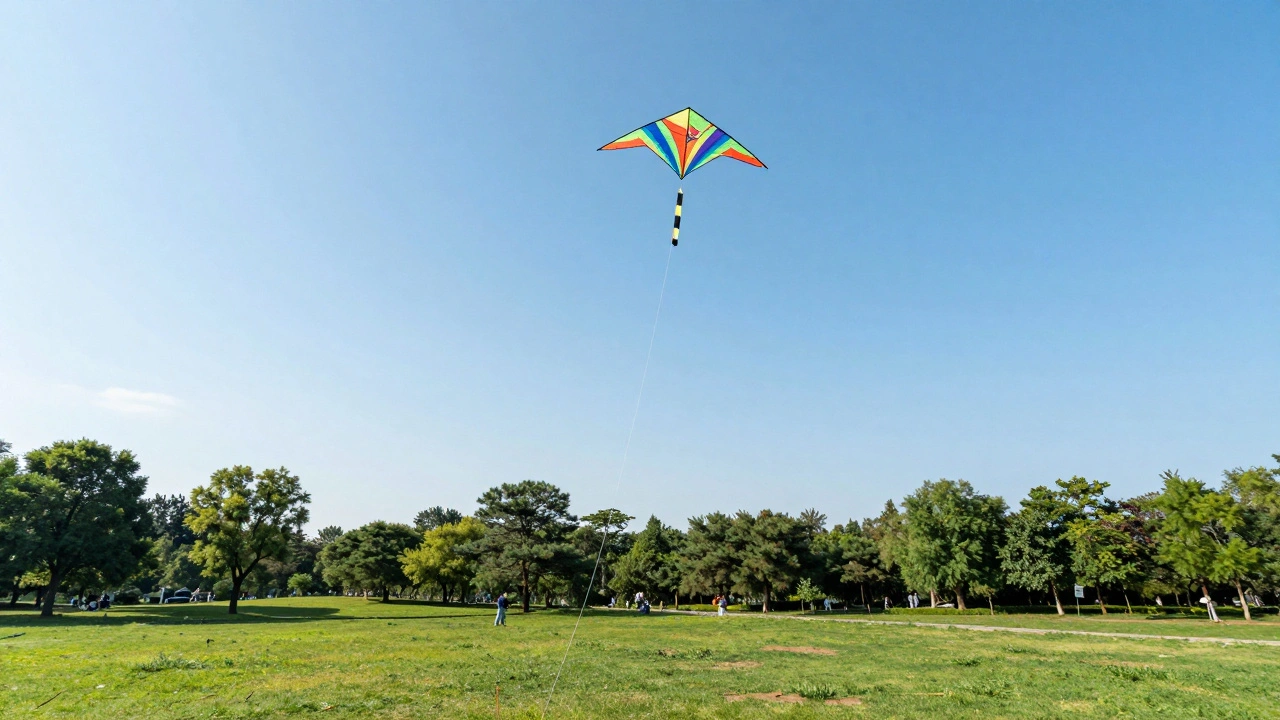
Quick Tips for Picking Your Lines
- Strength: Start with a breaking strength higher than the maximum wind your kite can handle.
- Length: Shorter lines give more control; longer lines provide more lift and distance.
- Material: Go for synthetic fibers like Dyneema for strength without the weight.
- Safety: Always check for frays or knots before every single flight.
Understanding the Basics of Line Strength
Before you buy, you need to know what "strength" actually means in the world of kite flying. When you see a rating on a spool, it's usually referring to the breaking strength, measured in pounds or kilograms. For a beginner, the goal is to have a safety margin. If your kite is designed for winds up to 15 mph, you don't want a line that barely holds at that limit. You want something that can handle a sudden gust of 20 mph without snapping.
When we talk about kite line strength is the maximum amount of tension a line can withstand before it breaks, typically rated in pounds (lbs) or kilograms (kg). Most beginner kites work well with lines rated between 50 and 150 lbs. If you're flying a small delta kite, 50-80 lbs is plenty. However, if you've stepped up to a larger stunt kite or a power kite, you'll want to move toward 100-200 lbs to account for the increased pull.
Think of it like a bridge. You don't build a bridge that can only hold exactly one car; you build it to hold ten, just in case. In kiting, this is your "safety factor." A good rule of thumb is to choose a line with a breaking strength at least twice the expected average pull of the kite in your typical wind conditions.
How Line Length Changes Your Flight
Length isn't just about how far away the kite is; it completely changes how the kite behaves. If your lines are too short, you might struggle to get the kite high enough to hit the steadier, stronger winds found above the ground. If they are too long, the "lag" between your movement and the kite's reaction can make the kite feel sluggish and harder to steer.
For someone just starting, 60 to 100 feet is the sweet spot. This length allows you to feel the kite's movements without feeling overwhelmed by the amount of string you have to manage. As you get more comfortable, you might move to 150 or 200 feet. Just remember that longer lines create more "drag," meaning the wind pushes against the line itself, which can actually pull your kite slightly off course in very high winds.
The relationship between length and wind is a bit of a trade-off. In light winds, longer lines are your friend because they let you reach those higher altitudes where the wind is more consistent. In heavy winds, shorter lines give you more direct control, allowing you to react quickly if the kite decides to dive toward the ground.
| Kite Type | Recommended Strength | Ideal Length | Best Use Case |
|---|---|---|---|
| Single Line Delta | 50 - 100 lbs | 60 - 120 ft | Beach days, light wind |
| Two-Line Stunt | 100 - 200 lbs | 50 - 80 ft | Precise maneuvers, parks |
| Power/Traction | 200 - 500 lbs | 100 - 250 ft | High wind, pulling weight |
Choosing the Right Materials
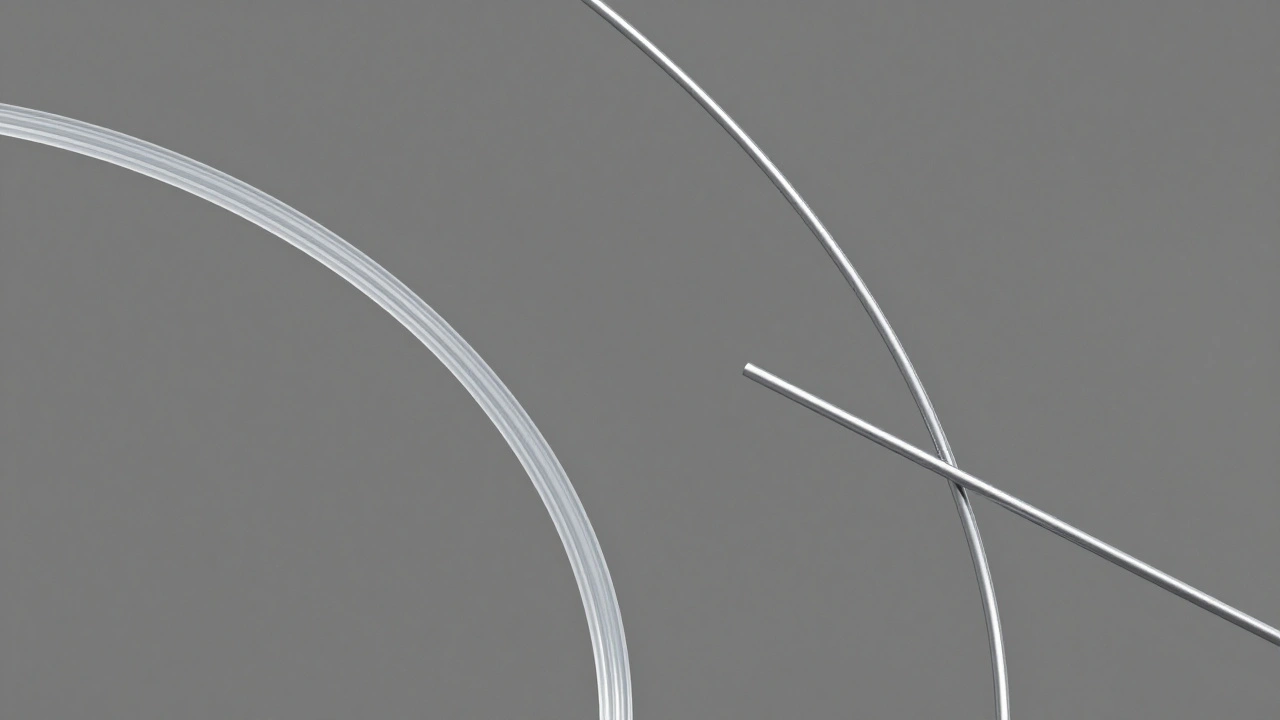
Not all strings are created equal. You'll likely encounter a few different materials, and choosing the wrong one can lead to lines that stretch too much or snap unexpectedly. The most common choice for beginners is Nylon, which is a synthetic polymer known for its elasticity and affordability. Nylon is great because it stretches, acting like a shock absorber when a gust hits the kite. However, that same stretch can make a stunt kite feel "mushy" and unresponsive.
If you want more precision, look for Dyneema (also known as Spectra). This is an ultra-high-molecular-weight polyethylene fiber that is incredibly strong and has almost zero stretch. Because it doesn't stretch, every tiny movement of your hands is instantly transmitted to the kite. The downside? It's more expensive and can be slippery, meaning your knots need to be tied perfectly or they'll slide right open.
Avoid using generic twine or sewing thread from a craft store. These aren't UV-stabilized, meaning the sun will eat through the fibers in a matter of hours, leaving you with a line that looks fine but snaps under the slightest pressure. Always look for lines specifically labeled for kiting, as they are treated to withstand the sun and salt air.
Safety Pitfalls and How to Avoid Them
The biggest danger with kite lines isn't just the line breaking-it's the line itself. A high-strength line under tension can act like a cheese slicer if it catches on your skin. This is why you should never fly a kite near power lines, roads, or crowded areas. If a line snaps and the kite drifts into a power line, do not attempt to retrieve it. The line can conduct electricity, and the risk isn't worth a $20 kite.
Another common mistake is ignoring the "wear and tear" on the line. Every time your line touches the grass, sand, or a concrete sidewalk, it picks up tiny abrasive particles. Over time, these particles act like sandpaper, fraying the fibers from the inside out. If you see "fuzziness" on your line, it's time to trim that section or replace the line entirely.
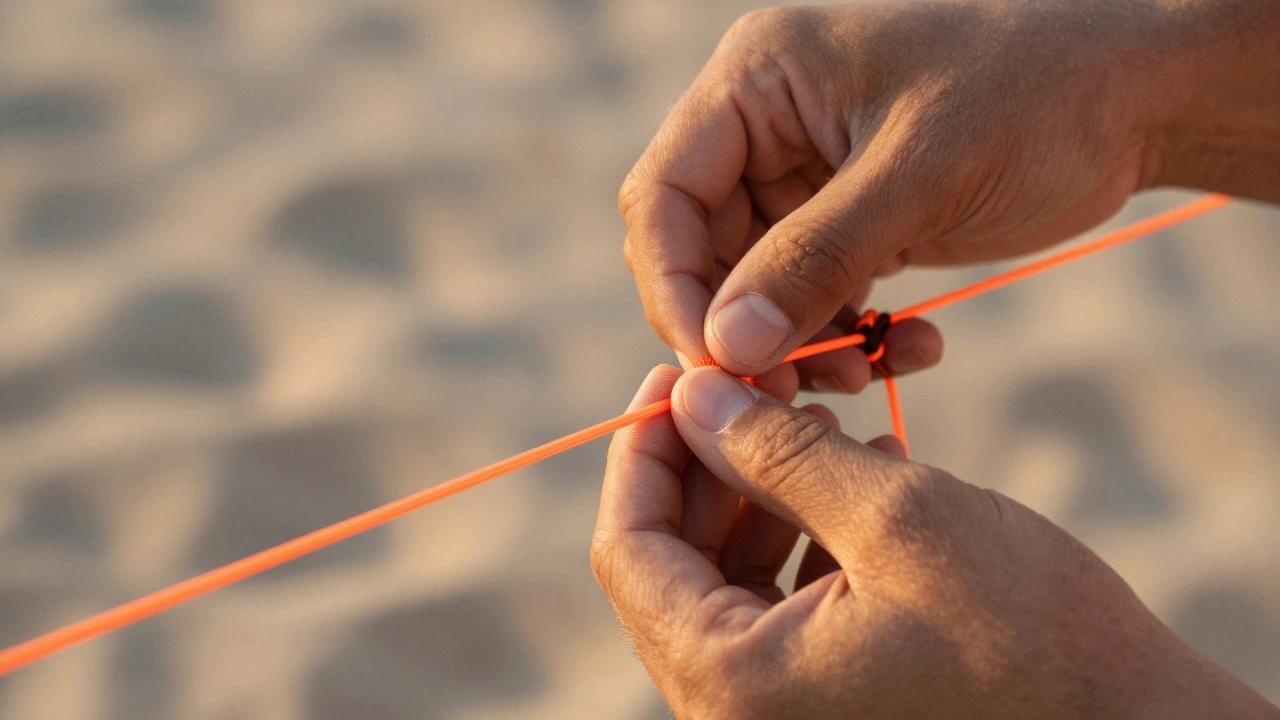
Check your knots. A poorly tied knot creates a "stress point." This is a specific spot where the tension is concentrated. Instead of the load being spread across the whole line, it all hits that one knot, which can reduce the effective strength of your line by 50% or more. Use a trusted knot like the Bowline or a secure Fishermans knot to keep things locked in place.
Practical Steps for Your First Setup
If you're staring at a wall of spools and feel overwhelmed, follow this simple logic. First, check your kite's manual for the recommended line weight. If you don't have a manual, look at the size of the kite. A kite that fits in a small backpack usually needs 50-100 lbs of strength. A kite that's the size of a dining table needs 150 lbs or more.
- Measure your space: If you're flying in a small city park, keep your lines to 60-80 feet to avoid hitting trees or people. If you're on a wide-open beach, go for 100-150 feet.
- Test the tension: Once the kite is up, feel the line. If it feels like a rubber band, you have too much stretch (likely nylon). If it feels like a steel cable, you have low stretch (likely Dyneema).
- Manage the spool: Don't just let the line fly out; keep a slight tension on the spool. This prevents tangles and prevents the line from dipping into the dirt.
Don't be afraid to experiment. You might find that you prefer a slightly longer line for a more relaxed experience, or a shorter line for more aggressive steering. The most important thing is that you feel confident in the strength of your gear so you can focus on the joy of flying.
What happens if my line is too long for the wind?
If the line is too long for light winds, the kite may struggle to stay aloft because there's too much weight and drag on the line. You'll notice the kite dipping or falling more frequently. In this case, shortening your line can actually help the kite fly more stably.
Can I use fishing line for my kite?
Generally, no. While some high-test fishing lines are strong, they are often too stiff or too thin, which can make them cut into your hands or saw through the kite's attachment points. Dedicated kite lines are designed specifically for the aerodynamics and safety requirements of flying.
How do I know if my line is starting to fail?
Run your fingers (carefully) along the line. If you feel any rough patches, small knots, or see a "fuzzy" appearance where fibers have broken, the line is compromised. If you see any discoloration or thinning, replace that section immediately.
Does line color matter?
Color doesn't affect strength, but it does affect visibility. Brightly colored lines (neon orange or yellow) are much easier to see against a blue sky or green field, which helps you avoid tangles and alerts other people that there is a line in the air.
What is the safest way to store my lines?
Always wind your lines back onto the spool neatly. Avoid leaving them in a heap on the ground, as this creates kinks and tangles. Store your spools in a cool, dry place away from direct sunlight to prevent the synthetic fibers from degrading over time.
Next Steps for Your Flight Gear
Once you've mastered your line selection, consider looking into a high-quality kite handle or a harness if you're moving into power kiting. This will take the strain off your wrists and allow you to fly for longer periods without fatigue. If you're flying in coastal areas, remember to rinse your gear with fresh water after a session to remove salt crystals, which can act as an abrasive and weaken your lines over time.