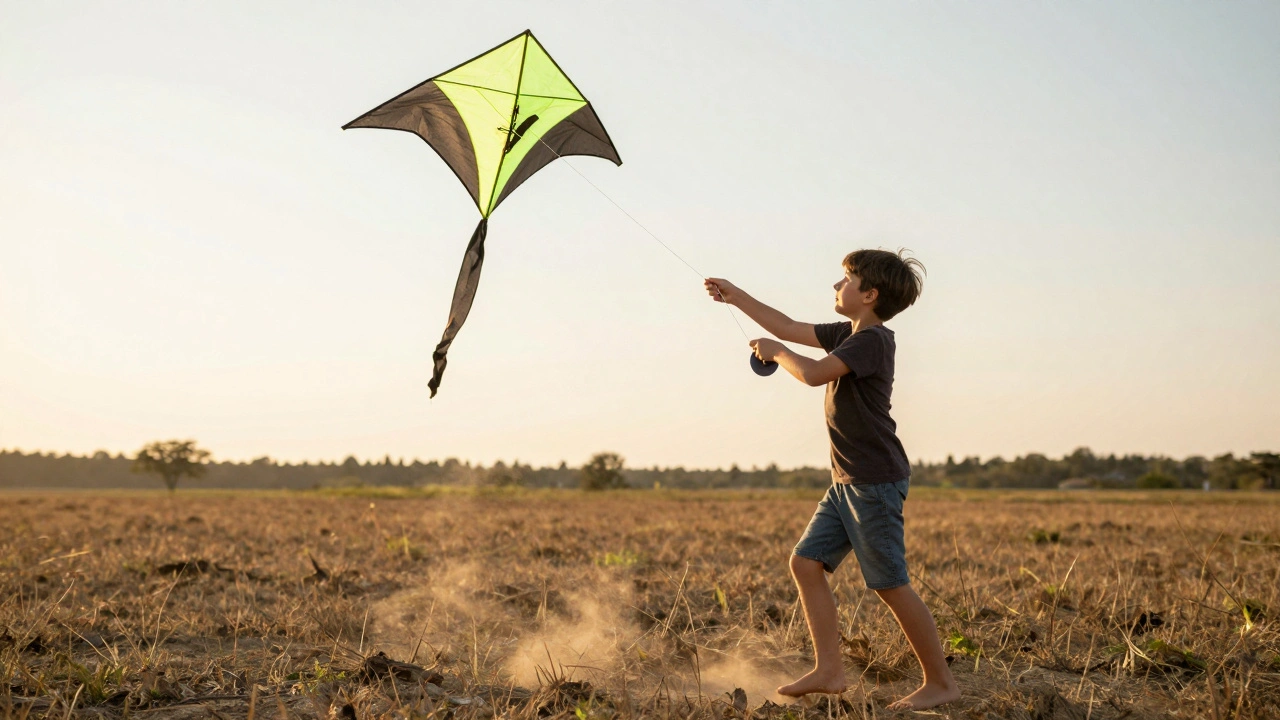
Ever watched a kid chase a kite across a field, eyes locked on the string, hands tugging and releasing just right? That’s not just fun-it’s serious brain and body training. Kite flying might look simple, but it’s one of the most effective, low-tech ways to build hand-eye coordination and fine motor skills. And it’s not just for kids. Adults who fly kites regularly report sharper reflexes, better control over small movements, and even reduced stress. If you’ve ever struggled with catching a ball, typing fast, or threading a needle, kite flying might be the hidden workout you’re missing.
Why Kites Force Your Brain to Work
Hand-eye coordination isn’t just about seeing something and moving your hand. It’s about predicting motion, adjusting in real time, and making tiny corrections without thinking. When you fly a kite, the wind doesn’t behave the same way twice. One moment it’s steady, the next it gusts, drops, or swirls. Your eyes track the kite’s position, your brain calculates how much tension to put on the string, and your fingers adjust-millimeter by millimeter-without you even noticing.
Think about it: you’re not just holding a string. You’re managing a 3D system where the kite’s angle, wind speed, and line tension all interact. That’s why kite flying is often used in occupational therapy for children with developmental delays. It’s more engaging than drills, and it doesn’t feel like work.
The Physical Skills You’re Building
When you fly a kite, you’re using muscles and nerves you didn’t know you were training:
- Fine motor control: Your fingers and thumbs make micro-adjustments to the spool, tightening or loosening the line to keep the kite stable. This is the same skill needed for buttoning shirts, using utensils, or playing an instrument.
- Bilateral coordination: One hand often holds the spool while the other steadies the line or adjusts the tail. This teaches both sides of your body to work together-a key foundation for reading, writing, and sports.
- Visual tracking: Your eyes follow the kite as it dives, loops, or glides. This strengthens the connection between your vision and your motor response, helping with catching, driving, and even reading fluency.
- Reaction time: A sudden gust can send a kite spinning. Your body learns to respond in under a second. Over time, this sharpens reflexes that help in everyday situations like avoiding a stumble or catching a falling glass.
One 2024 study from the University of Oregon tracked 87 children ages 6 to 12 who flew kites for 20 minutes a day, five days a week, over six weeks. Participants showed a 34% improvement in standardized hand-eye coordination tests compared to a control group that did traditional exercises. The biggest gains? In tasks requiring precision under movement-like threading beads or catching a bouncing ball.
It’s Not Just About the Kite
The real magic happens when you add variation. Try flying different types of kites:
- Single-line kites: Best for beginners. They teach basic control and wind reading.
- Dual-line kites: These let you turn, dive, and loop. They demand constant input from both hands and improve fine motor precision.
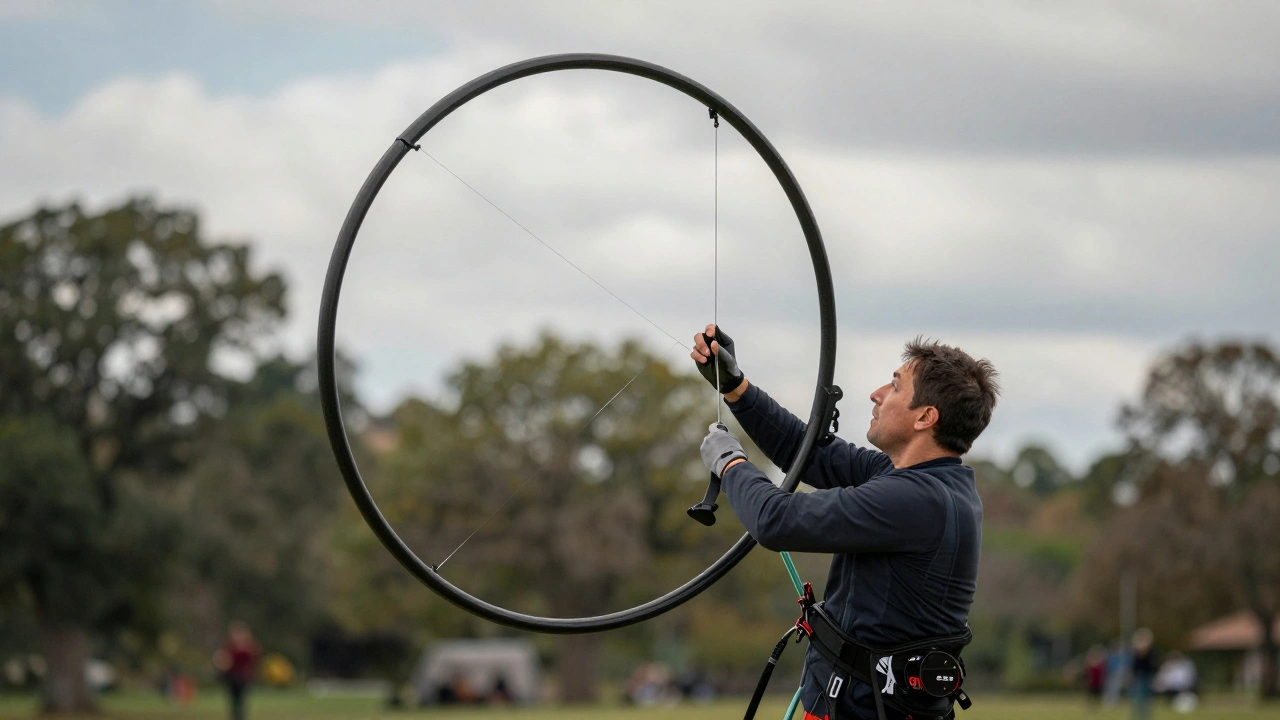
- Quad-line kites: Used by advanced flyers. These are like flying a remote-controlled plane with your fingers. They’re intense, but they build incredible dexterity.
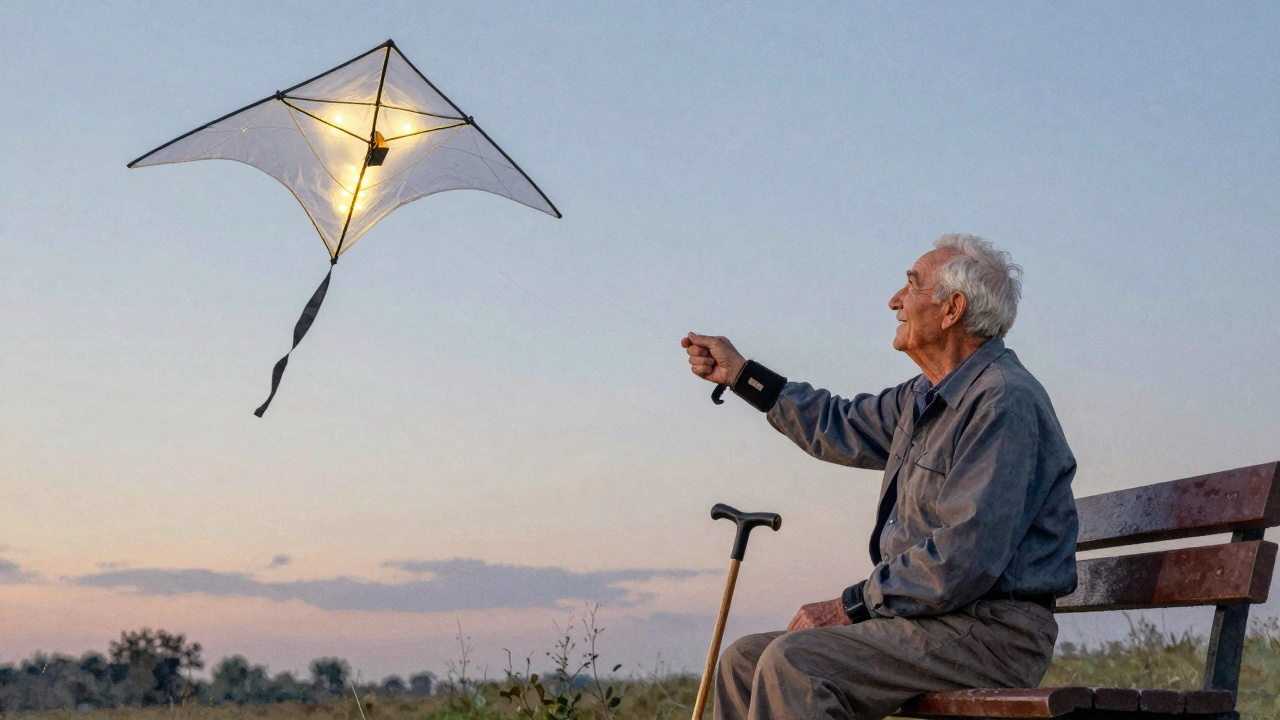
Try flying at different wind speeds. A light breeze forces you to be patient and subtle. A strong wind demands quick, firm corrections. Both are valuable. Some people even fly kites at night with LED lights-adding visual tracking in low-light conditions, which further challenges the brain.
Who Benefits Most?
You don’t need to be athletic or young to get results. Here’s who sees the biggest gains:
- Children: Especially those with ADHD, autism, or fine motor delays. Kite flying gives them a structured, rewarding way to practice control without pressure.
- Older adults: Declining coordination can lead to falls. Regular kite flying helps maintain reflexes and grip strength. One senior center in Portland reported a 40% drop in slips and falls among participants who flew kites twice a week for three months.
- People recovering from injury: After wrist or shoulder surgery, gentle kite flying can rebuild mobility and neural pathways faster than static exercises.
- Anyone stuck at a desk: If you type all day, your hands get stiff. Flying a kite gets your fingers moving in unpredictable, natural ways-like a massage for your nervous system.
How to Start (Without Buying a Fancy Kite)
You don’t need to spend $100. Start simple:
- Grab a basic diamond-shaped kite from a dollar store or make one from paper and bamboo sticks.
- Find an open space-like a park, beach, or empty field. Avoid trees and power lines.
- On a day with light to moderate wind (8-15 mph), let out the line slowly. Let the kite rise on its own.
- When it stabilizes, gently tug and release to keep it dancing. Don’t over-correct. Let it find its rhythm.
- Try 10-15 minutes a day. You’ll notice your hands feel more responsive after just a few sessions.
Pro tip: Use a spool with a thumb grip. It gives you better control than a plastic stick. And wear gloves if your hands get sore. It’s not about how high you fly-it’s about how well you listen to the wind.
Why This Beats Screens and Apps
There are apps that claim to improve hand-eye coordination. But they’re flat. They don’t respond to real wind, real gravity, or real movement. Kite flying does. It’s dynamic, unpredictable, and full of sensory feedback-the kind your brain craves to stay sharp.
Unlike video games, where your hands move in predictable patterns, kite flying forces you to adapt. That’s why it rewires your brain differently. It’s not just about muscle memory-it’s about building a living, breathing connection between what you see and what you do.
| Kite Type | Primary Motor Skill Developed | Best For |
|---|---|---|
| Single-line diamond | Basic tracking and tension control | Children, beginners |
| Dual-line sport kite | Bilateral coordination and precision | Teens, rehab patients |
| Quad-line stunt kite | Advanced dexterity and reaction time | Adults, athletes |
| Box kite (steady flight) | Patience and sustained focus | Seniors, mindfulness practice |
Common Mistakes to Avoid
Many people give up because they think they’re doing it wrong. Here’s what really goes wrong:
- Using too much line too fast: Let the kite climb slowly. Jerking the line makes it crash.
- Flying in dead calm or hurricane winds: Light wind (8-15 mph) is ideal. Too little? The kite won’t lift. Too much? You lose control.
- Ignoring the tail: A tail stabilizes the kite. Skip it, and the kite spins out. It’s not decoration-it’s balance.
- Expecting perfection: Kites fall. That’s normal. The skill is in how quickly you recover.
Real-Life Results
A teacher in Portland started a kite club at her elementary school after noticing kids struggled with handwriting. Within four months, 82% of the students showed improved pencil grip and letter spacing. One boy, who’d never been able to tie his shoes, learned to do it after practicing the fine motor control needed to manage kite string.
And it’s not just kids. A retired mechanic in Eugene started flying kites after a stroke. He told his therapist, “It’s the first time since the accident I felt like my hands still listened to my brain.”
Can adults really improve motor skills by flying kites?
Yes. Motor skills don’t stop developing at age 18. Kite flying engages neural pathways that can weaken with age or inactivity. A 2024 study published in the Journal of Occupational Therapy found that adults over 55 who flew kites for 15 minutes daily for eight weeks improved their fine motor speed by 27% and reaction time by 31%. It’s not magic-it’s repetition with real-world feedback.
Do I need a special kite to see benefits?
No. A simple single-line diamond kite from the dollar store works just fine. The key isn’t the kite-it’s the consistent, mindful movement. Advanced kites offer more challenge, but even a basic one trains coordination. Start simple, then upgrade if you enjoy it.
How often should I fly a kite to improve coordination?
Three to five sessions a week, 10-20 minutes each, is enough to see measurable improvement. You don’t need to fly for hours. Short, focused sessions are better than long, tired ones. Think of it like stretching-you’re not building muscle, you’re sharpening neural connections.
Is kite flying safe for people with joint problems?
Generally, yes. Kite flying is low-impact and allows you to control the level of effort. Use a spool with a wrist strap if you have wrist pain. Avoid heavy kites or strong winds if you have shoulder or elbow issues. Many physical therapists recommend it as a gentle way to rebuild mobility after injury.
Can kite flying help with focus and attention?
Absolutely. The rhythm of watching the kite, adjusting the line, and reading the wind creates a meditative state. It’s similar to mindfulness practices but with physical feedback. A 2025 pilot study at Oregon Health & Science University found that participants who flew kites daily for four weeks reported 40% less mental fatigue and improved concentration at work.
What Comes Next?
If you’ve tried flying a kite and felt your hands respond differently-lighter, quicker, more precise-you’re already on the path. The next step? Try flying with a friend. Take turns. Race. Try flying two kites at once. Add a tail that flutters. Change the wind you’re flying in. Each variation keeps your brain engaged.
And if you’re looking for more ways to build motor skills outdoors, consider juggling, hula hooping, or even throwing a frisbee. But start with the kite. It’s quiet, cheap, and it doesn’t ask for anything except your attention. And sometimes, that’s all your hands need to remember how to move.