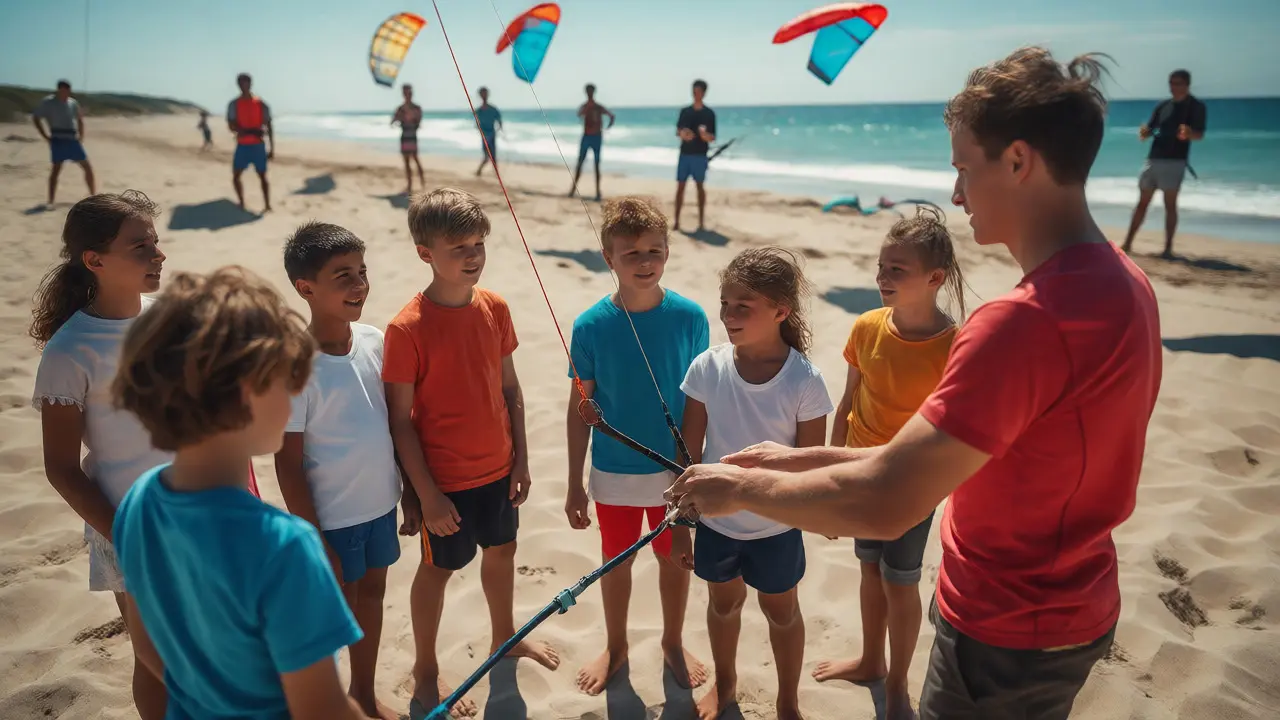
Ever watched a kid struggle to launch a kite while their friends are already riding the waves? It’s frustrating for everyone. The parent worries about safety, the instructor shouts over the wind, and the child just wants to feel that pull of the harness. That gap between interest and competence is exactly where youth programs in kite clubs bridge the divide between casual play and structured progression through mentorship, camps, and certifications. If you’re looking to get your teenager into kitesurfing or power kiting, you aren’t just buying lessons; you’re investing in a community structure that keeps them safe and motivated.
The Mentorship Model: Why One-on-One Beats Group Lessons
Let’s be real: teaching a twelve-year-old to control a 9-meter kite is not like teaching an adult to drive a car. Kids learn by doing, failing, and trying again quickly. Adults often overthink it. This is why the best kite club mentors focus on intuitive learning and risk management rather than rigid academic theory. A good mentor doesn’t just correct your stance; they read the wind shifts before you do. They know when to tell a student to pack up because the gusts are getting too strong for their weight class.
In many established clubs, particularly those affiliated with the International Kiteboarding Organization (IKO) which sets global standards for instruction and certification levels, mentorship is tiered. You start with a Level 1 instructor who handles basics. But as your child progresses, they might be paired with a senior club member-a volunteer or paid coach-who has logged thousands of hours on the water. This relationship matters. It provides role models. When a teen sees a twenty-year-old executing perfect air grabs, they have a tangible goal. It’s not abstract; it’s achievable.
However, not all mentors are created equal. Look for clubs that vet their volunteers. Ask if the mentors have background checks, especially if they work with minors unsupervised during camp hours. In Portland, for example, local clubs often partner with schools to ensure coaches meet state educational requirements. Don’t assume passion equals qualification. Check for specific credentials like Red Cross First Aid certification combined with advanced rescue training.
Kite Camps: Structured Fun or Just Childcare?
Camps are the entry point for most families. They offer a controlled environment where kids can socialize while learning. But there’s a massive difference between a "kite camp" that spends four hours talking about wind theory and one that gets kids in the water every day. You need to scrutinize the schedule. A quality youth kite camp balances physical activity, safety drills, and progressive skill building in small groups should cap instructor-to-student ratios at 1:4 for beginners. Anything higher, and your kid is likely watching someone else fly the kite.
Consider the logistics. Does the camp provide gear? Most don’t. Kite gear is expensive, and renting daily adds up fast. Some clubs offer subsidized rental packages for campers. Ask about this upfront. Also, check the age breakdowns. Mixing a seven-year-old with a fifteen-year-old rarely works well. The older kids want speed; the younger ones need help launching. Good camps separate these cohorts strictly.
Another red flag? Lack of weather protocols. Wind is unpredictable. A reputable camp will have clear cancellation policies and alternative indoor activities if conditions are unsafe. I’ve seen camps push kids out in 30-knot winds because "it’s good practice," resulting in blown-out kites and minor injuries. Safety first, always. If the staff seems hesitant to cancel due to wind spikes, walk away.
Navigating Certifications: IKO vs. VDWS vs. BKSA
You’ll hear acronyms thrown around constantly. IKO is the most widely recognized international body for kiteboarding education, but it’s not the only player. VDWS is a European standard highly respected for its rigorous technical testing, and BKSA (British Kite Sailing Association) offers a robust framework popular in the UK and increasingly elsewhere. Which one does your child need?
For most US-based clubs, IKO is the default. Their card system allows riders to rent gear worldwide without proving skills repeatedly. But here’s the catch: passing Level 3 IKO doesn’t mean your kid is ready for solo sessions. It means they can handle basic self-rescue and upwind riding. Real-world readiness comes from experience, not paper. Still, having that card opens doors at beach rentals and other clubs. It signals to other riders that your child understands right-of-way rules and safety zones.
Some parents obsess over reaching Level 5 quickly. Don’t rush it. Level 5 involves complex maneuvers like jumps and board-offs. If a child hasn’t mastered consistent upwind riding at Level 3, pushing to Level 5 leads to bad habits. Bad habits take years to unlearn. Focus on mastery, not milestones.
| Feature | IKO | VDWS | BKSA |
|---|---|---|---|
| Global Recognition | High (Worldwide) | High (Europe-focused) | Moderate (UK/EU) |
| Curriculum Style | Modular, practical | Rigorous, technical | Progressive, safety-heavy |
| Best For | Traveling riders, general use | Technical precision seekers | Structured progression |
| Cost Structure | Per-level fees + card fee | Exam fees included | Membership based |
Safety Culture: Beyond the Helmet
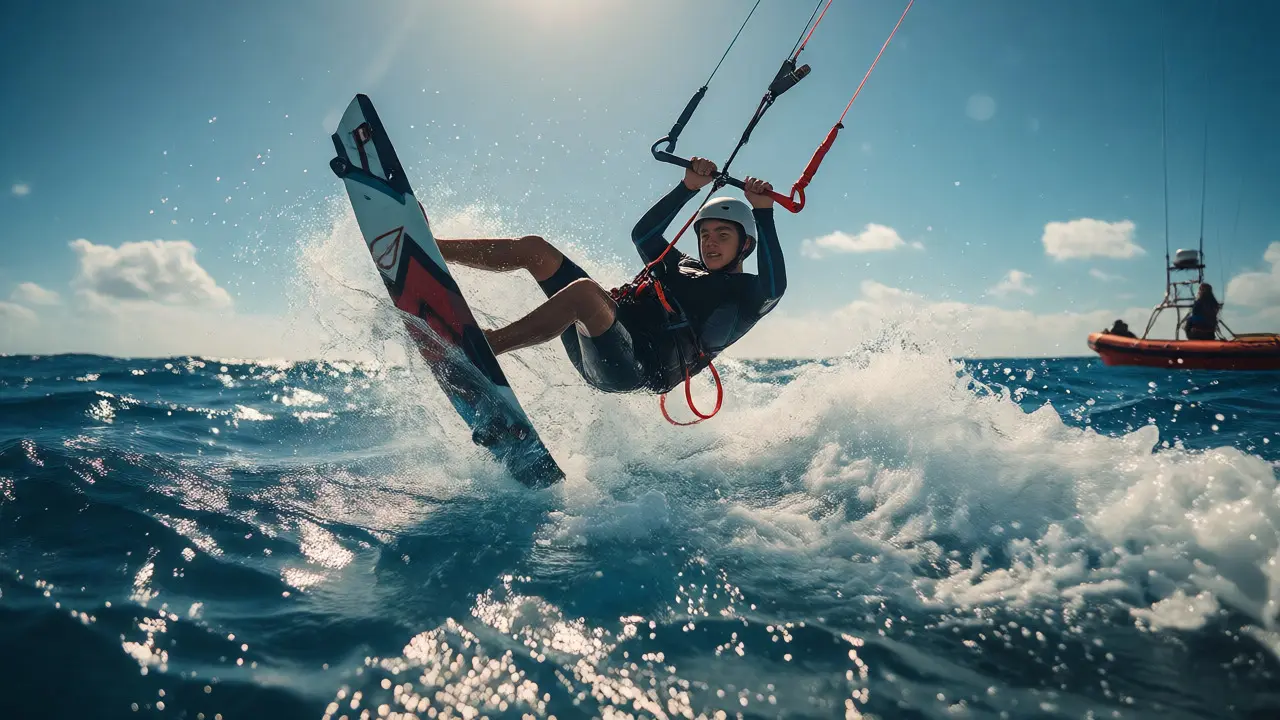
Youth programs thrive or die based on their safety culture. It’s not just about wearing helmets and impact vests. It’s about situational awareness. Young riders often tunnel-vision on their tricks, ignoring downwind hazards. Effective programs integrate kite safety drills such as rapid depower, quick-release activation, and swimming with a kite into every session, not just the first week.
Look for clubs that emphasize "downwinder" responsibility. Who watches the student from shore? Is it a certified lifeguard or a trained spotter? At busy spots, spotters are critical. They communicate via radio or hand signals to let instructors know when a rider needs assistance. Ask how the club handles emergencies. Do they have a dedicated rescue boat? Is there a direct line to local emergency services? These details reveal how seriously they take risk management.
Also, consider the social aspect of safety. Peer pressure drives risky behavior. A strong club culture encourages riders to speak up if they see something dangerous. Create a norm where calling out a bad landing zone is respected, not mocked. This cultural shift protects everyone, regardless of certification level.
Financial Reality: Hidden Costs of Youth Kiting
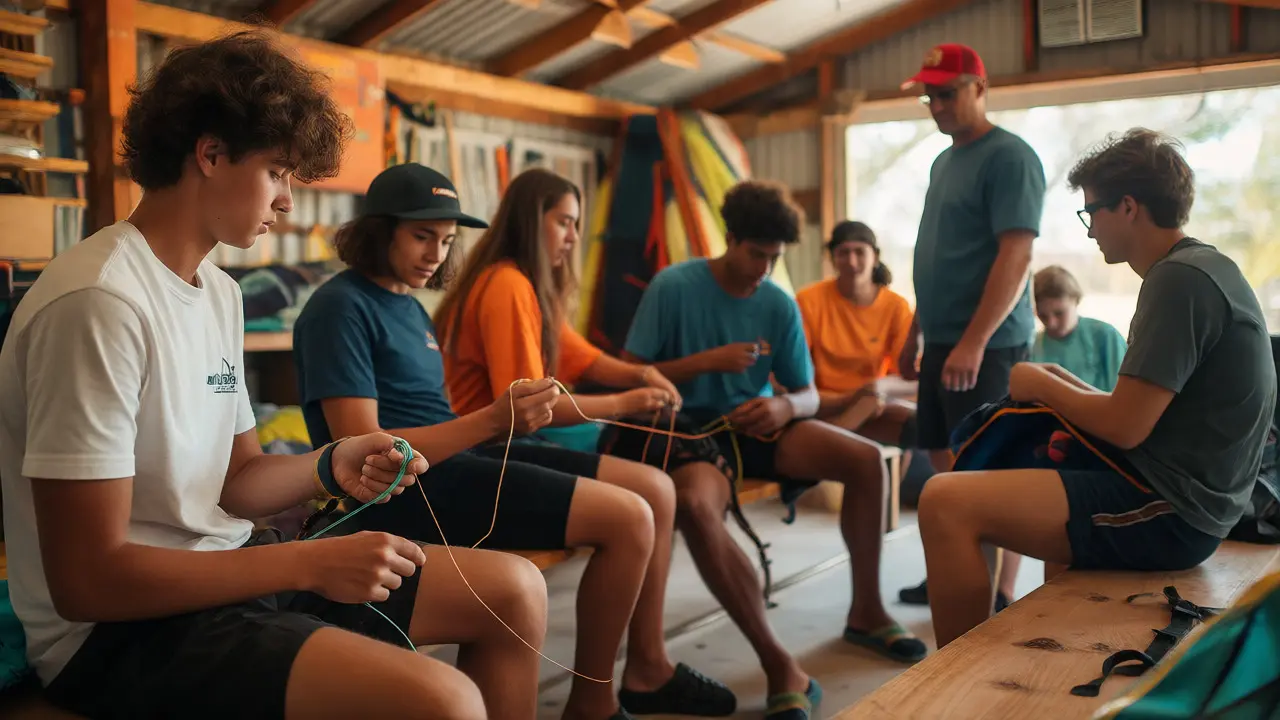
Let’s talk money. Tuition isn’t the only expense. Gear replacement is inevitable. Lines snap, kites tear, boards crack. Budget for repairs. Many clubs offer repair workshops, which are great educational opportunities. Kids learn how their equipment works by fixing it themselves. This fosters ownership and care.
Travel costs add up too. If the nearest flat-water lagoon is two hours away, fuel and accommodation become significant factors. Some clubs organize carpools or subsidized trips for members. Ask about these perks. Additionally, insurance is non-negotiable. Standard homeowner’s policies often exclude high-risk sports like kitesurfing. You’ll need specialized sports liability insurance. Check if the club requires proof of coverage before allowing participation. Skipping this step leaves you financially exposed if an accident occurs.
Choosing the Right Club: A Checklist
Before signing up, visit the club during a typical youth session. Watch the interactions. Are instructors patient? Do they explain concepts clearly? Or do they shout commands? Observe the students. Are they smiling? Are they helping each other? A toxic competitive atmosphere harms progress more than poor wind conditions.
- Vet the Instructors: Verify current certifications and first aid status.
- Inspect the Gear: Check for wear and tear on school kites. Old gear fails faster.
- Ask About Ratios: Ensure beginner classes have no more than 4 students per instructor.
- Review Safety Protocols: Request the emergency action plan.
- Talk to Parents: Get references from current members about communication and value.
If the club hesitates to share these details, keep looking. Transparency builds trust. And in youth sports, trust is everything.
What is the ideal age to start youth kite programs?
Most clubs accept children starting at age 8 or 9, provided they weigh at least 60-70 pounds. Weight matters more than age because lighter riders struggle to generate enough pull to control larger kites. However, some specialized camps introduce ground handling and theory to kids as young as 6 using smaller trainer kites.
Do youth certifications expire?
No, IKO and similar cards generally do not expire. However, skills degrade without practice. Many clubs recommend refresher courses if a rider hasn't been on the water in over six months. Some rental shops may require a recent lesson or logbook verification if the card is old and unused.
Is kitesurfing safer than skateboarding for teens?
Statistically, kitesurfing has a lower injury rate per hour of activity compared to contact sports like football or soccer, largely due to strict safety protocols and low collision rates. However, injuries tend to be more severe when they occur. Proper supervision and gear significantly mitigate risks.
Can adults join youth programs?
Usually, no. Youth programs are designed for peer interaction and age-appropriate pacing. Adults typically join separate adult clinics or private lessons. Mixing ages can slow down progression for both groups due to differing physical strengths and social dynamics.
How much does a full youth kite kit cost?
A new youth setup (kite, bar, lines, board, harness, wetsuit) ranges from $1,500 to $3,000. Used gear can cut this in half, but inspection is crucial. Rental packages for camps often include gear for an additional $50-$100 per day, making short-term entry affordable.