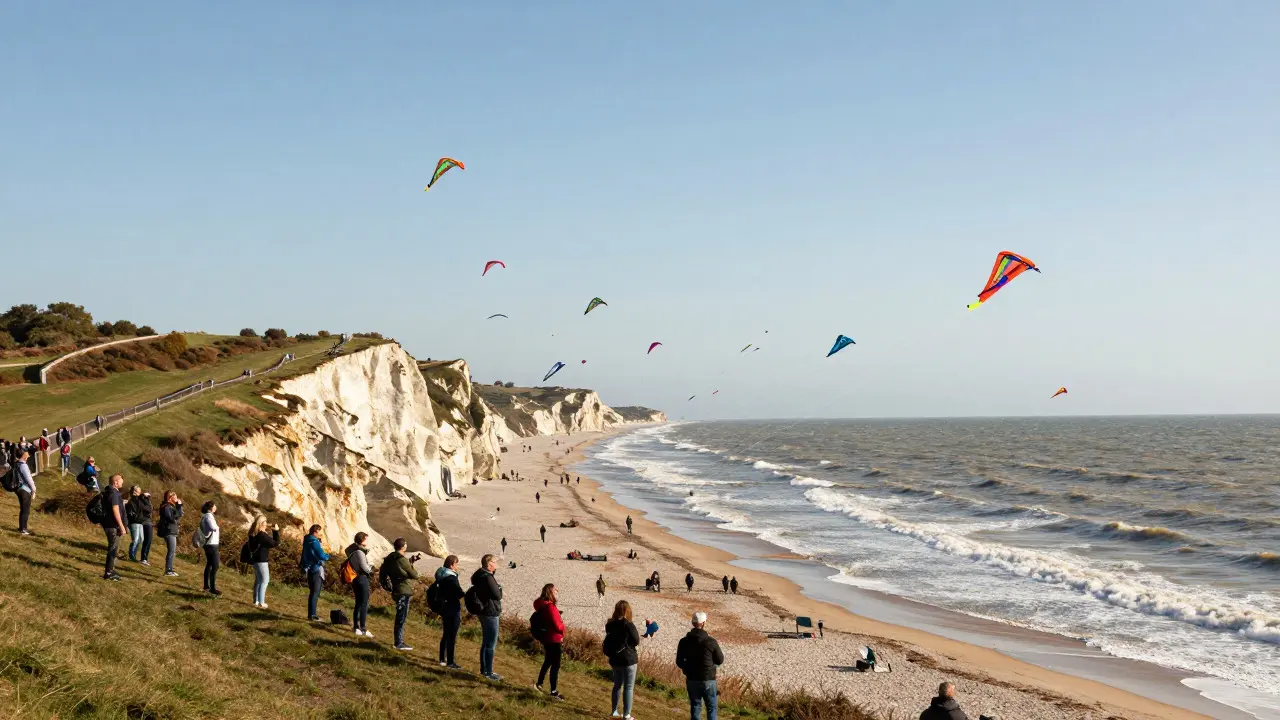
Imagine standing on the windswept cliffs of the Adriatic coast in late September. The air is crisp, carrying the salt spray from the sea below. Above you, hundreds of colorful shapes dance against a pale blue sky. This isn't a modern drone show or a commercial advertisement. It is Aquilone, the Italian tradition of kite flying that has rooted itself deeply in the culture of coastal towns like Bari, Ancona, and Rimini. For many visitors, this scene looks like a party. But for the locals and the artisans who craft these objects, it is a ritual passed down through generations, blending engineering, art, and community spirit.
The word "Aquilone" comes from the Latin "aquila," meaning eagle. Historically, these weren't just toys for children. In the 18th and 19th centuries, they were used by scientists to measure wind speed and altitude. Today, while the scientific purpose has faded, the cultural weight remains heavy. If you are looking to understand the soul of Italian leisure, you have to look up at the sky during the autumn months.
The Heart of the Tradition: Why Autumn?
You might wonder why all the major events happen between September and November. It’s not arbitrary. The Adriatic Sea creates specific meteorological conditions during this period. As the temperature drops, pressure systems shift, creating steady, reliable winds known as the "Scirocco" or seasonal gusts. These winds are strong enough to lift heavy, intricate structures but stable enough to allow for precise control.
In contrast, summer winds can be erratic and dangerous, often leading to crashes. Winter brings rain and fog. So, autumn becomes the sweet spot. Towns prepare for months in advance. Local associations, often called "circoli aquilonisti," start organizing logistics. They coordinate with local municipalities to secure beach access and set up safety zones. This coordination ensures that the thousands of participants don't collide in the air, a feat that requires strict adherence to flight altitudes and designated sectors.
Artisan Workshops: Where Wood Meets Wind
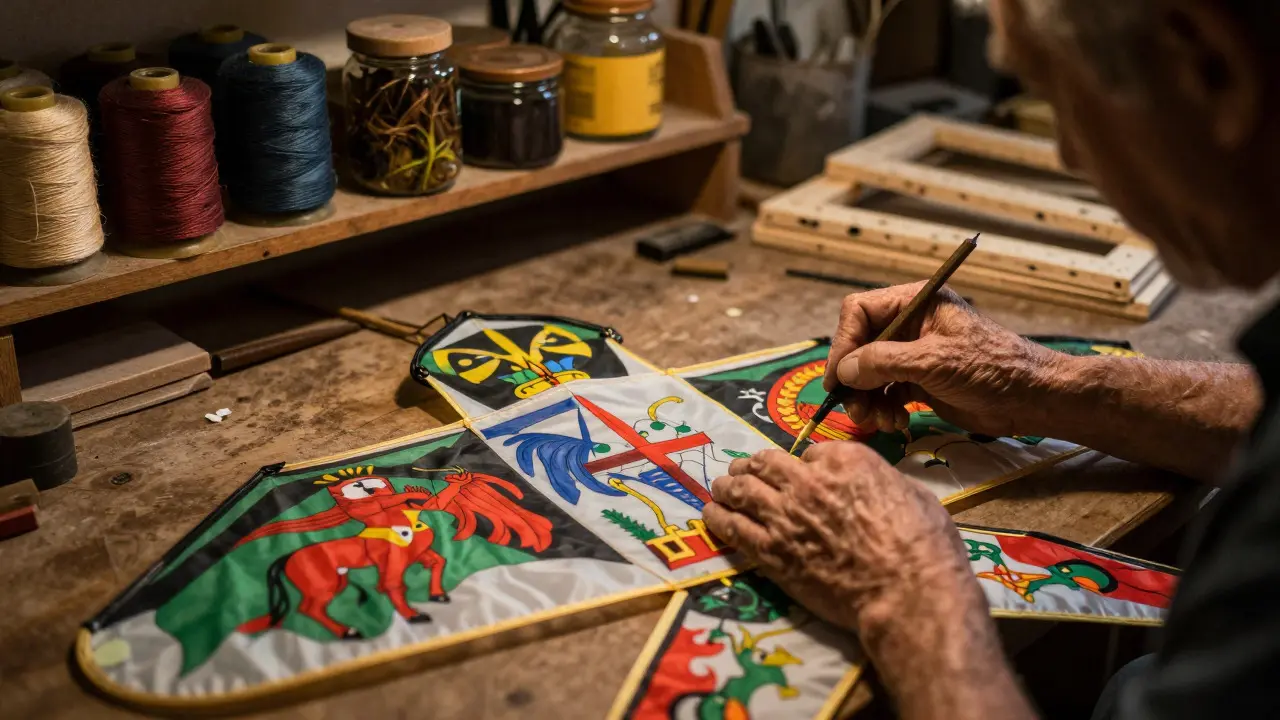
To truly appreciate an traditional Italian kite, you need to see how it’s made. Walk into a workshop in Puglia or Marche, and you’ll smell cedar wood, glue, and fabric paint. The craftsmanship here is distinct from mass-produced plastic kites found in toy stores. An artisan uses lightweight hardwoods, typically balsa or basswood, for the frame. These woods offer the perfect balance of strength and flexibility, allowing the kite to bend in high winds without snapping.
The surface is usually made from silk or high-quality nylon. Silk was the original choice because of its durability and ability to hold vibrant dyes. Today, many makers use ripstop nylon for practicality, but purists still prefer natural fibers. The painting process is where the artistry shines. Many designs feature heraldic symbols, religious icons, or abstract patterns inspired by local folklore. A single large kite can take over 40 hours to complete, from cutting the frame to applying the final coat of varnish.
| Feature | Traditional Artisan Kite | Modern Commercial Kite |
|---|---|---|
| Frame Material | Basswood or Cedar | Fiberglass or Carbon Fiber |
| Covering | Silk or Cotton Canvas | Polyester or Ripstop Nylon |
| Construction Time | 20-50+ hours | Mass-produced (minutes) |
| Customization | Full custom painting/design | Limited color options |
| Lifespan | Generations (with care) | 1-3 years |
Major Adriatic Events: A Calendar of Color
The calendar is packed with significant gatherings, each with its own personality. You cannot talk about Italian kite culture without mentioning the Festival dell'Aquilone in various coastal towns. While dates shift slightly year to year, the core events remain consistent landmarks for enthusiasts.
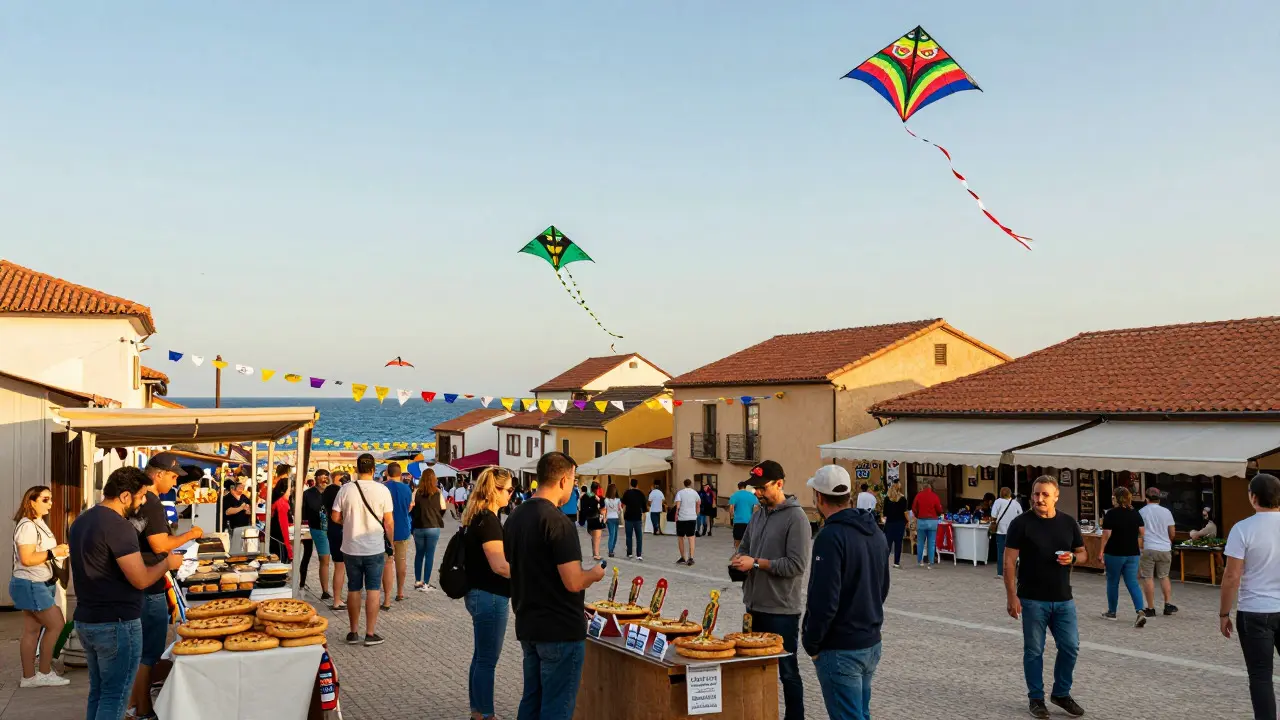
- Bari, Puglia: Known for its massive scale, this event attracts thousands of flyers. The beach stretches long enough to accommodate hundreds of simultaneous launches. The atmosphere is festive, with food stalls selling local specialties like focaccia and olive oil alongside kite supplies.
- Ancona, Marche: This city focuses heavily on artistic expression. The competitions here often judge kites based on aesthetic value and historical accuracy, not just flight performance. It’s less about who flies highest and more about who tells the best story through their design.
- Rimini, Emilia-Romagna: Being a major tourist hub, Rimini blends the traditional with the modern. You’ll see classic box kites flying next to giant inflatable characters. It’s a great place for beginners to observe different styles side-by-side.
During these events, the sound is as important as the sight. Traditional kites often have paper strips attached to the tail that rattle in the wind. Some artisans attach small bells or whistles. The result is a symphony of chimes and rustling that echoes off the cliffs. Locals say that if you close your eyes, you can tell which part of the beach is active just by listening to the rhythm of the tails.
The Social Fabric: More Than Just Flying
Kite flying in Italy is rarely a solitary activity. It is a social lubricant. When you attend an artisan workshop or a festival, you’re joining a community. Veterans mentor newcomers, helping them calculate line lengths and understand wind vectors. There’s a strong sense of stewardship; older artisans worry about the loss of techniques if younger generations don’t learn the craft. This fear drives many workshops to offer free introductory sessions for children.
The economic impact is also tangible. During peak festival weeks, local hotels book out early. Restaurants see increased traffic, and souvenir shops sell hand-painted miniatures of popular kite designs. For small towns, this influx of tourists provides a crucial boost to the local economy, especially in regions where agriculture is the primary industry. It turns a hobby into a pillar of regional identity.
Getting Involved: Tips for Visitors
If you plan to visit one of these events, preparation matters. First, check the weather forecast closely. Even in autumn, sudden storms can cancel flights. Second, respect the airspace rules. Each sector has a designated altitude limit. Flying too high can cause collisions, which is both dangerous and frowned upon by the community. Bring binoculars; watching from the ground gives you a better perspective on the intricate details of the designs than trying to track them with the naked eye.
Consider booking a workshop session before you arrive. Many artisans offer half-day experiences where you can build a simple diamond kite under supervision. It’s a tactile way to connect with the culture. You’ll leave with a kite that you built yourself, along with a deeper appreciation for the hours of work that go into the larger pieces you saw flying overhead.
Frequently Asked Questions
What is the best time of year to visit Italian kite festivals?
The ideal time is between mid-September and late October. This period offers the most consistent winds required for safe and impressive kite flying. Avoid August, as winds are often too weak or unpredictable for large structures.
Can beginners join artisan workshops?
Yes, most workshops welcome beginners. Sessions are designed to teach basic construction techniques using simple materials. No prior experience is needed, and instructors provide all necessary tools and guidance.
Are there specific rules for flying kites at these events?
Yes, strict rules apply to ensure safety. Flyers must stay within their assigned sector and adhere to maximum altitude limits. Line length is often regulated, and loud music near launch zones is discouraged to maintain focus on wind conditions.
What makes Italian kites different from other international styles?
Italian kites emphasize artistic detail and historical continuity. Unlike sport-focused kites from other regions, Italian designs often feature complex painted imagery and traditional materials like silk and wood, reflecting local heritage rather than just aerodynamic efficiency.
Do I need to buy a kite to participate in the festivals?
Not necessarily. Many festivals rent out standard kites for a daily fee. However, if you want to fly a unique or large-scale kite, purchasing from a local artisan is recommended. Rentals are suitable for casual observation and short-term flying.