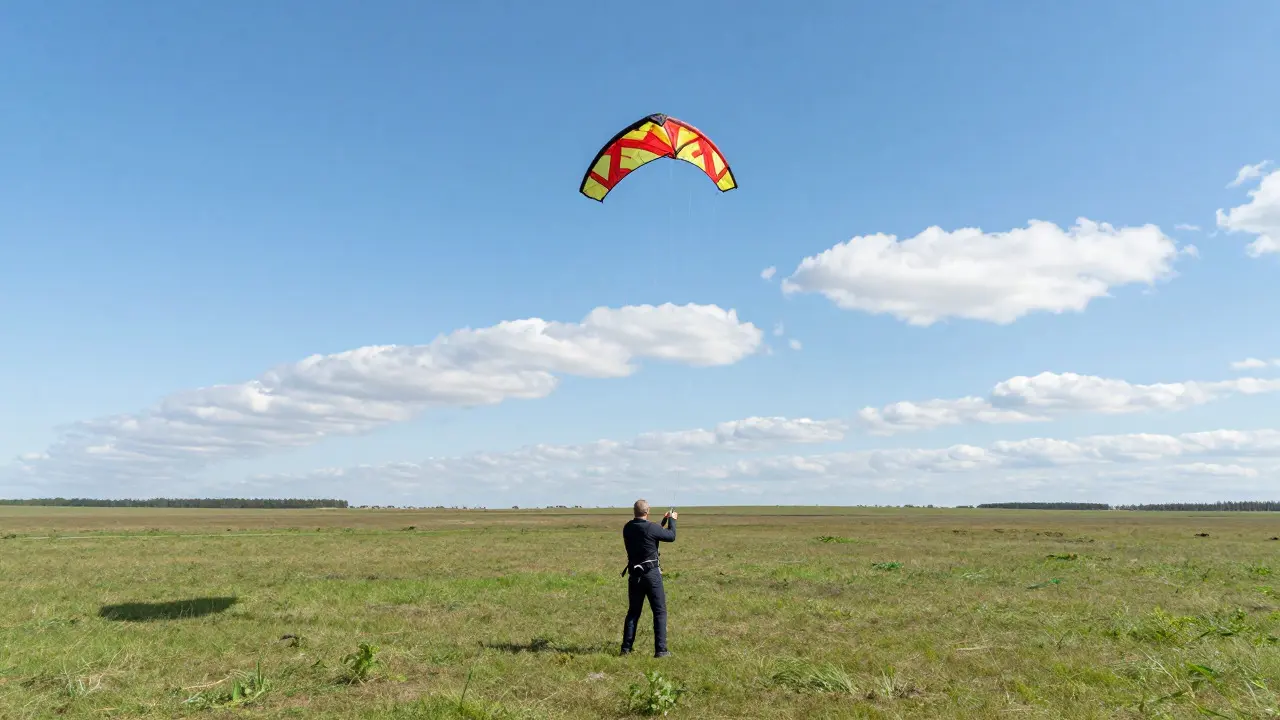
Ever watched a dual-line stunt kite dance through the wind and wondered how those pilots actually get ranked? The answer lies with the World Kite Federation, or WKF, which sets the global rules for competitive kiting. If you are looking to compete internationally, understanding their specific classes and scoring systems is not just helpful; it is mandatory. This guide breaks down exactly how the WKF structures its competitions, what the different categories mean, and what you need to know to stand out on the field.
The Role of the World Kite Federation in Global Kiting
The World Kite Federation acts as the governing body for sport kiting at the international level. While local clubs might have their own informal rules, the WKF standardizes how events are run across continents. This ensures that a pilot flying in Australia can compete against someone from Brazil on a fair playing field. The federation oversees major events like the World Championships and sets the technical requirements for equipment used in sanctioned races and freestyle sessions.
One key aspect of their role is defining what counts as "sport" kiting versus recreational flying. In professional settings, consistency, difficulty, and execution matter more than just keeping the kite in the air. The WKF works closely with national associations to enforce these standards, ensuring that judges apply the same criteria whether they are watching a competition in the Netherlands or in China.
Understanding the Main Competition Classes
Not all kite competitions look the same. The WKF categorizes events into distinct classes based on the type of kite and the nature of the performance. Here are the primary divisions you will encounter:
- Dual Line Stunt (DLS): This is the most popular class for beginners and intermediates. Pilots use two lines to control the kite's position and speed. Competitions focus on tricks like loops, rolls, and figure-eights within a timed window.
- Quad Line (Four-Line) Freestyle: These kites offer more precise control because the pilot has four lines. Events often involve racing against the clock or performing choreographed routines set to music.
- Twin Tip Power Kiting: Common in water-based disciplines like kitesurfing, but also present in land-based slalom or wave riding competitions. The focus here is on speed, maneuverability, and handling strong winds.
- Speed Racing: A niche but intense category where pilots attempt to break speed records using specialized high-performance kites. The goal is pure velocity over a measured distance.
Each class has specific equipment restrictions. For instance, in DLS, the kite must be able to fly in winds ranging from 10 to 25 knots. If your gear isn't certified or doesn't meet the aerodynamic standards set by the WKF, you might be disqualified before you even launch.
Scoring Systems and Judging Criteria
How do judges decide who wins? It is rarely about who flies the highest. Instead, the WKF uses a point-based system that evaluates three main factors: difficulty, execution, and originality.
- Difficulty: Judges assess how hard the trick was to perform given the wind conditions. A simple loop in light air scores less than a complex spiral in gusty winds.
- Execution: This covers precision. Did the kite stay centered? Were the lines tight? Any wobble or loss of control deducts points.
- Originality: Standing out matters. Repeating a common move yields fewer points than creating a new sequence or combining moves in an unexpected way.
In timed events, such as the one-minute round, pilots have exactly 60 seconds to impress the panel. Every second counts, so pacing is critical. You don't want to burn out in the first ten seconds and have nothing left for the final stretch.
Equipment Regulations and Safety Standards
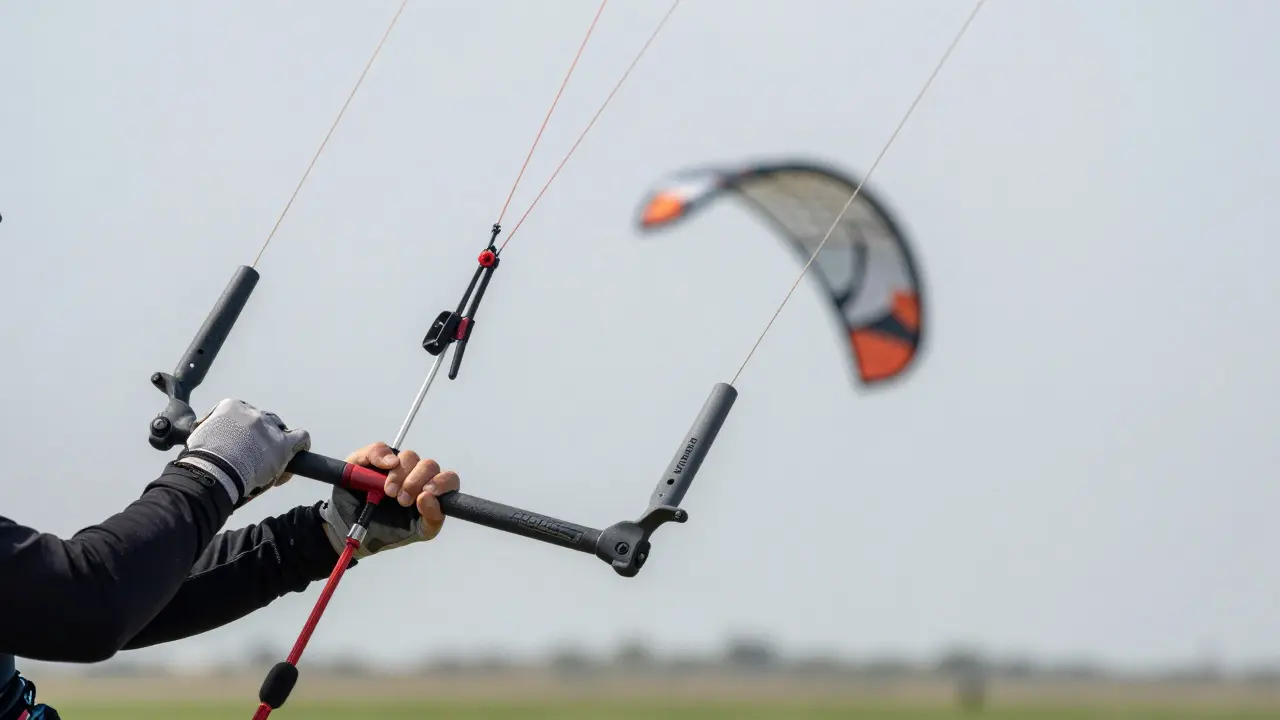
Safety is non-negotiable in organized competition. The WKF mandates specific safety protocols for both pilots and spectators. All competing kites must have easily accessible quick-release mechanisms. This allows a pilot to drop the kite instantly if it gets tangled or if the wind shifts dangerously.
Additionally, line materials are regulated. Most international events require lines made of Dyneema or similar low-stretch synthetic fibers. These materials provide the necessary strength without excessive weight. Using unauthorized line types can result in disqualification, so always check the event handbook before packing your bag.
| Class Type | Primary Focus | Typical Wind Range | Equipment Requirement |
|---|---|---|---|
| Dual Line Stunt | Tricks and Maneuvers | 10-25 knots | Two-line delta or bow kite |
| Quad Line Freestyle | Precision and Choreography | 8-30 knots | Four-line rigid wing |
| Speed Racing | Maximum Velocity | 15-40 knots | Specialized speed kite |
Preparing for International Events
If you plan to attend a WKF-sanctioned event, preparation goes beyond just practicing tricks. You need to understand the local weather patterns and have backup gear ready. Wind is unpredictable, and having multiple kite sizes ensures you can fly in varying conditions.
Furthermore, registering with your national association is usually required to gain entry to international tournaments. This process verifies your skill level and insurance coverage. Once registered, you receive a pilot card, which serves as your ID at the competition venue. Keep this safe; losing it can delay your check-in significantly.
Common Mistakes New Competitors Make
Even experienced flyers stumble when entering the competitive arena. One frequent error is ignoring the wind direction during setup. Always check the flag or smoke to determine the exact angle before launching. Flying into the wind requires different technique than flying crosswind, and mixing them up can lead to crashes.
Another mistake is underestimating the importance of rest. Competition days are long, and fatigue leads to sloppy line management. Take breaks between rounds to keep your reflexes sharp. Finally, don't forget to hydrate. Flying in open fields under the sun is physically demanding, and dehydration affects your judgment as much as your stamina.
Frequently Asked Questions
What is the minimum age to compete in WKF events?
There is no strict global minimum age, but most international events require competitors to be at least 16 years old. Younger pilots can participate in junior categories if approved by their national association and accompanied by a guardian.
Can I use any brand of kite in a WKF competition?
Yes, provided the kite meets the technical specifications for the class. There are no brand exclusions, but the kite must pass inspection for line integrity and frame stability before the event starts.
How many judges are typically present at a competition?
Most standard events have a panel of three to five judges. Each judge scores independently, and the highest and lowest scores are often dropped to calculate the final average, reducing bias.
What happens if the wind drops below the minimum requirement?
The event may be paused or rescheduled. Organizers monitor wind speeds continuously, and if conditions fall outside the safe range for the specific class, flights are suspended until the wind picks back up.
Do I need special insurance to fly competitively?
Yes, liability insurance is mandatory for all registered competitors. Your national association usually provides group coverage, but you should verify the limits to ensure you are protected against potential property damage or injury to spectators.