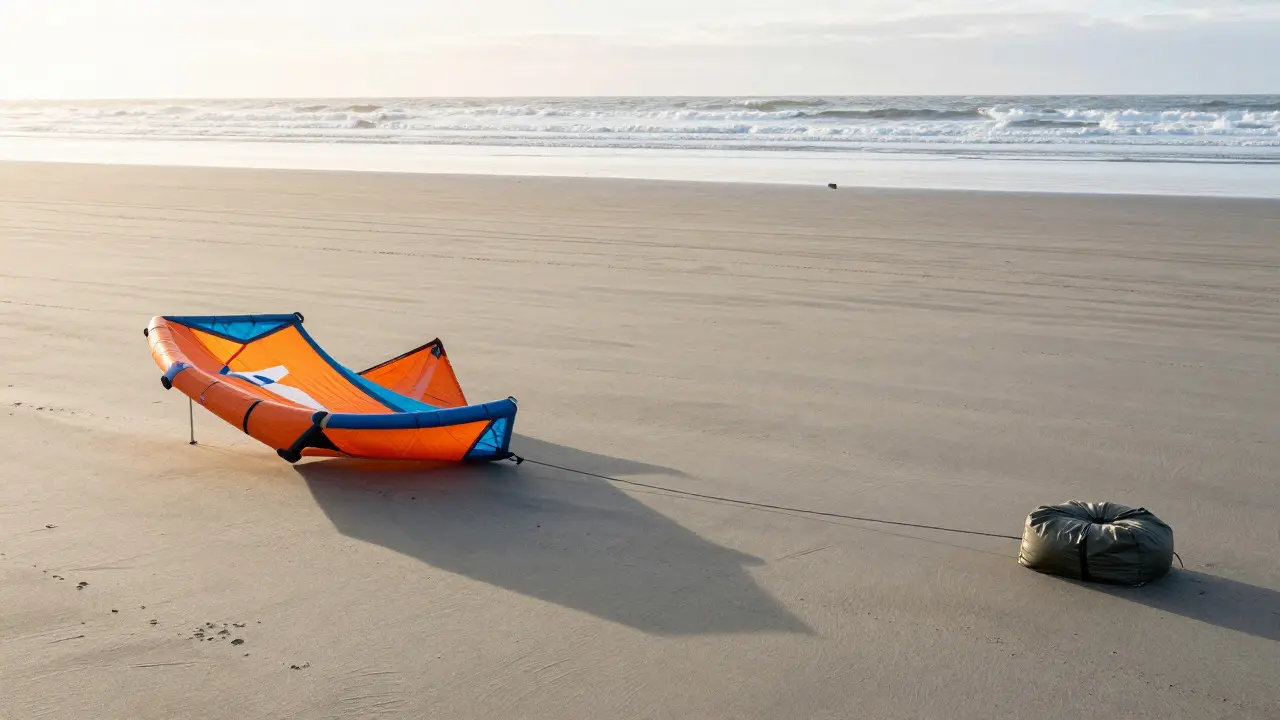
Imagine standing on a windy beach in Oregon, holding your kite is a lightweight aerodynamic device that uses wind to generate lift and thrust for recreational or sport purposes. You’re ready to fly, but the ground is soft sand. If you just run and let go, you might lose control before the kite even stabilizes. That’s where launch helpers is accessories designed to secure a kite to the ground during takeoff to ensure controlled ascent. These tools turn a chaotic start into a smooth, predictable launch.
Most beginners skip these tools because they seem optional. But after one bad launch where the kite spins out of control, you’ll understand why pros use them every time. Whether you’re on grass, dirt, or sand, the right helper prevents crashes, saves your lines, and keeps spectators safe.
Why You Need Launch Helpers
The main problem with launching a kite without assistance is unpredictability. Wind gusts can pull the kite sideways or upward faster than you can react. This often leads to line tangles or the kite hitting obstacles. Launch helpers solve this by keeping the kite low and stable until it reaches its optimal flying height.
- Safety: Keeps the kite away from people and trees.
- Control: Allows you to adjust trim settings while the kite is grounded.
- Equipment Protection: Reduces stress on the leading edge tips and bridles.
- Confidence: Makes your first few launches less stressful.
You don’t need these helpers for every single flight. Once you master the basic launch technique, you can skip them on calm days. But for strong winds, soft terrain, or crowded spots, they are essential.
Types of Kite Launch Helpers
There are three main categories of launch helpers: stakes, sand anchors, and clips. Each serves a specific purpose depending on the terrain and wind conditions.
Kite Stakes
Kite stakes is metal or plastic pegs driven into firm ground to anchor the kite’s leading edges. They work best on grass, dirt, or hard-packed earth. You attach the stake to the tip of the kite’s leading edge using a small loop or carabiner. When the wind pulls, the stake holds the kite down, forcing it to rotate into the wind gradually.
Standard stakes are about 10-12 inches long. For heavy winds, look for galvanized steel stakes rather than plastic ones, which can snap under pressure. Always drive them at a 45-degree angle away from the kite to maximize holding power.
Sand Anchors
Sand anchors is weighted devices filled with sand or water to hold kites on beaches. Unlike stakes, they don’t penetrate the ground. Instead, their weight resists the pull of the wind. Common types include sandbags, weighted bags, and dedicated metal anchors with fillable compartments.
A typical sand anchor weighs between 5 to 10 pounds when full. For a standard 12-meter kite in moderate winds (15-20 mph), a 7-pound anchor is usually sufficient. In stronger winds, you may need two anchors or a heavier model. The key advantage is portability; you can carry an empty anchor easily and fill it at the beach.
Safety Clips
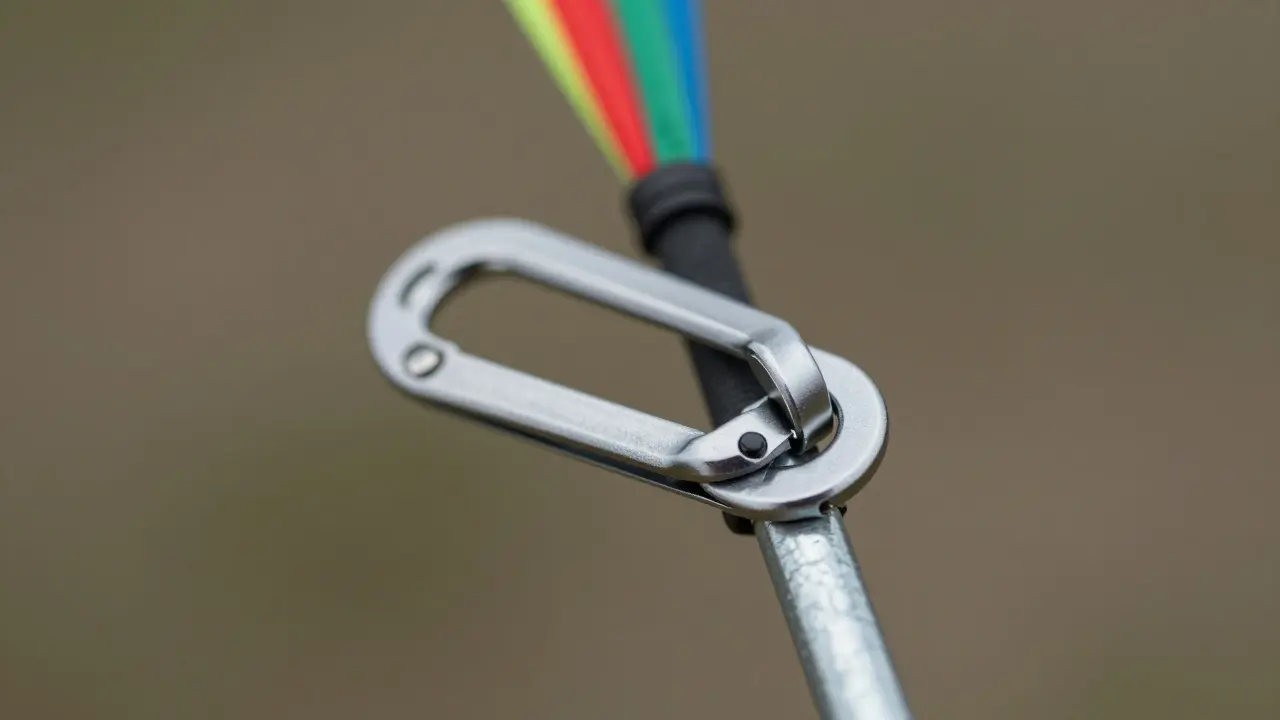
Safety clips is small metal or plastic connectors used to attach the kite to the anchor point securely. These clips bridge the gap between the kite’s bridle line and the stake or anchor. They allow for quick attachment and release, which is crucial if you need to abort a launch.
Look for clips made from stainless steel or high-grade aluminum. Avoid cheap plastic clips that can crack or slip. A good clip should have a locking mechanism to prevent accidental opening due to vibration or wind flutter.
| Type | Best Terrain | Weight Capacity | Setup Time | Portability |
|---|---|---|---|---|
| Kite Stakes | Grass, Dirt, Hard Earth | High (depends on soil density) | Fast (drive in seconds) | Medium (bulky but light) |
| Sand Anchors | Sand, Mud, Soft Ground | Medium (5-15 lbs) | Moderate (filling takes time) | High (empty bag is light) |
| Safety Clips | All (connector only) | N/A (part of system) | Instant | Very High (tiny) |
How to Set Up Your Launch System
Setting up your launch helpers correctly is half the battle. Here is a step-by-step process for a safe launch.
- Check the Wind: Ensure the wind is steady and not too gusty. Use an anemometer or a reliable app to check speed. For beginners, stay under 20 mph.
- Position the Kite: Lay the kite flat on the ground, nose pointing slightly downwind. Make sure the lines are untangled and spread out.
- Attach the Anchor: Connect the stake or sand anchor to the leading edge tip using your safety clip. Ensure the clip is locked.
- Test the Connection: Gently pull on the line to confirm the anchor holds. If it moves, add more weight or drive the stake deeper.
- Trim the Lines: Adjust your bar position and trim settings while the kite is grounded. This is the safest time to make adjustments.
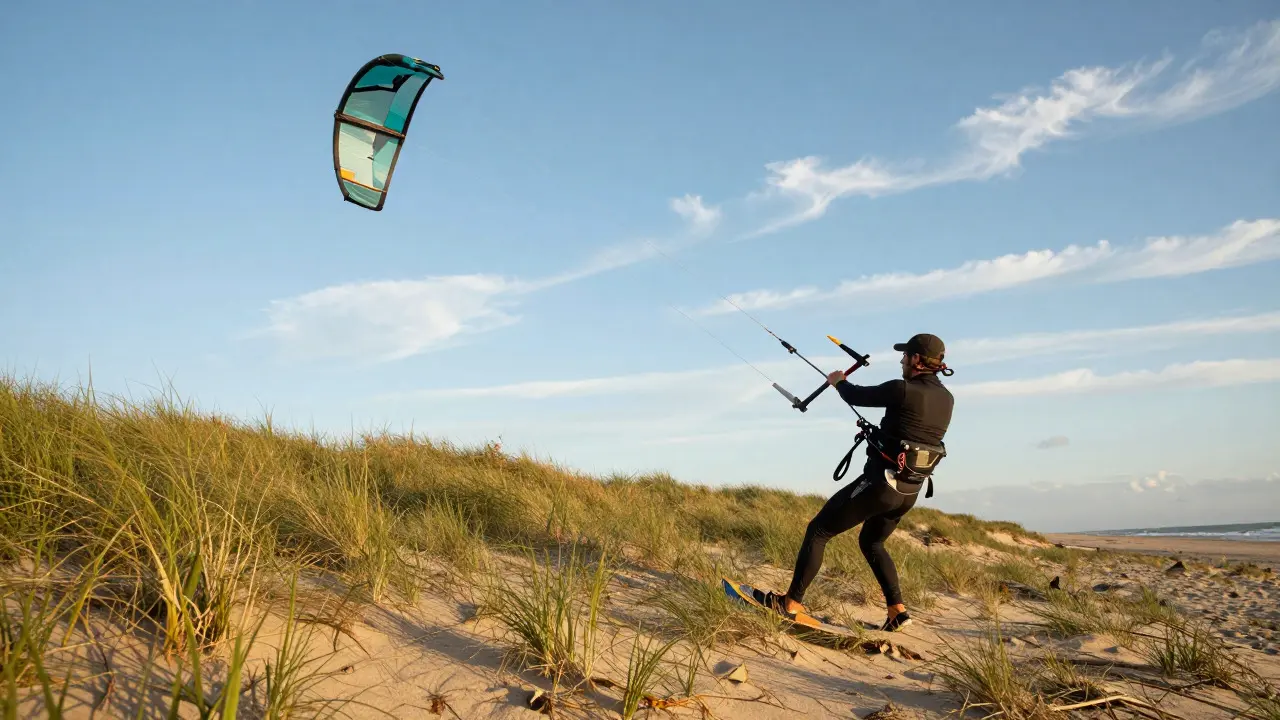
- Launch: Stand behind the kite, hold the bar, and walk backward slowly. Let the kite rise naturally. Do not yank the lines.
- Release: Once the kite reaches mid-height and stabilizes, release the anchor. Keep the bar centered and maintain tension.
If the kite starts to spin, stop immediately. Lower the kite gently by letting out line. Never cut the lines unless there is an emergency.
Common Mistakes to Avoid
Even with the right gear, mistakes happen. Here are the most common errors beginners make and how to fix them.
- Using Plastic Stakes in Hard Ground: Plastic stakes bend or break. Use metal stakes for anything harder than loose soil.
- Underweighting Sand Anchors: A 5-pound anchor might not hold a 14-meter kite in 25 mph winds. Start with 8-10 pounds for larger kites.
- Forgetting the Clip Lock: An unlocked clip can pop open from vibration. Always double-check the lock mechanism.
- Launching Too Fast: Walking backward too quickly causes the kite to stall. Move slowly and let the wind do the work.
- Ignoring Obstacles: Check the area above and around you for trees, wires, or other kites before releasing the anchor.
One pro tip from local kiting communities in Portland: always carry a backup set of clips and a spare stake. It’s rare, but when something fails, having a spare saves your day.
Maintenance and Storage
Your launch helpers will last longer if you care for them properly. After each session, clean off sand and dirt from stakes and anchors. Rinse metal parts with fresh water to prevent rust, especially if you’ve been near saltwater.
Store stakes in a dry place. Plastic stakes can become brittle over time if exposed to UV light. Keep them in a shaded bag. For sand anchors, ensure they are completely dry before storing to prevent mold or mildew. Inspect your clips regularly for wear. Replace any clip that shows signs of stretching or corrosion.
Investing in quality gear pays off. A $15 set of metal stakes and a $20 sand anchor will serve you for years if maintained correctly. Cheap alternatives often fail at the worst moment, costing you far more in frustration or damaged kite equipment.
Frequently Asked Questions
Do I need launch helpers for every flight?
No, not for every flight. Experienced kitesurfers often launch without helpers in consistent winds. However, beginners, strong winds, or soft terrain make helpers highly recommended for safety and control.
What is the best material for kite stakes?
Galvanized steel is the best material for kite stakes. It offers superior strength and durability compared to plastic, which can crack under heavy load or in cold temperatures.
How much weight does a sand anchor need?
A general rule is 1 pound of anchor weight per 1 meter of kite span in moderate winds. For a 12-meter kite, use at least 12 pounds. Increase weight for stronger winds or larger kites.
Can I use regular garden stakes for kiting?
Yes, but with caution. Garden stakes work in soft soil, but they may not hold in hard ground or strong winds. Dedicated kite stakes are shorter and thicker, designed specifically for lateral pull forces.
Where do I attach the safety clip on the kite?
Attach the safety clip to the leading edge tip loops or the dedicated launch points on the bridle. Never attach directly to the bar or lines, as this can cause uneven stress and damage.