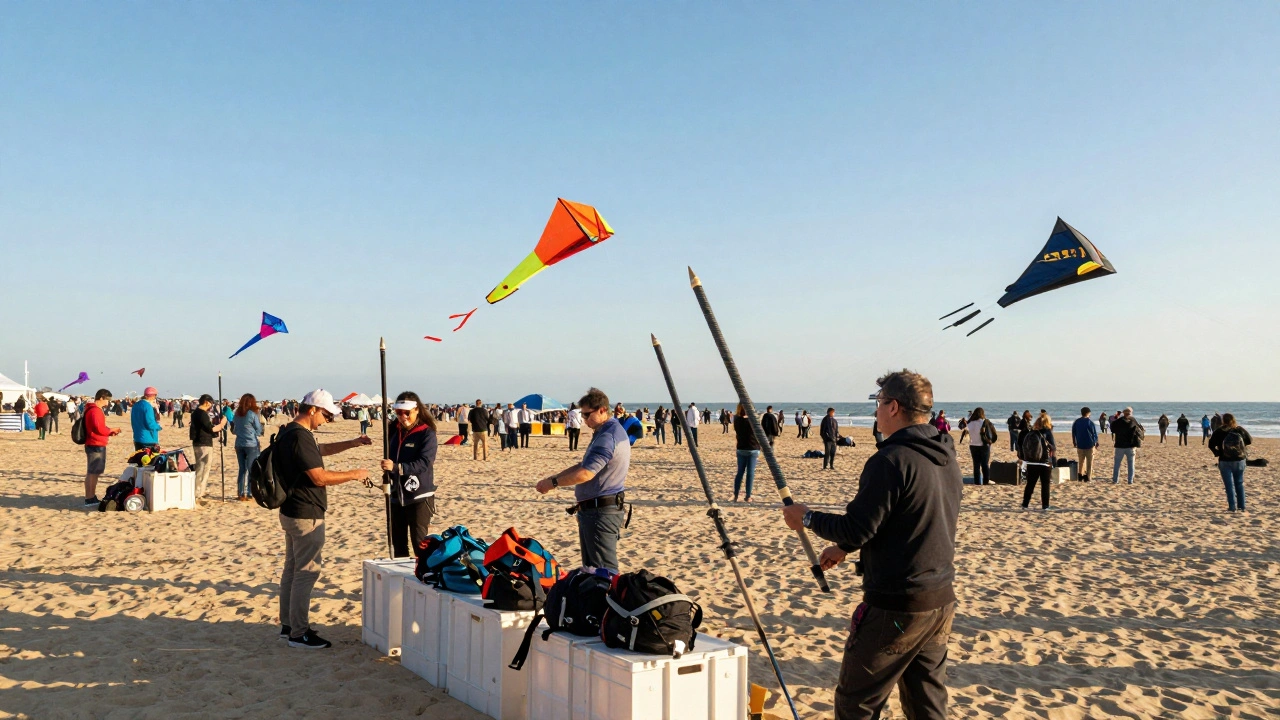
Have you ever watched a massive stunt kite dance across the sky and wondered who paid for that nylon and carbon fiber? It isn't just the wind that keeps Kite Culture is a global community dedicated to the art, sport, and engineering of flying kites alive. It is money. Real money. From the cost of travel to international competitions to the price of specialized materials for building giant parafoils, the financial side of this hobby is often invisible to the casual observer. If you are an organizer, a builder, or just a fan wanting to keep the scene thriving, understanding the economics is essential.
The Hidden Costs of Flying
Many people think buying a kite is the only expense. That is a myth. Once you have the gear, the real costs begin. Travel is the biggest one. If you want to compete in the World Kite Festival in India or the Kite Festival in France, you are looking at flights, hotels, and shipping crates for your equipment. Then there is the maintenance. Carbon spars break. Fabric tears. Motors for power kites need replacement parts. For a community group organizing a local event, the costs pile up faster. You need permits for public parks, liability insurance, sound equipment for announcements, and safety gear for the volunteers.
Without a steady stream of funding, these events vanish. We have seen local clubs fold because they couldn't cover the insurance premiums for a public beach launch. This is why we need to talk about money openly. It is not about selling out; it is about sustainability. If we want kite flying to remain accessible to kids and new pilots, someone has to subsidize the entry barrier. That is where support systems come in.
Types of Sponsorship Available
When you think of sponsorship, you might picture a big logo on a kite. That is one way, but it is not the only way. Corporate sponsorship is the most common form. Outdoor brands, tourism boards, and even local hardware stores often have marketing budgets they want to spend on community engagement. A local hardware store might donate rope and line for a festival in exchange for a banner at the gate. A tourism board might fund a stunt show to draw visitors to the coast.
There is also individual patronage. Think of it like Patreon but for the physical world. A wealthy enthusiast might fund a specific team or a scholarship for a young builder. Then we have the equipment manufacturers. Companies that make kites often support the culture by providing demo gear or discounted rates for event organizers. This creates a cycle where the product gets tested, and the culture gets gear. It is a win-win if managed correctly. You don't have to be a professional athlete to qualify. Community groups often get more support than individuals because they offer a larger audience for the sponsor.
| Sponsorship Type | Typical Contribution | Commitment Level | Best For |
|---|---|---|---|
| Corporate Brand | Cash or Product | High (Logo placement) | Large Festivals |
| Local Business | Small Cash or Services | Medium (Signage) | Community Days |
| Crowdfunding | Variable Cash | Low (No branding) | Specific Projects |
| Manufacturer Support | Equipment Loans | Medium (Demo use) | Workshops & Schools |
How to Secure a Sponsor
Asking for money is hard, but asking for partnership is better. You need a proposal that shows value. Do not just send an email saying, "We need money." Show them the numbers. How many people will attend? What is the demographic? Will there be media coverage? Sponsors want exposure. If you are running a kite festival in a city park, you can offer photo opportunities, booth space, or a speaking slot during the opening ceremony.
Start small. Approach the business down the street before calling a national brand. A local coffee shop might sponsor the refreshment tent. They get to talk to customers, and you get free drinks. Build a track record. Once you have successfully run one event with local support, you have proof of concept. You can take that success story to bigger organizations. Be professional. Have a media kit ready. Include photos from last year, testimonials, and a clear budget breakdown. Transparency builds trust. If a sponsor gives you $500, tell them exactly where it went. That accountability ensures they will come back next year.

Grassroots Funding and Crowdfunding
Not every project needs a corporate logo. Sometimes you just need to buy a few spools of line or repair a damaged pavilion. This is where platforms like Kickstarter or GoFundMe shine. Crowdfunding works well for specific, tangible goals. "Help us build a kite museum" is a better pitch than "Support kite flying." People need to see what they are buying. Show them a prototype. Show them the design. Show them the impact.
Membership models are also gaining traction. Some kite clubs charge a small annual fee to members. In exchange, members get access to private launch areas, storage for their gear, and exclusive workshops. This creates a dedicated base of supporters who feel ownership over the group. It is a stable income stream that doesn't rely on the whims of corporate marketing budgets. It empowers the community to make decisions without outside interference.
Supporting the Culture as an Individual
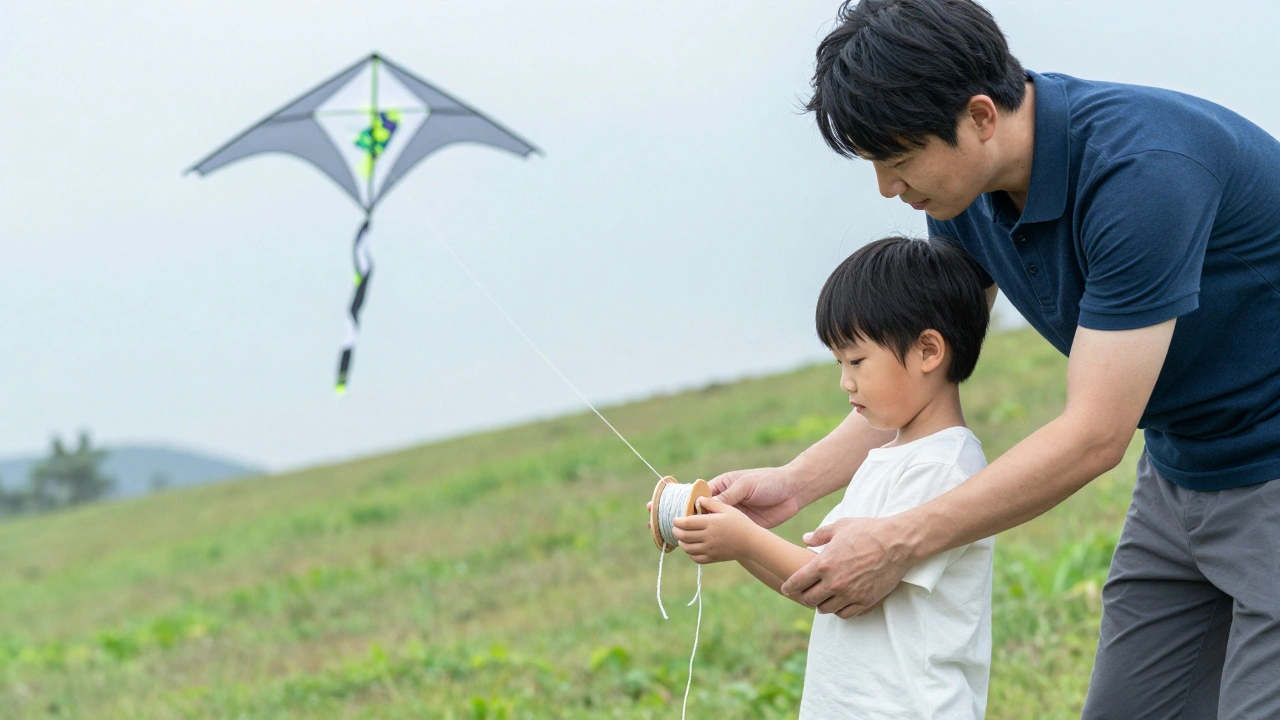
You do not need to be rich to support the scene. Time is a currency too. Volunteering at a festival is one of the best ways to help. Set up the flags, manage the safety line, or help teach a beginner. Your labor saves the organizers money, which can then be spent on permits or equipment. Mentoring is another powerful form of support. If you are an experienced flyer, spend an hour with a kid who just bought their first diamond kite. Teach them how to handle the line. Teach them about wind direction. That knowledge transfer keeps the culture alive.
Buying local gear also helps. When you purchase from a small builder instead of a mass-market retailer, more money stays within the community. These builders often reinvest their profits into local events and research. You can also advocate for the culture. Talk to your local city council about keeping parks open for flying. Write letters supporting kite-friendly zoning laws. Political support is a form of funding because it protects the spaces we need to fly.
Building a Sustainable Future
The goal is to create a system that outlasts any single person or organization. This means documenting processes. Write down how you got that sponsorship. Write down how you applied for the park permit. Share these guides with other groups. Knowledge sharing reduces the friction for new organizers. It also means diversifying income. Do not rely on one big sponsor. If that company changes its marketing strategy, your event shouldn't collapse. Have a mix of corporate, individual, and membership funding.
We are seeing a shift towards sustainability in the materials we use too. Funding is now going into research for biodegradable kites and recycled lines. This aligns with modern environmental values, making it easier to attract sponsors who care about green initiatives. By positioning kite culture as an eco-friendly outdoor activity, we open doors to grants and support that were previously closed. It is about evolving with the times while keeping the core joy of flight intact.
FAQ
How much does it cost to organize a local kite festival?
Costs vary widely, but a small community event can range from $500 to $5,000. This covers permits, insurance, cleanup, and basic safety equipment. Larger festivals with professional performers can cost tens of thousands.
Can I get sponsorship for a personal kite project?
Yes, but it is harder than for an event. Manufacturers may support you if you have a strong social media presence or if your project involves new technology. Crowdfunding is often more effective for individual builds.
What are the best platforms for crowdfunding kite projects?
Kickstarter and Indiegogo are popular for product-based projects. GoFundMe works well for personal fundraising or community aid. Patreon is ideal for ongoing support for content creators or clubs.
Do kite manufacturers offer grants?
Some do, especially for educational programs or competitions. You need to check their websites or contact their marketing departments directly to inquire about specific grant programs for builders or schools.
How can I volunteer to support kite culture?
Contact local kite clubs or event organizers. They often need help with setup, teardown, safety monitoring, or teaching workshops. Check social media groups for upcoming volunteer opportunities in your area.