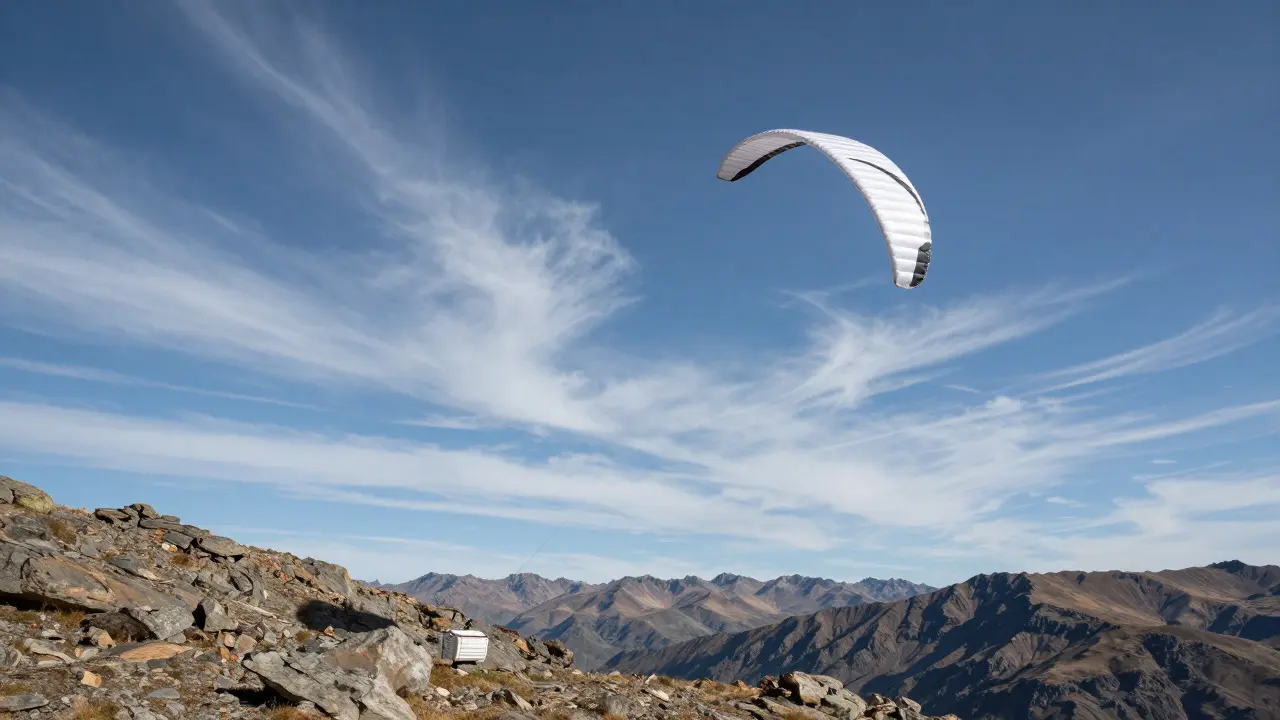
Imagine a package arriving at your door not by truck or drone, but by a giant kite gliding silently above the clouds. It sounds like science fiction, but Kite Cargo Delivery is an emerging method of transporting lightweight goods using tethered aerodynamic devices to reduce fuel costs and carbon emissions. As global e-commerce grows, the pressure on traditional logistics to become greener and faster is immense. Kites offer a unique solution for specific niches where weight is low but distance is high.
This technology isn't about replacing the Boeing 747. It’s about filling the gap between ground transport and heavy aviation. If you’ve ever wondered how we can move things efficiently without burning jet fuel, this is the frontier. We’re looking at systems that use wind energy to lift payloads, reducing the need for constant engine power. Let’s break down how it works, who is building it, and what it means for the future of shipping.
The Core Mechanics of Aerial Logistics
To understand why kites are viable for cargo, you have to look at the physics involved. Unlike drones, which fight gravity with rotors every second they fly, kites ride the wind. This passive lift is the key advantage. A typical cargo kite system consists of three main parts: the airframe (the kite itself), the payload container, and the ground station control system.
Tethered Flight Systems are aerodynamic structures connected to a ground-based anchor via a strong cable, allowing them to generate lift and thrust from wind currents. The kite flies in a figure-eight pattern or a circular path, generating tension in the tether. This tension pulls the cargo along the ground or lifts it vertically. For horizontal transport, the kite acts like a sailboat on water, converting wind speed into forward motion.
- Lift Generation: The kite creates an aerodynamic force perpendicular to the wind direction.
- Tension Management: Ground stations winch the tether out and in to maintain optimal altitude and speed.
- Payload Integration: Goods are attached to the end of the tether or housed in a streamlined pod.
This setup allows for continuous flight as long as there is wind. In contrast, battery-powered drones have limited flight times, often capped at 30-60 minutes depending on payload weight. Kites can stay aloft for days or even weeks if conditions permit, making them ideal for long-duration monitoring or slow-moving freight.
Why Choose Kites Over Drones?
You might ask, "Why not just use drones?" After all, drones are already delivering pizzas and medical supplies. The answer lies in efficiency and range. Drones are excellent for short-range, last-mile delivery within a city. However, their energy consumption scales poorly with distance and weight. Every kilogram added to a drone significantly reduces its flight time because the motors must work harder to keep those rotors spinning.
Kites, on the other hand, benefit from scale. A larger kite can carry more weight without a proportional increase in energy cost because it uses ambient wind energy. Think of it this way: a drone is like a car driving across a desert; it burns fuel constantly. A kite is like a sailboat crossing an ocean; it uses the environment to do the heavy lifting.
| Feature | Kite Cargo System | Drone Delivery |
|---|---|---|
| Primary Power Source | Wind (Passive) | Battery/Electric (Active) |
| Typical Range | 50-500 km | 5-50 km |
| Flight Duration | Days to Weeks | Minutes to Hours |
| Max Payload Efficiency | High for light, bulky goods | Moderate for dense, small goods |
| Weather Dependency | Requires steady wind | Struggles with high winds |
Notice the trade-off. Kites need wind. If it’s dead calm, a kite is just a piece of fabric hanging from a string. Drones can fly in still air, but they drain batteries fast. Therefore, the best use case for kite cargo is in regions with consistent wind patterns, such as coastal areas or high-altitude zones.
Real-World Applications and Case Studies
This isn’t just theory. Several companies and research institutions are testing these concepts right now. One notable example involves High-Altitude Platforms, which are tethered or free-flying aircraft operating in the stratosphere for communication, surveillance, or transport purposes. While many focus on internet beaming, the same hardware can carry small payloads.
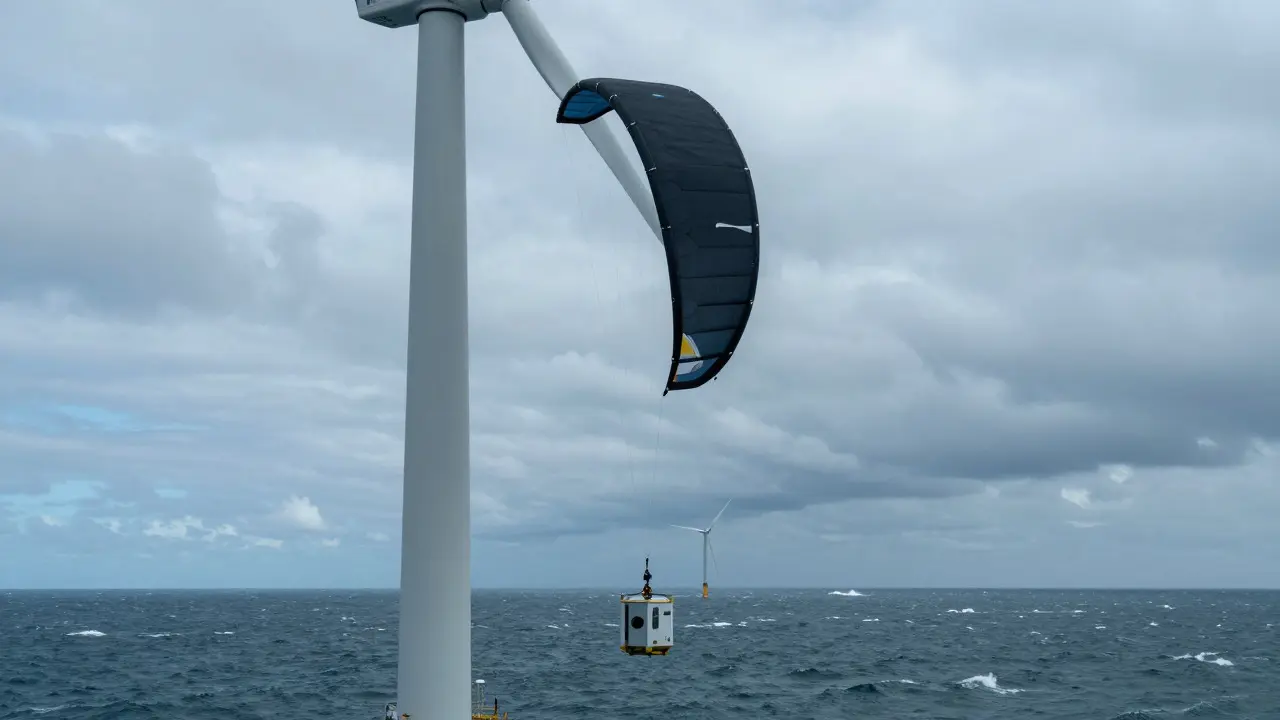
In Scandinavia, startups have experimented with using kites to transport components for offshore wind farms. Imagine moving a sensor package or a small repair tool from a ship to a turbine tower hundreds of meters away. Using a crane is slow and dangerous. Using a drone is risky due to salt spray and battery limits. A kite system, however, can gently lower the payload with precision, using the wind to control the descent. This application has shown a 40% reduction in deployment time compared to traditional methods.
Another area is remote medical supply delivery. In mountainous regions where roads are scarce, helicopters are expensive. Kites could potentially deliver blood samples or vaccines over distances of 100km+ with minimal energy input. The key here is that the cargo doesn’t need to arrive instantly; it needs to arrive reliably and cheaply. Kites excel in this "slow logistics" niche.
Challenges and Technical Hurdles
Let’s be honest: flying a kite with cargo is hard. Wind is unpredictable. Gusts can snap tethers. Turbulence can destabilize the load. Engineers face several major challenges in making this commercial-ready.
- Aerodynamic Instability: When you attach a box to a kite, you change its center of gravity. This can cause the kite to flip or lose lift. Designers must create airframes that remain stable even when loaded asymmetrically.
- Tether Strength and Weight: The cable must be strong enough to hold the load but light enough not to drag too much. Ultra-high-molecular-weight polyethylene (UHMWPE) is often used, but it’s slippery and difficult to handle on the ground.
- Ground Station Complexity: You need powerful winches and precise computer algorithms to manage the kite’s position. If the software lags by even a second, the kite might crash into a tree or a power line.
- Regulatory Approval: Aviation authorities are cautious. They worry about debris falling from the sky. Proving that a kite system is safer than a helicopter requires extensive data collection.
Solving these problems requires a multidisciplinary approach involving aerodynamics, materials science, and control theory. It’s not just about building a better kite; it’s about building a smarter system that reacts to wind changes in real-time.
The Future of Sustainable Shipping
Where does this leave us? Kite cargo delivery won’t replace trucks or planes anytime soon. But it will carve out a specific lane in the logistics industry. Think of it as the "bicycle lane" of aerial transport-efficient, green, and perfect for specific routes.
As climate regulations tighten, companies will look for ways to cut Scope 3 emissions (indirect emissions from the supply chain). Kites offer a zero-emission option for the final leg of long-distance transport. If you can get a product to a regional hub by train, then use a kite to distribute it to remote villages, you’ve saved significant fuel.
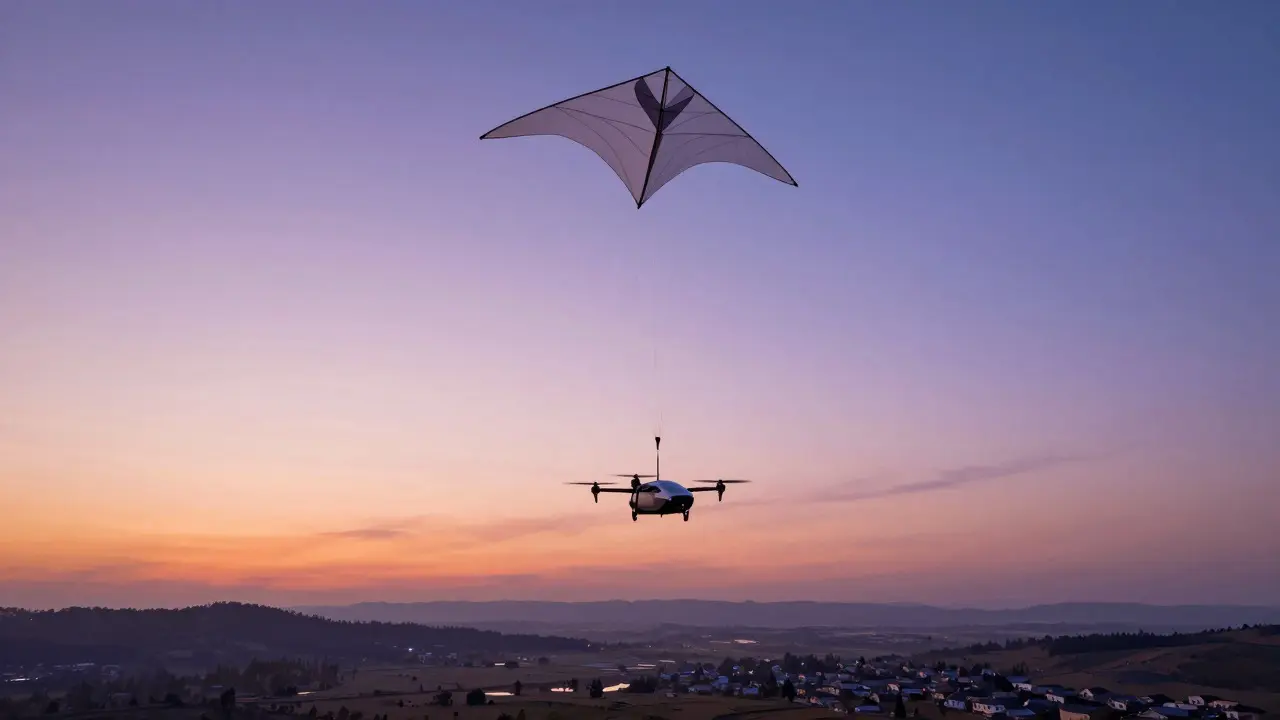
We might also see hybrid systems. Imagine a drone that launches from a kite. The kite carries the drone to a high altitude, where the air is thinner and resistance is lower. Then, the drone detaches and makes the final drop. This "mother-daughter" concept combines the endurance of kites with the precision of drones.
The bottom line is that kite cargo delivery represents a shift in how we think about movement. Instead of forcing machines to fight nature, we’re learning to work with it. And in a world hungry for sustainability, that’s a powerful idea.
Frequently Asked Questions
Can kites really carry heavy cargo?
Not heavy in the traditional sense. Most experimental kite cargo systems are designed for lightweight payloads, typically under 50 kg. The limiting factor is the strength-to-weight ratio of the tether and the stability of the airframe. Heavier loads require larger kites and stronger cables, which increases complexity and cost.
What happens if the wind stops?
If the wind drops below a certain threshold, the kite loses lift. The ground station will reel in the tether to bring the kite and payload back safely. Unlike a plane, a kite doesn’t need to land at an airport; it can be retrieved at any point along the tether line, provided the terrain is clear.
Is kite delivery safe for people on the ground?
Generally, yes, but only if operated correctly. The tether prevents the kite from drifting far off course. However, there is a risk of the tether snapping or the payload falling. To mitigate this, operators use redundant safety lines and operate in designated no-fly zones or open areas away from crowds.
How does this compare to balloon delivery?
Balloons use helium or hot air for lift and are untethered. They are good for very light, non-urgent items like advertising or scientific sensors. Kites are tethered, allowing for controlled movement and retrieval. Balloons are simpler but less precise; kites are complex but offer dynamic control over position and speed.
Which industries are most interested in kite cargo?
The top contenders are renewable energy (for offshore maintenance), telecommunications (deploying temporary towers), and remote healthcare (delivering supplies to isolated communities). These sectors value reliability and low operational costs over raw speed.