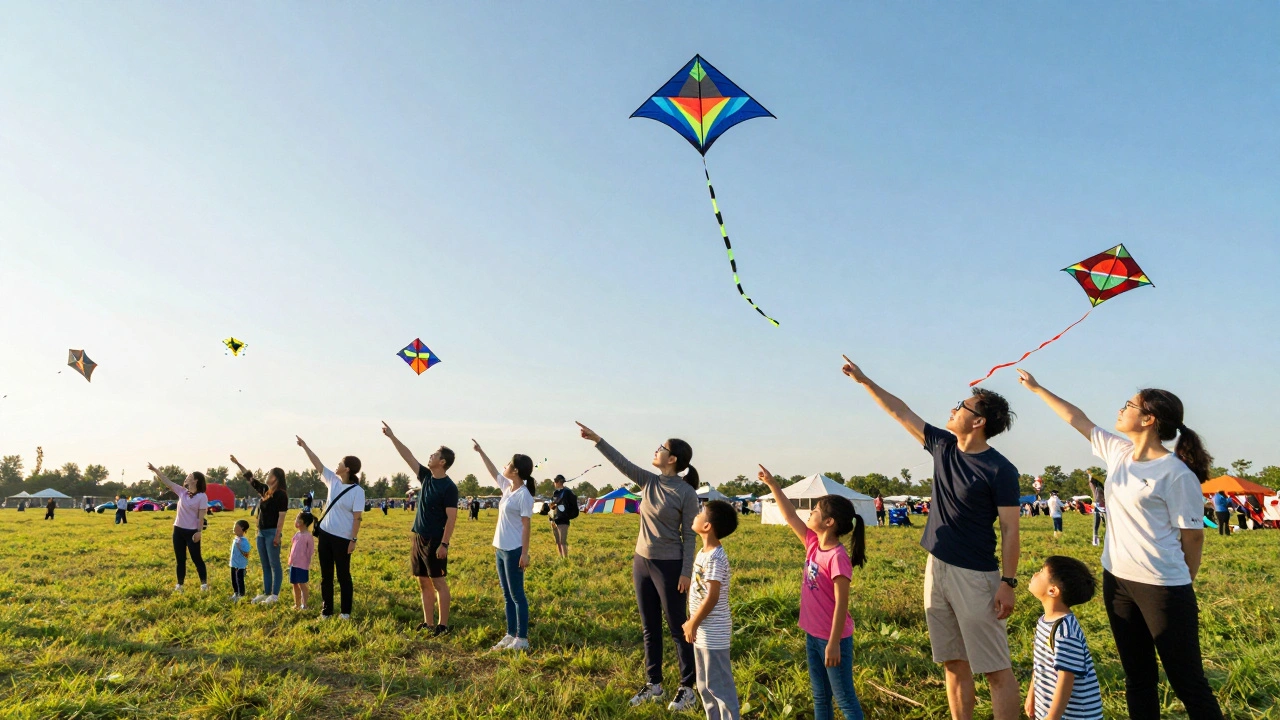
There is nothing quite like standing in an open field watching colorful shapes dance against the sky. For families, these events offer more than just entertainment; they provide a hands-on introduction to physics and engineering. When planning a trip to an event, focusing on the interactive sessions creates lasting memories. Kite Festivals areorganized gatherings celebrating aerial arts, often featuring competitions, demonstrations, and educational workshops. These gatherings bring together enthusiasts who share knowledge freely.
Why Join a Building Workshop
Many parents assume flying a kite requires only a purchase and some wind. However, constructing the flyer changes how children interact with the environment. A dedicated session teaches structural integrity and balance. Kids learn that symmetry matters. If one wing weighs more than the other, the craft spins out of control. This concept applies far beyond the park.
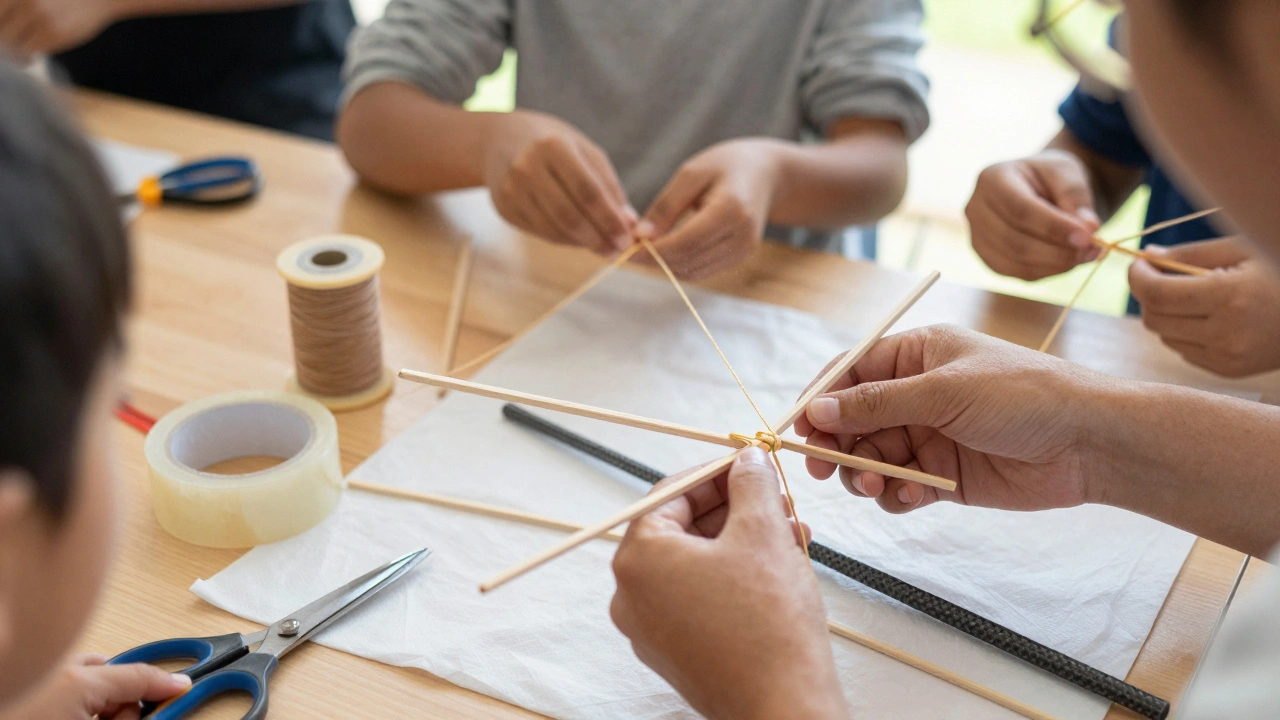
During these classes, instructors guide participants through basic measurements. They show how tension affects the shape. Participants see the immediate results of their design choices. This instant feedback loop keeps engagement high. Unlike classroom lessons, the stakes feel real. A wobbly flight means a fix is needed immediately. This practical problem-solving builds confidence in older children and younger siblings alike.
Types of Builds Available
Not every construction class looks the same. Some centers focus on simple paper models. These work well for quick sessions. Other groups offer complex wooden frames that last for years. Diamond Kites arethe most traditional design consisting of a rigid frame covered with fabric or plastic, typically four-sided. You will likely see these everywhere. They are easy to stabilize but require precise bridle tuning.
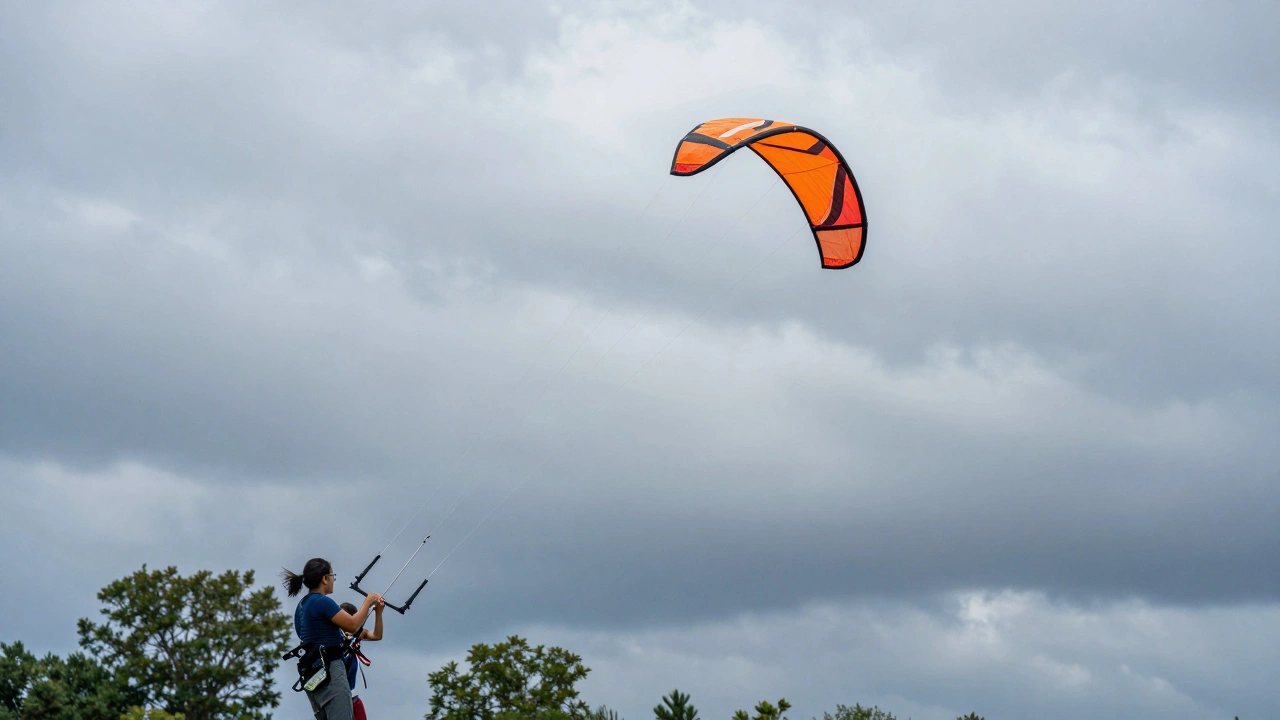
Sports kites offer a different challenge. These often come in dual-tailed forms. Two-line control allows for loops and dives. Parents and kids can fly side by side. Competitive teams sometimes host demos showing high-speed stunts. Watching them move inspires beginners to try harder projects. Cellular box kites are another option. Their internal struts create stability even in light wind conditions. These are perfect for beach days where gusts vary frequently.
| Style Comparison | ||
|---|---|---|
| Design Type | Difficulty Level | Best Wind Speed |
| Diamond | Beginner | 5-15 mph |
| Box Kite | Intermediate | 3-10 mph |
| Sport Stunt | Advanced | 10-20 mph |
Making Materials Work for You
Materials define durability. Tissue paper is pretty but tears easily in rough handling. Heavy-duty plastic or ripstop nylon lasts longer. Spine rods made of carbon fiber reduce weight compared to wood. Wooden dowels are cheap but can crack under stress. Instructors usually provide a starter kit. However, bringing your own tools can speed up assembly. A small pair of scissors and tape go a long way.
Tape is critical for sealing edges. Scuff pads prevent chafing on the bridle points. If you plan to fly near power lines, insulated strings are essential. Safety always comes first. Bridle Systems arearrangements of string lines attached to the body that connect to the main flying line, controlling angle of attack. Adjusting these knots allows you to fine-tune performance. A loose bridle sinks the nose. Too tight, and it stalls. This adjustment is often the hardest lesson for novices.
Understanding Wind and Environment
Flying success depends entirely on the weather. Light breezes won't lift heavy boxes. Gusting storms can destroy fragile frames. Read the forecast before heading out. Apps give current wind speed data. You want consistent flows between five and fifteen miles per hour. Wind Shear isa change in wind speed or direction over a short distance in the atmosphere. Coastal areas often experience this due to temperature shifts between land and sea. Being aware helps you avoid sudden drops in lift.
Space is another factor. Trees snag lines instantly. Power lines present a severe electrocution risk. Always clear a wide circle around you. Other flyers need room to maneuver. In crowded fields, signal your path verbally. Collisions ruin kites and ruin friendships. Respecting personal boundaries ensures everyone enjoys the day. Public parks designate specific zones for this activity.
Post-Flight Care and Storage
Cleaning up matters after the sun sets. Sand settles into joints. Salt water from beaches corrodes metal tips. Wipe down bamboo sticks with oil occasionally. Store the flyer in a bag away from sunlight. UV rays fade colors and weaken fibers. Next time you visit a site, pack everything neatly. This maintenance extends the life of your project significantly.
You can take skills learned back to the backyard. Custom tails make good additions. Painting fabrics turns the object into art. Some parents turn these flights into science reports. Measuring altitude becomes a math exercise. The potential for extended learning remains high once the initial spark catches. Keeping records of flight days and weather patterns adds depth to the hobby.
Planning Your Visit
Check schedules early. Popular weekends fill up fast. Registration fees vary by location. Some public events require permits. Local organizations often volunteer manning stations. Arrive ten minutes before opening. Early birds get the best spots. Ask questions about equipment rentals. Many grounds rent spools and frames. You don't always need to buy gear to participate. Just bring curiosity and a willingness to learn.
Are kite workshops suitable for toddlers?
Most programs target children aged six to twelve. Toddlers may struggle with threading needles or holding glue steady. However, observation is allowed. Parents can participate alongside very young kids using pre-made parts.
How much does a typical entry cost?
General admission ranges from free to twenty dollars depending on the venue. Specialty workshops often charge extra fees for material kits. Expect to spend fifteen to thirty dollars if you want supplies included.
Can I bring my own kite to build?
Some events encourage bringing broken flyers for repair clinics. Construction classes usually require starting fresh to ensure standardized learning. Check the specific guidelines for the event you attend.
What happens if the wind dies?
Organizers often shift to theory talks indoors. This covers history or aerodynamics. Sometimes they set up ceiling fans to simulate airflow for testing. It rarely ruins the whole experience.
Do I need permission for school trips?
Large groups usually contact organizers ahead of time. Schools need waivers signed by guardians. Liability insurance often covers minor injuries during supervised builds. Contact the event coordinator weeks in advance.