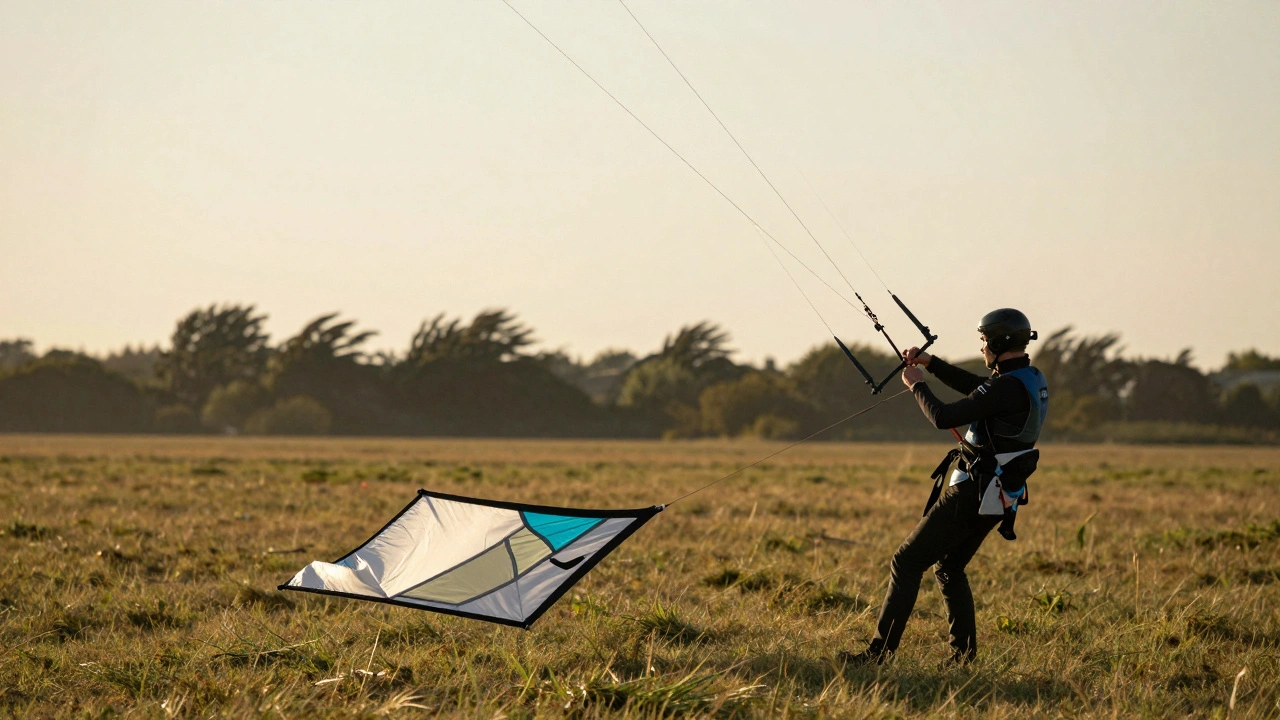
When you first pull the strings on a stunt kite, it feels like magic. The kite leaps into the sky, banking left and right like it’s alive. But if you’ve ever lost control mid-flight-watching your kite dive into the ground or spin out of reach-you know it’s not magic. It’s physics. And the key to mastering it lies in understanding the wind window.
What Is the Wind Window?
The wind window is the three-dimensional space where your kite flies. Think of it as a giant half-sphere stretching out in front of you, with you standing at the center. The kite can’t fly behind you. It can’t fly straight up into the clouds. It’s bound by the wind’s push and your lines’ tension. This invisible dome is divided into zones, and each zone behaves differently.
When you launch a stunt kite, it naturally glides into the edge of this window-the power zone. That’s where the wind is strongest, and your kite pulls hardest. The sweet spot? The center of the window, just above your head. That’s where it flies steady and responsive. The corners? Weak. Slow. Easy to lose control in.
Most beginners treat the sky like a flat canvas. They yank the lines, expecting the kite to respond instantly. But stunt kites don’t work like remote-controlled planes. They’re wind-dependent. If you don’t know where the wind is strongest, you’ll waste energy, crash often, and get frustrated fast.
The Three Zones of the Wind Window
Break the wind window into three zones, and you’ll unlock full control:
- The Power Zone - This is the lower third of the window, closest to the ground. Wind speed here is highest because it’s least disturbed by ground obstacles. Your kite pulls hardest here. If you want speed, power moves, or fast loops, this is where you work. But too much time here can yank you off your feet or snap your lines.
- The Neutral Zone - Right above your head, centered in the window. This is the calm center. Wind flow is smoothest. Your kite flies slowest but responds most precisely. This is where you recover, reset, and practice tricks like stalls and hover turns. If you’re learning new moves, start here.
- The Edge Zone - The upper corners of the window. Wind here is weak and turbulent. The kite barely pulls. It’s sluggish. But that’s not a bad thing. This is where you glide, float, and execute slow, elegant tricks like lazy eights or slow figure eights. It’s also where kites stall and fall if you’re not careful.
Professional flyers don’t just fly-they choreograph. They shift between zones like a dancer shifts between steps. A fast dive from the power zone into a slow hover in the neutral zone creates drama. A glide from edge to edge looks like the kite is painting the sky.
How Wind Speed Changes the Window
Wind isn’t constant. On a 12 mph day, the window is wide and forgiving. On a 20 mph day, it shrinks. The power zone expands. The neutral zone gets harder to hold. The edge zone becomes unusable-your kite might not even reach the top corners.
Here’s what happens when wind shifts:
- Light wind (5-10 mph): The window stretches higher. You can fly higher, but the kite feels sluggish. You need smooth, slow inputs. Too much tension, and it stalls.
- Medium wind (10-15 mph): The sweet spot. Most stunt kites perform best here. The power zone is strong but manageable. You can do loops, stalls, and transitions without overloading the lines.
- Strong wind (15+ mph): The window compresses. The kite pulls hard. The neutral zone becomes a tight bubble. You’ll need shorter lines and more body movement. Flying too high? The kite will dive uncontrollably.
On a windy day in Portland, I once watched a flyer lose a $600 kite because he kept trying to do fast loops in the power zone. The kite hit the ground at 30 mph. He didn’t realize the wind had picked up. The window had changed. He was still flying like it was calm.
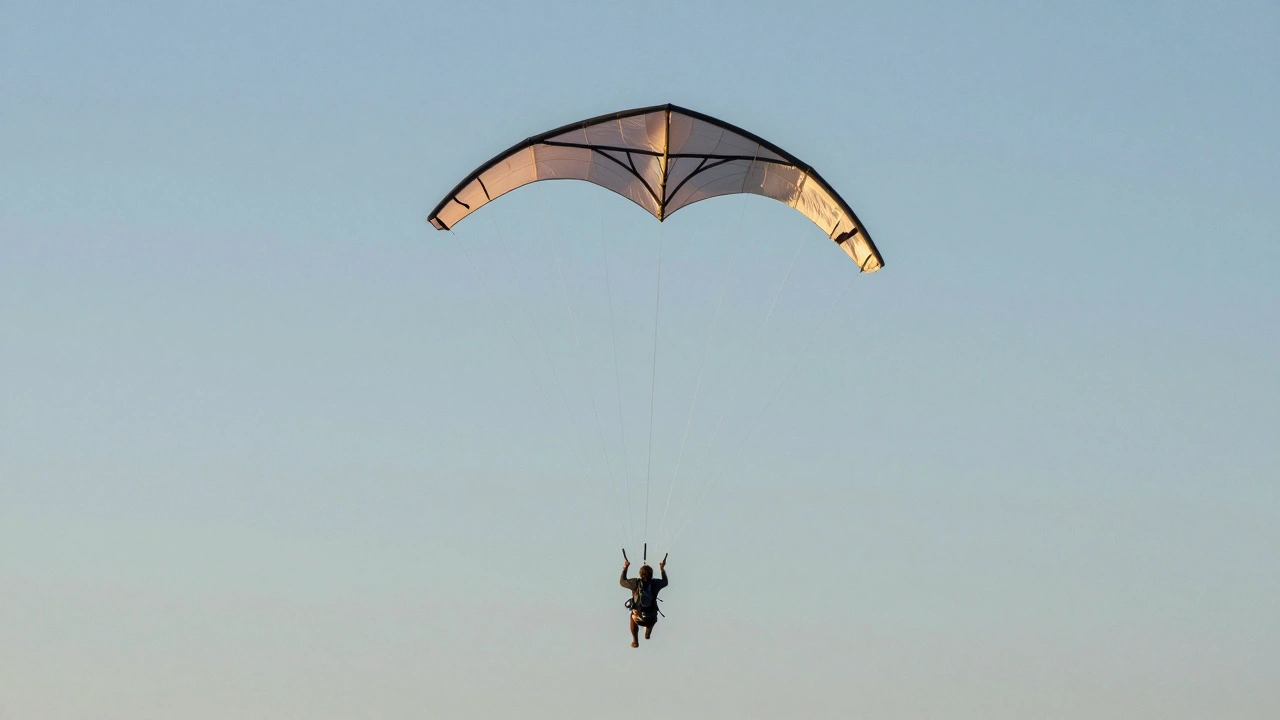
Using Zones to Learn Tricks
Every stunt kite trick is built from transitions between zones. Here’s how:
- Loop: Start in the neutral zone. Push one line forward to initiate a dive into the power zone. Pull the same line sharply as the kite reaches the bottom. The kite snaps back up. Done right, it’s a clean circle.
- Stall and Hover: Fly into the neutral zone. Let both lines go slack for a second. The kite loses forward momentum and hangs in place. Hold it there. This is the foundation of all slow tricks.
- Lazy Eight: Glide from the left edge zone, down through the neutral zone, into the right edge zone, then back up. It looks like a sideways figure eight. Requires smooth, consistent tension.
- Backflip: Start in the power zone. Yank both lines hard and fast. The kite flips backward. You need precise timing-too early, and it tumbles. Too late, and it crashes.
Most people skip the neutral zone. They think flying fast is the goal. But the best flyers spend half their time there. That’s where control is born.
Common Mistakes and How to Fix Them
Here are the top three mistakes-and how to avoid them:
- Flying too high - If your kite keeps drifting into the edge zone, you’re pulling too hard. Let the lines out slightly. Let the wind carry it. Don’t fight it.
- Yanking too hard - A sharp tug in the power zone can snap a line. Use your wrists, not your arms. Think of it like steering a boat, not pulling a rope.
- Ignoring wind shifts - Wind changes every 30 seconds. Watch the trees. Watch the flags. If the kite suddenly feels heavier or lighter, adjust your position. Move 5 feet left or right. Your window changes.
I used to think I was bad at flying kites. Turns out, I was just flying in the wrong zone. Once I started mapping where my kite was in the window, everything clicked.
Practice Drill: The Zone Sweep
Here’s a simple drill to train your eye and hand:
- Launch your kite and fly it slowly to the left edge zone.
- Hold it there for 5 seconds.
- Slowly glide it down to the neutral zone.
- Hold it for 5 seconds.
- Let it dive into the power zone.
- Hold it for 5 seconds.
- Repeat, going the other way.
Do this for 10 minutes before every session. You’ll start feeling the wind’s rhythm. You’ll know when the kite is about to stall. You’ll know when to pull-and when to let go.
Why This Matters Beyond Tricks
Understanding the wind window isn’t just about looking cool. It’s about safety. A kite in the power zone can lift a child off their feet. A kite in the edge zone can tangle in power lines. Knowing where your kite is at all times means you can avoid crashes, protect your gear, and keep others safe.
It’s also about efficiency. You’ll use less energy. You’ll fly longer. You’ll have more fun. And you’ll stop blaming the kite. It’s not broken. You just didn’t know where to fly it.
| Zone | Wind Strength | Kite Speed | Best For | Risk Level |
|---|---|---|---|---|
| Power Zone | High | Fast | Loops, dives, speed tricks | High |
| Neutral Zone | Medium | Slow | Stalls, hover turns, precision | Low |
| Edge Zone | Low | Very Slow | Glide tricks, figure eights | Medium |
Final Thought: The Window Is Alive
The wind window isn’t a static map. It breathes. It shifts with every gust. It shrinks in turbulence. It stretches on calm days. The best flyers don’t just fly their kites-they listen to the air. They feel the pressure change in their hands. They watch the leaves. They adjust before the kite does.
Next time you fly, don’t look at the kite. Look at the space around it. Where is it? What zone is it in? What’s the wind doing? The answer isn’t in the manual. It’s in the sky.
What is the best wind speed for stunt kite flying?
Most stunt kites perform best between 10 and 15 mph. Below 10 mph, the kite feels sluggish and hard to control. Above 15 mph, the power zone becomes too strong, making tricks risky and lines more likely to snap. Always check wind conditions before flying-use a handheld anemometer or watch tree movement. Light rustling leaves? Around 5-10 mph. Swinging branches? 10-15 mph. Whistling power lines? Over 15 mph-proceed with caution.
Can I fly a stunt kite in gusty conditions?
Gusty wind is tricky. It makes the wind window unstable. One second, your kite is in the neutral zone. The next, it’s thrown into the power zone. Experienced flyers can handle light gusts by adjusting line tension constantly. Beginners should avoid gusty days. If you must fly, use a kite designed for gusty conditions-usually one with a larger surface area and flexible frame. Always stay close to the ground and avoid open fields where wind shifts are more extreme.
Why does my kite stall when I fly it high?
Stalling happens when the kite loses airflow over its surface. That usually occurs in the edge zone, where wind speed drops. If you pull your kite too high, especially in light wind, the air can’t flow smoothly over the canopy. The result? The kite stops moving forward, flips backward, and drops. To fix it, lower your kite back into the neutral zone and give it a gentle forward tug to regain speed. Never try to force it back up-let the wind help.
How do I know if I’m in the power zone?
You’ll feel it. The lines will be tight. Your arms will strain. The kite will pull hard and accelerate quickly. Visually, it’s flying low-between knee and waist height-and moving fast. If you’re leaning back to hold the lines, you’re in the power zone. It’s great for tricks, but dangerous if you’re not ready. Always be prepared to release tension if the pull becomes too strong.
Do all stunt kites have the same wind window?
The basic shape is the same for all dual-line stunt kites-a half-sphere in front of you. But the size and behavior change based on kite design. Larger kites (like 2.5m+) have a wider window but respond slower. Smaller, high-performance kites (under 2m) have a tighter window and react faster. The wind window itself doesn’t change-but how your kite behaves within it does. Always read your kite’s manual for its ideal wind range and flight characteristics.