Key Highlights for Your Visit
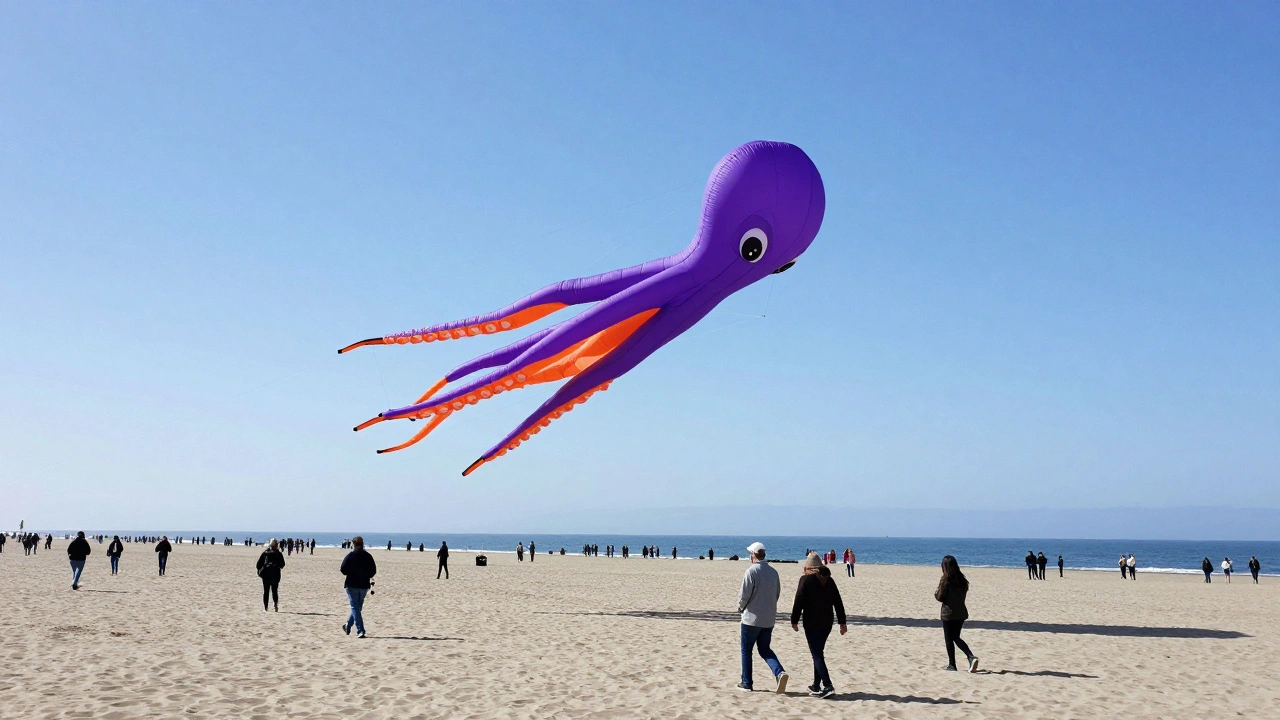
- The Giant Kites: You will see professional "show kites" that can be as large as a house. These aren't your childhood diamond kites; they are complex, inflatable structures that require teams of people to launch.
- The Workshop Area: Experienced fliers often spend time teaching beginners how to launch their first kite, making it a great spot for kids to learn.
- Artisan Market: Local vendors set up stalls offering everything from handmade beach crafts to specialized kite gear.
- The Beach Landscape: The Long Beach Peninsula provides a flat, unobstructed horizon, which is exactly why this location is a mecca for wind-based activities.
What Makes the Long Beach Peninsula Perfect for Kiting
Location is everything when it comes to wind. The Long Beach Peninsula is a narrow strip of land pushed between the Pacific Ocean and Willapa Bay. This geography creates a natural wind tunnel, providing the consistent, strong breezes needed to keep massive, heavy-fabric kites aloft. Because the beach is so wide, you don't have to worry about power lines or trees blocking your flight path. You can literally walk for miles with a kite in the air without hitting an obstacle.
The sand here is packed and firm, which is a huge plus. When you're running to get a kite into the air, you don't want to be sinking into soft dunes. The firm shoreline allows for the agility needed to steer complex multi-line kites. If you're visiting in April, expect the air to be crisp. The wind can be biting, so layering up is the only way to survive a full day on the shoreline.
The Different Types of Kites You'll See
If you think this is just about colorful fabric on a string, you're in for a surprise. The festival showcases a variety of Kite Types that range from simple toys to engineering marvels. You will likely encounter Parafoils, which are foil-shaped kites that don't need rigid frames to stay open. They look like parachutes and are often used for the massive animal shapes.
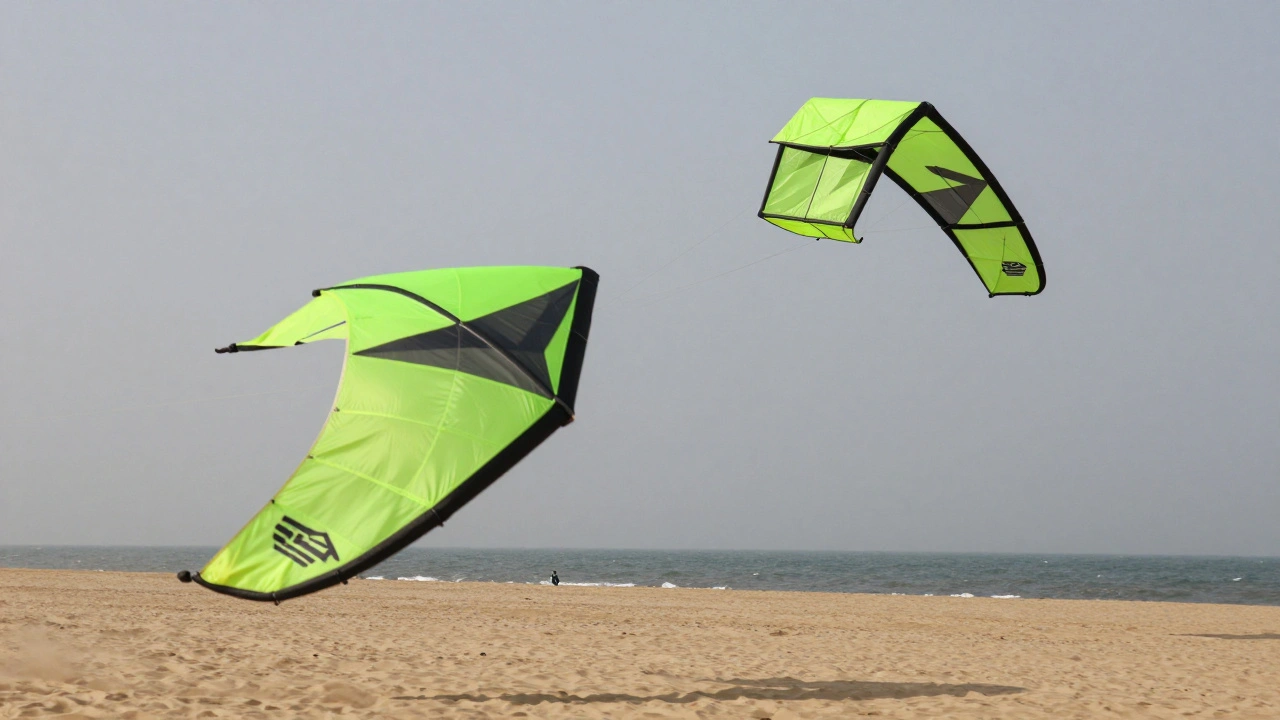
Then there are the Stunt Kites. These are high-performance kites controlled by two or four lines. The fliers can make these kites dive, loop, and zip across the sky at incredible speeds. It's almost like watching a choreographed dance. You'll also see Cell Kites, which are the classic boxed structures that provide great stability in the shifting coastal winds.
| Kite Type | Primary Feature | Difficulty to Fly | Best Use Case |
|---|---|---|---|
| Parafoil | No rigid frame | Easy | Giant shapes / animals |
| Stunt Kite | Dual-line control | Advanced | Acrobatics and tricks |
| Cell Kite | Boxy structure | Moderate | Stable high-altitude flight |
| Delta Kite | Triangular shape | Very Easy | Beginners and children |
Planning Your Trip: Logistics and Timing
Timing your visit is critical because the festival is entirely dependent on the Weather. While the event is scheduled, the actual flying depends on the wind speed. If it's a dead calm day, the kites stay on the ground. If there's a gale-force storm, it's too dangerous to fly. The sweet spot is usually between 8 and 15 knots.
Since the festival attracts thousands of people, the town of Long Beach fills up fast. I recommend booking a hotel or rental at least three months in advance. If you are driving from nearby cities like Portland or Seattle, be prepared for slow traffic on the narrow peninsula roads. Parking can be a headache, so your best bet is to find a spot early and use a foldable wagon to haul your gear and coolers to the beach.
For food, don't just rely on the festival vendors. The area is famous for its fresh seafood. Grab some local clams or Dungeness crab from a shoreline shack to fuel your day. Remember that the beach is a public space, so packing out your trash is a non-negotiable rule to keep the coast pristine for next year's event.
Common Mistakes to Avoid
One of the biggest errors newcomers make is bringing a cheap, plastic kite from a grocery store. While those are fun for a five-minute flight, the strong coastal winds of Washington can rip them apart in seconds. If you want to fly your own, invest in a nylon or ripstop polyester kite. These materials can handle the pressure without tearing.
Another mistake is ignoring the wind direction. Always fly your kite downwind. If you launch a kite and the wind pushes it toward the crowds or the parking lot, you're going to have a bad time. Look at the flags or the other fliers to see which way the breeze is blowing before you let your kite go. Also, keep a safe distance from the professional "big kites." Those long lines can be hundreds of feet long and can easily tangle with a smaller kite or, worse, trip a pedestrian.
The Community Spirit of the Festival
What really makes this event special isn't just the fabric in the air; it's the people. The Kite Community is incredibly welcoming. Most of the professional fliers are happy to explain how their gear works or give you tips on how to get your kite to stay stable. It's a rare environment where experts and novices mingle freely.
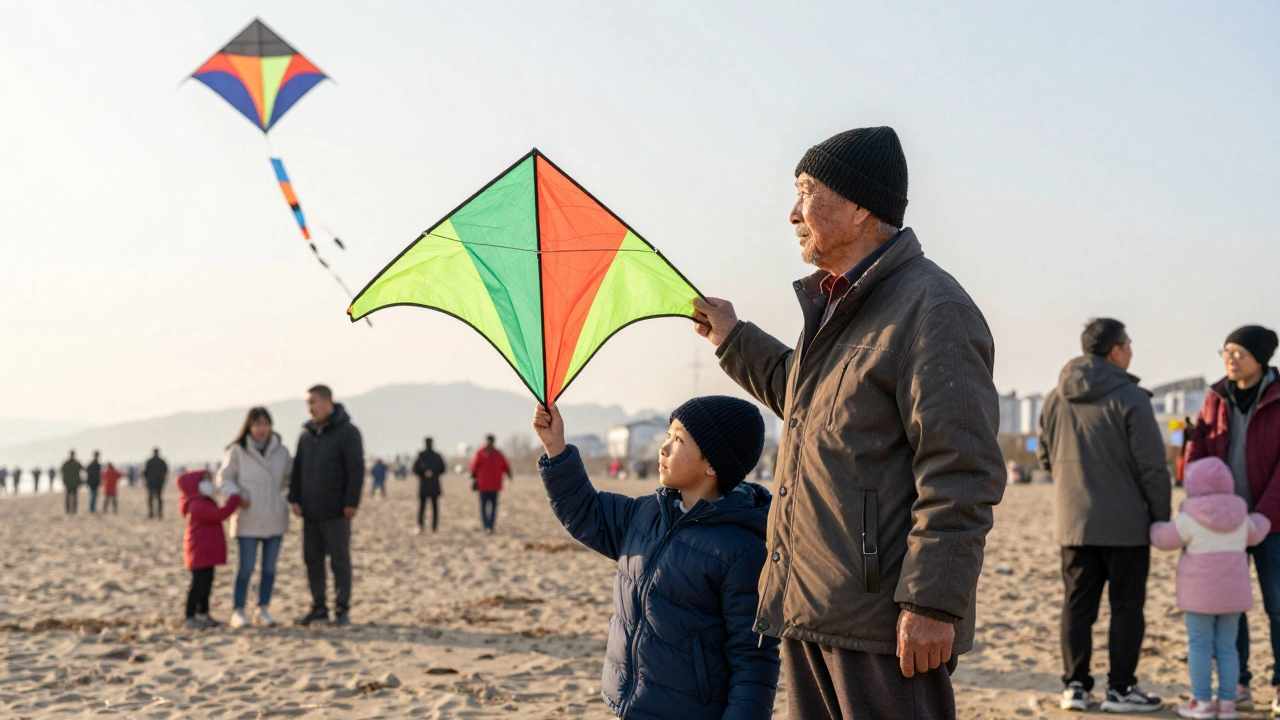
You'll see generations of families together. It's common to see a grandfather teaching his grandson how to launch a delta kite, while a teenager nearby is practicing high-speed maneuvers with a carbon-fiber stunt kite. This shared passion creates a relaxed, joyful atmosphere that is hard to find in more commercialized festivals.
What happens if there is no wind on the scheduled days?
The festival organizers usually have a window of dates. If the wind is completely absent, the kites can't fly, but the artisan markets and ground displays typically still happen. Always check the official event social media pages for real-time wind updates before driving to the beach.
Is the festival free to attend?
Generally, walking the beach and watching the kites is free. However, some specific workshops or premium parking areas might have costs associated with them. It's a very accessible event for families on a budget.
Are dogs allowed on the beach during the festival?
Yes, dogs are usually welcome, but they must be on a leash. With thousands of people and large, moving objects in the air, dogs can get spooked or run into kite lines, so keeping them close is essential for safety.
What is the best time of day for kite flying?
The mid-day to early afternoon period usually sees the strongest and most consistent coastal breezes. However, early morning is the best time to beat the crowds and secure a prime spot on the sand.
Do I need special permits to fly my own kite here?
For standard recreational kites, no permit is needed. However, if you are flying massive professional kites or using drones for aerial photography, you should check local Long Beach ordinances and festival guidelines to ensure you aren't violating any safety rules.
Quick Tips for a Stress-Free Experience
If this is your first time visiting, keep these rules of thumb in mind. First, wear windproof clothing. A light jacket might seem enough in the parking lot, but once you are on the open sand, the wind chill is real. Second, bring a portable chair. You'll spend a lot of time lounging and watching the sky, and the sand gets cold quickly.
Lastly, be mindful of the "no-fly zones." The organizers often mark areas where professional kites are launching. These zones are high-risk areas for tangles and collisions. Respect the boundaries to ensure everyone-both the fliers and the spectators-stays safe.