The Core Logic of the Rokkaku Shape
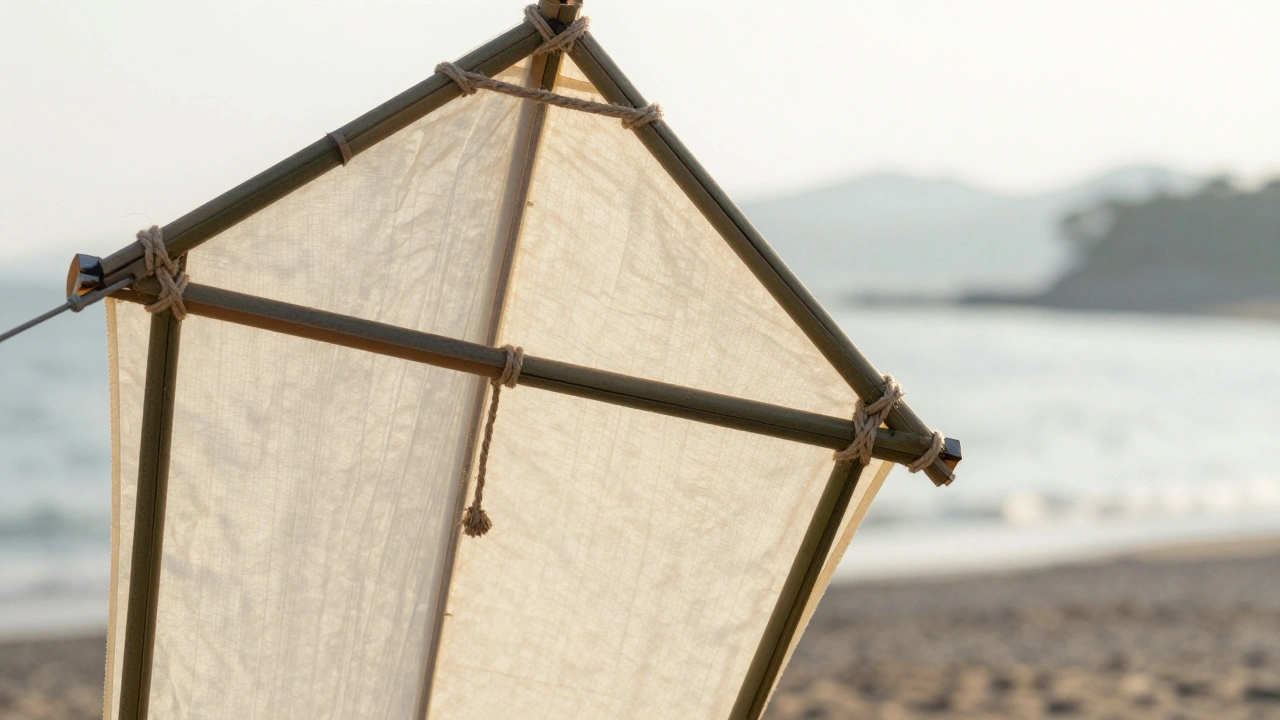
Why a hexagon? It isn't just about aesthetics. The six-sided geometry provides a structural rigidity that allows the kite to withstand the brutal gusts of the Japanese coastline. The frame is crafted from Bamboo, specifically aged and treated to ensure it doesn't snap under pressure. The skin is typically made from Washi paper, a durable, handmade Japanese paper that absorbs moisture without tearing easily. To get a Rokkaku in the air, you don't just run with it. You need a bridle system that is precisely tuned. If the angle is off by even a few degrees, the kite will spiral or refuse to climb. The weight is concentrated at the bottom to create a natural keel effect, meaning the kite wants to stay upright. This physics lesson is passed down from grandfather to grandson, often kept as a family secret to give them an edge during festivals.Hamamatsu: The Battle of the Giants
When you talk about Rokkaku traditions, you have to start with the Hamamatsu Kite Festival in Shizuoka. This isn't a friendly gathering; it's a combat sport. In Hamamatsu, the goal isn't just to fly-it's to knock the opposing kite out of the sky. Imagine two massive kites, each measuring up to 6 meters across, locked in a struggle for air superiority. The teams use a technique where they intentionally dive their kite onto the opponent's line, attempting to tangle or snap the string. It's a chaotic, adrenaline-fueled spectacle that attracts thousands of spectators. The teams are often based on local neighborhoods, and winning the championship brings immense prestige to the entire district. They don't use synthetic lines here; they use heavy-duty ropes that can handle the sheer force of a 20-square-meter sheet of paper catching a gale.The Spiritual Side: Kites as Prayers
Beyond the fighting, there's a deeper meaning to these festivals. Many regional variations focus on the concept of "sending a message to the heavens." In some prefectures, the kites are painted with images of Buddhist symbols or fierce deities to ward off evil spirits and disease. For example, in smaller village festivals, parents write the names of their children on the kites. The idea is that as the kite ascends, it carries the child's prayers for health and success up to the gods. It's a beautiful contrast: the aggression of the Hamamatsu battles versus the quiet, hopeful nature of the prayer kites. The act of flying is seen as a bridge between the earthly realm and the divine, making the festival as much a religious event as a cultural one.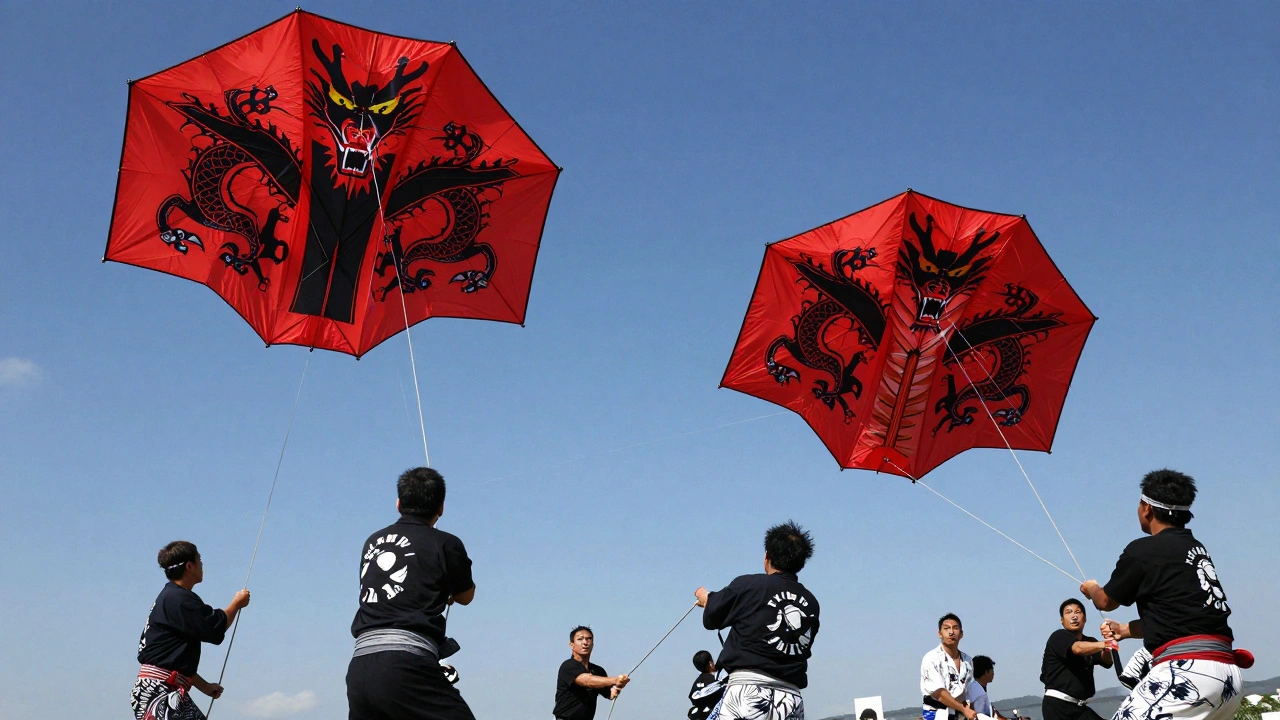
Regional Variations and Crafting Techniques
Not every Rokkaku is built the same. Depending on the region, you'll see a massive shift in materials and design to adapt to local wind patterns.| Region | Primary Goal | Frame Material | Typical Size | Key Feature |
|---|---|---|---|---|
| Hamamatsu (Shizuoka) | Combat/Takedown | Heavy-duty Bamboo | Giant (up to 6m) | Reinforced edges for collisions |
| Tohoku Region | Prayer/Aesthetics | Lightweight Bamboo | Medium (2-3m) | Intricate hand-painted art |
| Coastal Kyushu | Endurance | Mixed Hardwoods | Large (4-5m) | High-tension bridle systems |
The Process of Building a Traditional Rokkaku
Making one of these is a slow process. You can't just rush it, or the kite will be unbalanced, and a crooked Rokkaku is useless.- Bamboo Selection: The builder finds a piece of bamboo with the right flexibility. They use a technique called "fire-bending," where the wood is heated over a flame to curve it into the precise hexagonal arc without cracking the fibers.
- Tying the Frame: Traditional hemp twine is used to lash the joints. No nails, no glue-just tension and knots. This allows the frame to flex slightly under wind pressure, which prevents it from snapping.
- Applying the Washi: The paper is glued to the frame using a paste made from cooked starch. This ensures the bond is strong but can be repaired if the paper rips during a flight.
- Painting and Symbols: This is where the family or team identity comes in. Using bold colors-mostly red, black, and gold-they paint symbols of strength, such as tigers or dragons.
- Bridle Tuning: This is the most secretive part. The builder ties the strings to the frame at specific points. They'll often test the kite in a small breeze, adjusting the knots by millimeters until the kite achieves the perfect "attack angle."
Common Pitfalls for Beginners
If you're trying to get into this hobby, don't start with a 6-meter giant. Most beginners make the mistake of ignoring the wind speed. A Rokkaku is not a "low wind" kite. If you try to fly one on a calm afternoon, it will simply plummet. You need a consistent breeze, usually above 15 knots, to provide the lift necessary for the heavy bamboo frame. Another common error is using synthetic glue. Modern glues are often too rigid. When the bamboo flexes in the wind, a rigid glue joint will crack the paper. Stick to the traditional starch-based pastes; they move with the material. Finally, don't overlook the bridle. If your kite keeps diving, your center of gravity is too low. If it won't rise, it's likely too nose-heavy.The Future of the Tradition in a Digital Age
With fewer people taking up traditional crafts, some festivals have started incorporating technology to keep the youth interested. Some teams now use software to model wind resistance and optimize the hexagon's proportions before they even cut the bamboo. However, the heart of the tradition remains the same: the collective effort. You can't fly a true Rokkaku alone. It requires a team-someone to hold the kite, someone to manage the line, and someone to watch the wind. This social bond is why these festivals persist. It's not just about the kite; it's about the community that gathers to pull a giant piece of paper into the sky.What makes a Rokkaku kite different from a standard diamond kite?
The main difference is the shape and weight. A Rokkaku is hexagonal, providing more structural stability and surface area, which allows it to carry a much heavier frame made of thick bamboo. While diamond kites are designed for light, easy flight, the Rokkaku is built for power and stability in high-wind environments, often used in competitive battles.
Can I fly a Rokkaku kite in my backyard?
Only if you have a very large, open space and significant wind. Because of their size and weight, Rokkaku kites require a lot of room to launch and a strong, steady breeze to stay aloft. They are not suitable for small parks or low-wind areas.
Why is bamboo used instead of carbon fiber or plastic?
Bamboo offers a unique combination of strength and flexibility. In a kite battle, the frame needs to bend without breaking. Carbon fiber is often too rigid, which can lead to catastrophic snaps under extreme pressure, whereas bamboo absorbs the shock and springs back.
How are the "battles" in the Hamamatsu festival judged?
The battles are largely about dominance in the air. A team wins by maneuvering their kite to tangle the opponent's line or forcing the other kite to dive and crash. It's a test of both the kite's build quality and the team's ability to read the wind and coordinate their movements.
Is Washi paper the only material used for the skin?
While traditional kites use Washi, some modern versions use reinforced nylon for extreme durability in combat. However, purists and those participating in cultural exhibitions always use Washi because it allows the kite to "breathe" and interact with the wind more naturally.