Key Takeaways
- Basant is a deep-rooted cultural celebration of spring, most famous in Lahore.
- The festival centers on competitive kite fighting using specially coated strings.
- Traditional music and food are inseparable from the kite-flying experience.
- Safety concerns and legal bans have shifted the celebration toward private or regional events.
- It remains a powerful symbol of Punjabi identity and communal joy.
The Art of the Fight: More Than Just Flying
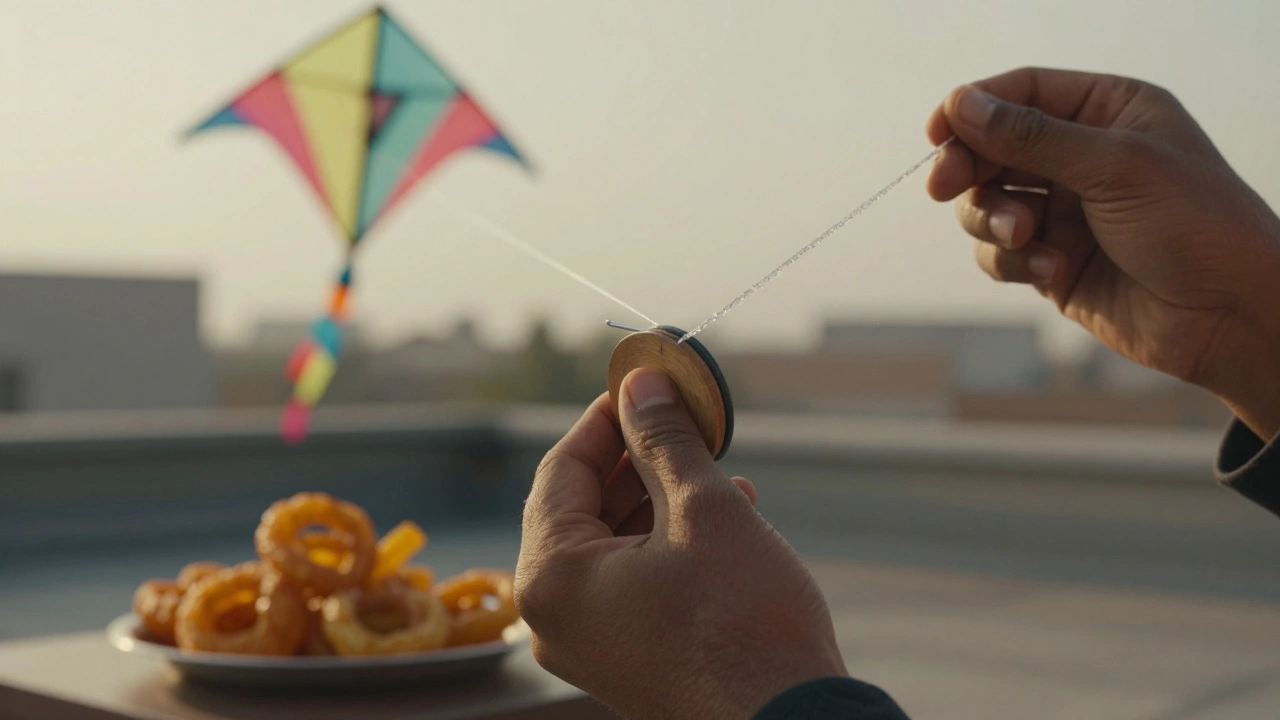
If you think Basant is just about letting a kite float, you're missing the point. It's a battle. The central tool of this competition is the Patang, a lightweight kite made from thin tissue paper and bamboo sticks. But the real secret lies in the string. Unlike the cotton thread you might use for a child's kite, Basant participants use Manjha, which is a specialized string coated with a mixture of glue and crushed glass. This makes the string abrasive, allowing a skilled flyer to "saw" through an opponent's line in seconds.
The strategy is intense. Flyers spend hours analyzing wind currents and the movement of other kites. There are two main styles of attack: the "dive," where you plunge your kite rapidly onto the opponent's string, and the "pull," where you use a quick, sharp tug to snap the other line. When a kite is finally severed, the neighborhood erupts. The phrase "Bo katta" (meaning "it's cut!") signals a victory that can be heard blocks away, often followed by the sight of people sprinting across rooftops to catch the drifting trophy.
Lahore: The Epicenter of Spring
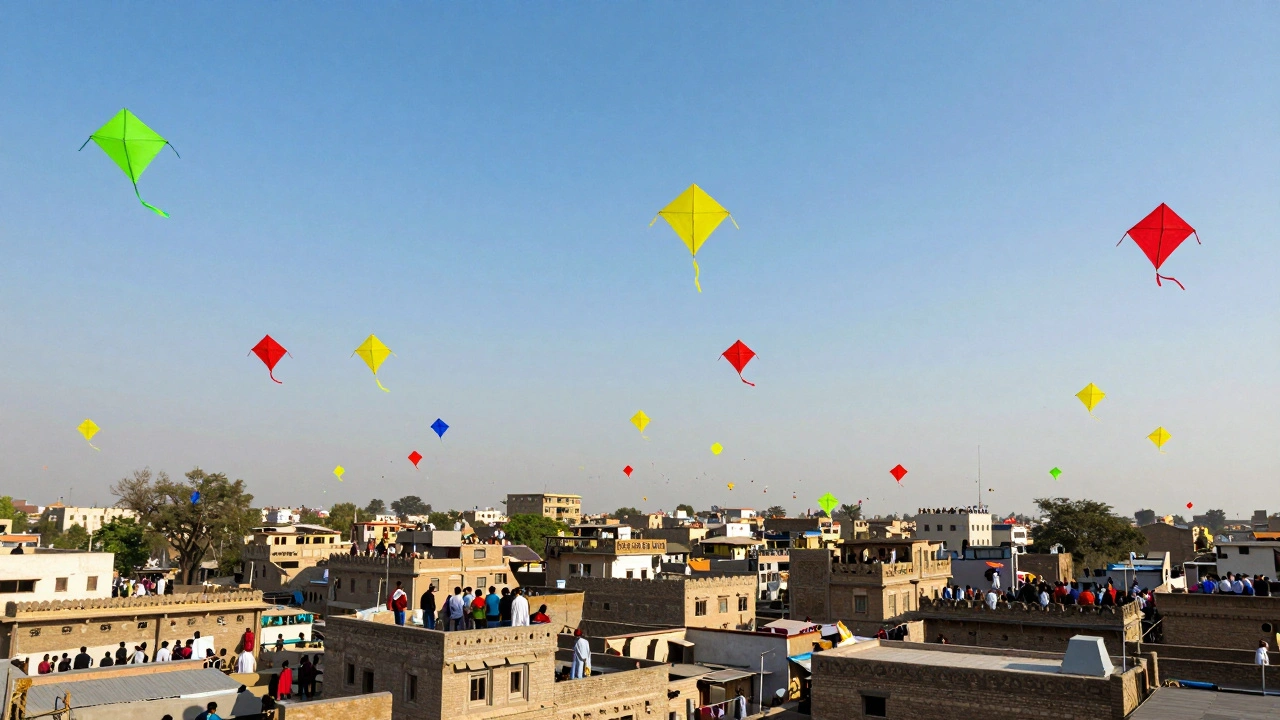
While Basant is celebrated in various parts of the country, Lahore is the undisputed capital of the festivities. The city's architecture, with its flat rooftops, provides the perfect stage for this urban spectacle. In the peak of the festival, every roof becomes a social hub. Families set up lavish spreads of food, including spicy pakoras and sweet jalebis, while huge sound systems blast Bhangra music to keep the energy high.
The social hierarchy of the city momentarily dissolves during Basant. You might find a wealthy businessman and a street vendor competing side-by-side, both focused on the same tiny speck of color in the sky. The festival transforms the city into a living gallery. The contrast between the ancient walls of the Walled City and the neon-colored kites creates a visual bridge between Pakistan's imperial past and its vibrant present.
| Component | Material | Purpose | Key Attribute |
|---|---|---|---|
| Patang | Tissue Paper / Bamboo | Aerial vehicle | Ultra-lightweight |
| Manjha | Glass-coated thread | Cutting tool | Abrasive texture |
| Firkee | Wood/Plastic Spool | String storage | Rapid release |
The Sensory Experience: Music, Food, and Chaos
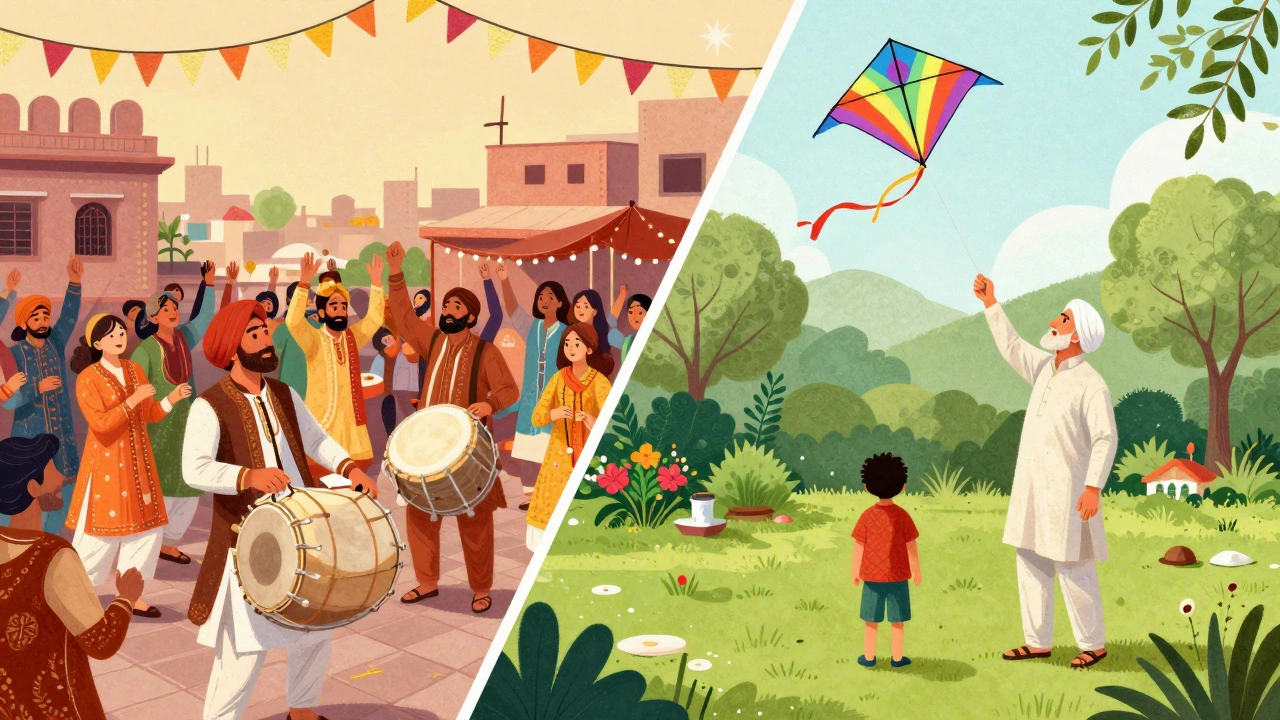
You can't talk about Basant without talking about the noise. The festival is a sensory overload. The heavy bass of Dhol drums-traditional double-sided drums-pulses through the air, synchronization with the rhythmic movements of the kite flyers. It's an atmosphere of pure euphoria. For many, the music isn't just background noise; it's a way to signal the start of a "battle" or to celebrate a successful cut.
Food is the second pillar of the celebration. Because the festival lasts for several days, rooftop parties become endurance tests of eating and flying. Platters of biryani and seasonal fruits are passed around. The warmth of the Spring season makes the outdoors inviting, and the communal nature of the meal reinforces the bonds of neighborhood and family. It's less of a formal holiday and more of a city-wide block party that happens to take place on the roofs.
The Shift: Safety and Legal Challenges
Despite the joy, Basant has a dark side that led to significant changes in how it's celebrated. The very thing that makes the festival exciting-the Manjha-is also what makes it dangerous. The glass-coated strings are incredibly sharp. Over the years, there were tragic reports of birds being injured and, more seriously, motorcyclists being strangled by strings stretched across roads. This led the Government of Pakistan to impose bans on the festival in several major cities, including Lahore.
The ban didn't kill the spirit of Basant, but it changed its form. Now, many people fly kites in smaller towns or in private gardens where the risk to the public is lower. There is a growing movement toward using "safe" strings-threads that are strong enough to fly but not sharp enough to cause fatal injuries. This tension between tradition and safety is a recurring theme in modern Pakistani urban life, as the city tries to balance its cultural heritage with the needs of a crowded, motorized metropolis.
Preserving the Cultural Legacy
Even with the legal restrictions, Basant remains a potent symbol of Punjabi Culture. It represents a defiance of the mundane and a collective embrace of joy. For the younger generation, Basant is a link to their grandparents' stories-tales of legendary kite flyers who could control their Patangs with a flick of the wrist. The festival is a reminder that despite political or economic struggles, the simple act of looking up at the sky can unite a community.
Today, the influence of Basant can be seen in the diaspora. Pakistanis living in the UK, Canada, or the US often organize smaller spring kite gatherings to keep the tradition alive. While they may not have the rooftops of Lahore, the essence remains the same: a piece of brightly colored paper, a steady breeze, and the thrill of the chase. It is a celebration of resilience and the eternal return of spring.
When is Basant typically celebrated?
Basant is celebrated during the spring, usually peaking in February and March. The exact dates often vary based on the weather, as the festival requires specific wind conditions to make kite flying possible.
Is Basant legal in Pakistan?
In many major cities, including Lahore, there have been official bans on large-scale Basant celebrations due to safety concerns regarding the glass-coated strings (Manjha). However, it is still practiced in private settings or in regions where the ban is not strictly enforced.
What is the difference between a regular kite and a Patang?
A Patang is specifically designed for competition. It's a flat, diamond-shaped kite made of very thin tissue paper and light bamboo, allowing it to be extremely maneuverable in the wind, which is essential for "fighting" other kites.
What does "Bo Katta" mean?
"Bo Katta" is a celebratory shout used when a kite flyer successfully cuts the string of an opponent's kite. It essentially means "It's cut!" and is often followed by cheering and music.
Why is the string coated with glass?
The glass powder is added to the string to create a microscopic serrated edge. This allows the flyer to cut through the opposing kite's string through friction during a high-speed dive or pull maneuver.
Next Steps for Enthusiasts
If you're interested in experiencing the spirit of Basant safely, start by exploring the world of competitive kite flying in your own city. Look for "stunt kite" festivals where the focus is on aerobatics rather than cutting strings. For those wanting to dive deeper into the culture, researching the history of the Punjab region's folk music, especially Bhangra, will give you a better understanding of the energy that fuels the festival. If you're visiting Pakistan during the spring, check local guidelines and stick to designated safe zones to enjoy the colors of the season without risking safety.