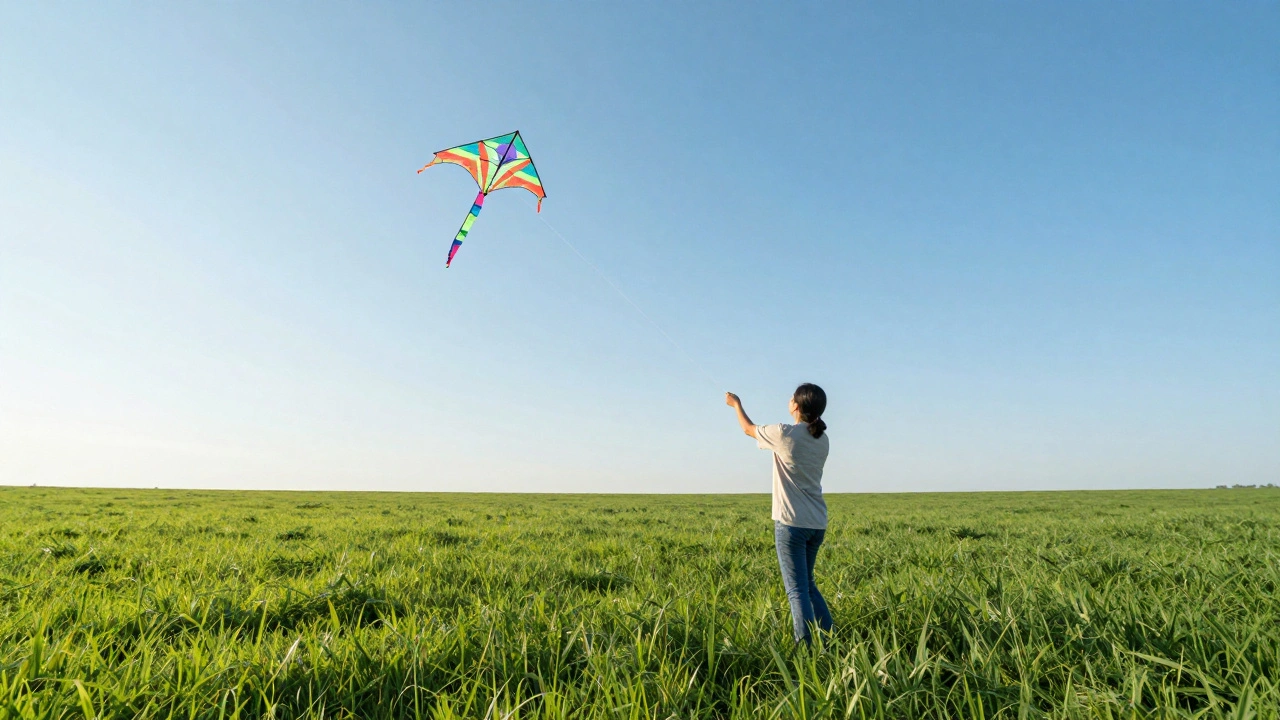
Quick Wins for Your Mental Health
- Instant Grounding: The physical sensation of the wind and the tension in the line pull you out of your head and into your body.
- Low-Impact Cardio: Walking and maneuvering a kite burns calories without the joint stress of running.
- Visual Meditation: Tracking a kite's movement creates a 'flow state' that quiets mental chatter.
- Digital Detox: It provides a legitimate excuse to leave the phone in the car for an hour.
The Science of Why Kites Calm Your Brain
When we talk about stress reduction with kites, we aren't just talking about a "nice day out." We're talking about a biological shift. Most of our stress comes from a state of hyper-vigilance-the "fight or flight" response managed by the Amygdala, the part of the brain that processes fear and emotion. When you engage in a rhythmic, outdoor activity, you trigger the parasympathetic nervous system, which tells your body it's safe to relax.
There's also the concept of Biophilia, which is the innate human tendency to seek connections with nature. Research on "forest bathing" or simply spending time in green spaces shows that cortisol levels-the hormone responsible for stress-drop significantly after just 20 minutes outdoors. Adding a kite to the mix introduces a goal-oriented task. You aren't just sitting in the grass; you're interacting with the elements. This combination of nature and active engagement is a powerful antidote to anxiety.
Physical Movement and the "Wind Effect"
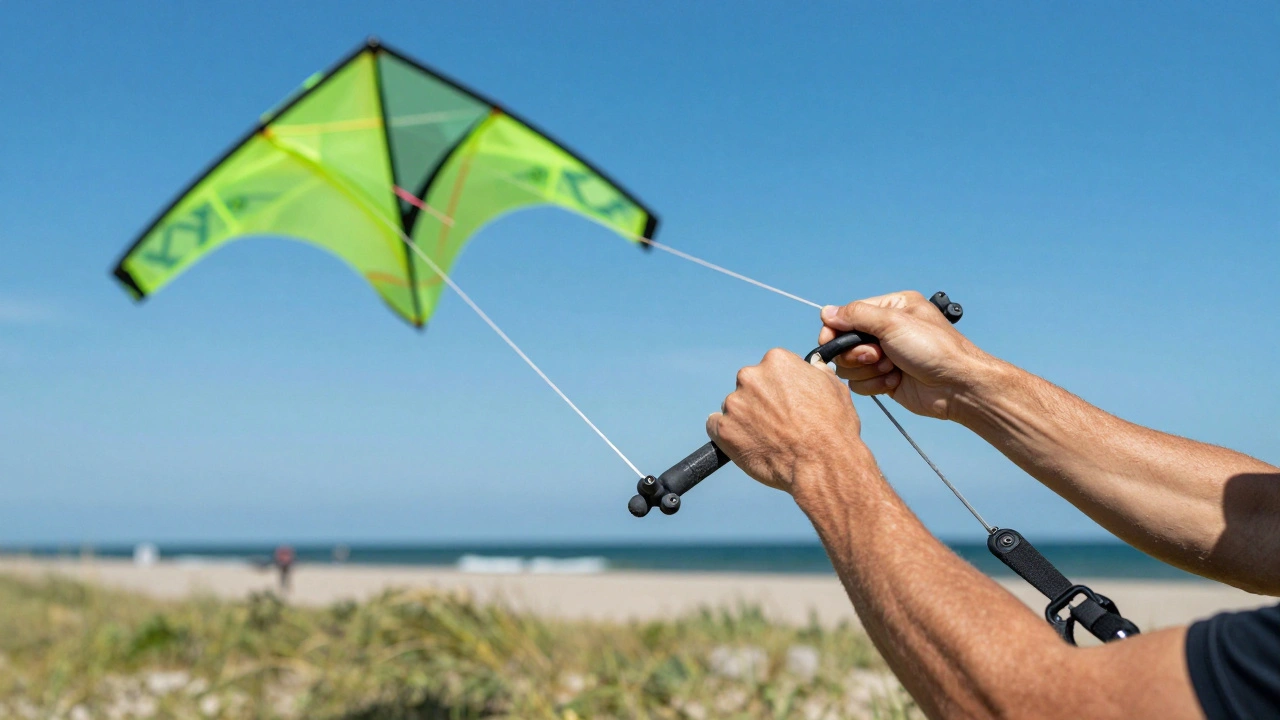
Kite flying isn't as sedentary as it looks. If you've ever flown a Stunt Kite, you know it's practically a workout. These dual-line kites require constant arm movements and quick footwork to steer the kite through the air. You're engaging your core, shoulders, and legs to maintain stability against the wind's pull.
This physical exertion releases Endorphins, the body's natural feel-good chemicals. Unlike a gym workout, which can sometimes feel like another chore on your to-do list, kite flying feels like play. When adults play, they enter a state of "flow," where the challenge of the activity matches their skill level perfectly. In this state, time seems to disappear, and the internal monologue of worry goes silent.
| Kite Type | Physical Intensity | Primary Mental Benefit | Best For... |
|---|---|---|---|
| Single Line (Diamond) | Low | Passive Meditation | Deep relaxation and zoning out |
| Stunt Kite (Dual Line) | High | Active Mindfulness | Releasing pent-up frustration/energy |
| Parafoil | Medium | Sensory Satisfaction | Beginners who want a guaranteed win |
| Power Kite | Very High | Adrenaline Rush | Combatting lethargy or depression |
Breaking the Cycle of Anxiety Through Focus
Anxiety thrives on the future-"What if this happens?" or "Why did I say that?" Kite flying forces you into the present. You have to feel the Wind Velocity, adjust the angle of the kite, and react to a sudden gust. If you lose focus for a second, the kite dips. This is a form of Mindfulness, a psychological process of bringing one's attention to the experience of the moment awarely.
For people struggling with intrusive thoughts, the visual tracking of a kite is particularly helpful. Your eyes follow a moving object against a wide, open sky. This expansive view helps break the "tunnel vision" that often accompanies panic attacks or high-stress periods. By expanding your visual field, you effectively tell your brain that the environment is open and safe, rather than closed in and threatening.
Getting Started Without Adding More Stress
The last thing you need when you're stressed is a hobby that feels like a struggle. If you spend two hours fighting with a tangled string and a kite that won't stay up, you're going to leave the park feeling more frustrated than when you arrived. To make this a true mental health tool, keep it simple.
Start with a Parafoil Kite. These don't have a rigid frame, so they don't break if they crash, and they launch almost instantly. Once you feel the rhythm of the wind, you can move up to more complex gear. The goal isn't to become a professional aerialist; the goal is to clear your head. Find a local park or a beach-anywhere with a wide-open space and a steady breeze. If you're in a city, look for "wind corridors" near the waterfront where the air flows consistently.
The Social Aspect: Connection and Shared Joy
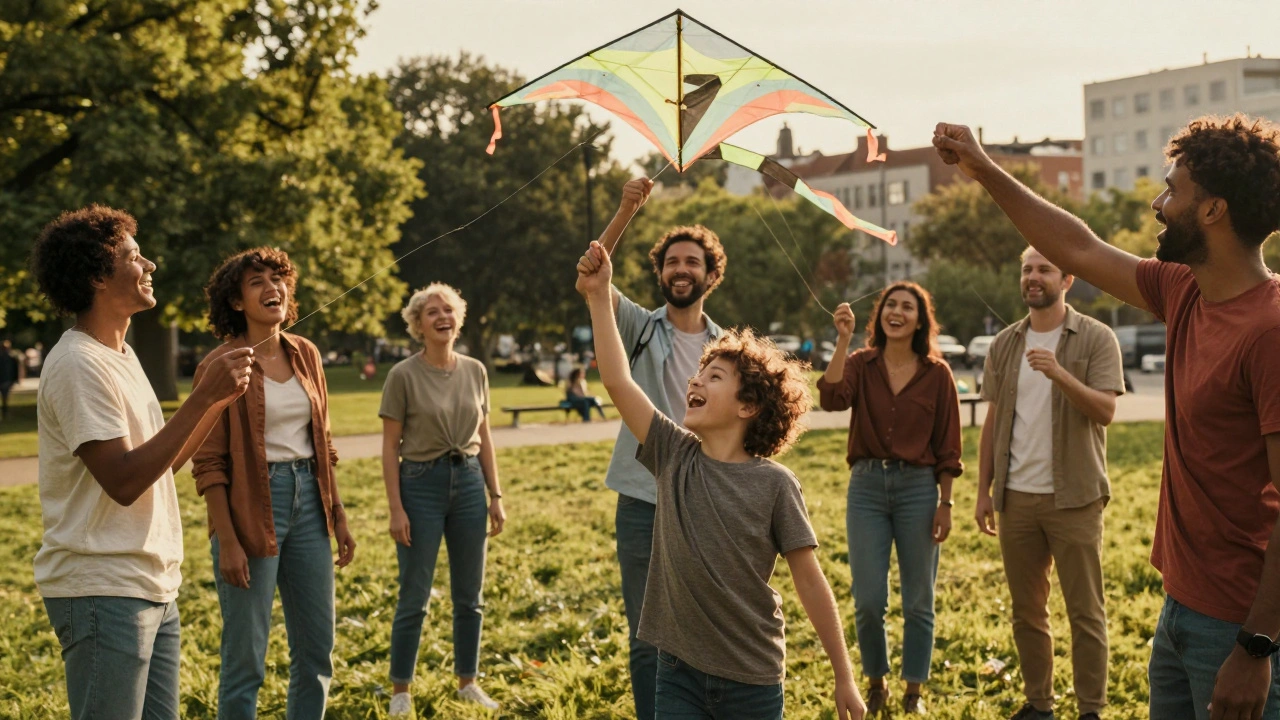
While solo flying is great for introspection, kites are inherently social. There's a unique bond that forms when you're at a park and someone asks about your gear or helps you launch. In a world where most of our social interactions are mediated by screens, these brief, authentic human connections are vital for mental health.
Bringing a child or a friend into the activity adds another layer of benefit. Teaching someone else how to catch the wind shifts your focus from your own internal struggles to the success of another person. This altruistic shift is a proven way to boost mood and create a sense of belonging, which is one of the strongest protectors against depression.
Do I need a lot of wind to experience these benefits?
Not necessarily. While you need enough wind to keep the kite aloft, the mental benefits come from the act of attempting to connect with the wind and the visual of the kite in the air. Even a light breeze is enough for a lightweight kite to fly, allowing you to engage in the mindful movement and outdoor exposure.
Can kite flying really replace a gym workout?
For some, yes. While it's not high-intensity interval training, flying a stunt kite for an hour involves significant upper-body and core engagement. It provides a steady stream of low-to-moderate aerobic activity that improves heart health and burns calories while keeping the mental stress low.
What if I'm too anxious to go to a public park?
Start small. Find a quiet corner of a local park during off-peak hours or find a private open field. The goal is to create a "safe space" for yourself. Once you feel the calming effect of the kite, you may find that your confidence in social spaces increases naturally.
Is kite flying a recognized form of therapy?
While not a clinical replacement for professional therapy, it falls under the umbrella of "Ecotherapy" and "Recreational Therapy." These practices use nature and active hobbies to supplement mental health treatment, helping patients manage stress and anxiety through tactile, outdoor experiences.
Which kite is best for someone with a very short attention span?
A stunt kite is your best bet. Because it requires constant input and provides immediate visual feedback (the kite moves exactly where you steer it), it keeps the brain engaged and provides the stimulation needed to prevent the mind from wandering back to stressful thoughts.
Next Steps for Your Stress-Free Journey
If you're feeling overwhelmed today, don't overthink it. You don't need a professional kit or a trip to a windy coast. Find a basic kite, head to the nearest open green space, and just let the wind take the weight of your worries for a while. If you find that the physical movement helps, try incorporating a walking meditation before you launch. If you're looking for more challenge, look for a local kite club to turn a solitary stress-relief tool into a community experience.