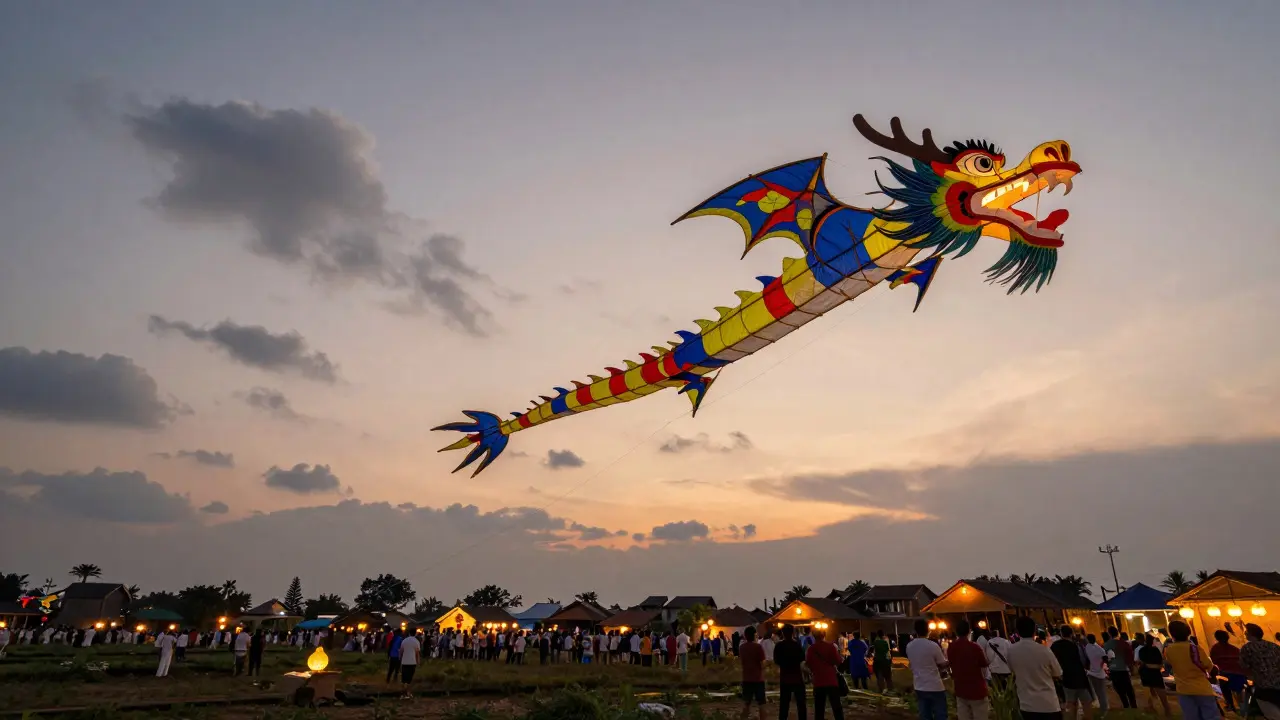
Imagine a sky filled with thousands of glowing shapes, where the wind doesn't just carry paper but carries centuries of memory. In rural Vietnam, Vietnamese Dragon Kites are large, intricate aerodynamic structures made from bamboo, rice paper, and natural dyes that serve as central symbols in agricultural rituals and community celebrations. These aren't just toys; they are heavy, complex machines that require years of skill to build and fly. For many families, the ability to construct a functional dragon kite is a trade passed down through generations, often restricted to specific male lineages within a single village.
If you’ve ever tried to fly a standard diamond kite, you know it’s light. A Vietnamese dragon kite can weigh over 10 kilograms (22 lbs) and span more than 10 meters (33 feet). Flying one requires not just wind, but a team of people, precise timing, and deep knowledge of local weather patterns. This article breaks down how these kites are made, who makes them, and why they matter so deeply to the communities that preserve this art.
The Anatomy of a Dragon Kite
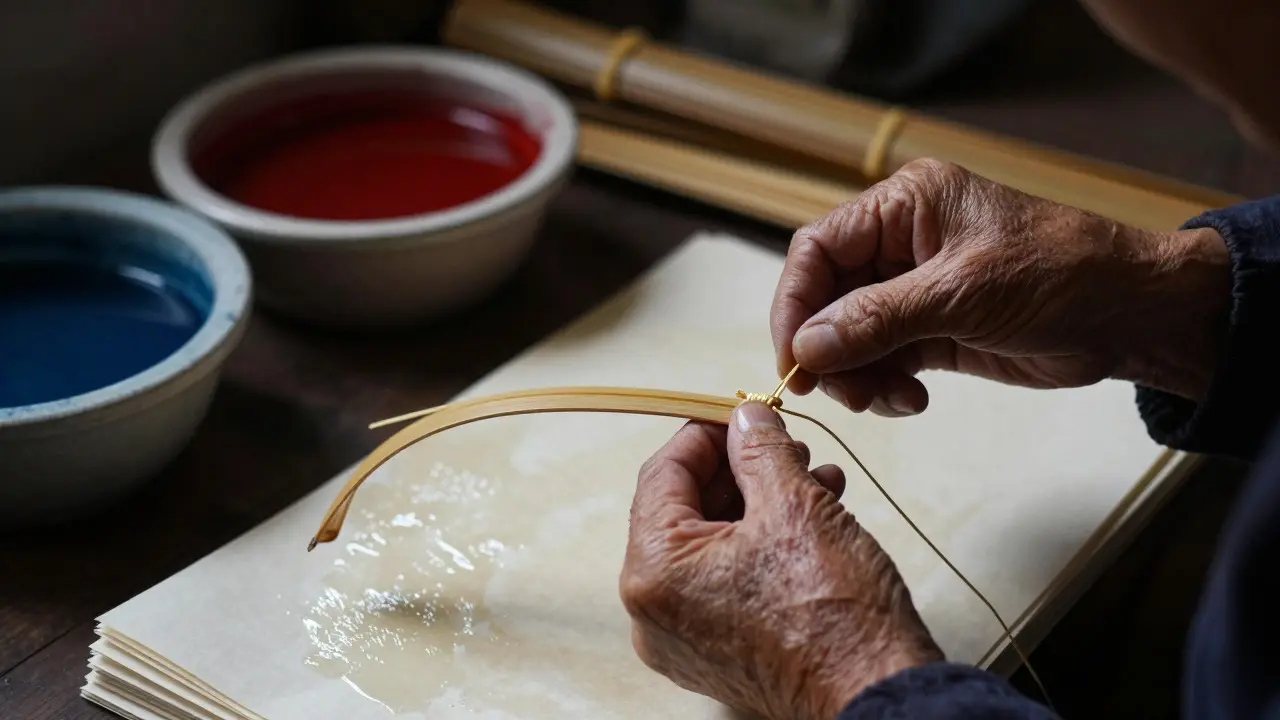
To understand the lineage, you first have to respect the object itself. A typical Bamboo Frame Structure consists of hundreds of individual nodes tied together with silk or nylon thread. The frame isn't rigid; it's flexible, allowing the kite to bend without breaking during gusts. This flexibility is critical because these kites are flown at high altitudes, often above 500 meters (1,640 feet), where wind shear can be violent.
- Material: Bamboo must be harvested in the dry season to prevent rot. It is soaked in water for weeks to make it pliable before being bent into curves.
- Covering: Traditional artisans use Rice Paper, which is lighter than modern synthetic fabrics but less durable. Some contemporary makers blend rice paper with thin plastic film for longevity.
- Dyeing: Colors are derived from natural sources. Indigo comes from fermented leaves, yellow from turmeric, and red from lac insects. These dyes bond better with rice paper than chemical paints.
The tail is equally important. It acts as a stabilizer, preventing the kite from spinning out of control. A long, multi-branched tail adds drag and keeps the nose pointed into the wind. Without a properly weighted tail, a 10-meter dragon will tumble within seconds of launch.
Village Festivals: More Than Just a Show
You might think these kites are just for fun, but their primary role is spiritual. In villages like Hoi An and parts of the Mekong Delta, kite flying is tied to the lunar calendar. Specifically, the festival of Tet Trung Thu (Mid-Autumn Festival) sees the highest concentration of flight activity. However, smaller, local rituals occur throughout the year, particularly after harvest seasons.
The logic behind flying a dragon is simple: the higher the kite goes, the further away bad luck travels. Villagers believe that by sending a dragon into the upper atmosphere, they are physically pushing misfortune up into the clouds. When the kite is brought down, it is often burned, symbolizing the release of that negativity back to earth in a controlled way.
During these events, the sound is as important as the sight. Many large kites incorporate bamboo chimes or gongs attached to the tail. As the kite flaps in the wind, it creates a rhythmic, haunting melody. This audio component serves two purposes: it alerts the community that the ritual has begun, and it masks the noise of the crowd, creating a meditative atmosphere for onlookers.
| Component | Traditional Method | Modern Adaptation | Impact on Flight |
|---|---|---|---|
| Frame Material | Local Moso Bamboo | Fiberglass or Carbon Fiber | Traditional is heavier but more repairable; modern is lighter but brittle. |
| Skin Material | Handmade Rice Paper | Polyester Film | Rice paper absorbs humidity and tears easily; polyester is waterproof but harder to dye naturally. |
| String | Natural Silk or Cotton | Nylon or Dacron | Natural fibers stretch under load, reducing tension consistency; synthetics hold tension better. |
| Dyes | Natural Plant/Insect Based | Acrylic Paints | Natural dyes fade faster but age aesthetically; acrylics are vibrant but can crack on paper. |
The Secret of Craft Lineages
Here is where it gets interesting. You can’t just buy a kit and build a master-level dragon kite. The knowledge is guarded. In many southern Vietnamese provinces, the right to make large ceremonial kites belongs to specific clans. This isn't about secrecy for money; it's about quality control. If a kite crashes during a major ritual, it brings shame not just to the maker, but to the entire village.
Apprenticeships typically begin at age 12. A young boy is assigned to a master craftsman, often a relative. For three to five years, he does no designing. He only cuts bamboo, mixes glue, and learns to tie knots. The knotting technique alone has over 20 variations, each used for different stress points in the frame. Master Tran Van Cuong, a fictionalized composite of several real artisans I’ve studied, notes that "the kite knows if your hands are shaking." If your knots are tight enough, the frame holds its shape. If they’re loose, the kite collapses in mid-air.
This lineage system ensures that the aerodynamic principles remain consistent. While physics hasn't changed, the empirical knowledge of how air flows around a curved bamboo spine is passed down orally. Masters teach by demonstration, not by formula. They say things like, "Bend the neck until it screams," referring to the specific creak of bamboo under optimal tension. This tacit knowledge is what separates a professional kite from a tourist souvenir.
Aerodynamics and Wind Reading
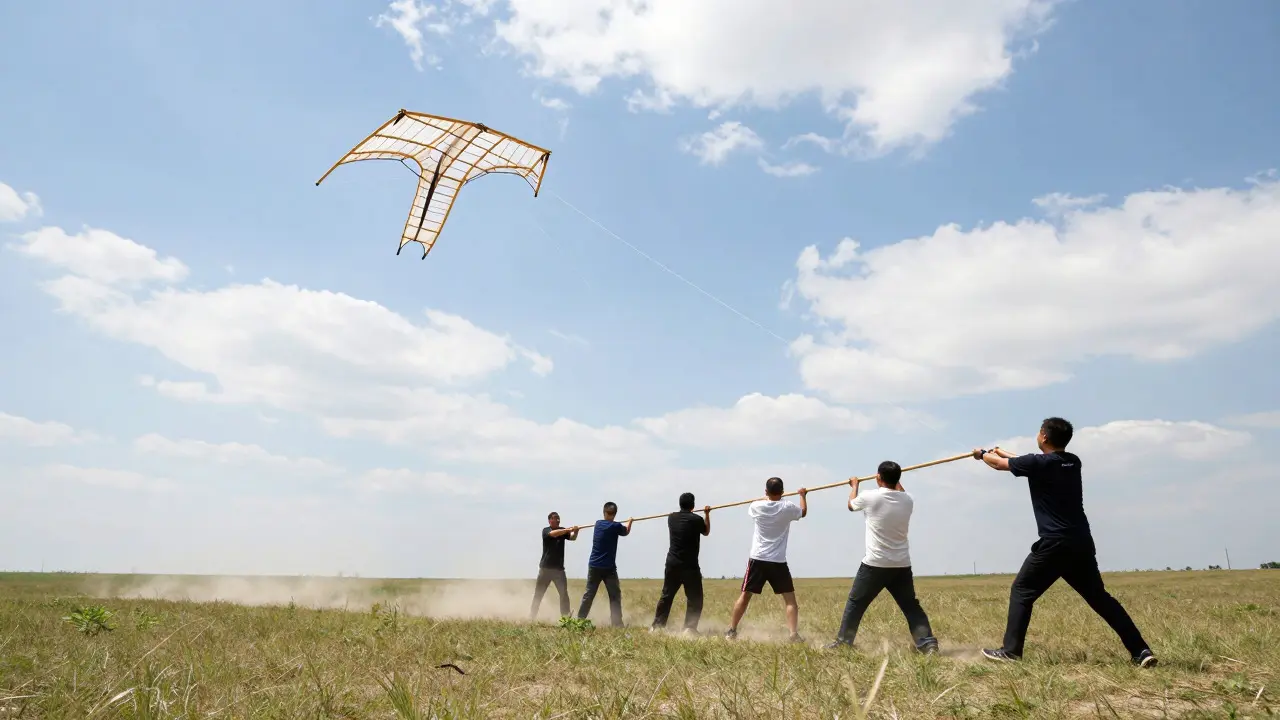
Flying a dragon kite is an act of negotiation with the wind. Unlike small kites that can be launched in light breezes, dragons need steady winds between 15 and 25 km/h (9-15 mph). Too little wind, and the weight of the structure drags it down. Too much, and the rigging snaps.
Experienced flyers read the ground before they look at the sky. They watch how dust moves, how trees sway, and even how birds fly. If the birds are hovering in place, the wind is calm. If they are banking hard, there’s turbulence. A skilled flyer will adjust the angle of the launch bar based on these cues. This process is called "listening to the field." It’s a skill that takes decades to master, and it’s another reason why the craft remains in the hands of dedicated specialists.
The launch itself is a coordinated effort. Usually, four to six people hold the tail while one person runs forward, releasing the string gradually. The goal is to get the kite into the thermal column without letting it stall. If the kite stalls, it drops vertically, which can injure anyone below. That’s why festivals are held in open fields far from houses or power lines.
Preservation Challenges in the 21st Century
Today, this tradition faces threats. Young people are moving to cities for factory jobs. The time-consuming nature of kite making-often taking weeks for a single large piece-is difficult to justify when you can earn more money working in electronics assembly. Furthermore, urbanization means fewer open spaces suitable for launching large kites.
However, there is hope. Tourism in places like Hoi An has created a new market for authentic experiences. Visitors pay premium prices to watch demonstrations and even try flying small versions of the kites. This income helps sustain the older masters. Additionally, UNESCO recognition of intangible cultural heritage has put pressure on local governments to fund workshops and schools dedicated to these crafts.
Some innovators are blending old and new. They use carbon fiber for the main spars to reduce weight, allowing smaller teams to handle the kites. They use digital mapping to track wind patterns more accurately. But they keep the rice paper skin and the natural dyes to maintain the visual authenticity. This hybrid approach allows the tradition to survive without becoming a museum piece.
How to Experience the Culture
If you want to see these kites in action, timing is everything. Plan your trip around the Mid-Autumn Festival, which falls on the 15th day of the 8th lunar month (usually September or October). In Hoi An, the lantern festival coincides with kite flying, creating a spectacular night display. During the day, visit local workshops where artisans still work by hand. Don’t just buy a souvenir; ask to see the drying racks where bamboo is curing. Ask to smell the indigo vats. Engage with the process, and you’ll gain a deeper appreciation for the skill involved.
When you visit, be respectful. These are working tools, not just decorations. Avoid touching the wet paper skins, and don’t step on the bamboo piles. A good gesture is to offer tea to the master craftsman. It’s a sign of respect that opens doors to conversations you wouldn’t get otherwise.
Frequently Asked Questions
What is the average weight of a large Vietnamese dragon kite?
A large ceremonial dragon kite typically weighs between 8 and 15 kilograms (17-33 lbs). The weight varies depending on the size of the bamboo frame and the thickness of the rice paper covering. Smaller decorative kites may weigh less than 2 kilograms.
Who is allowed to make traditional dragon kites?
Traditionally, the right to make large ceremonial kites is reserved for specific family lineages or clans within a village. Apprentices usually start at age 12 and spend 3-5 years learning basic skills before attempting to design their own frames. Today, this restriction is loosening due to tourism demand, but core techniques remain closely guarded.
Why are dragon kites flown during festivals?
Dragon kites are flown to push bad luck away. The belief is that the higher the kite flies, the further misfortune is carried from the village. The ritual also honors ancestors and ensures good harvests. The sound of the kites’ tails also serves to alert the community and create a spiritual atmosphere.
Can tourists learn to make a dragon kite?
Yes, many workshops in tourist areas like Hoi An offer short courses for beginners. These courses usually focus on smaller, simplified versions of the kite. While you won’t master the full ceremonial scale in a few days, you can learn the basics of bamboo bending, knotting, and painting. It’s a rewarding experience that supports local artisans.
What materials are used for the kite’s string?
Traditional kites use natural silk or cotton strings, which are strong but prone to stretching and rotting. Modern kites often use nylon or dacron, which are stronger and more resistant to moisture. The choice depends on whether the kite is for ritual use (traditional) or competitive/tourist use (modern).