Quick Takeaways
- Mentorship accelerates your learning curve by providing real-time feedback on line tension and wind reading.
- Finding a mentor usually happens through local clubs or regional festivals rather than paid ads.
- The best mentorships are reciprocal; you offer your enthusiasm and help with gear setup in exchange for wisdom.
- Safety is the primary focus of any experienced flyer, especially when dealing with high-wind scenarios.
The Real Value of a Kite Mentor
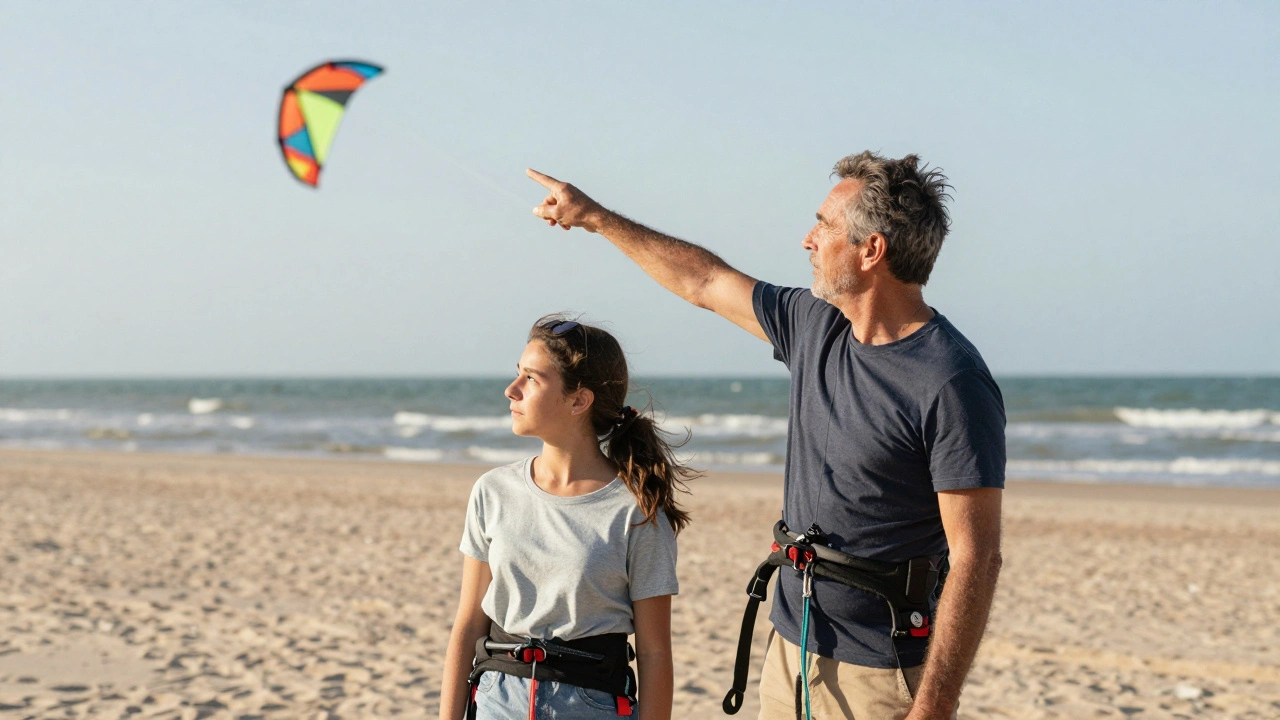
You can watch a thousand YouTube videos on how to launch a kite, but a video can't tell you that the wind shifting three degrees to the left is about to crash your rig. Kite Mentorship is a collaborative learning process where an experienced practitioner guides a novice through the technical and intuitive aspects of kite flying. It is less about a formal classroom and more about "shoulder-to-shoulder" learning.
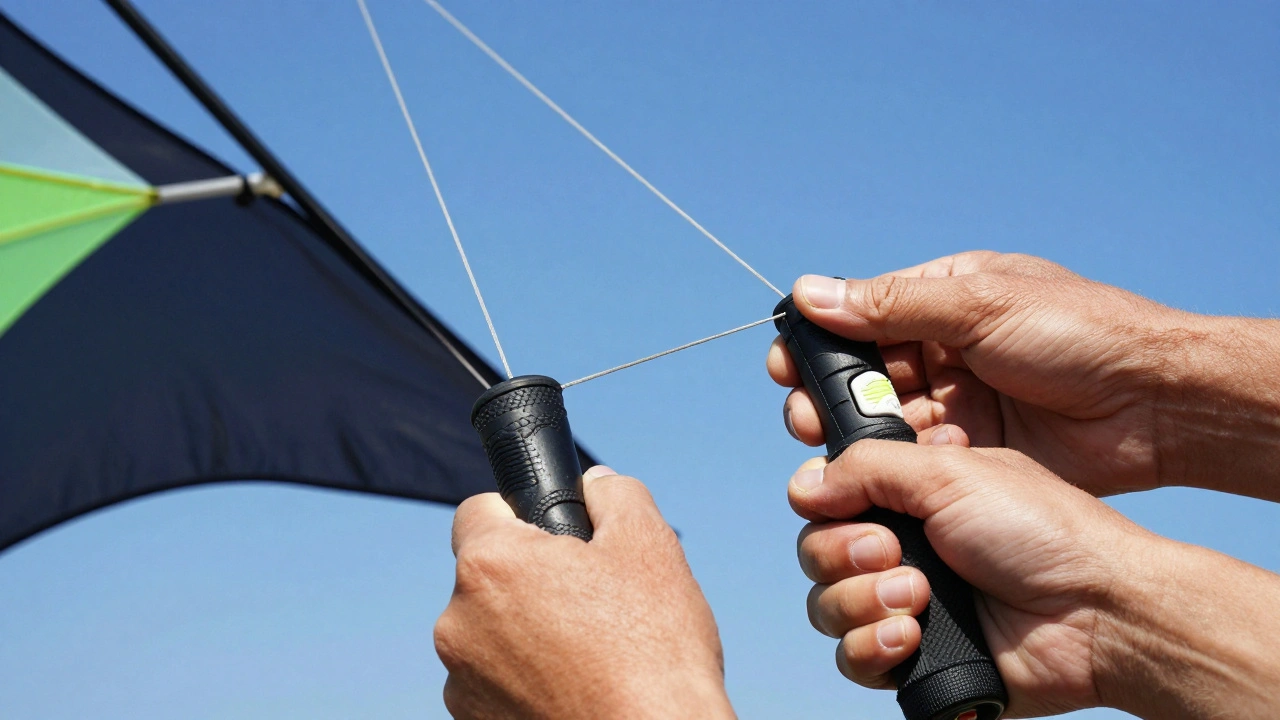
A mentor helps you develop "wind feel." This is that intuitive sense of how the air is moving around you. For example, an experienced flyer can look at the ripples on a pond or the way a specific tree is leaning to tell you exactly where the kite mentorship experience will be most productive today. They teach you the subtle art of "steering by feel," where you stop looking at the kite and start feeling the pull in your wrists. This transition from visual dependence to tactile awareness is the hallmark of a pro.
Where to Find Experienced Flyers
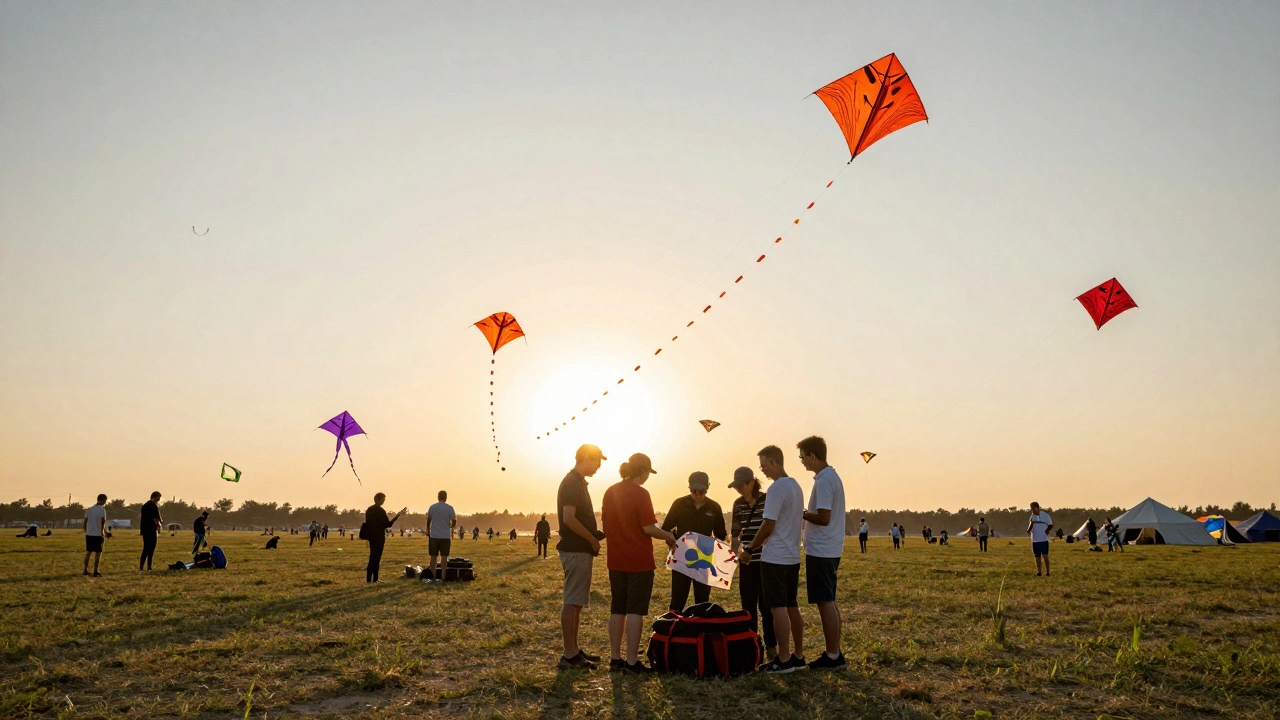
You aren't likely to find a mentorship listing on a job board. Most of these relationships grow organically. The first place to look is a Kite Club, which is a community organization dedicated to the promotion and practice of kite flying. These clubs often host "fly-ins" where the veterans gather. If you show up with a basic rig and a genuine desire to learn, the experts are usually more than happy to share their secrets.
Regional festivals are another goldmine. Events like the International Kite Festival attract the best in the world. While these flyers are busy performing, the hours before the event-during the setup phase-are perfect for networking. Ask them about their gear, why they chose a specific fabric, or how they handle turbulent air. Most pros love talking about the physics of their craft.
| Goal | Best Location | What to Ask |
|---|---|---|
| Basic Stability | Local Parks / Beach meetups | "Why is my kite dipping consistently to the left?" |
| Advanced Maneuvers | Specialized Kite Clubs | "How do I maintain tension during a tight loop?" |
| Gear Customization | Industry Trade Shows / Festivals | "Which ripstop nylon weave handles high wind better?" |
Technical Skills You'll Learn From a Pro
When you start working with a mentor, you'll realize that the basics are just the tip of the iceberg. One of the first things they'll teach you is Wind Window analysis. In kite flying, the wind window is the 180-degree arc of the sky where a kite can actually fly. A mentor will show you how to find the "edge of the window" and how to move your kite through the "power zone" without losing control.
Then there is the gear. A novice might buy a kit based on a flashy color, but a mentor will talk to you about Ripstop Nylon, which is a reinforced fabric woven with thick reinforcement threads at regular intervals to prevent tears. They can explain the difference between a 40-denier and a 70-denier fabric and how that choice affects the kite's weight and responsiveness in light breezes.
You will also learn about line management. Tangles are the enemy of every flyer. A mentor will show you the "figure-eight" wind-up method or how to use a line winder effectively so you don't spend half your afternoon untying knots. They'll teach you about the breaking strength of different lines-like Dyneema versus polyester-and when to swap them out to avoid a catastrophic snap during a high-wind session.
The Ethics of the Mentor-Student Relationship
Mentorship is a two-way street. If you just show up and demand a masterclass, you might find people reluctant to help. The most successful students are those who provide value back to the mentor. This doesn't have to be monetary. Often, a mentor just wants someone to help them carry the heavy gear bags to the field or someone to take high-quality photos of their new kite in action.
Be a "sponge." Listen more than you talk. When a mentor gives you a correction-like telling you to shift your weight back or loosen your grip on the handle-do it immediately. The fastest way to lose a mentor's interest is to argue with a result they've seen a thousand times. If the kite is crashing, the physics are the proof; the mentor is just the translator.
Common Pitfalls to Avoid
One danger for beginners is "over-gearing." You might be tempted to buy the most expensive, complex stunt kite available. A mentor will likely stop you and tell you to master a simple two-line kite first. Learning the fundamentals of lift and drag on a basic model is far more valuable than struggling with a high-performance rig that you can't control.
Another mistake is ignoring the "safety zone." Experienced flyers are obsessed with where they fly. They'll tell you to stay away from power lines, busy roads, and crowded areas. It might seem like overkill, but a rogue gust of wind can turn a 10-foot kite into a sail that can literally pull a person off their feet. A mentor teaches you to respect the wind's power before you try to harness it.
Finally, avoid the trap of trying to learn every style at once. Whether it's Stunt Kiting (precision flying) or Power Kiting (using the kite for traction), each has its own logic. Pick one, find a mentor specializing in that field, and build a foundation before branching out.
Do I need to pay for a kite mentor?
Most kite mentorships are informal and free. The community is generally very welcoming. However, some certified instructors at kite schools do charge for structured lessons. For casual learning, offering to help with gear or buying your mentor a coffee is usually the standard etiquette.
What is the best kite for a complete beginner?
Start with a Delta kite or a simple two-line stunt kite. These designs are naturally stable and easier to launch. Avoid "high-aspect ratio" kites initially, as they are more temperamental and harder to recover from a crash.
How long does it take to go from beginner to advanced?
With a mentor, you can master the basics in a few weekends. However, reaching an "advanced" level-where you can perform complex aerobatics or fly in varying wind conditions-usually takes a few seasons of consistent practice and a deep understanding of aerodynamics.
What should I do if my kite keeps crashing?
First, check your wind. If the wind is too light or too turbulent (gusty), no amount of skill will keep the kite up. Second, check your line tension; if the lines go slack, the kite loses its shape and falls. A mentor can help you find the "sweet spot" in the wind window to keep that tension constant.
Are there specific safety rules I should follow?
Always check for overhead power lines and avoid flying near airports. Use a safety leash if you are using power kites. Most importantly, if the wind picks up beyond the recommended limit for your kite's fabric, bring it down immediately to avoid shredding the canopy.
Next Steps for Your Journey
If you're ready to get started, your first move should be to find a local field or beach where you see other flyers. Bring your gear, but don't be afraid to admit you're a novice. The most respected flyers are often the ones who remember exactly how hard it was to get their first kite to stay aloft.
For those who want a more structured path, look for regional kite festivals. These are the hubs of the community. Attend a workshop if one is available, and spend your time observing the "launch and recovery" process. The way a pro puts their kite on the ground is just as important as how they fly it.
Once you have a mentor, set small goals. Instead of trying to do a loop on day one, aim to keep the kite stable for ten minutes. Then, aim to move it in a perfect circle. These incremental wins build the muscle memory you need to eventually fly with the confidence of a veteran.