Hosting a Community Kite Day is a public gathering where residents fly kites in open spaces like parks or beaches to foster social connection and recreational activity. It sounds simple: bring strings, launch kites, have fun. But if you’ve ever tried to organize a group of fifty people in a public park, you know the reality is messy. You need permission from the city, someone to manage the chaos, and a plan for when the wind shifts unexpectedly.
This guide breaks down the three pillars that make or break these events: legal permissions, human logistics, and physical safety. We’ll look at specific steps you can take right now to turn a vague idea into a successful afternoon in the sun.
Understanding the Permit Process
Before you buy a single spool of line, you need to know if you’re allowed to be there. Most cities treat public parks as shared resources, which means large gatherings often require a special use permit. This isn’t about red tape for its own sake; it’s about liability, parking, and trash removal.
Special Use Permits are official documents issued by local parks and recreation departments that authorize temporary events in public spaces. The application process usually starts 60 to 90 days before your desired date. Why so early? Because popular spots get booked fast, and city staff need time to review insurance requirements.
Here is what typically goes into an application:
- Event Description: A brief summary stating it is a non-commercial recreational kite flying event.
- Expected Attendance: Be realistic. If you expect 50 people but list 10, you might face fines later. If you list 200 but only get 50, you might pay for unnecessary security.
- Insurance Certificate: Many cities require General Liability Insurance with a minimum coverage of $1 million. This protects the city if a kite string cuts someone or a car gets scratched.
- Parking Plan: How will people get there? If you’re using a street parking zone, you may need to post signs or hire flaggers.
A common pitfall is assuming that because it’s “just” flying kites, no permit is needed. Small, informal groups (under 10-15 people) often slip under the radar. But once you promote the event on social media, it becomes a public event. Check with your local Parks Department specifically for their threshold for “large gatherings.” In many Oregon towns, this threshold is around 25-50 people.
Recruiting and Managing Volunteers
You cannot run a community event alone. Even if you handle the paperwork, you need eyes on the ground. Volunteers are the backbone of any successful Kite Flying Event is a coordinated effort requiring distinct roles for setup, supervision, and cleanup.
Don’t just ask friends to “help out.” That leads to confusion. Instead, create specific roles with clear responsibilities. Here is a standard structure for a mid-sized event (50-100 attendees):
- The Lead Organizer (You): Handles permits, insurance, and vendor communication. Does not fly kites during the event.
- Safety Marshals (2-3 people): Wear high-vis vests. Their job is to watch for tangled lines and ensure kids stay within bounds. They should carry first aid kits.
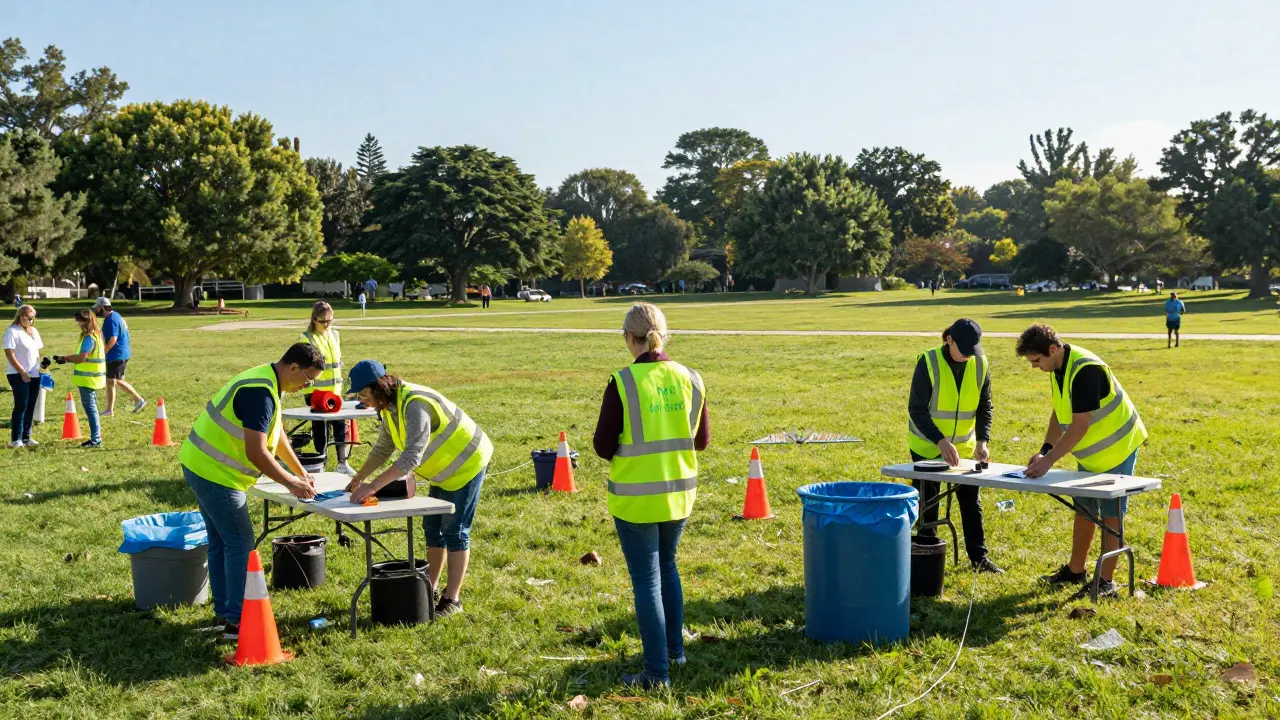
- Setup/Cleanup Crew (4-6 people): Arrive 1 hour early to set up tables, trash cans, and signage. Stay until everyone leaves to ensure the site is pristine.
- Welcome Desk (1-2 people): Checks people in, hands out wristbands or stickers, and answers questions about rules.
Communication is key. Create a group chat (like WhatsApp or Signal) for volunteers one week before the event. Share the weather forecast, the exact map of the venue, and a timeline. For example: "8 AM: Setup crew arrives. 10 AM: Gates open. 1 PM: Wind check. 3 PM: Cleanup begins."
Also, think about incentives. People volunteer for good causes, but they appreciate snacks. Budget for water, coffee, and maybe some local pastries for your team. It keeps morale high, especially if the wind dies down and the event drags.
Safety Protocols and Risk Management
Kites seem harmless, but they involve tension, height, and unpredictable weather. The biggest risks are tangling, line burns, and lightning. Addressing these proactively prevents minor incidents from becoming major headaches.
Kite Line Safety involves managing the tension and material of the string to prevent injury or property damage. Standard kite lines are made of nylon or Dacron, but power kites often use Dyneema, which is nearly invisible and very strong. If you allow power kites, be aware that they require more skill and space.
Here are specific safety measures to implement:
- Define a Launch Zone: Use cones or chalk to mark a specific area where kites are launched and retrieved. This prevents people from running into each other while holding lines.
- Keep Away from Power Lines: This is the #1 rule. Post visible signs near any electrical infrastructure. Dry kite lines are insulators, but wet lines conduct electricity. If it rains, stop flying immediately.
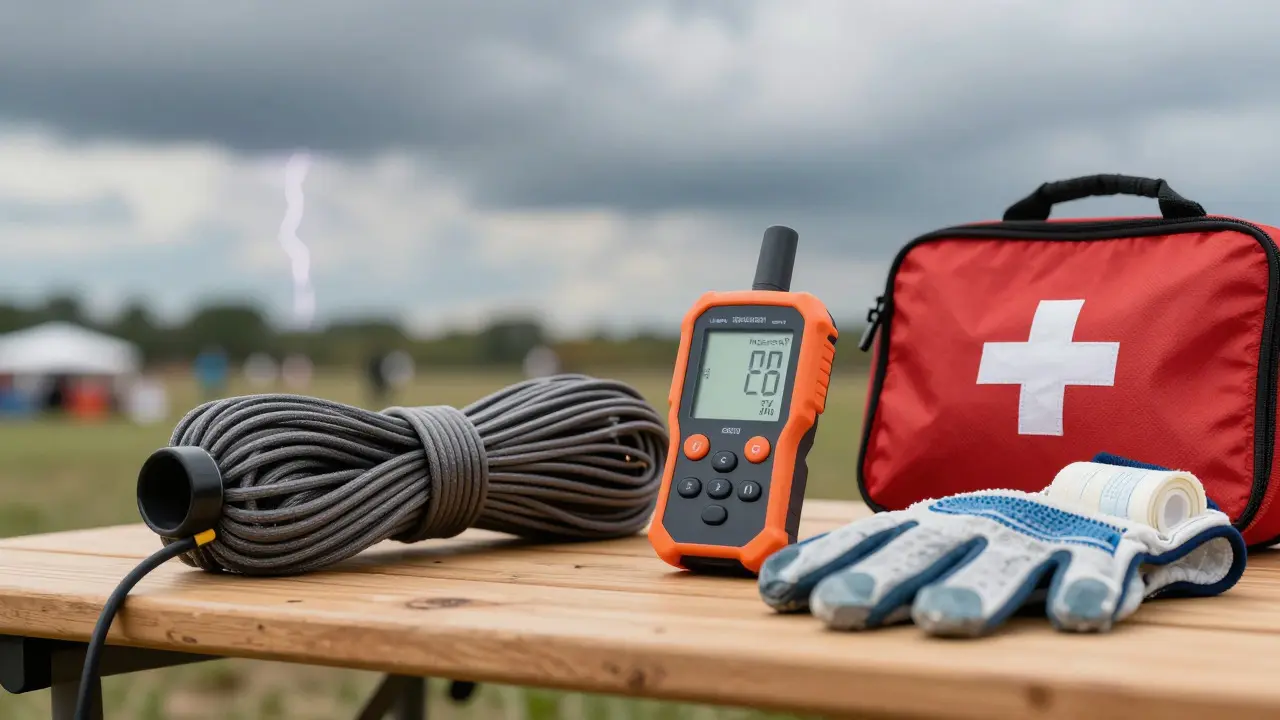
- Wind Limits: Set a maximum wind speed for the event. For beginner-friendly days, keep it under 15 mph. Above 20 mph, smaller kites become dangerous projectiles. Use a handheld anemometer to check winds every hour.
- First Aid Station: Have a designated table with a stocked first aid kit. Include band-aids, antiseptic wipes, and gloves. Line cuts can cause small abrasions, and grass stains are inevitable.
Lightning is another critical factor. If you see clouds building or hear thunder, call off the event. Kites act as lightning rods. The rule of thumb is the 30/30 rule: if the flash-to-bang count is less than 30 seconds, seek shelter. If it’s been more than 30 minutes since the last thunder, it’s safe to resume.
Logistics: Location, Timing, and Supplies
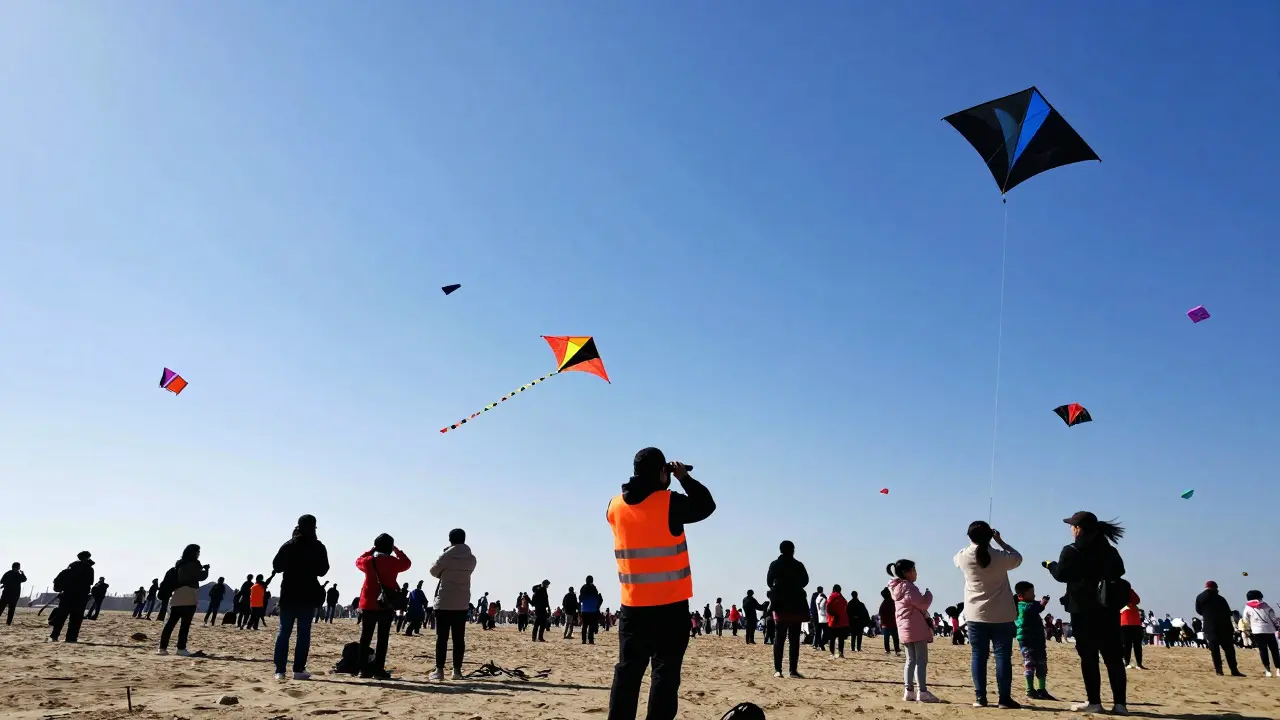
Choosing the right location is as important as the permits. You need a flat, open area with consistent wind flow. Avoid valleys where wind is trapped or areas with many trees that create turbulence. Beaches are ideal because the sand absorbs impact if a kite crashes, and the horizon is clear for spotting tangles.
Timing matters too. Morning winds are often calmer and more predictable than afternoon thermals. If you’re targeting families with young children, aim for a Saturday morning slot (10 AM - 2 PM). By late afternoon, kids are tired, and parents are hungry.
Essential supplies checklist:
- Trash cans (at least 3-4) with liners.
- Recycling bins (for plastic bottles and wrappers).
- Signage (Rules, Emergency Contact, Parking Info).
- First Aid Kit.
- Portable speaker (optional, for announcements).
- Water station (jugs or coolers).
Budgeting for these items is straightforward. Trash bags cost a few dollars. Signage can be printed at home or bought cheaply online. The biggest cost is usually insurance, which can range from $100 to $500 depending on attendance and duration.
Marketing and Community Engagement
Even the best-planned event fails if nobody shows up. Start promoting your Community Kite Day is a promotional campaign targeting local residents through digital and physical channels to maximize attendance six weeks in advance.
Use multiple channels:
- Social Media: Create an event page on Facebook and Instagram. Use local hashtags (e.g., #PortlandEvents, #PDXKites). Post weekly updates.
- Local News: Send a press release to local newspapers and community blogs. They love heartwarming community stories.
- Flyers: Put up posters in coffee shops, libraries, and community centers. Make sure they include the date, time, location, and a QR code linking to the event page.
- Schools and Clubs: Email local elementary schools and scout troops. Kids love kites, and parents appreciate free activities.
Offer something extra to boost interest. Maybe a local kite maker will be there to sell or demo custom kites. Or partner with a local bakery to offer discounts. These partnerships make the event feel like a true community celebration rather than just a hobby meetup.
| Attribute | Small Gathering (Under 20) | Medium Event (20-100) | Large Festival (100+) |
|---|---|---|---|
| Permit Required | Often No | Yes | Yes + Special Review |
| Insurance | Personal Policy | General Liability ($1M) | General Liability ($2M+) + Bond |
| Volunteers Needed | 1-2 | 5-8 | 15+ |
| Safety Staff | Organizer Only | 2 Marshals | Dedicated Safety Team + EMT |
| Marketing Effort | Word of Mouth | Social Media + Flyers | Press Release + Partnerships |
Post-Event Follow-Up
The work doesn’t end when the last kite lands. A good follow-up cements your reputation and makes next year easier. Within 48 hours, send a thank-you email to all volunteers and partners. Include photos from the event. Ask for feedback: What went well? What could be improved?
If you had a permit, submit any required final reports to the Parks Department. This includes a waste audit (how much trash was collected) and an incident report (if anything happened). Being proactive here builds trust with city officials, making future permits smoother.
Finally, update your social media with highlights. Tag participants and local businesses. This content serves as proof of concept for sponsors who might want to fund next year’s event.
Do I need insurance for a small kite flying group?
For groups under 15-20 people, formal event insurance is rarely required by cities. However, it is wise to check your personal homeowner's policy to see if it covers liability for organized activities. If you are using a public park without a permit, you are technically assuming all liability yourself.
What is the best type of kite for a community event?
Delta kites and box kites are the best choices for beginners. They are stable in moderate winds and easy to launch. Avoid stunt kites or power kites unless you have experienced flyers and ample space, as they require more skill and present higher risk.
How do I handle tangled kites safely?
Never pull two tangled kites apart forcefully. This can snap the line and injure nearby people. Instead, wait for the wind to die down or use a long pole to gently separate the lines. Designate a 'tangle zone' away from the main flight area where volunteers can work on untangling lines slowly.
Can I charge an entry fee for a community kite day?
If you charge an entry fee, you may need a sales tax permit and must account for ticket sales in your budget. Many community events remain free to encourage broad participation. If you want to raise funds, consider selling optional add-ons like premium kites or food from local vendors instead of charging admission.
What happens if it rains on the day of the event?
Have a rain date planned from the start. Announce the decision via social media and email at least 12 hours in advance. If it starts raining lightly, you can continue flying, but if it pours or winds pick up, call it off. Wet kite lines are slippery and conductive, increasing safety risks.