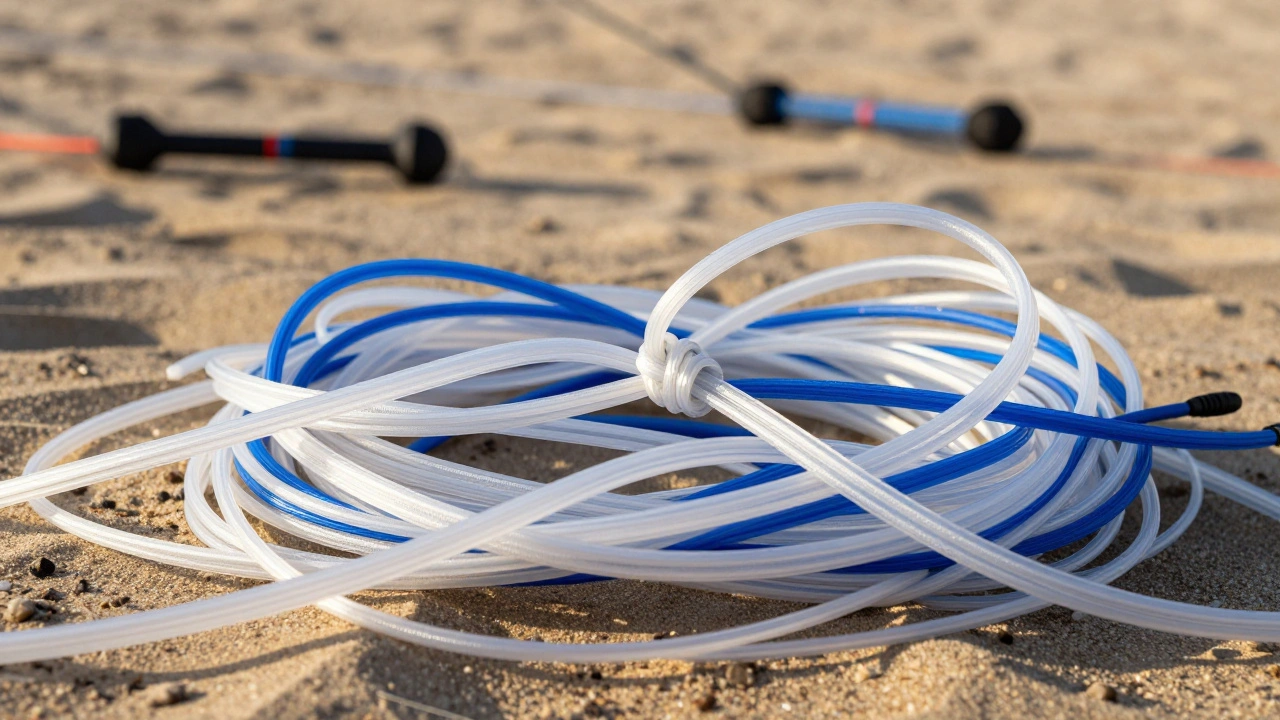
Picture this: you’ve spent twenty minutes setting up your dual-line stunt kites. The wind is perfect-steady, not too gusty. You launch the first one, it climbs beautifully. Then you reach for the second set of lines to start a team routine or just fly two simultaneously. Instead of smooth control handles, you’re untangling a knot that looks like it was designed by a spider with anger issues.
If you fly multiple kites, whether it’s a pair of dual-line stunts, a quad-line setup for 3D maneuvers, or even a cluster of smaller kites, multi-kite line organizers are not just a convenience; they are the difference between a fun afternoon and a frustrating mess. Without proper organization, line tangles cause breakages, ruined flights, and lost equipment. With the right system, you can deploy in seconds and focus on what matters: the flight.
The Core Problem: Why Lines Tangle
Before picking a tool, it helps to understand why kite lines are so difficult to manage. Kite line is typically made from Dyneema or Spectra, high-performance synthetic fibers known for their strength-to-weight ratio. These materials are slippery and have very little elasticity. When stored loosely, the static electricity generated during winding causes the strands to cling together. Add in the twisting motion of flying, and you get "memory" twists that turn into knots when the tension releases.
When flying multiple kites, the complexity doubles. You aren’t just dealing with one set of lines; you’re managing two or more sets that can easily cross paths. If you store them haphazardly in a backpack, the friction against zippers, keys, or other gear exacerbates the tangling. The goal of any organizer is to maintain the twist balance and separation of each line set until the moment of launch.
Kite Bags: Protection Meets Organization
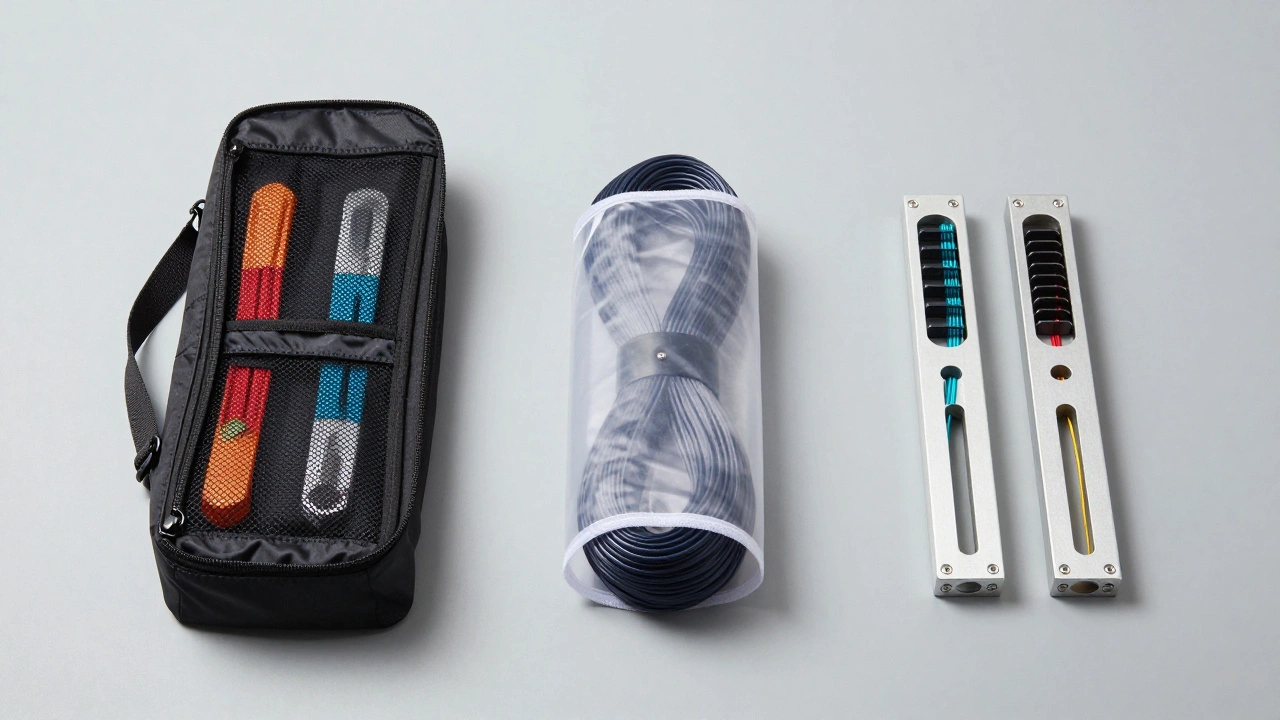
Kite bags are specialized carrying cases designed to protect kites and organize their associated lines and hardware. For multi-kite flyers, a simple stuff sack isn’t enough. You need a bag with internal compartments.
Look for bags with dedicated pockets for line winder handles and separate mesh sections for the kites themselves. Mesh allows air to circulate, preventing moisture buildup which can degrade the line over time. A good multi-kite bag will have elastic loops inside to secure the line handles, keeping them from flopping around and snagging on the kite fabric.
- Zippered Compartments: Essential for keeping small parts like swivels, extra line, and repair kits accessible but secure.
- Padded Shoulders: If you’re carrying two large stunt kites plus lines, weight distribution matters.
- Water Resistance: Since we often fly near beaches or lakes, a water-resistant exterior protects your gear from sudden splashes or damp ground.
The downside of relying solely on a bag is that it doesn’t actively prevent tangling during transport. It keeps things contained, but if you stuffed tangled lines in there, they’ll stay tangled. Bags work best when combined with another organizing method, like wraps or spools.
Line Wraps: The Low-Tech Solution
For many experienced flyers, the most reliable way to keep lines organized is using Line wraps are fabric or plastic sleeves that encase wound kite lines to prevent unraveling and tangling. This is an ancient technique adapted for modern kites. By sliding your wound lines into a sleeve, you create a barrier that stops the lines from interacting with each other or external objects.
You can buy pre-made line wraps, or make your own from old pantyhose or specific nylon tubing. The key is the fit. The wrap should be snug enough to hold the bundle tight but loose enough to slide on and off easily. When you finish flying, you rewind the lines neatly onto the handle (or a temporary spool), slide the wrap over the coil, and tie it off.
This method is incredibly effective for dual-line kites where the lines are short (usually 60-100 feet). It adds minimal bulk to your bag. However, it requires discipline. If you don’t take the time to rewind properly before wrapping, the wrap does nothing. It also offers less protection against abrasion compared to hard-shell spools.
Spool Systems: Precision for Power Flyers
If you are flying larger kites, such as foil kites for traction or large stunt kites in strong winds, Spool systems are mechanical devices that wind kite lines evenly to prevent twisting and facilitate quick deployment. Unlike manual winding on a handle, a spool system uses a rotating drum. Some advanced spools include a clutch mechanism that allows the line to pay out smoothly without tangling.
For multi-kite setups, you might use a dual-spool holder. This keeps both sets of lines parallel and separated. The mechanical advantage here is significant. When you pull the line to launch, it unspools cleanly. There’s no bird’s nest at the base. This is particularly important for quad-line kites, where four distinct lines must remain separate to allow for complex maneuvers like rolls and flips.
However, spools add weight and cost. A high-quality aluminum spool system can weigh several hundred grams. If you’re hiking to a launch site, every ounce counts. Additionally, spools require maintenance. Sand and salt can jam the moving parts. Regular cleaning with fresh water and lubrication is necessary to keep them functioning smoothly.
| Feature | Kite Bags | Line Wraps | Spool Systems |
|---|---|---|---|
| Cost | $20 - $80 | $5 - $15 | $30 - $150+ |
| Weight | Medium | Very Light | Heavy |
| Tangle Prevention | Low (Storage only) | High (If used correctly) | Very High |
| Durability | High | Medium | High |
| Best For | Transport & Protection | Casual Dual-Line Flying | Quad-Line & Large Kites |
Choosing the Right System for Your Setup
Your choice depends heavily on the type of kites you fly. If you are a recreational flyer with two small delta kites, a simple bag with internal pockets and some DIY line wraps is sufficient. You won’t face the extreme forces that cause rapid line degradation, and simplicity reduces failure points.
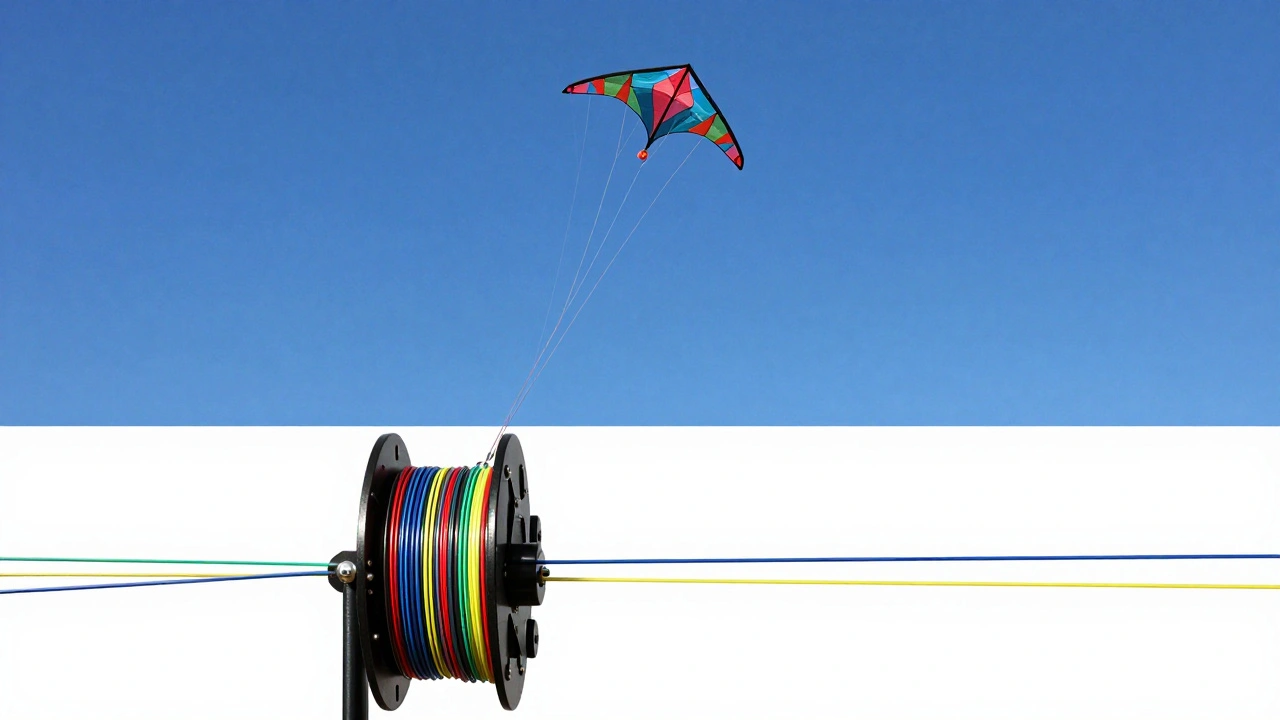
However, if you are into 3D kite flying or power kiting, you need precision. Quad-line kites require four separate lines to function. If lines 1 and 3 cross, your control inputs reverse, leading to crashes. In this scenario, a dedicated spool system with color-coded line guides is non-negotiable. Many professional flyers use custom-machined aluminum spools that integrate directly with their control bars.
Consider the environment too. Beach flying introduces sand, which acts as an abrasive. Open-field flying might involve grass and dirt. Spools with sealed bearings handle sand better than open-frame winders. If you fly in coastal areas, rinse all organizers with fresh water after every session. Saltwater corrodes metal parts and weakens synthetic lines over time.
Maintenance Tips for Longevity
Even the best organizer fails if the lines themselves are neglected. Here are three critical maintenance habits:
- Inspect Before Every Flight: Run your fingers along the entire length of the line. Look for fraying, cuts, or discoloration. A single broken fiber can lead to catastrophic failure under load.
- Remove Twists: After winding, let the lines hang free for a few seconds. If they spiral, unwind slightly and re-twist in the opposite direction. Balanced lines last longer and fly smoother.
- Store Dry: Never store wet lines. Moisture trapped inside the line core promotes mildew and reduces tensile strength. Always dry lines completely before placing them in bags or wraps.
For multi-kite setups, label your lines clearly. Use heat-shrink tubing or colored tape at the ends to distinguish left from right, and kite A from kite B. This saves precious seconds during setup and prevents confusion mid-flight.
DIY vs. Commercial Options
You don’t always need to buy expensive gear. Many veteran kite flyers swear by homemade solutions. An old film reel can serve as a lightweight spool. Rubber bands can secure line bundles temporarily. The advantage of DIY is customization. You can tailor the size and shape to your specific kites.
Commercial products, however, offer consistency and warranty support. Brands like Radian, Stuntman, and Duotone produce specialized organizers tested under real-world conditions. They often include features like integrated line cutters or retractable reels that DIY projects lack. If you fly frequently, the investment in commercial gear pays off in saved time and reduced frustration.
What is the best way to store dual-line kite lines?
The best method is to wind the lines neatly onto the handle or a small spool, then slide them into a fabric line wrap. This prevents the lines from unraveling and getting tangled with other gear in your bag. For added protection, place the wrapped lines in a dedicated pocket within a kite bag.
Do I need a special organizer for quad-line kites?
Yes. Quad-line kites have four lines that must remain strictly separated to ensure proper control. Standard bags or wraps often fail to keep these lines distinct. A spool system with individual guides for each line is highly recommended to prevent crossing and maintain maneuverability.
How do I prevent my kite lines from twisting?
Twisting occurs due to uneven winding and static electricity. To prevent it, wind the lines slowly and evenly, ensuring no slack is left behind. After winding, let the lines hang freely to release tension. Using a swivel connector near the handle can also help absorb rotational forces during flight.
Can I use a regular backpack for kite storage?
While possible, regular backpacks lack the specific compartments needed to protect delicate kite lines. Zippers, keys, and other items can snag and cut the lines. Dedicated kite bags offer padded, zippered, and mesh compartments that keep lines secure and separate from abrasive objects.
How often should I replace my kite lines?
Replace your lines immediately if you notice fraying, cuts, or significant discoloration. Even if they look fine, consider replacing them annually if you fly frequently, especially in sandy or salty environments. Worn lines pose a safety risk and can damage your kites upon failure.