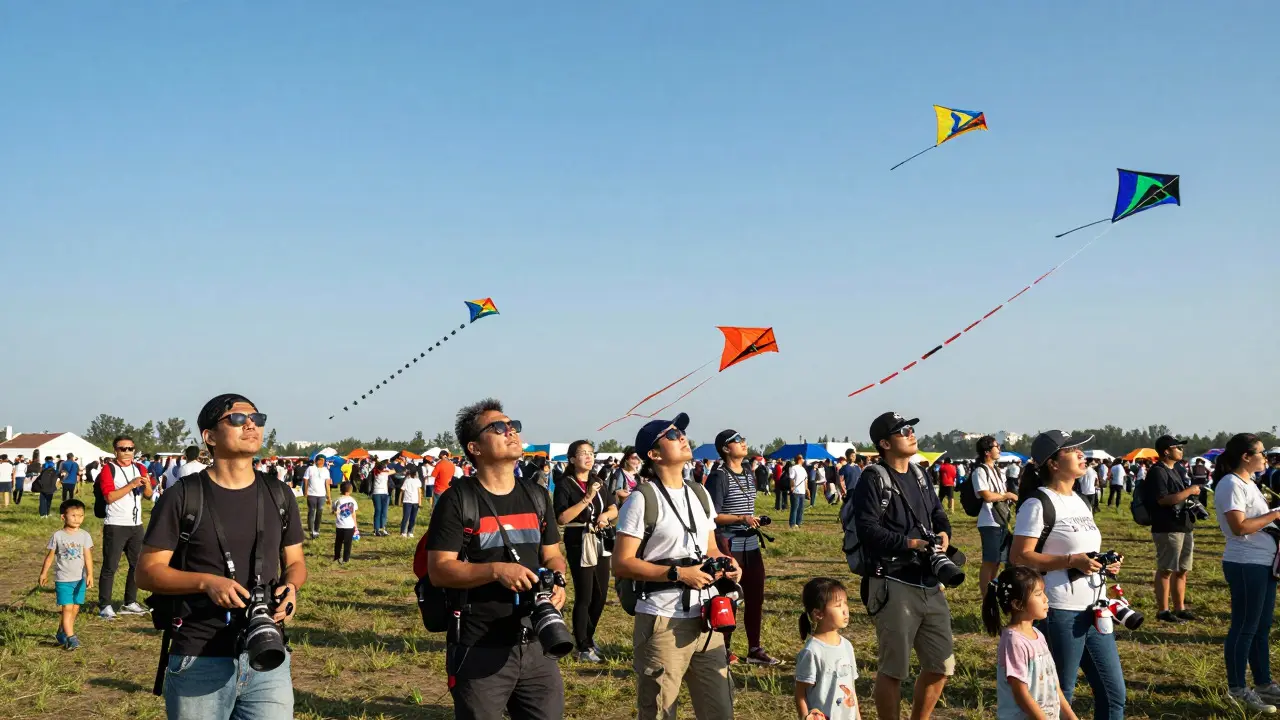
Imagine standing in a sea of colorful fabric and tangled strings. The air is thick with excitement, and thousands of people are looking up. For a vendor, this isn't just a fun day out; it's a high-stakes sales environment where the wrong product choice can mean going home with unsold inventory. Success at kite festivals depends on understanding that your customer is already holding a kite or planning to buy one. You aren't competing for their attention against random shoppers; you are competing against the sky itself.
Understanding the Festival Crowd
Before you pack your car, you need to know who is actually walking through those gates. A typical kite festival attendee falls into three distinct buckets: the serious hobbyist, the casual family, and the first-time tourist. Each group buys different things at different price points.
- Serious Hobbyists: These folks own multiple kites. They care about wind speed, line quality, and aerodynamic stability. They will spend money on premium accessories like carbon fiber spars or specialized launchers but ignore cheap trinkets.
- Casual Families: Parents want quick wins. They need durable, easy-to-fly kites for kids and snacks that don’t make a mess. Their budget is usually under $50 per person for non-food items.
- Tourists: They want souvenirs. They are less interested in flying mechanics and more interested in taking home a piece of the experience. Bright colors and local branding matter most here.
If you sell high-end technical gear to a crowd of tourists, you’ll have empty shelves by noon. If you sell cheap plastic toys to hardcore enthusiasts, they’ll walk right past your booth. Match your stock to the dominant demographic of the specific event you’re attending.
Booth Setup That Draws People In
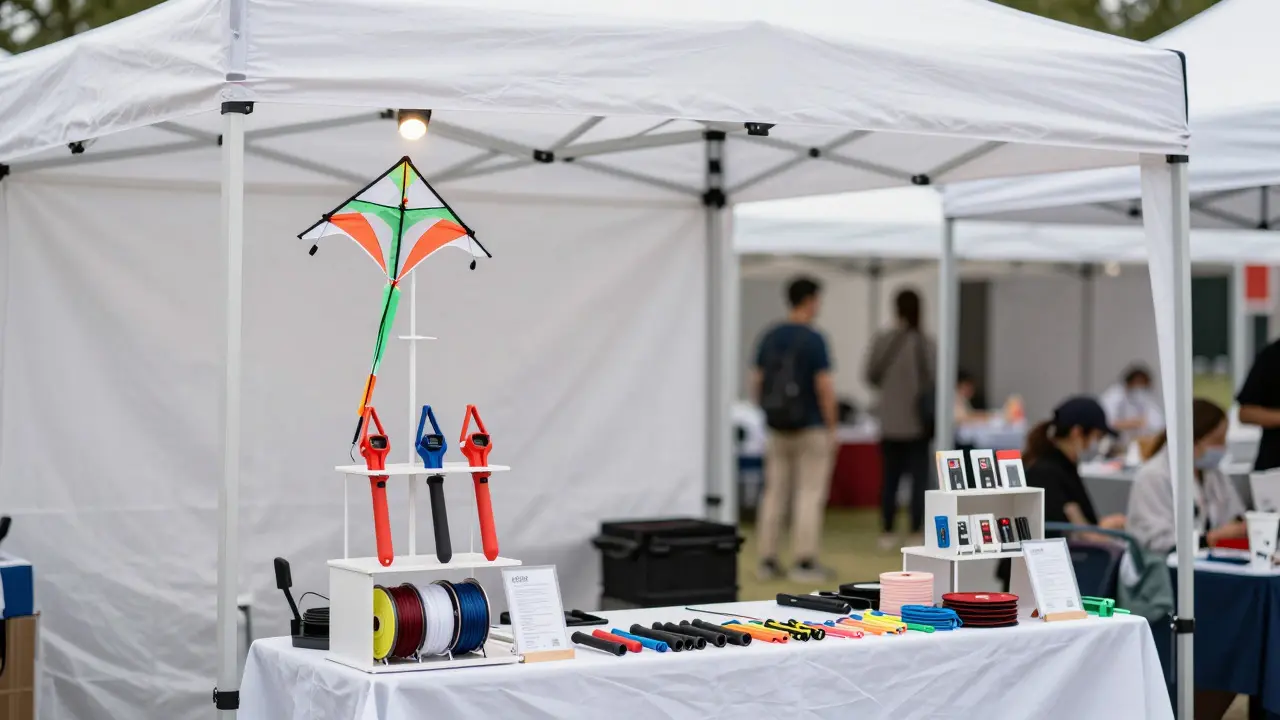
Your booth is your storefront, but it’s also your stage. At an outdoor event, visibility is everything. Most vendors make the mistake of hiding behind tables. Instead, create an open front. Use low barriers or no barriers at all so passersby can see your products immediately.
| Item | Purpose | Pro Tip |
|---|---|---|
| Canopy Tent (10x10 ft) | Shade and brand visibility | Use side panels only if it’s windy; otherwise keep it open for airflow. |
| Tablecloths | Professional look | Match your brand colors. Avoid wrinkled fabric. |
| Display Racks | Vertical space utilization | Hang kites vertically to show their full shape without taking table space. |
| Portable Power Bank | Charging devices/LED lights | Bring at least two 20,000mAh banks for long days. |
| Signage | Communication | Use large, bold text visible from 20 feet away. |
Lighting matters even during the day. A bright canopy makes your products pop against the natural background. If you are selling small items like keychains or stickers, use tiered risers to elevate them. Eye-level displays convert better than floor-level ones. Also, consider the wind. Kite festivals happen outdoors, often in breezy conditions. Secure every single item. Nothing kills a sale faster than watching a potential customer watch your merchandise blow away.
High-Performing Product Categories
What actually sells? Based on data from major regional festivals, certain categories consistently outperform others. Here is what you should stock, categorized by profit margin and demand.
1. Kite Accessories
This is the safest bet. Even if someone doesn’t buy a new kite, they might need a spare line reel, a handle with a brake system, or a repair kit. These items have high margins because they are small, lightweight, and essential. Stock various line strengths (e.g., 40 lb, 60 lb, 80 lb) to cover different wind conditions.
2. Kids’ Ready-to-Fly Kits
Parents hate complicated instructions. Sell pre-assembled kits that include the kite, line, and a simple launcher. Price these between $15 and $25. Add a “free flight demo” sign to encourage parents to let kids try before buying.
3. Souvenir Merchandise
T-shirts, tote bags, and mugs with the festival logo or a generic kite design sell well to tourists. Keep designs simple and bright. Avoid complex graphics that wash out in poor print quality. Tote bags are particularly useful because attendees carry them throughout the event, acting as mobile advertising for your brand.
4. Food and Beverage Partnerships
If the festival allows food vendors, partner with a nearby concession stand or bring portable drinks. Hydration is critical in sunny weather. Selling cold water or electrolyte mixes at a slight markup provides steady cash flow while customers wait in line for other items.
Pricing Strategy and Psychology
Festival pricing works differently than retail. Customers are in a “spending mode” mindset. They expect to pay a premium for convenience and experience. However, you must balance this with perceived value.
- Anchor Pricing: Place your highest-margin item next to your mid-range item. The mid-range item looks like a deal by comparison.
- Bundling: Offer a “Starter Pack” (Kite + Line + Handle) for a discounted rate compared to buying items separately. This increases average order value.
- Rounding Down: Price items at $X.99 rather than whole numbers. It feels cheaper psychologically.
Avoid dynamic pricing changes during the day. Consistency builds trust. If you change prices based on how busy the booth is, regulars will notice and lose confidence in your fairness.
Marketing Your Booth Before the Event
Don’t wait until the morning of the festival to promote your presence. Start social media posts two weeks prior. Share photos of your best-selling products and tease exclusive festival-only discounts. Create a simple landing page or Instagram story highlight specifically for the event. Encourage attendees to tag you in photos when they fly your kites. User-generated content is free marketing that reaches people who didn’t attend the event but follow your online channels.
During the event, engage with customers actively. Ask them what kind of kites they fly. Give quick tips on launching. This personal interaction turns a transaction into a relationship. People buy from people they like, especially in a community-driven hobby like kiting.

Common Mistakes to Avoid
Even experienced vendors slip up. Here are the top errors that cost money:
- Overstocking Niche Items: Don’t assume everyone wants delta kites. Stock a variety of shapes including parafoils and box kites for beginners.
- Poor Cash Handling: Have enough small bills and coins. Running out of change slows down sales and frustrates customers.
- Ignoring Weather: Check the forecast daily. If wind is too strong, focus on selling storage solutions and repairs. If it’s calm, push beginner-friendly kites that fly in light air.
- No Backup Plan: Bring extra zippers, tape, and tools. Kites break. Offering quick repairs on-site can save a sale and generate goodwill.
Post-Event Analysis
The work doesn’t end when you pack up. Track your sales by category. Which items sold out fastest? Which sat untouched? Adjust your inventory list for the next event based on real data, not guesses. Talk to your team about what worked and what didn’t. Did the tent placement get enough foot traffic? Was the signage readable? Small adjustments now lead to significant revenue gains later.
What is the best time of day to set up a kite festival booth?
Arrive at least two hours before the gates open. Early setup allows you to position your tent in high-traffic areas before other vendors claim prime spots. It also gives you time to arrange displays calmly without rushing.
How much should I charge for a basic kite at a festival?
A standard ready-to-fly kite typically sells for $15 to $25 at festivals. Premium designs or custom-branded items can go up to $40. Ensure your pricing reflects the convenience factor and the festive atmosphere.
Do I need a special license to sell at a kite festival?
Yes, most festivals require a vendor permit or application. Apply early, as spots fill up fast. Check with the local event organizer for specific insurance requirements and health codes if you are selling food.
What if there is no wind on festival day?
Shift your focus to educational demos and selling accessories. Many festivals offer indoor workshops or static displays when wind is low. Promote these activities to keep customers engaged near your booth.
How can I differentiate my booth from competitors?
Offer live demonstrations. Let people hold your kites and feel the materials. Provide expert advice on wind conditions. Personal interaction and expertise are hard to replicate with static displays.