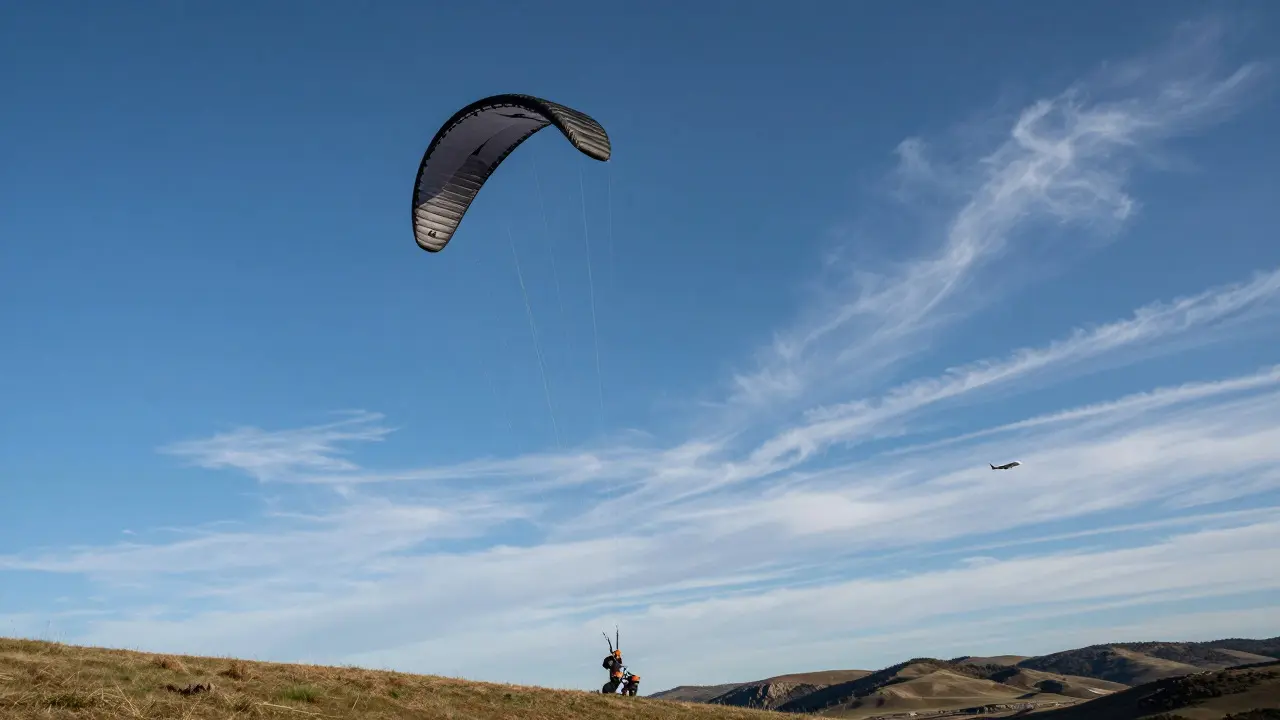
Flying a kite at 30,000 feet isn't just about catching wind; it's about navigating a complex web of aviation rules that most recreational flyers never think about. If you're planning a high-altitude flight or participating in the International Gas Kite Association (IGKA) events, understanding high-altitude kite regulations is non-negotiable. One wrong move can mean a collision with a small plane or a fine from the Federal Aviation Administration (FAA). This guide breaks down exactly how to keep your line intact and your legal status clear.
The Basics of Controlled vs. Uncontrolled Airspace
Before you buy a single meter of carbon fiber rod, you need to understand where you are flying. The sky isn't empty; it's divided into layers called airspace classes. For kites, the critical distinction is between Class G (uncontrolled) and Class D/E (controlled) airspace.
In Class G airspace, which typically covers rural areas up to 1,200 feet above ground level, you have fewer restrictions. However, high-altitude kites often exceed this ceiling quickly. Once you enter Class E airspace, which usually starts at 700 feet or 1,200 feet AGL depending on the region, air traffic control (ATC) has jurisdiction. While ATC doesn't track kites like they do airplanes, their presence means you must avoid known flight paths.
A key rule of thumb for high-altitude flyers: if you are near an airport, assume everything above 1,200 feet is restricted unless explicitly cleared. The FAA treats kites as "obstructions" when they interfere with aircraft operations. So, while a beach in Oregon might seem open, if there's a military training route overhead, your altitude limit drops significantly.
Decoding NOTAMs: Your First Line of Defense
NOTAM stands for Notice to Air Missions. It’s a system used by the FAA to broadcast temporary changes to the airspace, such as construction, weather hazards, or special events. For kite flyers, NOTAMs are your radar. They tell you when the sky is effectively "closed" for anything but essential traffic.
You don't need to be a pilot to read them, but you do need to know what to look for. Search for keywords like "TFR" (Temporary Flight Restriction) or "MILITARY OPS" in the area of your intended launch site. If a TFR is active, it usually means no non-emergency aircraft are allowed in that zone, which is great for you because it reduces collision risk. However, if a NOTAM indicates "VFR OVERFLY ONLY," it means planes are still passing through, and you need extra caution.
Check NOTAMs daily before any major flight. Weather shifts can change these notices overnight. A simple search on the FAA's official website or apps like SkyVector will give you the latest updates. Ignoring a NOTAM is the fastest way to get your kite cut down by a concerned pilot or fined by local authorities.

Permits and Local Ordinances: The Ground Game
Federal laws cover the sky, but local governments cover the ground. Many cities and counties have specific ordinances regarding kite flying. In Portland, Oregon, for example, some parks restrict kite sizes to prevent damage to trees and power lines. High-altitude launches often require a permit if you're using large winches, generators, or setting up campsites in public lands.
For international competitions, such as those sanctioned by the Federation Aeronautique Internationale (FAI), you need more than just a local permit. You need a Certificate of Free Flight (CFF) or similar documentation proving your kite meets safety standards. This involves showing that your line strength is appropriate for the altitude and that your recovery plan is solid.
Here’s a checklist for securing permits:
- Local Park Authority: Check if a general recreation permit is needed for group activities.
- Landowner Permission: If launching from private land, get written consent.
- Fire Department: Some jurisdictions require notification if you're using propane burners for heating gas kites.
- Environmental Agencies: Ensure you're not disturbing protected wildlife habitats during nesting seasons.
FAI Certification and International Standards
If your goal is to break altitude records or compete internationally, you’ll need to align with FAI standards. The FAI sets the global rules for aeronautical sports, including kiting. Their regulations specify maximum line lengths, minimum altitudes for record attempts, and required witness protocols.
For instance, a valid altitude record requires that the kite reach its peak height without touching the ground or any obstacle. The line must be taut at the moment of measurement. FAI also mandates that flights occur within designated time windows to ensure consistent wind conditions across competitors. Ignoring these technicalities can invalidate your achievement, even if you physically reached the height.
Working with experienced organizations like the IGKA helps navigate these bureaucratic hurdles. They provide templates for flight logs and connect you with certified judges who can verify your data. Don't try to DIY your certification process for a world record attempt; the cost of a failed verification far exceeds the fee for professional assistance.
Safety Protocols and Emergency Procedures
Regulations exist because accidents happen. High-altitude kites involve significant kinetic energy. A snapped line can whip back at dangerous speeds, and a falling kite can cause property damage. That’s why safety protocols are part of the regulatory framework.
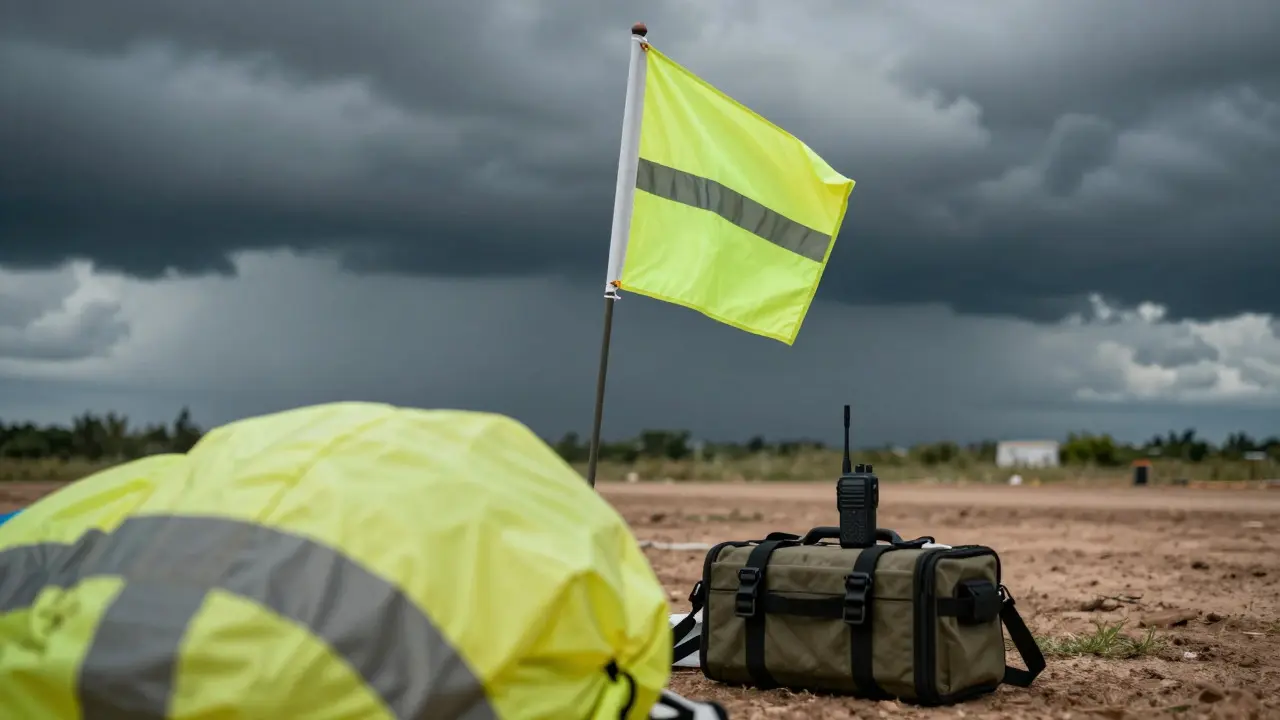
Always use a secondary brake system. This could be a parachute attached to the kite or a weighted drogue that slows descent if the main line fails. Carry a two-way radio to communicate with nearby pilots or ATC if necessary. Mark your launch site with high-visibility flags so other hikers or drivers can see your operation.
In case of an emergency, such as a sudden storm front moving in, have a pre-planned abort procedure. Know how to release the kite safely so it drifts away rather than crashing into your camp. Practice these procedures in lower altitudes first. Confidence in your gear and your backup plans is what keeps the sport safe and legal.
| Flight Type | Primary Regulator | Key Documentation | Typical Altitude Limit |
|---|---|---|---|
| Recreational Beach Flying | Local Parks Dept | None/General Permit | ~500 ft AGL |
| High-Altitude Research | FAA / University Ethics Board | IRB Approval, NOTAM Check | 10,000+ ft MSL |
| FAI Record Attempt | FAI / National Aerostatic Club | Certificate of Free Flight, Witness Logs | Unlimited (if safe) |
Common Pitfalls to Avoid
Many new high-altitude flyers make the same mistakes. The biggest one is assuming that "no one is flying" means "it's safe to fly." Always cross-reference NOTAMs with local pilot forums. Pilots often share real-time info about unexpected traffic patterns that aren't yet in official databases.
Another pitfall is underestimating wind shear. At higher altitudes, wind direction can shift dramatically compared to the surface. This can cause your kite to veer off course into a restricted corridor. Use anemometers at different heights if possible, or consult detailed weather models like Windy.com, which show vertical wind profiles.
Finally, don't forget insurance. Standard homeowner policies rarely cover liability for aerial objects. Get a specific liability policy that covers kite flying. It’s cheap peace of mind that protects you from lawsuits if your kite takes out a satellite dish or injures a hiker.
Do I need a pilot's license to fly a high-altitude kite?
No, a pilot's license is not required for kite flying. However, you must adhere to FAA guidelines for unpowered free balloons and kites, which primarily focus on avoiding controlled airspace and following NOTAMs.
What is the maximum legal altitude for a kite in the US?
There is no single federal maximum altitude for kites. Instead, the limit is defined by the airspace class. In Class G airspace, you can fly as high as you want, provided you don't interfere with aircraft. In controlled airspace, you generally need clearance or must stay below the cloud base.
How do I check for Temporary Flight Restrictions (TFRs)?
You can check TFRs on the FAA's official website under the 'Air Traffic' section or use third-party apps like SkyVector or ForeFlight. Look for circular areas marked with red borders indicating restricted zones.
Is it legal to fly kites over national parks?
It depends on the specific park. Some national parks allow kiting in designated areas, while others ban it entirely to protect wildlife or historic structures. Always check the visitor center website or ask rangers before launching.
What happens if my kite enters controlled airspace without permission?
If your kite causes a hazard to aircraft, the FAA can issue a civil penalty. In practice, it's more likely you'll receive a warning letter or be asked to retrieve the kite immediately. Repeat offenses can lead to fines.