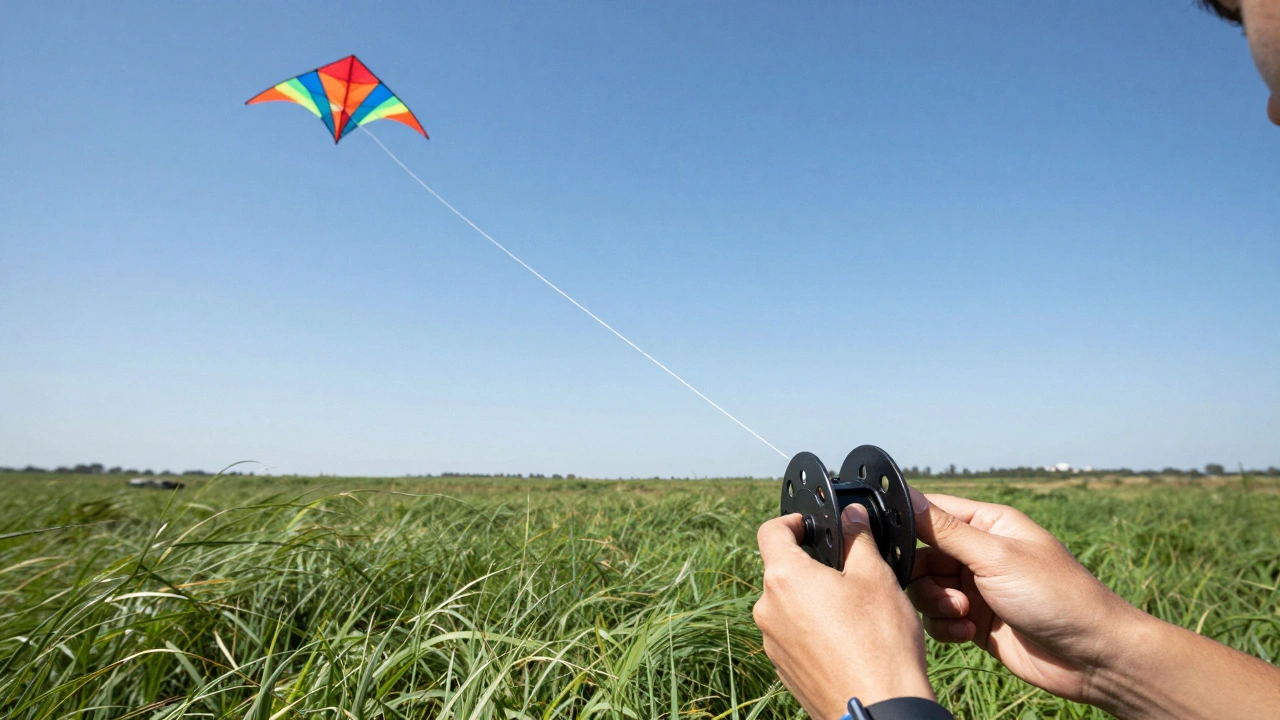
Key Takeaways for Line Management
- Winders prevent "birds nests" by keeping the line under slight tension during retrieval.
- String handlers reduce friction and prevent the line from cutting into your palms.
- The type of gear you choose depends on whether you are flying a single-line hobby kite or a dual-line stunt kite.
- Proper tensioning is the secret to avoiding tangles during high-wind deployments.
The Basics of Line Control
Before we get into the gear, we have to understand what we're actually managing. kite winders is a mechanical device used to store and deploy kite line efficiently, preventing tangles and allowing for quick retrieval. Without a winder, you're basically just guessing how much line is left and hoping it doesn't knot up. For most people, the goal is a smooth flow of line leaving the spool and an even wind-back when the kite comes down.
When you're flying, you're dealing with Dyneema or Kevlar lines. These materials are incredibly strong but can be slippery or abrasive. If you just hold them in your hand, the friction from a fast-descending kite can actually cause rope burn. That's where the handler comes in. A handler acts as the interface between your hand and the line, ensuring that the tension is distributed across a larger surface area.
Choosing the Right Winder for Your Kite
Not all winders are created equal. If you're using a simple diamond kite, a basic plastic spool might do the trick. But if you've moved into the world of Stunt Kites, you need something more robust. Stunt kites use two or four lines to steer, meaning you're managing multiple spools simultaneously. If one spool lets out line faster than the other, your kite will dive-bomb straight into the ground.
For professional setups, look for winders with a locking mechanism. A lock allows you to hold the line at a specific length without having to grip the spool with your thumb. This is crucial when you're trying to maintain a steady altitude in gusty conditions. I've seen flyers try to use homemade cardboard spools, but they almost always collapse under the pressure of a high-tension line, leading to a massive tangle that takes hours to undo.
| Feature | Basic Plastic Spool | Professional Winder | Automatic Line Handler |
|---|---|---|---|
| Tangle Resistance | Low | High | Very High |
| Line Capacity | Short (50-100ft) | Medium (200-500ft) | Long (1000ft+) |
| Control Precision | Manual/Poor | High | Professional/Exact |
| Durability | Fragile | Durable | Industrial |
How String Handlers Prevent Common Disasters
A string handler is essentially the "steering wheel" of your kite. In Dual-Line Kites, the handlers are often integrated into the handles you hold. These components ensure the line doesn't wrap around your fingers. Have you ever felt that sudden jerk when the wind picks up? If your line is wrapped around your finger, that jerk can be painful or even cause a injury. A proper handler keeps the line in a controlled track.
One of the biggest issues with line deployment is "over-run." This happens when the kite pulls the line off the winder faster than the winder can spin. This results in a loose pile of line on the ground. A high-quality handler often includes a friction brake. By applying a small amount of pressure, you can control the speed of the deployment, making sure the line leaves the spool in a neat, organized fashion.
Consider the impact of Line Tension. If the line is too slack, it's prone to looping. If it's too tight, it can snap. A handler allows you to feel the vibration of the line. Experienced flyers can actually "read" the wind by feeling the tension through their handlers, knowing exactly when a gust is coming before the kite even moves.
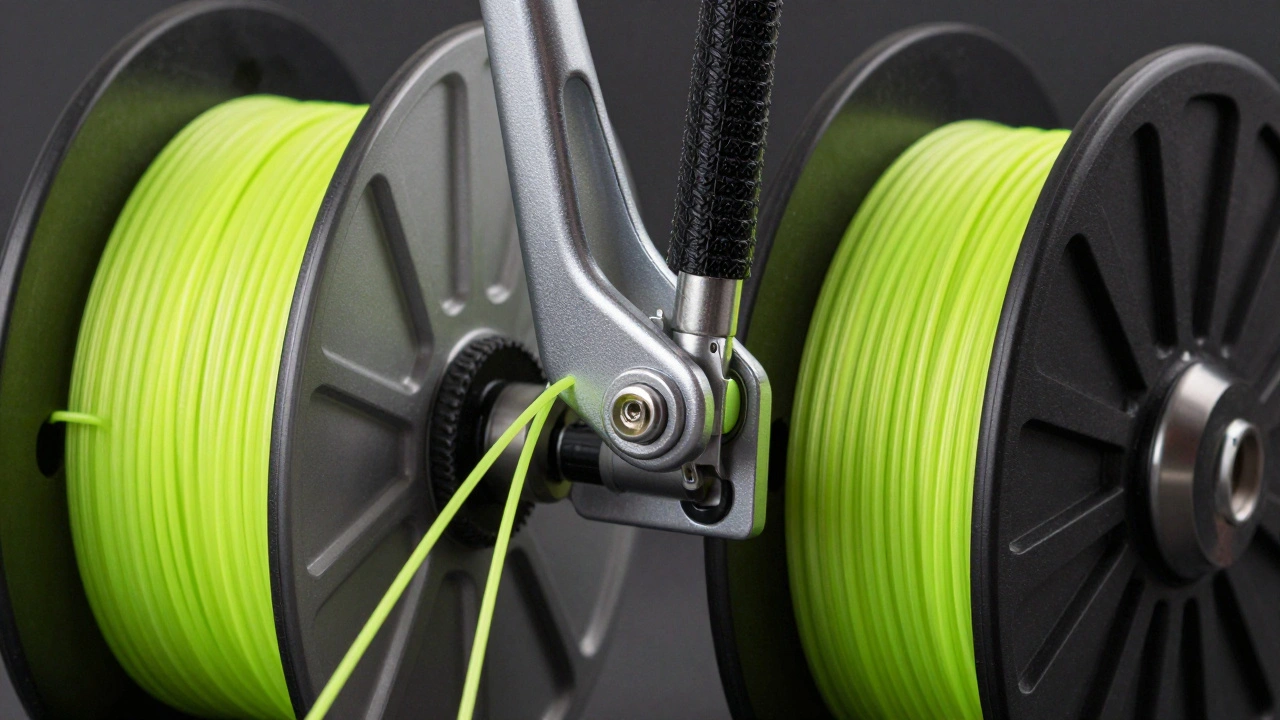
Step-by-Step: Perfecting Your Deployment
Getting the line out and back in without a mess requires a bit of technique. Here is the best way to handle it:
- The Pre-Check: Ensure your line is wound evenly across the spool. If it's bunched up on one side, it will likely snag during deployment.
- The Launch: Let the kite catch the wind slowly. Don't just throw the winder; let the kite pull the line. This ensures the line stays taut from the start.
- The Flight: Use your handlers to maintain a consistent arc. If you feel the line slipping too fast, engage the friction brake on your winder.
- The Retrieval: This is where most people fail. Do not just pull the line in. Walk toward the kite while winding. This keeps the line under tension and prevents it from sagging and picking up debris from the grass.
- The Final Wind: Once the kite is on the ground, do a slow final wind to ensure there are no loose loops hanging off the spool.
Avoiding Common Pitfalls
One mistake I see often is people using the wrong type of line for their winder. If you use a thick nylon rope on a winder designed for thin Sestrene, the line will bunch up and eventually jam the mechanism. Always match your line diameter to the spool's specifications.
Another issue is neglecting the maintenance of the winder. Sand and grit from the beach can get into the bearings of a high-end winder, making it stutter. A simple spray of silicone lubricant every few sessions can keep the deployment smooth. If the winder stutters, the kite will jerk, which can destabilize the flight and cause it to spiral.
Lastly, watch out for "cross-winding." This happens when you wind the line in one direction but deploy it in another, creating a twist in the string. Over time, these twists build up into small knots called "kinks." The best way to avoid this is to always rotate your winder in the same direction during retrieval.

Integrating Gear with Different Kite Types
Depending on your hobby, your gear needs will shift. If you're into Power Kiting, the forces involved are massive. You aren't just managing a string; you're managing a tether that can pull a human across a field. In this case, the handler needs to be a heavy-duty harness system. The winder is often replaced by a high-capacity reel that can withstand hundreds of pounds of pressure.
For those flying artistic or foil kites, the focus is more on precision. You might use a dual-spool winder that allows you to adjust the length of the left and right lines independently. This is the only way to keep a large foil kite centered in the air. If you're off by just a few feet on one side, the kite will drift, and you'll spend more time fighting the wind than enjoying the flight.
What is the difference between a winder and a handler?
A winder is the spool or reel that stores the line and controls how much is let out. A handler is the part you hold or the mechanism that guides the line to prevent it from cutting your hands or tangling around your fingers. Think of the winder as the storage and the handler as the interface.
Can I use a regular fishing reel for my kite?
Generally, no. Fishing reels are designed for a very different type of tension and a much smaller amount of line. Kite lines are thicker and the drag created by a kite in the wind would likely strip the gears or jam a standard fishing reel. Dedicated kite winders are built for the specific diameter and friction of kite strings.
How do I stop my kite line from tangling on the ground?
The best way to prevent tangles is to keep the line under tension. When retrieving, walk toward the kite instead of standing still. Use a winder with a locking mechanism to keep the line tight, and avoid letting the line "pile up" on the grass during the launch phase.
Which line material is best for long-distance deployment?
For long distances, Dyneema is often the gold standard because it is incredibly strong for its weight and has very little stretch. This ensures that your control inputs reach the kite instantly, even if you have 1,000 feet of line out. Kevlar is also great for strength but can be more abrasive on the hands.
What should I do if my winder jams during flight?
First, don't panic and don't pull hard, as this can snap the line or break the winder. Try to gently shake the spool to loosen the snag. If that doesn't work, slowly reel in a bit of line to see if the jam is just a surface loop. If it's totally stuck, you may need to land the kite by walking toward it to reduce the tension before attempting to clear the jam manually.
Next Steps for Better Flying
If you've been using basic spools, the best next step is to invest in a dedicated dual-line winder system. It changes the game for stunt kites. If you're already using pro gear, try experimenting with different line materials like fluorocarbon-coated strings to see how they handle wind resistance. Regardless of your gear, always remember to check your line for frays after every session. A small nick in the line can lead to a sudden snap under high tension, and no amount of fancy winding can fix a broken string.