You probably remember the last time you saw a kite. It was likely in a park, tangled in a tree, or held by a kid who gave up after ten minutes because the wind died down. That image is stuck in our heads, but it’s wildly outdated. Today, kite sports are a global phenomenon involving high-speed racing, complex aerial gymnastics, and massive traction systems that can pull a human being across water at 40 miles per hour. We aren’t just talking about paper diamonds anymore. We’re talking about carbon fiber frames, ripstop nylon sails, and athletes treating the sky like a race track.
If you think this is niche, look at the numbers. The International Kiteboarding Organization (IKO) reports millions of active participants worldwide, while traditional stunt kite competitions draw crowds that rival local skate parks. But how did we get from simple Chinese silk banners to Olympic-level windsurfing hybrids? And more importantly, if you’ve been sitting on the sidelines wondering if you should grab a control bar, where do you even start?
From Ancient China to Modern Asphalt
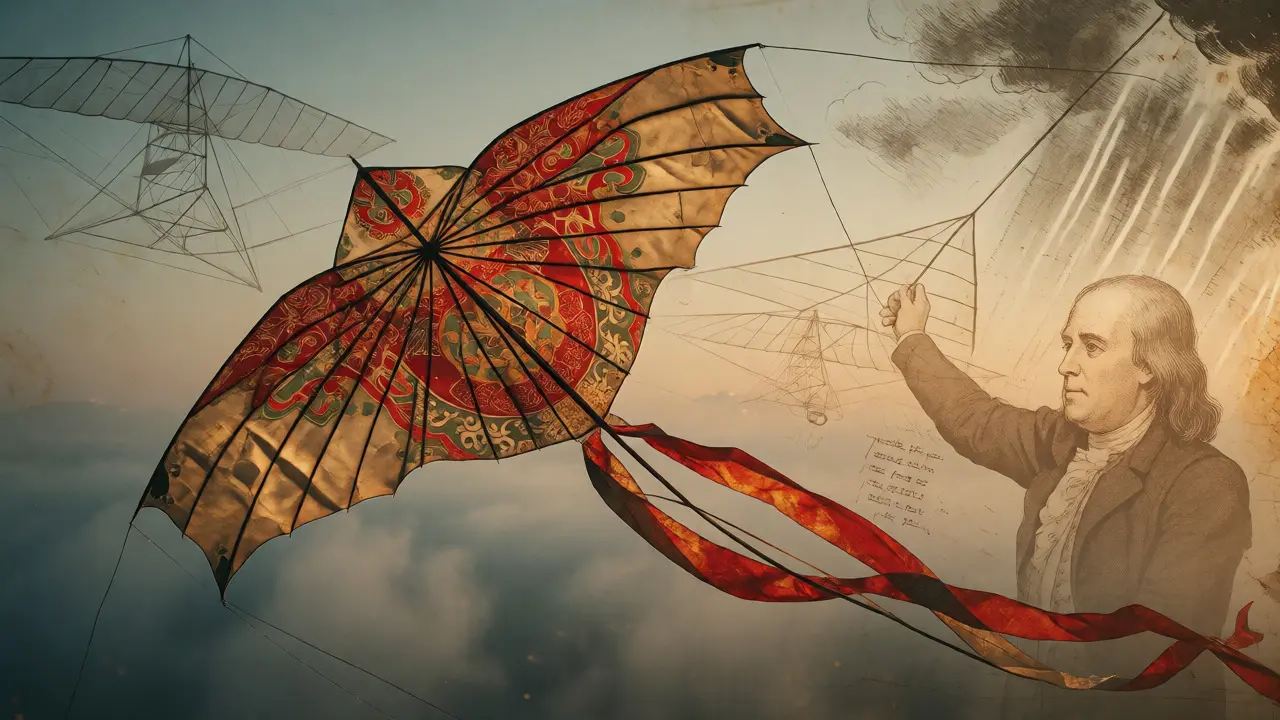
To understand where we’re going, you have to respect where we came from. Most historians agree that kites originated in China over 2,000 years ago, initially used for military signaling and measuring distances. They weren’t toys; they were tools. By the time they reached Europe via Marco Polo in the 13th century, they had already evolved into scientific instruments. Benjamin Franklin famously flew one during a thunderstorm to prove lightning was electricity. Leonardo da Vinci sketched designs for large-scale gliders based on kite principles.
The real shift happened in the mid-20th century. In the 1960s and 70s, engineers began experimenting with flexible wings and dual-line controls. This wasn’t just play; it was aerodynamics testing. Companies like Prism and Revolution started producing stunt kites that could loop, dive, and hover on command. Suddenly, flying a kite required skill, not just luck. The toy became a sport.
Fast forward to the 1990s, and the integration of kites with boards created kiteboarding. This hybrid sport exploded because it combined the thrill of wakeboarding with the raw power of wind. Today, the ecosystem includes everything from power kiting (where you drive a buggy pulled by a giant kite) to land yachting. The line between "toy" and "vehicle" has completely blurred.
The Four Main Disciplines You Need to Know
Not all kite sports are the same. If you walk into a shop asking for a "kite," they’ll look at you funny until you specify what you want to do. Here’s the breakdown of the major categories so you don’t buy the wrong gear.
| Discipline | Primary Medium | Skill Level | Key Equipment | Best For |
|---|---|---|---|---|
| Stunt Kiting | Air (Land-based launch) | Beginner to Pro | Dual-line frame, 50-80 lb test line | Precision, creativity, low cost entry |
| Kiteboarding | Water | Intermediate | Board, harness, inflatable kite | Adrenaline, travel, fitness |
| Power Kiting | Land (Buggy/Skateboard) | Advanced | Giant foil kite, landboard, helmet | Speed, heavy wind days |
| Line Dancing | Air (Choreographed) | Expert | Specialized dual-line, music sync | Performance, artistry, competition |
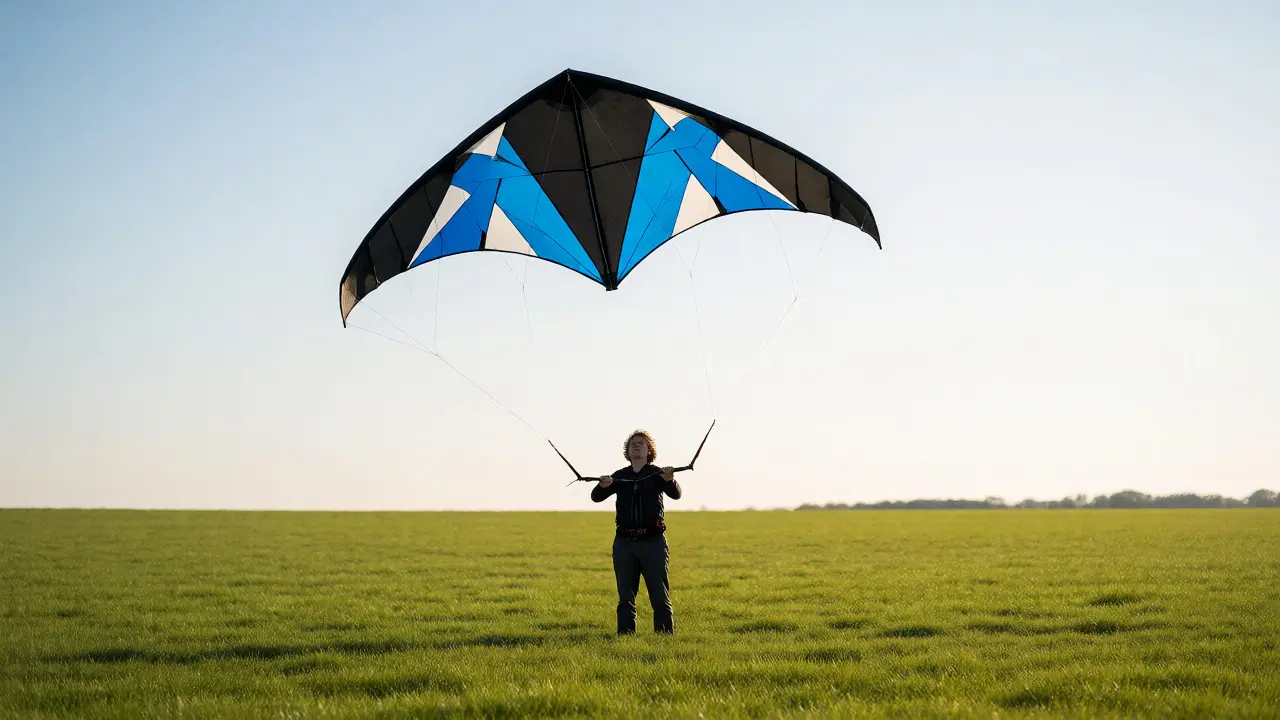
Stunt Kiting is the gateway drug. It’s cheap, accessible, and addictive. You stand on grass or a beach, hold two handles, and fly a diamond-shaped or delta-shaped kite. The goal isn’t to go far; it’s to hit specific spots in the sky. Think of it as air ballet. If you miss a move, you reset. It’s forgiving.
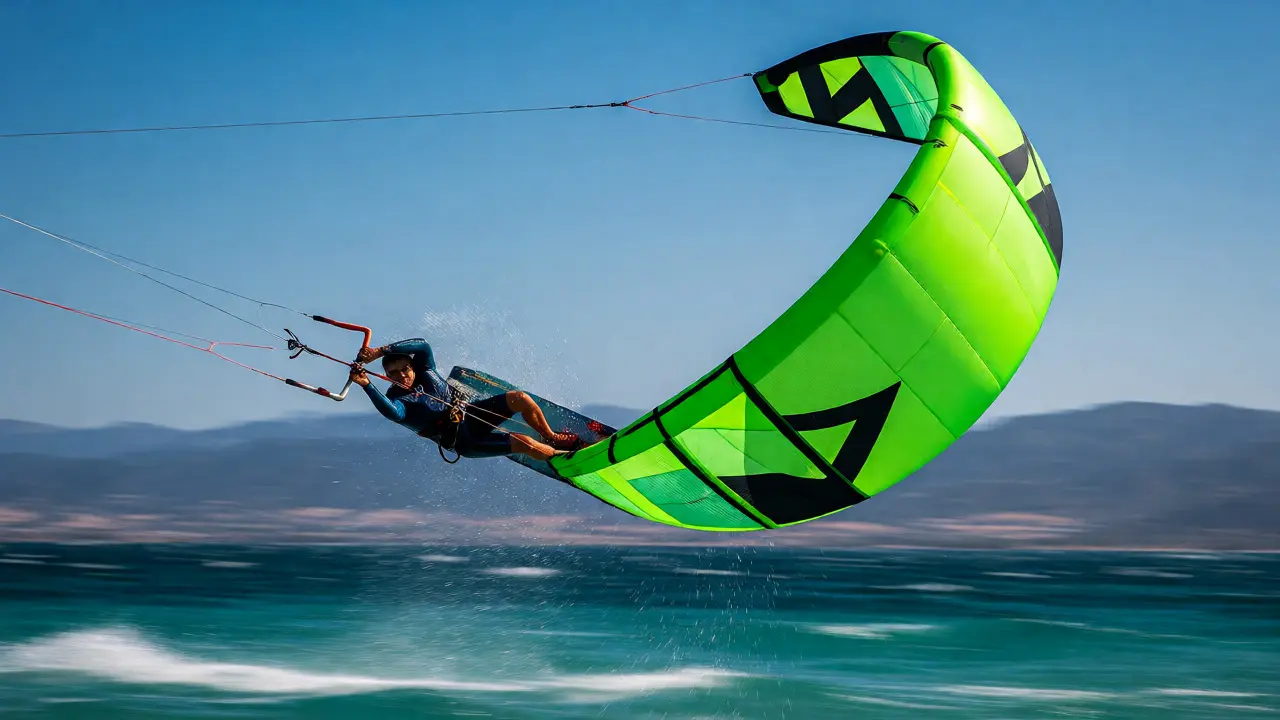
Kiteboarding is the heavyweight champion of popularity. You’re strapped to a board, holding a bar connected to a massive inflatable kite. The wind pulls you across the water. The learning curve is steep-expect to spend your first few sessions swimming-but once you catch the lift, you’re surfing without waves.
Power Kiting takes stunt kiting and adds horsepower. Instead of a small frame, you use a huge parafoil kite that generates enough pull to drag you on rollerblades or a three-wheeled buggy. This is serious business. You need a helmet, pads, and respect for the wind. One gust too strong, and you’re airborne whether you planned to be or not.
Why Wind Matters More Than You Think
Here’s the biggest mistake beginners make: they wait for perfect weather. There is no such thing as "perfect" wind, only appropriate wind for your gear. A standard stunt kite flies best in 10-15 mph winds. Too little, and it drops. Too much, and it becomes uncontrollable. Kiteboards need consistent 15+ mph gusts. Power kiting often requires 20+ mph.
You need to learn to read the sky. Look at the trees. Are the leaves fluttering gently? That’s light breeze. Are branches swaying consistently? That’s moderate. Are people struggling to open umbrellas? That’s strong. Apps like Windy.com are essential tools now. They show wind direction, speed, and gusts in real-time. Don’t guess. Check the app.
Also, consider the terrain. Beaches offer steady, laminar flow (smooth wind). Parks and cities create turbulence (chaotic wind) due to buildings and trees. Turbulence kills beginner flights. If you’re starting out, find an open field or a wide beach. Avoid flying near power lines-that’s a non-negotiable safety rule.
Getting Started Without Breaking the Bank
You don’t need $2,000 to start. A decent starter stunt kite kit costs between $50 and $100. This usually includes the kite, lines, handles, and a bag. It’s durable enough to survive crashes and good enough to learn the basics.
For kiteboarding, the entry cost is higher. A used setup might run you $800-$1,200 including lessons. New gear is significantly more expensive. However, many schools offer "try before you buy" packages. Take a lesson. Seriously. Self-teaching kiteboarding is dangerous and inefficient. An instructor will teach you safety systems, relaunch techniques, and body positioning in two days. Doing it alone can take weeks and result in broken ribs.
Where do you go? Look for local clubs. The American Kitefliers Association (AKA) has chapters across the US. They organize fly-ins, workshops, and social events. Connecting with experienced flyers is the fastest way to learn etiquette and tricks. Plus, they know which beaches allow kites. Many popular spots have banned them due to crowding or bird protection laws.
The Mental Game: Patience and Physics
Flying a kite is a study in humility. You will crash. Your lines will tangle. You will look silly standing in a field wrestling with nylon. But there’s a meditative quality to it. You have to let go of control. If you pull too hard on the left handle, the kite dives. If you jerk the right, it spins. Smooth inputs equal smooth flight.
This translates directly to life skills. Kids who fly kites develop better spatial awareness and hand-eye coordination. Adults report reduced stress levels after an hour of focused flying. It forces you to be present. You can’t check your phone while managing a dual-line kite in a crosswind. You’re locked in.
Competition adds another layer. In kite fighting tournaments, the goal is to cut the opponent’s line. In precision flying contests, judges score routines based on accuracy and difficulty. These events foster a tight-knit community. People share tips, trade gear, and celebrate each other’s successes. It’s rare to find a sport where veterans genuinely help newcomers.
Safety First: The Rules of the Sky
Despite its playful reputation, kite sports carry risks. High-tension lines can cause deep cuts. Broken spars can fly off at head height. Always wear eye protection when flying large kites or power kites. Keep bystanders at least 50 feet away. Never fly in lightning storms. If you see clouds turning dark and hearing thunder, land immediately.
Respect wildlife. Kites can scare birds, especially during migration seasons. Some areas restrict flying to protect nesting grounds. Check local regulations. In Portland, Oregon, where I live, many parks allow kites, but certain wetlands prohibit them. Ignoring these rules gets you fined and gives the sport a bad name.
Maintenance matters. Inspect your lines for frays before every session. A snapped line under tension can whip back with lethal force. Replace worn parts promptly. Store your kite out of direct sunlight when not in use; UV rays degrade nylon over time. Treat your gear with respect, and it will treat you well.
What is the easiest kite sport for a complete beginner?
Dual-line stunt kiting is the most accessible entry point. It requires minimal space, costs less than $100 to start, and has a gentle learning curve. You can practice in any open field with moderate wind. Unlike kiteboarding, you don't need water access or expensive lessons.
How much wind do I need to fly a kite?
Most recreational stunt kites require 8-15 mph winds. Lighter breezes may not provide enough lift, while stronger winds can make control difficult for beginners. Kiteboarding typically needs consistent winds above 15 mph. Always check local wind forecasts before heading out.
Is kiteboarding safe for someone who can't swim well?
While swimming ability helps, modern kiteboarding gear includes flotation vests and quick-release safety systems that allow you to drop the kite instantly. However, basic water confidence is highly recommended. Taking lessons with a certified instructor ensures you learn proper self-rescue techniques.
Can I fly a kite in the city?
Yes, but with caution. Urban environments have turbulent wind caused by buildings and traffic. Choose large, open parks away from power lines, trees, and pedestrian traffic. Avoid flying near airports. Always check local ordinances, as some cities restrict kite flying in specific zones.
What is the difference between a stunt kite and a single-line kite?
Single-line kites are passive; they float where the wind takes them and require no steering input. Stunt kites have two or four lines attached to a control bar, allowing the pilot to steer the kite left, right, up, and down. This enables precise maneuvers, loops, and hovering.
How long does it take to learn kiteboarding?
With professional instruction, most people can ride independently within 3-5 days of intensive training. The first day focuses on kite control on land, the second on water starts, and subsequent days on riding and turning. Progress varies based on fitness, wind conditions, and prior board sport experience.