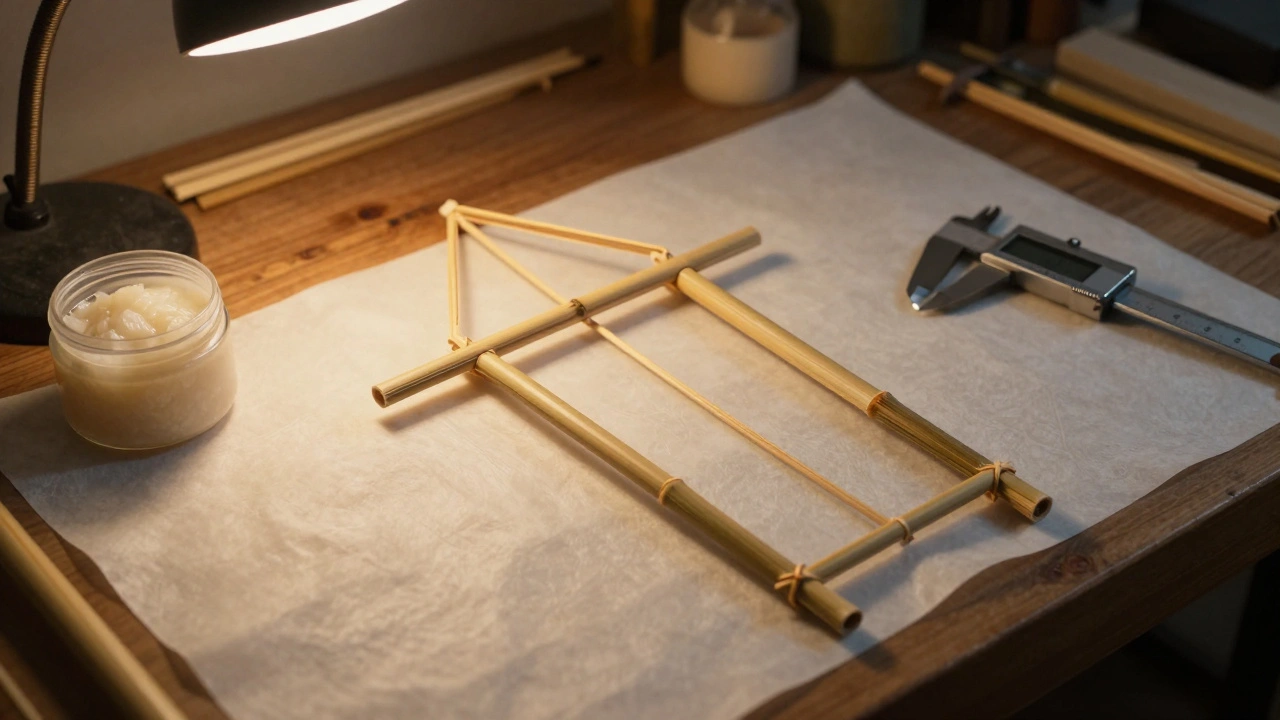
Most people think of kites as cheap plastic diamonds from a beach shop, but there is a quiet revolution happening in workshops across the globe. The Traditional Kite Craft revival isn't just about nostalgia; it's a collision between ancient aerodynamics and the high-tech tools of the modern maker. We are seeing a shift where people are ditching mass-produced nylon for hand-split bamboo and artisanal washi paper, blending old-world patience with 21st-century precision.
Key Takeaways for New Makers
- The revival blends ancestral knowledge with modern materials like carbon fiber.
- Sustainable sourcing of bamboo and organic glues is replacing synthetic plastics.
- Digital design tools are helping makers perfect stability before they even cut a single spar.
- Community hubs and online forums are replacing isolated apprenticeship models.
The Shift from Plastic to Purpose
For decades, the kite market was dominated by disposable products. If you bought a kite in the 90s, it was likely a piece of polyester held together by a few plastic joints. But the Maker Movement is a contemporary subculture that emphasizes DIY fabrication, open-source sharing, and a return to tactile craftsmanship. This mindset has breathed new life into kite making. People are no longer satisfied with something that simply stays in the air; they want to understand why it stays there.
This transition is rooted in a desire for agency. When you build a kite from scratch, you aren't just assembling a kit; you are manipulating the physics of wind. Makers are returning to materials like Washi Paper, a traditional Japanese paper known for its strength and lightness, which offers a tactile connection to the craft that a plastic sheet simply cannot provide. The goal has shifted from mere flight to a pursuit of aesthetic and technical perfection.
The Anatomy of a Traditional Kite
To understand the revival, you have to look at the skeletal structure of the kite. Traditional craft relies heavily on the property of tension and flexibility. The most critical component is the Bamboo Spar, which acts as the backbone. In traditional Chinese or Japanese styles, the bamboo isn't just a stick; it is carefully split and shaved to create a specific taper. This taper allows the kite to flex under wind pressure without snapping, essentially acting as a natural shock absorber.
Then there is the sail. While modern makers might use Ripstop Nylon for durability, the revivalists prefer organic fabrics or treated papers. The way these materials are stretched across the frame determines the kite's dihedral angle-the V-shape that provides inherent stability. If the angle is too shallow, the kite spins; too steep, and it won't catch enough lift. This is where the "art" of the craft meets the "science" of fluid dynamics.
| Attribute | Traditional Craft | Modern Mass-Market | Maker Hybrid |
|---|---|---|---|
| Frame Material | Hand-split Bamboo | Fiberglass/Plastic | Carbon Fiber/Bamboo |
| Sails | Silk/Washi Paper | Polyester/Nylon | Ripstop Nylon/Treated Paper |
| Adhesives | Rice Paste/Starch | Chemical Glues | Epoxy/Eco-friendly Glues |
| Design Process | Intuition/Oral Tradition | Standardized Templates | CAD/3D Modeling |
Where Tech Meets Tradition: The Digital Blueprint
One of the most exciting parts of the modern revival is the use of Computer-Aided Design (CAD). In the past, a kite maker might spend years failing and iterating on a design through trial and error. Today, makers use simulation software to predict how a specific shape will react to different wind speeds. They can map the center of pressure and the center of gravity digitally before they ever touch a piece of bamboo.
This doesn't replace the hand-crafting process; it enhances it. A maker might design a complex hexagonal cell kite in software, print the template via a laser cutter for perfect accuracy, but then hand-sand the bamboo spars to ensure the flexibility is just right. This hybrid approach allows for the creation of kites that are more stable and visually complex than what was possible fifty years ago. It's a marriage of precision and soul.

The Social Fabric of the Kite Community
Kite making used to be a guarded secret, passed down through family lineages in places like Weifang, China, or throughout Japan. Now, the knowledge is democratized. Online communities on platforms like Reddit and specialized forums have turned a solitary hobby into a global collaboration. Makers share their "flight logs," detailing how a specific humidity level or wind gust affected their latest build.
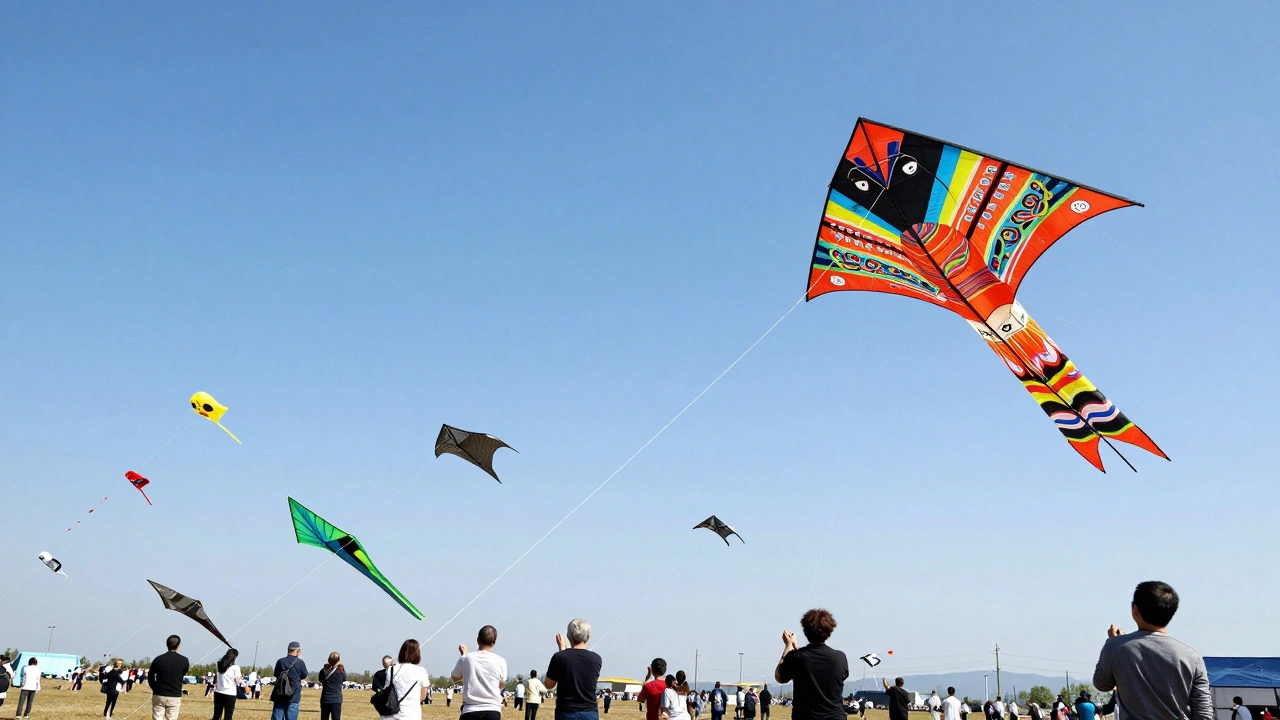
This openness has led to the rise of "Kite Festivals" that function more like art galleries than playgrounds. At these events, you'll see massive Sled Kites and intricate Rokkaku Kites (traditional Japanese six-sided kites) flying alongside experimental carbon-fiber wings. The social aspect is driving the revival; people aren't just building objects, they are joining a global network of enthusiasts who value slow-craft in a fast-paced world.
Common Pitfalls for the Aspiring Maker
If you're jumping into this, the biggest mistake is rushing the frame. Many beginners buy pre-cut dowels from a hardware store. While convenient, these lack the natural taper and flexibility of true bamboo. A hardware store dowel is uniform, meaning it will either be too stiff or bend at a single point of failure, often leading to a catastrophic crash during the first launch.
Another common error is neglecting the bridle-the set of strings that attach the flying line to the kite. The bridle is essentially the kite's steering wheel. If the tow point is off by even a fraction of an inch, the kite will dive-bomb or spin uncontrollably. The secret is to iterate: launch the kite, observe its behavior, adjust the knot, and repeat. This patience is the core of the traditional craft revival.
The Environmental Impact of the Revival
The move away from plastic isn't just about aesthetics; it's a conscious environmental choice. The modern maker movement is heavily invested in sustainability. By using biodegradable materials like bamboo and starch-based glues, the revivalists are ensuring that their hobby doesn't contribute to the growing problem of microplastics in our oceans and fields.
We are seeing a surge in the use of organic dyes made from plants and minerals to color the sails, replacing the toxic synthetic dyes used in mass-market kites. This return to "earth-friendly" engineering proves that we don't need to sacrifice performance for sustainability. A well-crafted bamboo and silk kite can outlast a plastic one by decades if properly cared for, shifting the consumer mindset from "disposable" to "heirloom."
What is the best wood for a traditional kite frame?
Bamboo is the gold standard because of its incredible strength-to-weight ratio and natural flexibility. If bamboo isn't available, rattan is a great alternative. Avoid standard pine or oak dowels from hardware stores, as they are often too heavy and lack the necessary flexibility to handle wind gusts.
Can I use a 3D printer for kite making?
Yes, but primarily for the connectors and joints. Printing a whole frame is usually too heavy and brittle. Most modern makers use 3D printing to create custom "hubs" where the spars meet, allowing them to experiment with complex geometries while keeping the rest of the frame lightweight bamboo or carbon fiber.
How do I stop my kite from spinning?
Spinning is usually a sign of imbalance or a bridle issue. First, check if one side of the kite is heavier than the other. Second, adjust your tow point; moving the bridle string slightly forward or backward can change the angle of attack and stabilize the flight. Adding a longer tail also provides drag, which helps keep the kite pointed upward.
Is Washi paper too fragile for outdoor use?
On its own, it can be delicate, but traditional makers treat it with natural resins or light coats of beeswax. This makes the paper water-resistant and significantly tougher without adding much weight. For high-wind environments, a hybrid of Washi and a thin layer of ripstop nylon is a popular modern compromise.
Where can I find traditional kite designs?
Many makers now share open-source blueprints on GitHub or specialized kite-making forums. You can also look into historical archives of Japanese Rokkaku or Chinese fighter kites, which provide the basic geometric principles that modern makers use as a starting point for their custom builds.
Next Steps for Your First Build
If you're ready to start, don't try to build a giant dragon kite on day one. Start with a simple diamond or a small Rokkaku. Focus on mastering the "split"-learning how to shave your bamboo spars so they are symmetrical. Once you get top-flight stability with basic materials, start experimenting with CAD software or carbon fiber reinforcements to see how they change the kite's lift and agility.