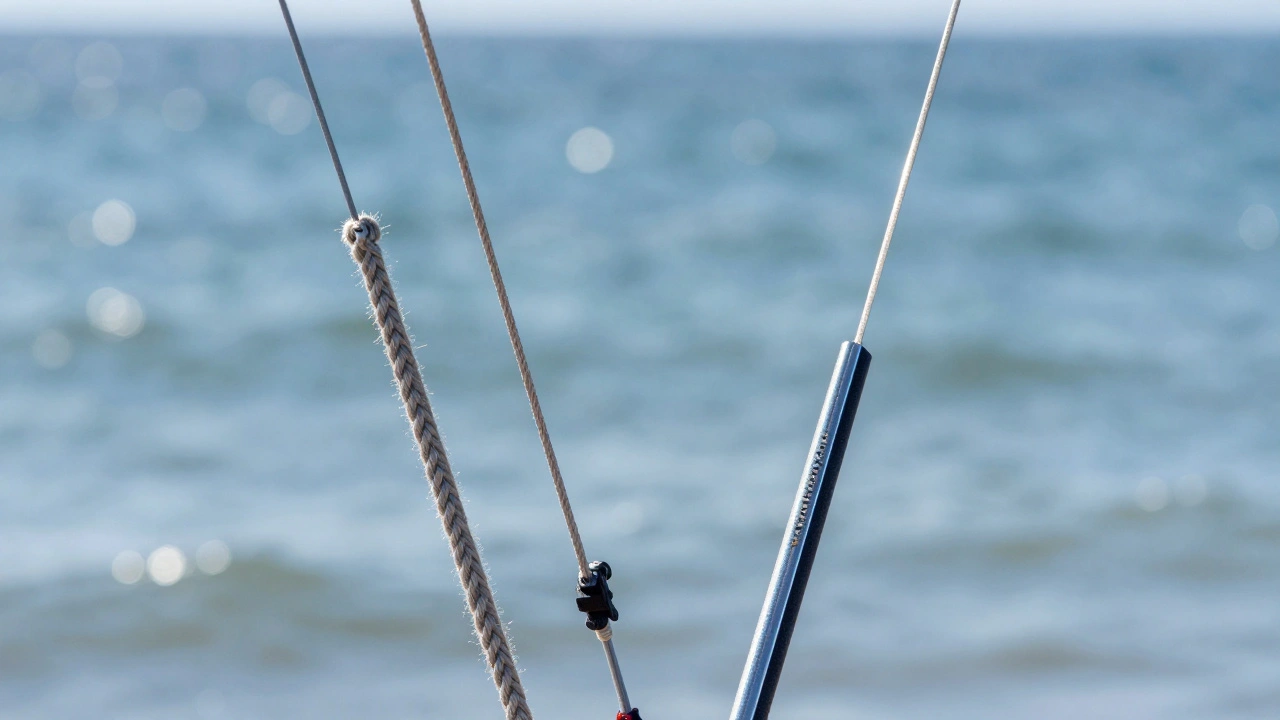
Have you ever thrown a loop that felt tight one second and loose the next? Or maybe your kite drifted lazily in the wind while you were trying to make a sharp turn? It’s not always the wind or your technique. Often, it’s the invisible connection between you and the kite: your kite lines, specifically their stretch characteristics.
The debate over kite line stretch versus no-stretch kite lines isn't just about gear snobbery. It fundamentally changes how the kite feels under your hands. Some riders swear by the softness of stretch for comfort, while others demand the laser-like precision of zero-stretch for tricks. Choosing the wrong type can make learning harder, riding less enjoyable, or even increase the risk of an accident.
How Kite Line Stretch Affects Control
To understand why this matters, you have to look at physics. When you pull on a control bar, you are sending a signal to the kite. With standard braided polyester lines, there is a delay. The line stretches before the kite reacts. This creates a "soft" feel. Your inputs are absorbed slightly by the elasticity of the material.
In contrast, zero-stretch lines use materials like Dyneema or Spectra with minimal elongation. When you move the bar, the kite moves instantly. There is no lag. This direct feedback loop allows for micro-adjustments. You can feel the exact pressure on the leading edge of the kite. For beginners, this instant response can sometimes feel twitchy or unforgiving if they overcorrect. However, once you adapt, the control becomes incredibly intuitive.
Consider this scenario: you are riding upwind against a strong tide. With high-stretch lines, you might feel like you are fighting the kite because the power delivery is delayed. With low-stretch lines, the power transfer is immediate, allowing you to adjust your angle of attack more efficiently to maintain speed and direction.
Precision in Tricks and Freestyle Riding
If you are into freestyle kitesurfing or foil kite flying, precision is everything. Tricks like backrolls, double loops, and handle passes require timing down to the millisecond. Freestyle kitesurfing relies heavily on the ability to depower and repower the kite rapidly.
With stretchy lines, the energy you put into a trick is partially lost in the stretching of the line. This makes it harder to generate the height needed for complex maneuvers. The kite might not snap back into position as quickly, leaving you hanging in the air longer than intended. In competitive settings, this fraction of a second can mean the difference between landing clean and crashing.
Foil kite lines also benefit significantly from low stretch. Foil kites operate in a different part of the sky compared to inflatable kites. They rely on aerodynamic lift rather than drag. Because they are lighter and more sensitive to wind shifts, any slack or stretch in the lines can cause the kite to stall or drift unexpectedly. Riders using foils often switch to ultra-light, low-stretch lines to maximize sensitivity and reduce weight.
Comfort and Safety: The Case for Stretch
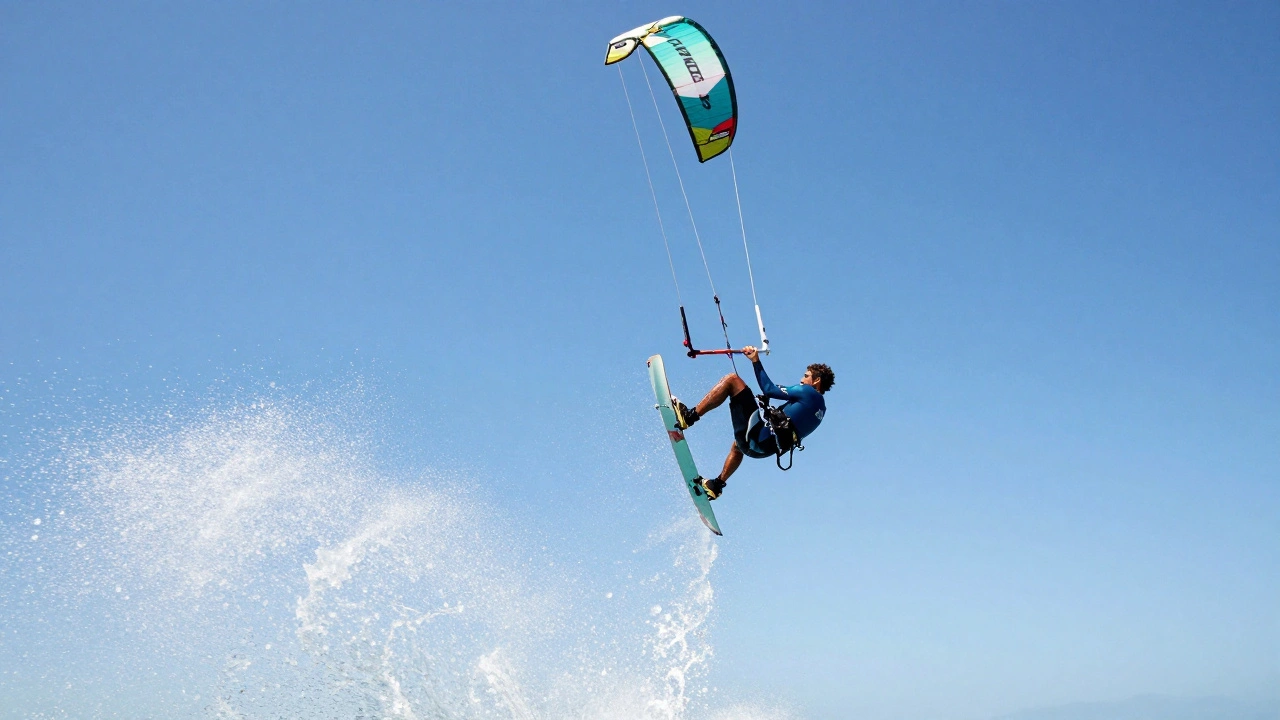
It’s not all about speed and tricks. There is a valid argument for keeping some stretch in your setup, especially for recreational riding or big air jumps. High-stretch lines act as a shock absorber. When you land a big jump or catch an edge hard, the line stretches to absorb the sudden spike in load. This reduces the impact force transmitted to your body and the kite structure.
This cushioning effect can be easier on your joints, particularly your shoulders and wrists, during long sessions. If you ride in choppy water or windy conditions where the kite frequently hits gusts, the softer feel of stretchy lines can prevent fatigue. You don’t have to fight every minor fluctuation in the wind.
Safety is another factor. While modern kites have safety systems, the behavior of the lines during a crash matters. Stretchy lines may allow the kite to fly away slightly further before stalling, which could be dangerous if it flies toward other people. Conversely, low-stretch lines keep the kite closer to its last known position when power is cut, potentially making self-rescue easier in certain scenarios. However, the rigid feedback can also transmit more vibration and shock to the rider during turbulent rides.
Material Differences: Polyester vs. Dyneema
The difference in stretch comes down to the material used in manufacturing. Most budget-friendly lines are made from polyester. Polyester is durable and affordable but has a natural elasticity. Over time, it can also suffer from UV degradation and moisture absorption, which affects performance.
High-performance lines typically use Dyneema or similar ultra-high-molecular-weight polyethylene (UHMWPE) fibers. These materials are stronger than steel by weight and have near-zero elongation under load. They are also resistant to water absorption and UV damage, meaning they maintain their performance characteristics longer. However, they are more expensive and can be prone to abrasion if not handled carefully.
Some manufacturers offer hybrid lines that combine these materials. These aim to provide a balance between the responsiveness of Dyneema and the damping qualities of polyester. They are a good middle ground for riders who want improved control without sacrificing too much comfort.
| Feature | Standard Stretch Lines | No-Stretch Lines |
|---|---|---|
| Material | Polyester | Dyneema/Spectra |
| Responsiveness | Delayed, Soft | Instant, Direct |
| Shock Absorption | High | Low |
| Best For | Cruising, Big Air, Beginners | Freestyle, Foiling, Upwind |
| Price Range | Affordable | Premium |
| Lifespan | Shorter (degrades faster) | Longer (resistant to elements) |
Choosing the Right Lines for Your Style
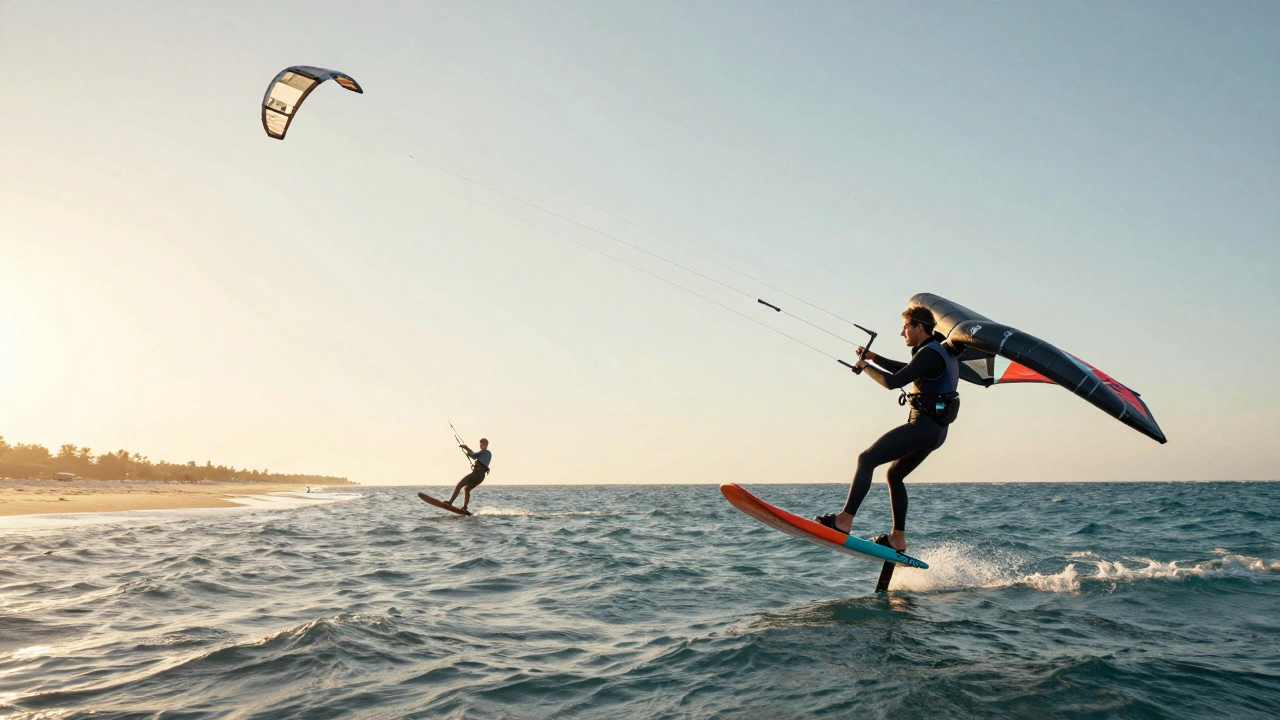
Your choice should depend on how you ride most often. If you spend your days cruising along the beach, enjoying the scenery, and catching occasional waves, standard stretch lines will serve you well. They are forgiving, comfortable, and cost-effective. You won’t miss the precision because you aren’t looking for it.
However, if you are practicing tricks, learning to foil, or struggling to go upwind, upgrading to low-stretch lines can transform your experience. The immediate feedback helps you learn faster because you can clearly see the result of your actions. It builds muscle memory more effectively. Many experienced riders find that once they switch to no-stretch lines, they cannot go back.
Another consideration is the size of your kite. Larger kites generate more power and tension. In these cases, the benefits of low stretch are more pronounced because the absolute amount of stretch in meters is greater. Smaller kites in high winds might not show as dramatic a difference, but the responsiveness is still noticeable.
Maintenance and Longevity Tips
Regardless of the type you choose, proper maintenance extends the life of your lines. Always rinse them with fresh water after each session, especially if you ride in saltwater. Salt crystals can abrade the fibers and accelerate wear. Store them loosely coiled in a dry, dark place. Avoid folding them sharply, as this can create weak points in the material.
Inspect your lines regularly for signs of fraying, discoloration, or stiffness. If you notice significant stretch developing in previously tight lines, it’s time to replace them. Worn lines can become unpredictable and pose a safety risk. Don’t wait until they break; proactive replacement ensures consistent performance.
Also, check the connectors and swivels. Even the best lines are only as strong as their weakest link. Ensure that the carabiners and eyelets are free from corrosion and move smoothly. Stiff connections can add friction and affect the handling of the kite, mimicking the feeling of poor line quality.
Should beginners use no-stretch kite lines?
Not necessarily. Standard stretch lines are more forgiving and can help beginners focus on basic steering without being overwhelmed by instant feedback. However, some instructors prefer low-stretch lines because they teach correct input habits early. It depends on the teaching style and the student's sensitivity to control.
How much do no-stretch kite lines cost?
No-stretch lines are typically 20-50% more expensive than standard polyester lines. Prices vary by brand and length, but expect to pay a premium for the advanced materials like Dyneema that offer superior strength and minimal elongation.
Can I mix stretch and no-stretch lines?
It is generally not recommended to mix different types of lines on the same kite. Uneven stretch can lead to asymmetrical pulling, causing the kite to behave unpredictably and potentially damaging the canopy. Always replace all four lines at the same time with matching sets.
Do foil kites need special lines?
Yes, foil kites benefit greatly from lightweight, low-stretch lines. Because foils are sensitive to wind changes and operate with less inherent stability than inflatables, precise control is essential. Lighter lines also reduce overall weight, improving maneuverability.
How often should I replace my kite lines?
Most manufacturers recommend replacing lines every 1-2 years, depending on usage. If you ride frequently in saltwater or notice visible wear, fraying, or increased stretch, replace them sooner. Regular inspection is key to ensuring safety and performance.