You know that feeling when the wind catches your kite and suddenly you’re holding onto a living thing? It’s pure joy. But here’s the thing: that same energy can turn dangerous fast if you aren’t paying attention. We’ve all seen it happen-a tangled mess in a tree, a snapped line hitting a bystander, or worse, a kite disappearing into power lines. Flying a kite isn’t just about catching the breeze; it’s about managing risk. Whether you are launching a simple diamond shape or a complex stunt quad-line, the difference between a fun afternoon and a trip to the ER often comes down to three simple principles: Caution, Courtesy, and Common Sense.
Caution: Reading the Wind and Your Gear
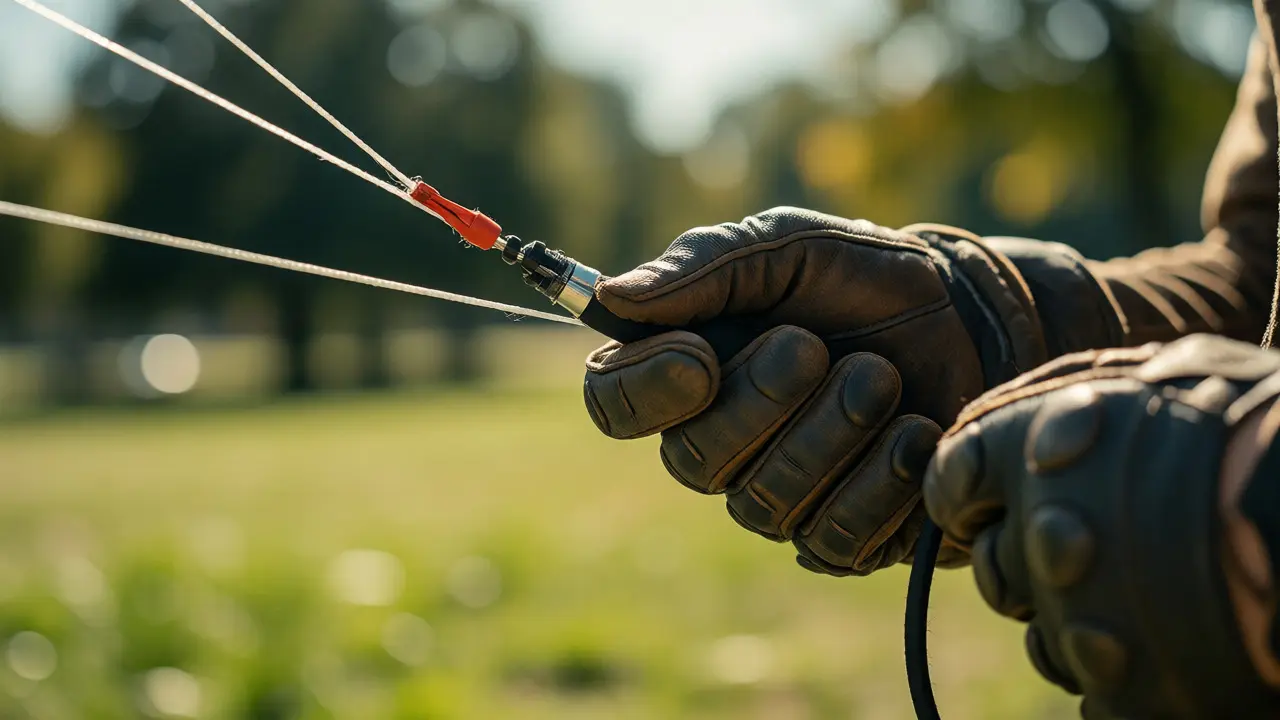
Let’s start with the obvious stuff that people ignore. You wouldn’t drive a car without checking the brakes, right? So why fly a kite without checking your setup? Kite Safety begins with equipment integrity. Before you even step outside, inspect your line. Is it frayed? Are there knots where there shouldn’t be? A broken line at high tension acts like a whip. If you’re using a braided polyester line, check for abrasion points near the handle. If you’re on a long line (over 50 feet), make sure you have gloves. Seriously, nylon line can slice through skin before you even realize you’re bleeding.
Then there’s the wind itself. Not all wind is created equal. A steady 10-15 mph breeze is ideal for most recreational kites. But gusty, chaotic wind? That’s trouble. Gusts create sudden spikes in pull force. If your anchor slips or your grip fails during a gust, you lose control instantly. Always test the wind speed first. Hold a ribbon or tissue paper up. If it flies straight out, you’re good. If it flaps wildly, wait it out. Also, consider the size of your kite relative to the wind. A large parafoil in 20 mph winds generates massive pull. If you can’t hold it with one hand while standing firm, it’s too big for the conditions.
| Wind Speed (mph) | Kite Type | Safety Note |
|---|---|---|
| 0-5 | Large Delta / Parafoil | May require pulling to launch; low pull force. |
| 5-15 | Diamond / Box / Stunt | Ideal range for most beginners and intermediates. |
| 15-25 | Small Diamond / Foil | High pull force; use gloves and secure anchors. |
| 25+ | Power Kite / None | Risk of injury; avoid unless experienced. |
Courtesy: Sharing the Sky and the Ground
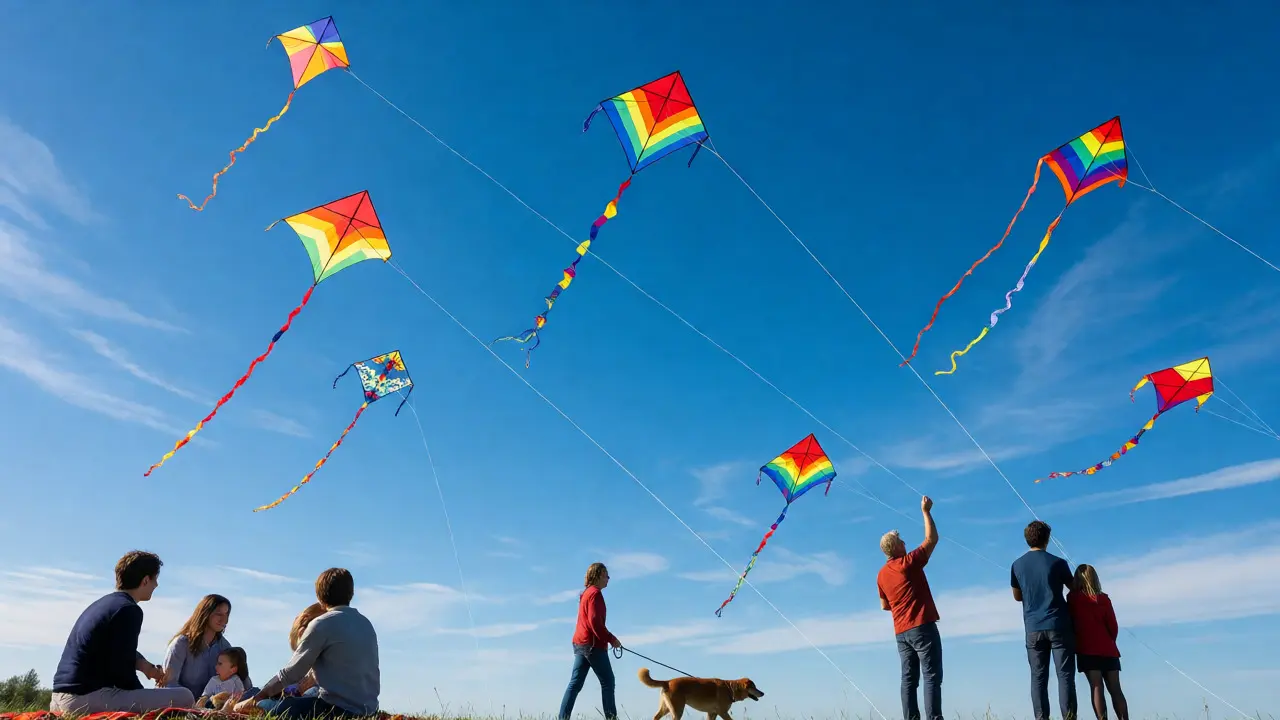
Here is where most conflicts start. You think you own the sky because your kite is up there. But other people might want to use the same space. Kite Etiquette is real, and ignoring it makes you that annoying person everyone avoids. First rule: yield to others. If someone else is already flying, don’t launch right next to them unless they invite you. Give them space. Lines cross easily, and tangling two kites usually means both fall out of the sky and get damaged.
Second, respect ground users. People walking dogs, playing frisbee, or having a picnic don’t care about your aerodynamic achievements. They care about not getting hit by a tail or tripping over your stake. Keep your launch area clear. If you’re using a stake, mark it with bright tape so people see it. And please, never fly directly over crowded areas. A dropped kite can injure someone below. If you’re at a busy park, look for designated kite zones. Many cities have specific areas set aside for this exact reason.
Also, think about noise. Some kites, especially those with tails or specific frame designs, whistle loudly in the wind. If you’re in a quiet residential neighborhood, keep it down. And if you’re flying near a beach, watch out for swimmers. A kite diving unexpectedly can splash water everywhere or scare someone swimming nearby. Being courteous isn’t just about being nice; it’s about keeping the hobby accessible. When flyers are rude, parks ban kites. Don’t be the reason your local spot gets a "No Kites" sign.
Common Sense: The Hazards You Can’t See
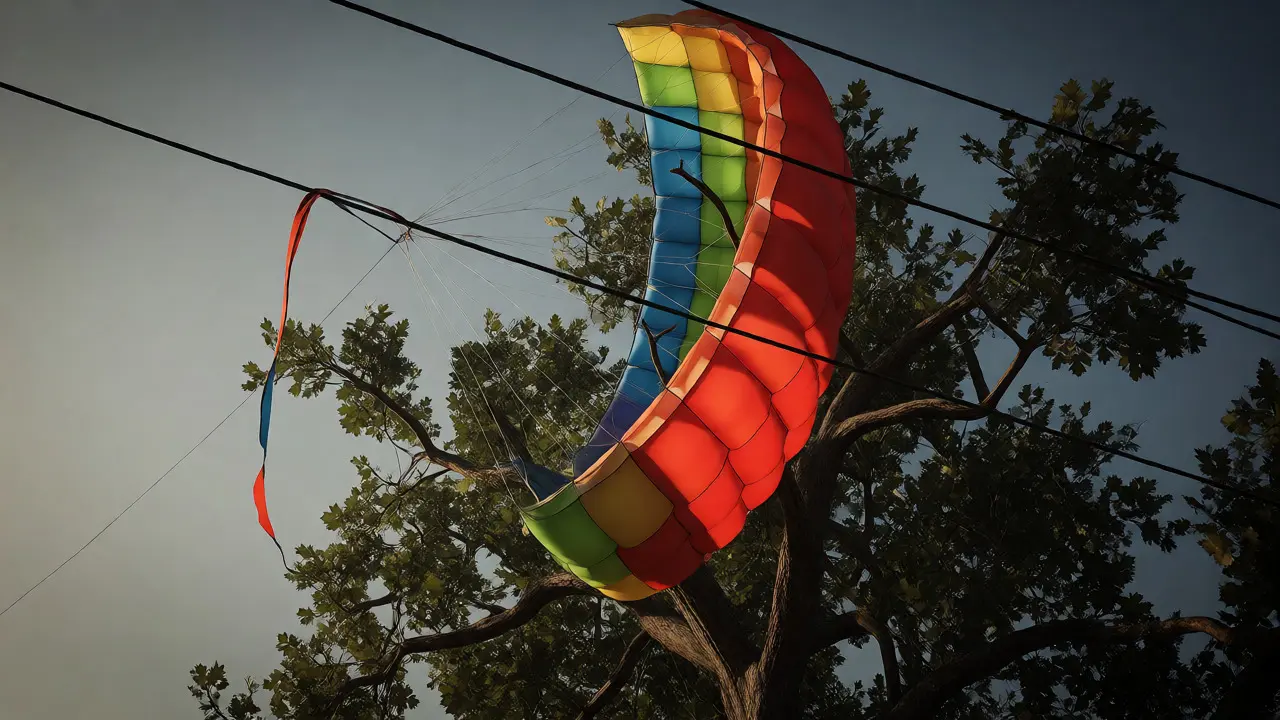
This is the big one. Most serious accidents happen because of things you didn’t notice. The number one enemy of kite flyers? Power lines. Electricity doesn’t need to touch your kite to hurt you. High-voltage lines can arc across gaps. If your kite gets stuck in a tree near power lines, do not climb the tree. Do not try to cut it down with a pole if it’s close to wires. Just let it go. Losing a $20 kite is better than losing your life or causing a neighborhood blackout. Check your surroundings before you launch. Look up. Are there wires overhead? Are there antennas?
Another common sense hazard: airports. This isn’t just a suggestion; it’s federal law in many countries. In the US, the FAA restricts kite flying above 400 feet within certain distances of airports. Why? Because a kite can suck into a jet engine or distract a pilot during landing. If you live near an airport, check the local regulations. You might need permission to fly higher than usual. Even if you’re far from an airport, stay away from flight paths. Small planes and helicopters fly lower than you think.
Weather matters more than you’d admit. Never fly in rain, snow, or thunderstorms. Wet lines conduct electricity. If lightning strikes nearby, a wet string becomes a conductor. Dry days only. Also, avoid flying during dusk or dawn when visibility is poor. You might not see another flyer’s line until it’s too late. And finally, know your limits. If you’re new, don’t buy a high-performance stunt kite immediately. Start with something forgiving. Learn how the wind feels before trying tricks. Patience saves gear and fingers.
Pre-Flight Checklist for Safe Launches
Before you head out, run through this quick mental checklist. It takes ten seconds but prevents headaches later.
- Inspect the Line: Run your fingers along the entire length. Feel for nicks or weak spots.
- Check the Knots: Ensure your bridle connections are tight. A loose knot causes crashes.
- Scan the Area: Look for trees, buildings, power lines, and crowds.
- Test the Wind: Use a wind sock or ribbon. Avoid gusty conditions.
- Gear Up: Wear gloves if using lines longer than 50 feet or high-pull kites.
- Secure Anchors: If using a stake, ensure it’s deep enough and visible.
What to Do When Things Go Wrong
Even with perfect preparation, accidents happen. Here’s how to handle the most common issues safely.
The Tangle: If your line tangles with another flyer’s, communicate immediately. Yelling helps. Usually, one person needs to reel in quickly while the other gives slack. Work together, not against each other. If the tangle is severe, cut the line rather than yanking hard, which can damage both kites.
The Tree Rescue: If your kite lands in a tree, assess the height and branch structure. If it’s low, ask the owner for permission to retrieve it. If it’s high, use a long pole gently. Never shake the trunk violently. If it’s near power lines, call it quits. Buy a new kite. It’s cheaper than an electrician bill.
The Lost Kite: Sometimes the wind picks up unexpectedly, and you lose your grip. Let the kite go. Chasing it blindly into traffic or off a cliff is dangerous. Watch where it lands. If it’s in a private yard, walk up politely and ask for it back. Bring a small gift sometimes-it works wonders.
Local Regulations and Community Rules
Every city has its own quirks. In Portland, Oregon, where I live, some parks have specific hours for kite flying to avoid disturbing wildlife or other users. Always check local ordinances. Some places prohibit kites entirely in urban centers due to density. Others require registration for large displays. Ignoring these rules leads to fines or confiscation. It’s worth five minutes of research to know where you can legally fly. Joining a local kite club is also a great way to learn unwritten rules and find safe spots recommended by locals.
How high can I legally fly my kite?
In the United States, the Federal Aviation Administration (FAA) generally allows kite flying up to 400 feet above ground level without special permission. However, local laws may vary, and restrictions apply near airports. Always check local ordinances and notify air traffic control if required in your area.
Is it safe to fly a kite in the rain?
No, it is not safe. Wet kite lines, especially cotton or hemp ones, can conduct electricity if lightning strikes nearby. Additionally, wet fabric kites become heavy and difficult to control, increasing the risk of crashing into people or objects.
What should I do if my kite gets stuck in power lines?
Do not attempt to retrieve it yourself. Power lines carry high voltage, and attempting to remove a kite can cause electrocution or power outages. Leave it there and contact your local utility company if necessary. For smaller kites, it is often best to simply let it go.
Do I need gloves to fly a kite?
Yes, especially if you are using a line longer than 50 feet or flying a large kite. Kite line under tension can act like a razor blade, causing friction burns or cuts known as "line burn." Gloves provide protection and a better grip.
Can I fly a kite near an airport?
Generally, no, or with strict limitations. Kites can pose a hazard to aircraft, particularly during takeoff and landing. Many jurisdictions prohibit kite flying within several miles of an airport. Always check specific local regulations and obtain any necessary permits before flying near aviation zones.