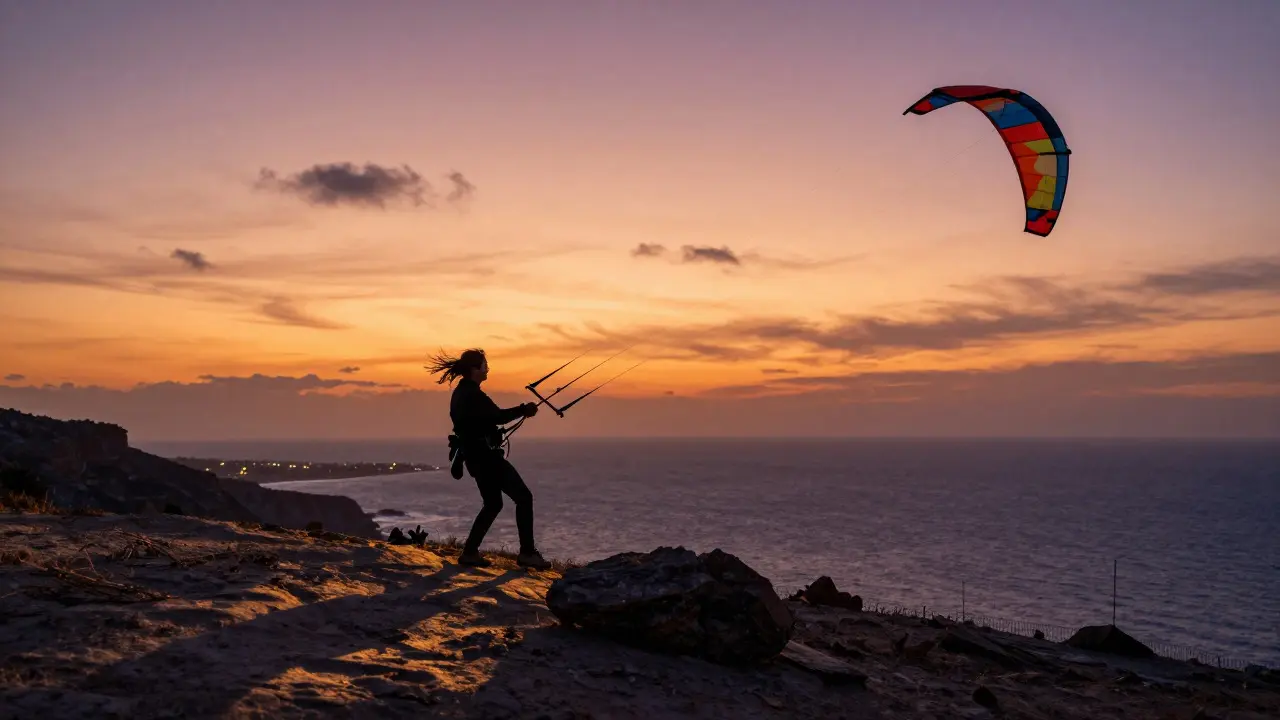
There is a specific feeling you get when the wind hits just right. Your hands tighten on the lines, the kite bites into the air, and for a moment, the noise of the city fades away. But here is the problem: finding that perfect spot or mastering a new trick is hard to do alone. You can watch YouTube tutorials until your eyes blur, but nothing replaces the advice of someone who has actually crashed their gear in that exact location.
This is where online kite communities come in. These are digital hubs where pilots share launch site conditions, repair tips, and flight videos. Whether you fly lightweight stunt kites or heavy power kites, these groups act as your remote crew. They help you avoid dangerous weather, find legal flying spots, and connect with people who speak your language-literally, if you are traveling abroad.
Why You Need a Digital Crew
Flying a kite is often seen as a solitary activity. You stand there, watching the sky, while the rest of the world goes about its business. But experienced pilots know that knowledge is shared through community. When you join a forum or a Facebook group, you gain access to real-time data that apps sometimes miss. For example, local microclimates can change rapidly. A general weather app might say "15 mph winds," but a local forum member might warn you that the valley floor is dead calm while the ridge above is tearing at 30 mph.
These communities also serve as safety nets. If you break a spar or snap a line, asking in a group usually yields a faster answer than searching generic DIY sites. Members often have spare parts or know exactly which shop stocks the specific replacement material you need. It turns a frustrating mechanical failure into a quick fix, allowing you to stay out longer.
The Main Types of Kite Platforms
Not all online spaces are created equal. Depending on what you need, different platforms offer different value. Here is how they break down:
- Dedicated Forums: Sites like KiteForum.com or legacy boards such as KiteTalk. These are text-heavy, archive-friendly, and great for deep technical discussions. You can search years back for answers about specific frame repairs or aerodynamic theories.
- Social Media Groups: Facebook and Instagram groups are visual-first. They are best for sharing short videos of tricks, checking current wind conditions via photos, and organizing meetups. The conversation moves fast, but context can be lost in the scroll.
- Discord Servers: Growing in popularity among younger stunt kite pilots. Discord allows for voice channels where you can talk in real-time while flying. It’s ideal for coordinating tandem flights or getting live feedback on your form.
- Brand-Specific Pages: Manufacturers like RipStik, Fusion Kites, or Ozone often host user groups. These are useful for model-specific support but can be biased toward their own products.
Choosing the Right Community for Your Style
Your choice depends heavily on what kind of kite you fly. Stunt kite pilots and power kite pilots have very different needs. Stunt flyers care about precision, loop mechanics, and lightwind performance. Power kite flyers focus on traction, harness comfort, and wind range. Mixing these two groups without understanding the context can lead to confusion.
If you are a beginner, start with a broad regional group. Look for posts tagged with your nearest city or beach. Introduce yourself briefly. Don’t ask "Is this good?" but rather "What do you think of this setup for 12mph winds?" Specific questions get better answers. Vague questions often get ignored because they require too much guessing from the responder.
How to Get Value Without Being a Burden
Every community has unwritten rules. In kite forums, the biggest pet peeve is the "newbie question" that was answered three times that same week. Before posting, use the search function. Seriously. Most forums have robust search engines. If you can’t find it, then post.
When you do post, include details. Photos help immensely. A picture of a broken joint tells a technician more than ten paragraphs of description. Mention your kite model, line length, and wind speed. This context allows experts to give precise advice rather than generic guesses. Also, be gracious. If someone gives you bad advice, don’t argue publicly unless necessary. Thank them, try the suggestion, and report back. This builds trust within the group.
Sharing your successes is just as important as asking for help. Post your best clips. Show off your new build. Celebrate the first time you land a complex combo. Positive energy attracts positive members. People want to hang around groups that feel welcoming, not hostile. This is especially true for women and newcomers who may face skepticism in traditionally male-dominated hobby spaces. A supportive comment goes a long way in keeping those voices active.
Safety and Etiquette in Digital Spaces
While online interactions are low-stakes, they mirror real-world flying etiquette. Never assume everyone is an expert. Just because someone posts a cool trick doesn’t mean they understand the physics behind it. Conversely, don’t dismiss beginners. Everyone starts with a crash.
One critical aspect is safety information. If you learn about a dangerous condition-like high voltage wires near a popular beach or a recent change in local regulations-share it. Use clear headings like "SAFETY ALERT" so it doesn’t get buried. Accurate information saves lives. Misinformation can lead to injuries or equipment loss. Always verify local laws regarding kite flying heights and locations before posting recommendations.
Building Your Network Beyond the Screen
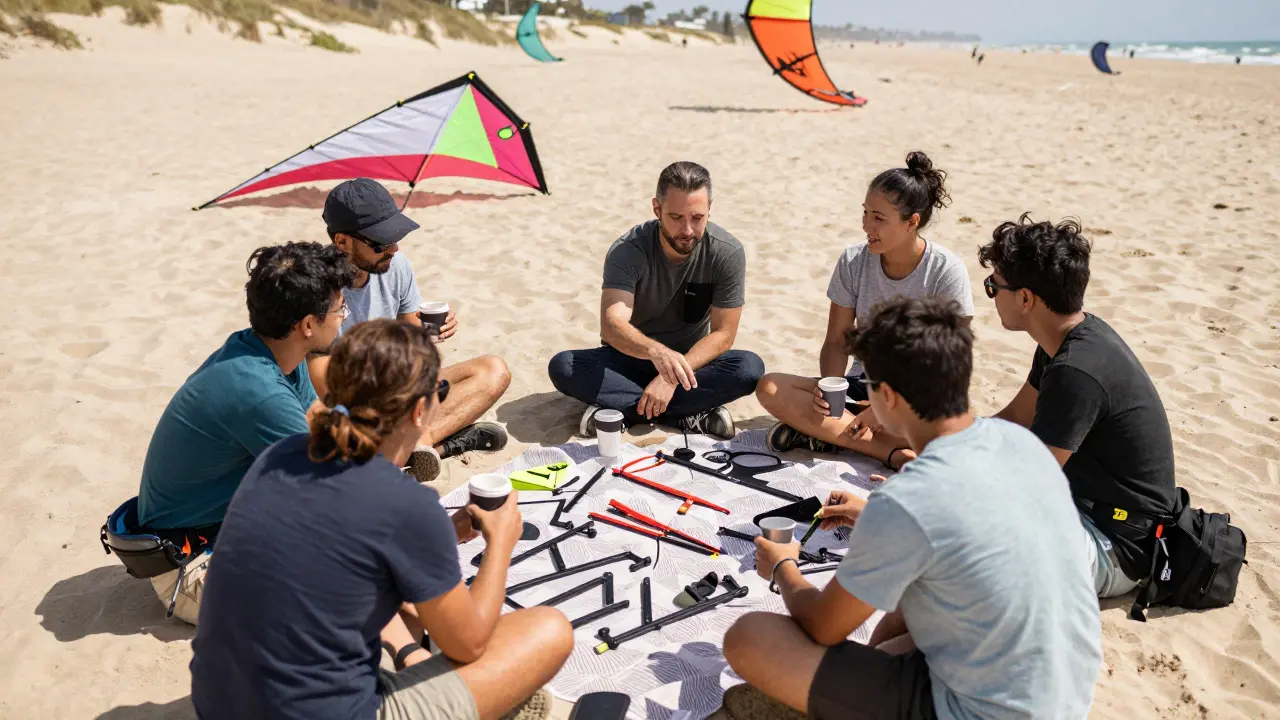
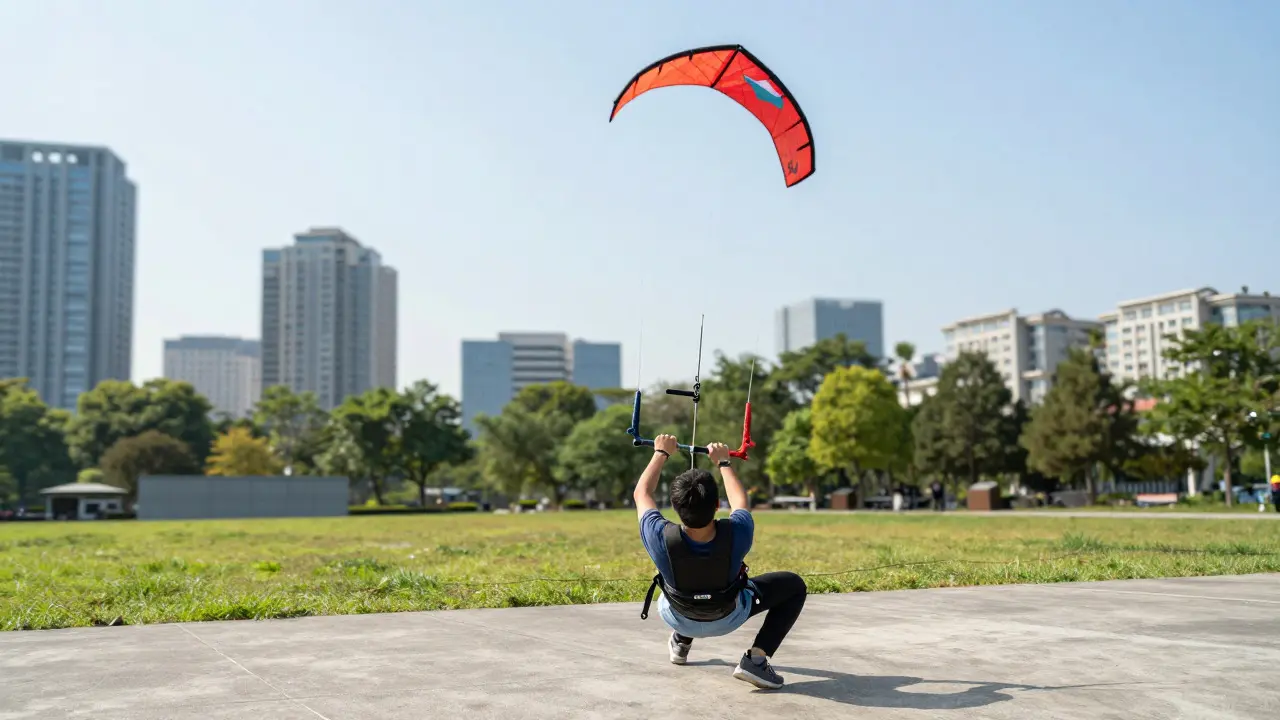
The ultimate goal of joining an online community is often to meet people in person. Many groups organize regular fly-ins. These events are goldmines. You get to see how others handle their gear, swap stories over coffee, and maybe even borrow a spare part. If you are new to a city, look for these events. They are the fastest way to integrate into the local scene.
Even if you prefer solo flying, having a few contacts in a group means you always have someone to call if you need a second pair of eyes on a tricky landing zone. It transforms the hobby from a solitary pastime into a connected lifestyle. You become part of a global network of people who understand the unique joy of controlling something in the sky with nothing but string and skill.
Common Pitfalls to Avoid
Don’t rely solely on one platform. Algorithms change. One day, your favorite Facebook group might bury your post; another day, a forum thread might disappear due to server issues. Diversify your presence. Keep a bookmark list of key resources. Follow a few prominent instructors or builders on social media for inspiration, but keep your deeper questions for the dedicated forums where the audience is more focused.
Avoid echo chambers. If you only interact with people who fly the exact same model as you, you limit your growth. Cross-pollinate. Ask a power kite flyer about wind reading techniques. Ask a stunt flyer about line tension management. Different disciplines offer different perspectives that can improve your overall piloting skills.
Are online kite communities free to join?
Most are free. Dedicated forums usually require a free registration. Social media groups are open to anyone with an account. Some niche Discord servers might have paid tiers for advanced features, but the core chatting is typically free.
Which platform is best for beginners?
Facebook groups are generally the most beginner-friendly due to their visual nature and lower barrier to entry. However, dedicated forums provide better searchable archives for troubleshooting specific problems later on.
Do I need to buy expensive gear to participate?
No. Communities welcome all levels. Many members fly budget-friendly kites and still perform impressive tricks. Gear quality matters less than technique and consistency in these discussions.
How do I find a local meetup through these groups?
Search for keywords like "fly-in," "meetup," or your specific city name in the group’s search bar. Check pinned posts, as many groups keep a calendar of upcoming events there. You can also post a request to see if anyone is planning a session soon.
Is it safe to share my location in these forums?
Generally yes, especially in public-facing groups. However, if you are flying in a secluded area with valuable gear, consider being vague about the exact GPS coordinates until you arrive. Share the general area (e.g., "North Beach") rather than a specific hidden cove.