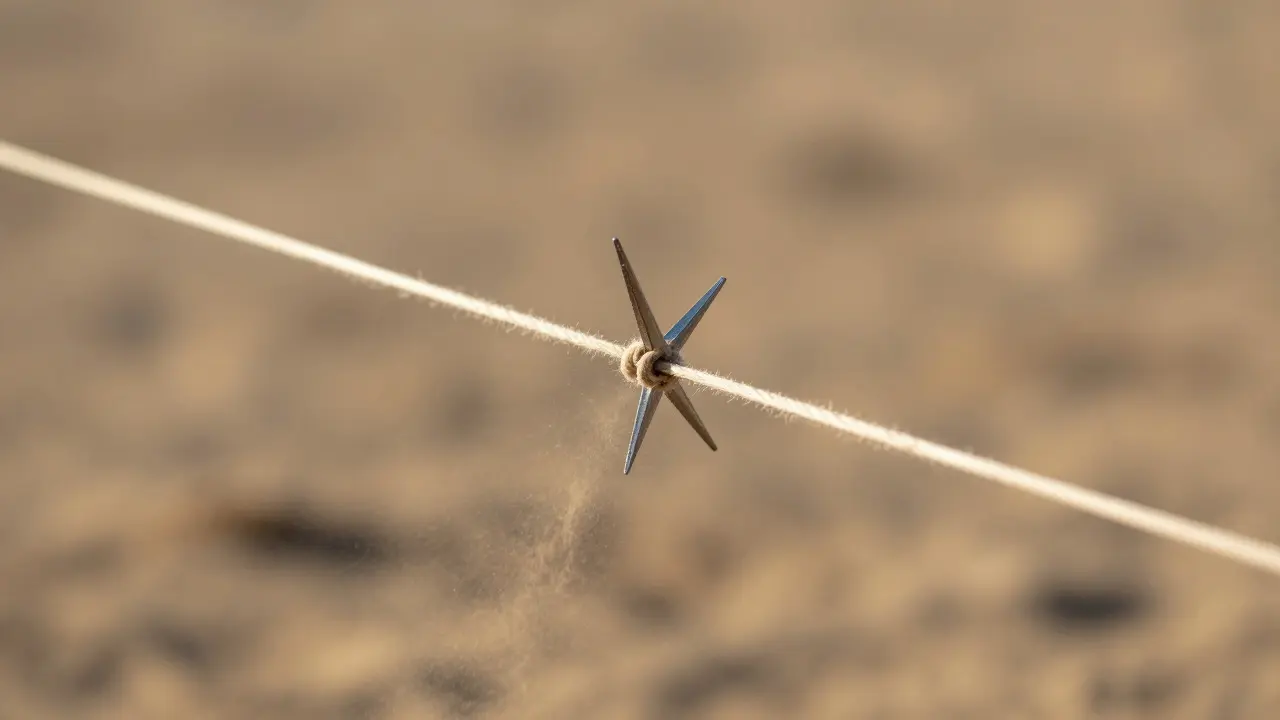
There is a specific sound that every serious competitive kite flyer knows well. It’s the sharp, high-pitched snap of a manja-coated string slicing through another kite's tail or spine. In the world of traditional kite fighting, this isn't just noise; it’s victory. Whether you are flying in the dusty squares of Lahore or the windy parks of Portland, the goal remains the same: dominate the sky and cut down your opponent. But winning isn't about luck. It’s about physics, precision, and understanding the subtle kite cutting techniques that separate a casual hobbyist from a strategic champion.
You might think that all you need is a strong string and a fast kite. If so, you’re likely losing more fights than you’d like. The reality is that the air above the ground is a three-dimensional battlefield. Wind shifts, thermal updrafts, and the angle of attack all change by the second. To win, you need to treat your kite not just as a toy, but as a tactical asset. This guide breaks down the core mechanics of aerial combat, helping you read the wind, manage your line tension, and execute cuts with surgical accuracy.
The Physics of the Cut: Why Manja Works
To understand how to cut, you first have to understand what you’re using. Most modern competitive kites use a coating called manja, which is typically made from crushed glass or fine sand mixed with glue. This abrasive layer turns a simple nylon or cotton string into a saw blade. When two strings cross at speed, friction generates heat and abrasion, eventually severing the weaker line.
However, manja doesn’t work on its own. It requires velocity. A slow-moving string might tangle with an opponent, but it rarely cuts. You need relative speed between the two lines. This is where the geometry of the fight comes in. The angle at which your string intersects the enemy’s determines the efficiency of the cut. A head-on collision at 45 degrees is far more effective than a glancing blow at 10 degrees. Your job as the pilot is to force that optimal intersection angle while keeping your own kite stable enough to survive the encounter.
| Coating Type | Abrasive Material | Cutting Speed | Durability | Risk to Pilot |
|---|---|---|---|---|
| Standard Manja | Fine Sand/Glass | Medium | High | Moderate (Cuts hands) |
| Heavy Glass | Coarse Crushed Glass | Fast | Low (Fragile) | High (Deep lacerations) |
| Silicone-Coated | Synthetic Particles | Slow | Very High | Low (Slippery) |
Choosing the Right Airframe for Combat
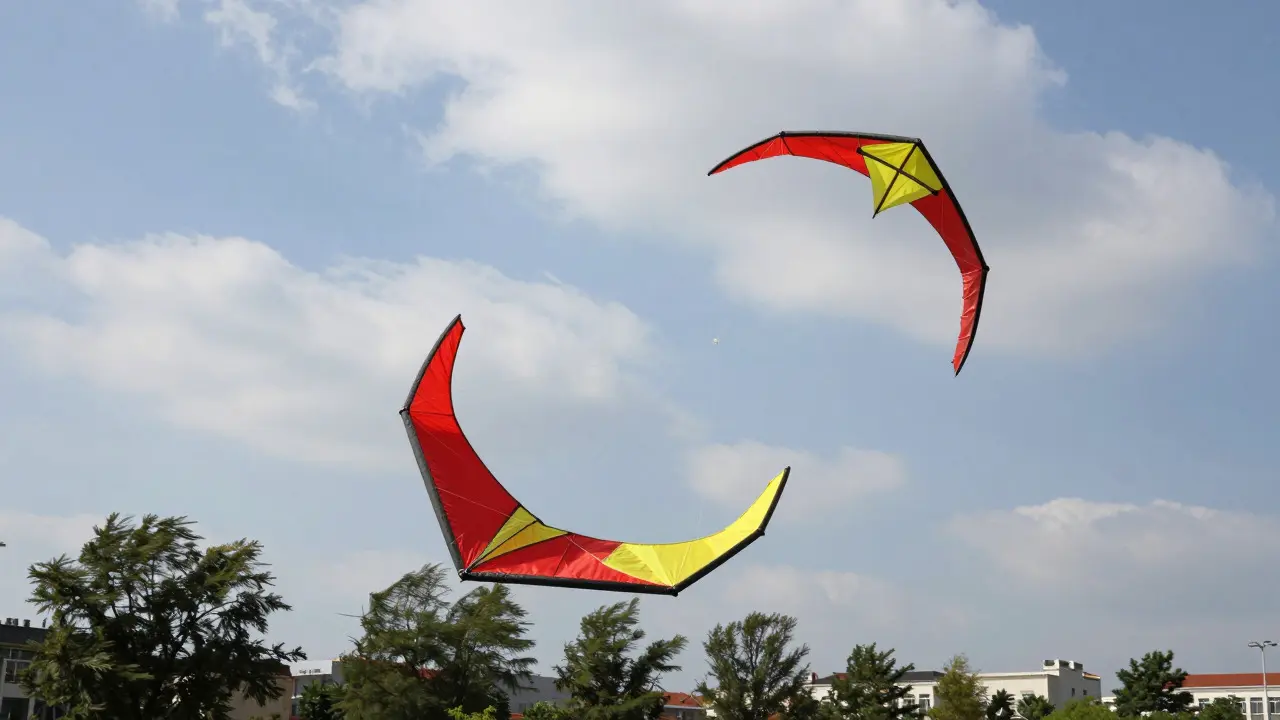
Not all kites are built for war. A delicate diamond kite might look beautiful, but it lacks the structural integrity needed for sustained aerial duels. For competitive cutting, the delta kite is the undisputed king. Its triangular shape provides a large surface area for lift while maintaining a low center of gravity. More importantly, the rigid spar system allows for precise control inputs without the flex that causes slower kites to wobble during high-tension maneuvers.
When selecting a combat delta, look for reinforced spars made from carbon fiber or high-grade bamboo. These materials can withstand the sudden jerks caused by string snags. The bridle length also matters. A shorter bridle makes the kite turn faster, giving you agility in tight spaces. A longer bridle stabilizes the kite in turbulent winds but reduces your turning radius. For most street-level battles, a balanced bridle setup offers the best compromise between stability and responsiveness. Remember, a kite that is too agile becomes unpredictable; one that is too stable becomes easy to target.
Reading the Wind: The Invisible Variable
Here is the secret that beginners often miss: you don’t fight the other flyer. You fight the wind. The wind is the only constant in a kite battle, yet it changes constantly. Gusts, thermals, and urban canyon effects create invisible currents that can push your kite off course in milliseconds. Successful pilots develop a keen sense for these shifts. They watch the grass, the dust, and even the movement of their own kite’s tail to gauge wind direction and strength.
In a city environment, buildings create complex airflow patterns. Leeward sides of structures often have dead zones where lift disappears, while windward sides accelerate the air, boosting your altitude rapidly. Use these natural features to your advantage. If you see an opponent struggling against a gust, wait. Let them burn energy fighting the turbulence. Then, when the wind settles, strike. Patience is a weapon. Rushing into a chaotic wind field usually results in a tangled mess rather than a clean cut.
Strategic Maneuvers: The Art of the Feint
Once you’ve established position, the real game begins. The primary objective is to get your string across the opponent’s path. There are three fundamental maneuvers to master:
- The Loop: A rapid circular motion that creates centrifugal force. This pulls the string tight and increases its speed, making it harder for the opponent to dodge. It’s useful for initiating contact.
- The Drop: Sudden release of line tension. This causes your kite to sink slightly, forcing the opponent to adjust their altitude. If they overcorrect, you can spring back up and slice through their lower line.
- The Cross-Over: Moving your kite directly across the opponent’s flight path. This is the highest-risk, highest-reward move. It requires perfect timing. If you cross too early, you miss. If you cross too late, you risk being cut yourself.
Combining these moves creates a rhythm. A common tactic is to loop to build speed, drop to unsettle the opponent, and then execute a cross-over as they react. This sequence disrupts their focus and forces them onto the defensive. Practice these transitions in open fields before taking them to the streets. Muscle memory is critical when split-second decisions determine who keeps their kite in the air.
Line Management and Safety
While the kite gets the glory, the string does the work. Managing your line is half the battle. Keep your reel smooth and free of knots. A snagged line can ruin a perfect maneuver. Wear gloves-non-negotiable. Manja strings cut skin easily, and deep gashes can require stitches. Check your string regularly for wear spots. A frayed section is a liability that will fail at the worst possible moment.
Always be aware of your surroundings. Flying near power lines is dangerous not just for your kite, but for your safety. Wet manja strings conduct electricity. Stick to open areas away from infrastructure. Also, respect local regulations. In many cities, kite fighting is restricted or banned due to nuisance complaints. Know the rules before you fly to avoid confiscation or fines.
Common Mistakes That Cost You the Fight
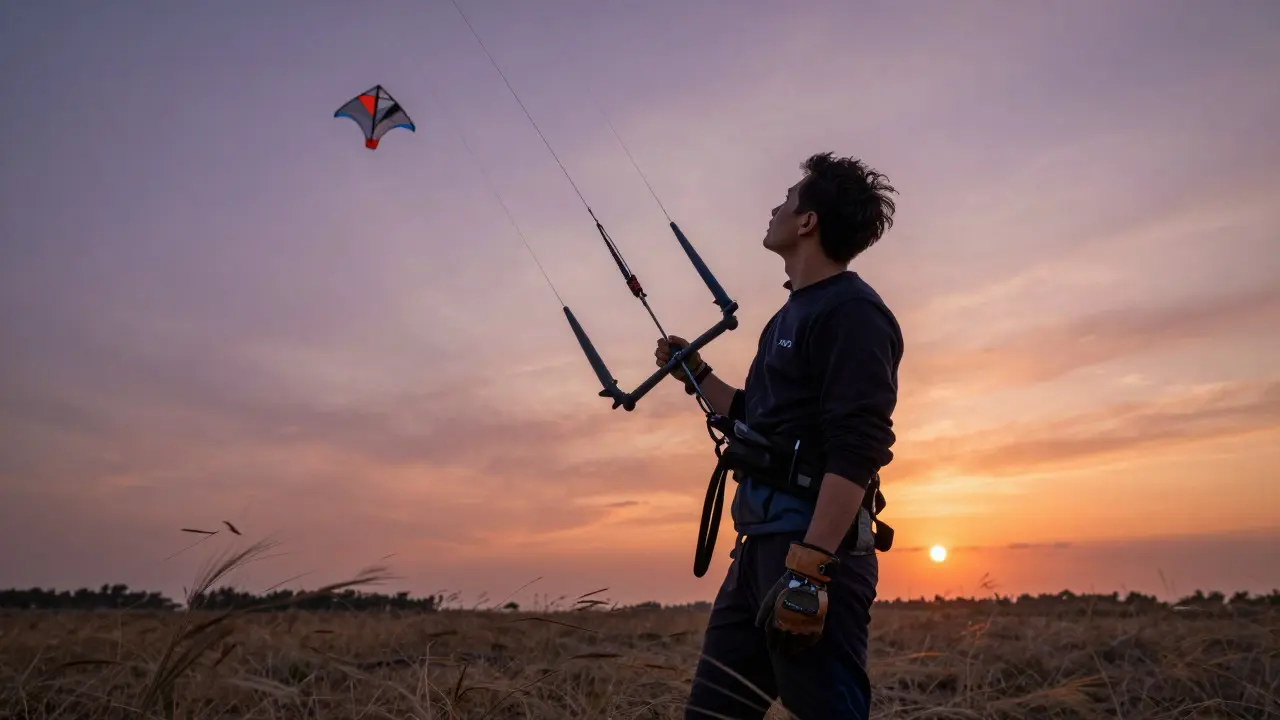
Even experienced flyers make errors. Here are the top three mistakes that lead to defeat:
- Chasing Altitude: Climbing higher gives you a view, but it also exposes you to stronger, more erratic winds. Stay at a height where you maintain control.
- Ignoring the Tail: Many fighters focus on the main body of the kite. However, tails are vulnerable. A quick slash to the tail destabilizes the opponent, making the final cut easier.
- Overconfidence: After a few wins, you may start taking risks you wouldn’t normally take. Stay disciplined. The wind always has the final say.
Building Your Reputation in the Community
Kite fighting is as much a social activity as it is a sport. Local communities often have unwritten codes of conduct. Respect your opponents. If you cut someone, acknowledge it. Avoid unnecessary aggression that damages property or scares pedestrians. Building a good name helps ensure fair play and invites you to join organized leagues or tournaments. These events provide structured competition and opportunities to learn from masters of the craft.
As you progress, consider experimenting with different kite designs and string weights. Each combination behaves differently under various conditions. Keep a log of your flights: note the wind speed, the type of kite used, and the outcome. Over time, you’ll identify patterns that help you predict outcomes and refine your strategy. The sky is vast, but with the right knowledge, you can navigate it with confidence and skill.
What is the safest material for kite fighting strings?
Nylon or polyester coated with fine sand or glass is standard. Heavier glass coatings cut faster but are more dangerous to the pilot. Always wear protective gloves regardless of the string type.
How high should I keep my kite during a fight?
Keep your kite within 100-200 feet of the ground. Higher altitudes expose you to stronger winds and make retrieval difficult if you lose. Lower altitudes allow for quicker reaction times and better control.
Can any kite be used for competitive cutting?
No. Rigid-frame delta kites are preferred because they handle high tension and allow for precise maneuvering. Soft-bodied kites like diamonds lack the structural rigidity needed for sustained combat.
What should I do if my string snaps?
Stay calm and observe the falling kite. If it lands safely, retrieve it. If it falls near people or traffic, wait for a safe window. Never chase a falling kite blindly, as it can whip around unpredictably.
Is kite fighting legal everywhere?
No. Laws vary by location. Some cities ban manja-coated strings entirely, while others restrict flying hours or locations. Always check local ordinances before participating in competitive kite fighting.