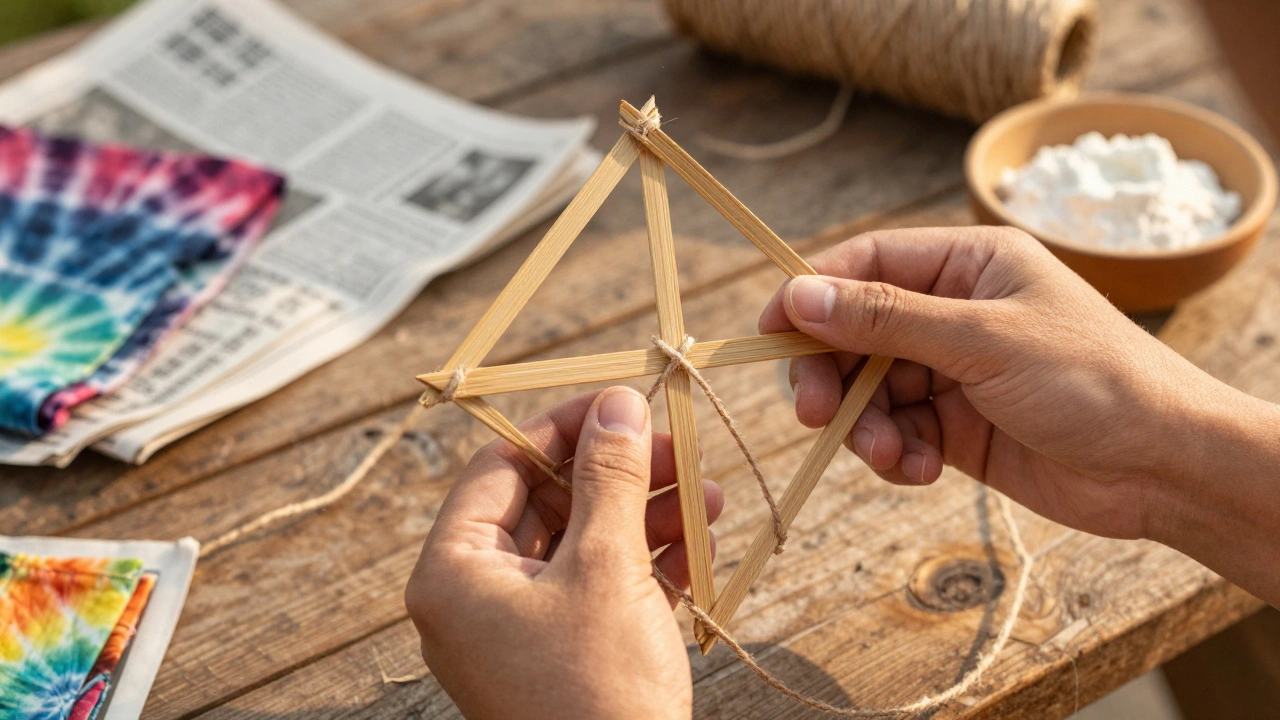
Imagine standing on a windy hill, launching a kite that doesn't just dance in the sky but tells a story about saving our planet. This isn't science fiction; it's the growing movement of sustainable art kites, which combine aerial creativity with environmental activism using recycled materials. For years, traditional kite flying relied heavily on plastic films, synthetic fibers, and non-biodegradable spools. But as awareness of microplastics and waste grows, artists and hobbyists are reimagining this ancient pastime through an eco-conscious lens.
The shift toward sustainability in kite making is more than a trend; it's a necessary evolution. By using discarded materials like old newspapers, broken umbrellas, or scrap fabric, creators reduce landfill waste while producing unique visual statements. These kites often carry messages about climate change, ocean conservation, or biodiversity, turning every flight into a mobile billboard for positive change. Whether you're a seasoned flyer or a curious beginner, understanding how to build and fly these eco-kites opens up a world of creative possibility.
Why Choose Sustainable Materials for Kite Making?
The average recreational kite contains significant amounts of petroleum-based plastics. Traditional ripstop nylon, polyester lines, and plastic rods contribute to long-term environmental damage, especially when kites break and are left behind in fields or oceans. Switching to sustainable alternatives addresses this issue directly.
Using recycled materials in kite construction reduces demand for virgin resources. Old magazines can become vibrant surfaces, bamboo scraps form strong frames, and natural cotton thread replaces nylon line. Beyond reducing waste, these materials often offer better aerodynamic properties due to their varied textures and weights. Artists find that working with imperfect, reclaimed items sparks innovation, leading to designs that wouldn't be possible with uniform factory-made parts.
Moreover, sustainable kites connect flyers with local communities. Sourcing materials from neighbors' trash bins or community clean-up events fosters collaboration and shared purpose. It transforms kite making from a solitary hobby into a collective act of environmental stewardship.
Essential Recycled Materials for Your Eco-Kite
Building a functional and beautiful sustainable kite requires careful selection of materials. Not all recycled items are suitable, so knowing what works best is crucial. Here’s a breakdown of top choices:
- Bamboo: Lightweight yet incredibly strong, bamboo strips make excellent spars (the structural frame). They are biodegradable and grow rapidly without pesticides.
- Newspaper & Magazines: Layered and sealed with natural starch paste, paper creates durable, colorful skins. The printed text adds texture and visual interest.
- Old T-Shirts & Fabric Scraps: Cotton or linen fabrics provide wind-resistant surfaces. Tie-dye or patterned sections create striking visuals against the sky.
- Natural Fiber Thread: Hemp, jute, or cotton twine serves as bridle and tail material. Unlike synthetic lines, these decompose naturally if lost.
- Broken Umbrellas: The metal ribs and canopy fabric can be repurposed into complex stunt kites or large display pieces.
Avoid materials with heavy coatings, toxic dyes, or sharp edges. Always test small samples for strength before committing to a full build. Remember, the goal is functionality alongside aesthetics-your kite must fly reliably to deliver its message effectively.
Designing Kites with Environmental Messages
An art kite becomes truly impactful when its design communicates a clear environmental theme. Visual storytelling is key. Consider incorporating symbols like waves, trees, endangered animals, or abstract representations of pollution versus purity.
Color psychology plays a role too. Earth tones evoke nature, while stark contrasts highlight urgency. Some artists use negative space to reveal underlying messages only visible from certain angles. Others embed QR codes made from recycled foil, linking viewers online to learn more about specific causes.
Think about your audience. Will your kite be seen by children at a park? Focus on hopeful imagery. Flying near coastal areas? Highlight marine protection themes. The context shapes the narrative. Collaborating with local environmental groups can also enhance authenticity and reach.
| Component | Traditional Material | Sustainable Alternative | Environmental Impact |
|---|---|---|---|
| Frame | Fiberglass Rods | Bamboo Strips | Biodegradable, renewable |
| Skin | Ripstop Nylon | Layered Newspaper/Fabric | Reduces plastic waste |
| Line | Dacron/Nylon | Hemp/Cotton Twine | Naturally decomposes |
| Adhesive | Synthetic Glue | Cornstarch Paste | Non-toxic, safe for soil |
Step-by-Step Guide to Building Your First Eco-Kite
Creating a sustainable art kite is simpler than it sounds. Follow these steps to construct a basic diamond-shaped kite using recycled materials:
- Gather Supplies: Collect two thin bamboo sticks (one longer for the spine, one shorter for the crossbar), several sheets of newspaper or fabric, cornstarch, water, hemp string, and scissors.
- Prepare the Frame: Bend the longer bamboo stick slightly to form an arch. Secure the ends together with twine. Attach the shorter stick horizontally across the middle, forming a cross shape. Wrap intersections tightly with hemp string.
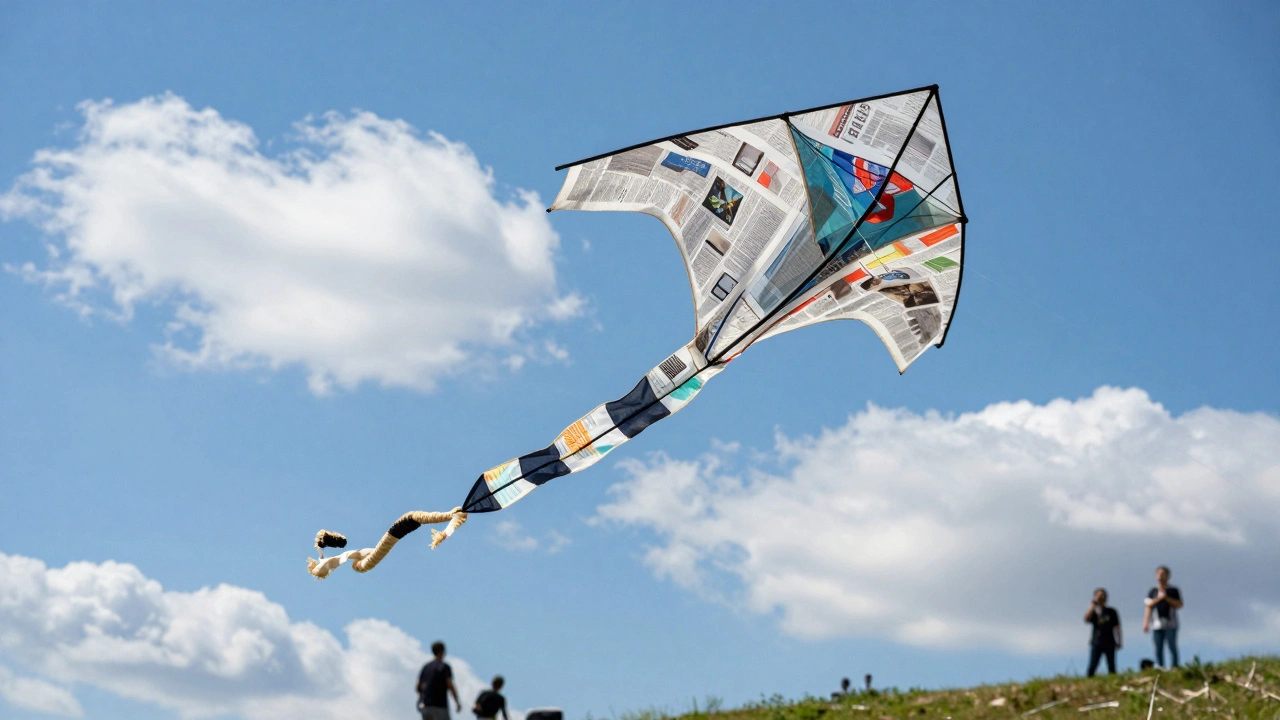
- Create the Skin: Cut your chosen material into a diamond shape matching the frame size. If using paper, layer three sheets for durability. Brush a mixture of equal parts cornstarch and warm water onto the surface as adhesive.
- Attach the Skin: Lay the frame over the prepared skin. Fold excess material over the bamboo and secure with additional paste. Allow to dry completely under weight for flatness.
- Add Bridle & Tail: Tie two points along the spine to create a bridle loop. Attach a long tail made of braided fabric strips or shredded newspaper to stabilize flight.
- Test Flight: Take your kite to an open area with steady breeze. Adjust the bridle tension until it flies smoothly without diving or spinning.
Experiment with different shapes and sizes once you master the basics. Box kites, cellular kites, and parafoils all have sustainable variations waiting to be explored.
Flying Responsibly: Best Practices for Eco-Friendly Kiting
Even the most sustainably built kite can harm the environment if flown irresponsibly. Adopting ethical flying habits ensures your passion supports rather than harms nature.
Always choose designated flying zones away from power lines, airports, and sensitive wildlife habitats. Never leave your kite unattended-if it crashes, retrieve it immediately. Carry a small bag to collect any debris, including your own broken pieces. Educate others around you about responsible practices.
Consider joining or organizing community kite festivals focused on sustainability. Events like the annual Portland Green Sky Festival bring together hundreds of flyers committed to zero-waste principles. Sharing knowledge amplifies impact far beyond individual efforts.
Inspiring Examples of Sustainable Art Kites
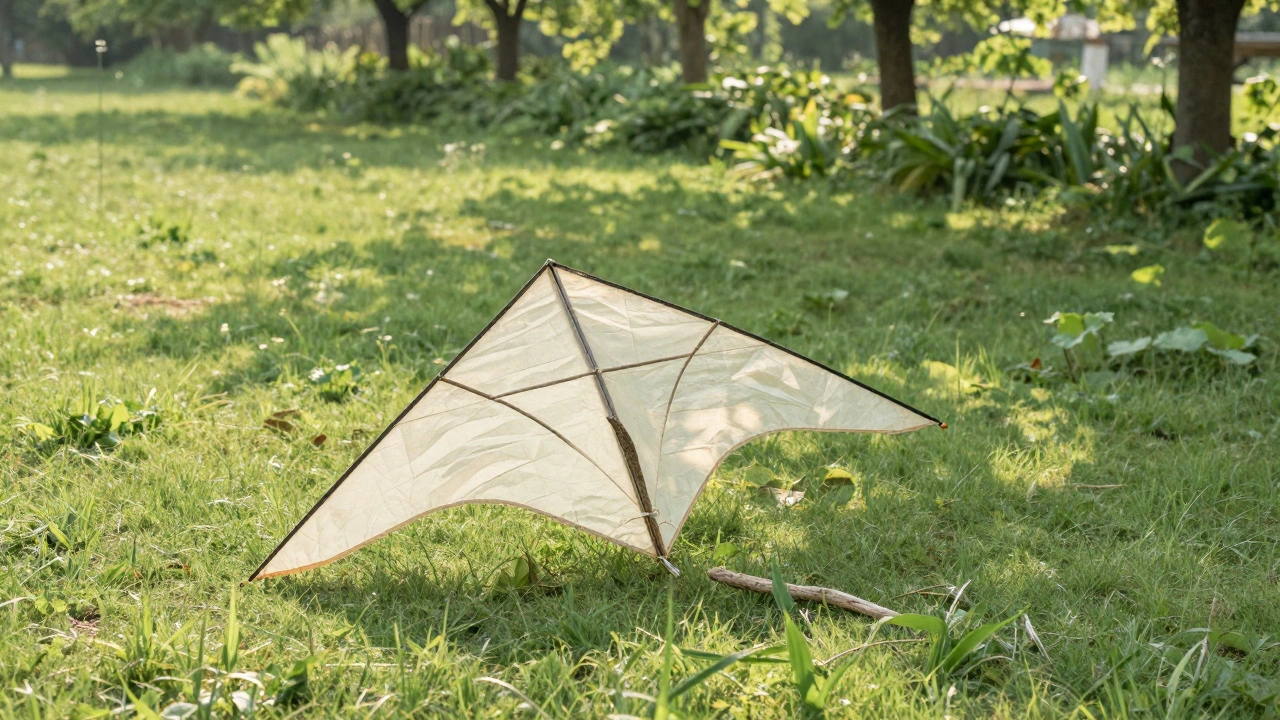
Artists worldwide are pushing boundaries with eco-kites. In Japan, creator Yuki Tanaka uses washi paper made from mulberry bark to craft intricate dragon kites that symbolize harmony with nature. Her work has been featured in international exhibitions promoting cultural preservation and ecological balance.
In Brazil, group “Vento Verde” constructs massive collaborative kites from fishing nets recovered from beaches. Each piece depicts sea creatures threatened by ghost gear, raising awareness about ocean pollution during coastal cleanup drives.
Locally here in Oregon, artist Maya Lin-inspired installations feature kites woven from reclaimed driftwood and seaweed fibers. These ephemeral sculptures dissolve back into the ecosystem after exhibition, leaving no trace except memories.
These examples prove that sustainability enhances artistic expression rather than limiting it. Constraints breed creativity, and limitations often lead to breakthroughs in technique and meaning.
Troubleshooting Common Issues with Recycled Kites
Working with unconventional materials presents unique challenges. Here’s how to solve frequent problems:
- Kite Won’t Fly Straight: Check symmetry in frame alignment. Uneven bending of bamboo causes drift. Re-shape gently with heat from a hairdryer if needed.
- Skin Tears Easily: Reinforce weak spots with extra layers of paper or fabric. Ensure paste is fully absorbed before adding another coat.
- Tail Too Heavy: Reduce length or switch to lighter materials like tissue paper instead of thick cloth. Balance is critical for stability.
- Frame Snaps Mid-Flight: Use thicker bamboo or reinforce joints with multiple wraps of twine. Pre-stress components by flexing them before assembly.
Patience and iteration are part of the process. Every failed flight teaches valuable lessons about material behavior and aerodynamics.
Can I use regular glue for my sustainable kite?
No, standard white glue or superglue contains chemicals harmful to soil and water. Stick to natural adhesives like cornstarch paste, flour-water mixtures, or tree sap. These bond well with organic materials and break down safely if exposed to rain.
How do I protect paper kites from rain?
Apply a thin layer of beeswax mixed with linseed oil to seal the surface. Avoid petroleum-based sprays. Test weather forecasts before flying, and always bring indoor backup plans. Paper kites perform best in dry, breezy conditions.
Is bamboo really stronger than fiberglass?
For lightweight kites, yes. Bamboo offers superior flexibility and shock absorption, reducing snap risk during gusts. While fiberglass may handle heavier loads better, bamboo’s resilience makes it ideal for dynamic flying styles and artistic freedom.
Where can I find free recycled materials?
Check local buy-nothing groups, Facebook Marketplace, thrift stores, and school art programs. Many businesses discard usable cardboard, fabric offcuts, and wooden pallets daily. Ask politely-they’re usually happy to donate!
Do sustainable kites fly as well as commercial ones?
Yes, when properly constructed. Weight distribution and aerodynamic shape matter more than material origin. With practice, handmade eco-kites match performance of store-bought models while offering greater customization and personal satisfaction.