Quick Summary: Key Takeaways
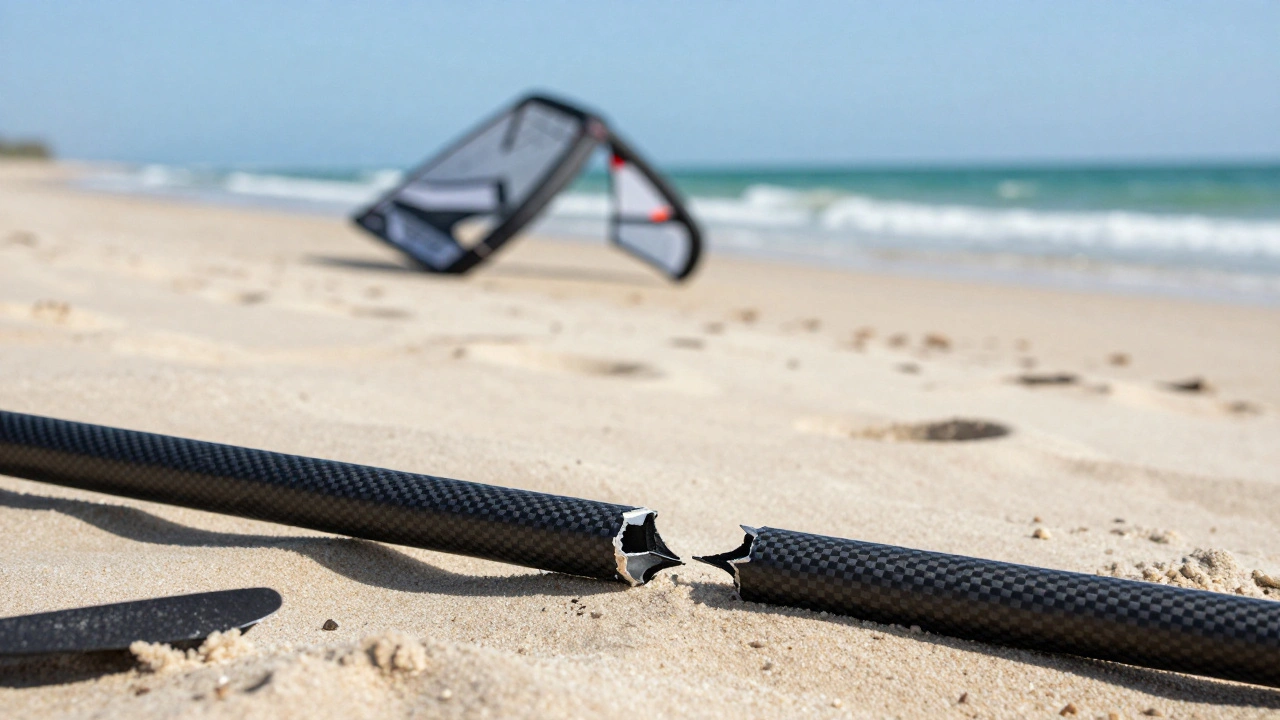
- Assess if the break is a clean snap or a splintered crush.
- Use carbon fiber or fiberglass splints for structural rigidity.
- Avoid using heavy glues that add unnecessary weight to the frame.
- Always reinforce joints with heat-shrink tubing or high-tensile wrap.
- Ensure the repair doesn't create a 'hard spot' that could tear the fabric.
Understanding Your Kite's Skeleton
Before you start gluing things together, you need to know what you are dealing with. Most modern kites rely on Spars is the structural rods that provide the shape and tension for a kite's canopy. These are typically made from a few different materials, and the fix for one won't work for another. If you use a fiberglass repair method on a carbon rod, you'll likely end up with a crooked kite that won't fly straight.
Carbon fiber is the gold standard for high-performance kites. It is incredibly stiff and lightweight, but when it fails, it often shatters or splinters. Then you have fiberglass, which is more flexible and common in stunt kites. It doesn't snap as violently as carbon, but it can develop hairline fractures that weaken the rod over time. Finally, there are bamboo or plastic rods found in traditional or toy kites, which require much simpler, mechanical fixes.
| Material | Strength | Flexibility | Common Failure Type | Best Repair Agent |
|---|---|---|---|---|
| Carbon Fiber | Very High | Low | Shattering/Splintering | Cyanoacrylate + Carbon Wrap |
| Fiberglass | High | Medium | Stress Fractures | Epoxy Resin |
| Bamboo/Plastic | Low | High | Clean Snaps | Taping / Splinting |
Fixing Clean Breaks in Carbon Fiber Spars
A clean break is actually the best-case scenario. It means the internal fibers are still mostly intact. The goal here is to create a "sleeve" that bridges the gap without adding too much weight. If you just glue the two ends together, the repair will snap again the moment the wind picks up because the joint has no lateral support.
Start by cleaning the broken ends with isopropyl alcohol. Any oil from your fingers will prevent the adhesive from bonding. For kite frame repair, the secret weapon is a thinner carbon tube that fits snugly inside the broken spar. This is called an internal splint. Apply a thin layer of Cyanoacrylate is a fast-acting glue, commonly known as super glue, that bonds surfaces almost instantly to the internal splint, slide it into the first rod, and then slide the second rod over the other end of the splint. This creates a rigid internal bridge.
To finish the job, wrap the outside of the joint with a carbon fiber wrap or high-strength fiberglass tape. This prevents the spar from "kinking" at the break point. If you leave it as just an internal fix, the outer shell of the spar remains weak. A tight external wrap distributes the wind load across a larger surface area, preventing another snap in the same spot.
Dealing with Splintered and Crushed Frames
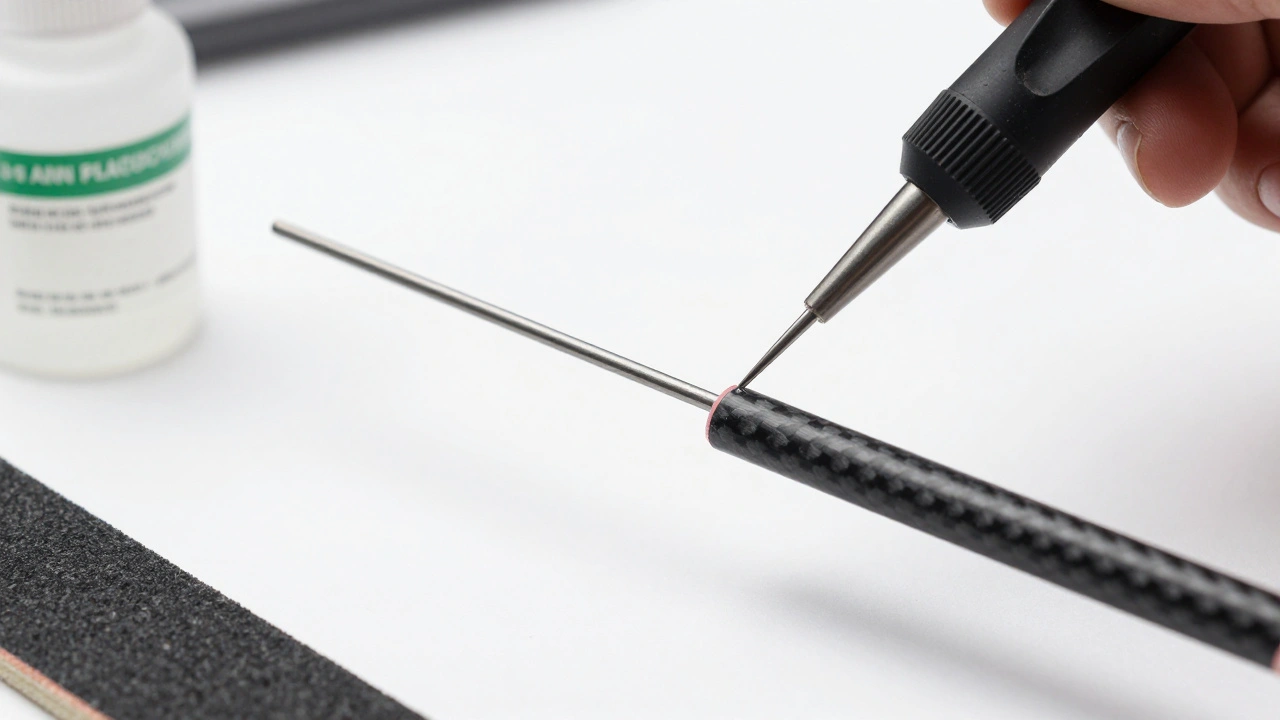
Crushed spars happen when the kite takes a hard hit against a rock or a fence. Instead of a clean break, the material is smashed. You can't just slide a splint in here because the inner diameter of the tube is now deformed. In this case, you have to perform what I call "surgical cleaning."
Use a small piece of sandpaper or a precision file to carefully remove the crushed sections of the Fiberglass is a reinforced plastic material consisting of glass fibers embedded in a resin matrix or carbon. You want to get back to a clean, circular cross-section. If you have to remove an inch of material, don't panic. You can bridge a larger gap using a longer external splint.
For crushed areas, Epoxy Resin is a thermosetting polymer that provides an incredibly strong, waterproof bond when mixed with a hardener is far superior to super glue. Epoxy fills the gaps and voids created by the crushing. Apply the epoxy to a thin bamboo skewer or a carbon strip, place it against the damaged area, and wrap it tightly with Heat Shrink Tubing is a plastic tube that shrinks in diameter when heated, creating a tight, protective seal around a component. Heat the tubing with a heat gun or a lighter until it clings to the spar. This creates a professional, low-profile finish that won't snag on the kite's fabric.
Reinforcing Joints and Stress Points
Most kites don't break in the middle of a rod; they break at the joints where the spars cross or connect to the fabric. These are high-stress zones. If you notice a joint is starting to fray or the fabric is pulling away from the spar, you need to reinforce it before it fails mid-flight.
A common mistake is using too much duct tape. Duct tape is heavy, and the adhesive melts in the sun, leaving a sticky mess that actually attracts dirt and wears down the fabric. Instead, use a combination of nylon thread and a flexible adhesive. Stitch the spar to the fabric using a cross-stitch pattern, then dab a tiny amount of flexible glue over the stitches. This creates a secure bond that can still flex with the wind.
If the spar-to-spar joint is wobbly, use a small rubber O-ring or a piece of silicone tubing to cushion the intersection. This prevents the rods from rubbing against each other, which is a primary cause of structural fatigue. Think of it as adding a shock absorber to your kite's skeleton.
Testing the Repair and Flight Calibration
Once the glue has cured-usually 24 hours for epoxy-don't just launch the kite into a 20mph gale. You need to perform a ground test. Hold the kite by the bridle and gently apply pressure to the repaired spar. It should flex similarly to the unbroken spars. If the repair is too stiff, the kite will be unbalanced, and the wind will put all the pressure on the *next* weakest point, causing a secondary break.
If you've added a bit of weight to the repair, you might need to adjust the bridle. A heavier spar on one side can cause the kite to lean. Check your Bridle is the system of strings that connects the kite's canopy to the flying line, controlling the angle of attack. Ensure the tension is equal on both sides. If the kite feels sluggish, it might be because the repair altered the natural curve of the frame, meaning you'll need to tweak the tow point slightly to regain the proper angle of attack.
| Tool/Material | Best Use Case | Pro Tip |
|---|---|---|
| Isopropyl Alcohol | Surface Prep | Removes oils that kill glue bonds. |
| Carbon Micro-tubes | Internal Splinting | Buy a variety pack of diameters. |
| Heat Shrink Tubing | Joint Finishing | Use the smallest diameter that fits. |
| 200-grit Sandpaper | Sanding Crushed Ends | Sand in the direction of the fibers. |
| High-Tensile Thread | Fabric Anchoring | Use waxed thread for water resistance. |
Can I use a wooden dowel as a splint for a carbon fiber spar?
You can, but it's not recommended for high-performance kites. Wood is significantly heavier and more flexible than carbon fiber. This creates a "hinge" effect at the repair site, which makes the kite unstable in high winds and increases the risk of the repair snapping again. Use a carbon or fiberglass tube for a more permanent, lightweight fix.
Will super glue hold up in salty, humid air?
Standard cyanoacrylate (super glue) is brittle and can degrade over time when exposed to moisture and salt. For beach environments, it's better to use a marine-grade epoxy or a flexible UV-cure resin. If you only have super glue, make sure to seal the entire joint with heat-shrink tubing or a waterproof wrap to keep the salt air away from the bond.
How do I know if a spar has a hairline crack without breaking it?
The "ping test" is a great way to find hidden damage. Hold the spar at both ends and gently tap it with your fingernail. A healthy spar will have a clear, high-pitched ring. A cracked spar will produce a dull, thudding sound because the crack disrupts the vibration of the material. If you hear a thud, wrap that section in fiberglass tape immediately.
Should I replace the entire spar if more than 30% is broken?
Generally, yes. Once you replace too much of a spar with splints and glue, the weight increases and the flexibility changes. This ruins the kite's balance. If a spar is shattered in multiple places or a huge chunk is missing, it's safer and more effective to buy a replacement rod of the same diameter and wall thickness.
Does the type of tape I use really matter?
Absolutely. Avoid masking tape or standard clear tape; they stretch and peel. Use "glass tape" (fiberglass reinforced) or high-strength ripstop tape. These materials don't stretch under tension, which is critical for keeping the spar splint firmly in place while the kite is under load.
Next Steps for a Long-Lasting Kite
If you've just finished a repair, your next move should be a full structural audit. Check every other spar for the "ping" sound and inspect your fabric for small tears. A kite that has suffered a frame failure has likely been stressed in other areas too.
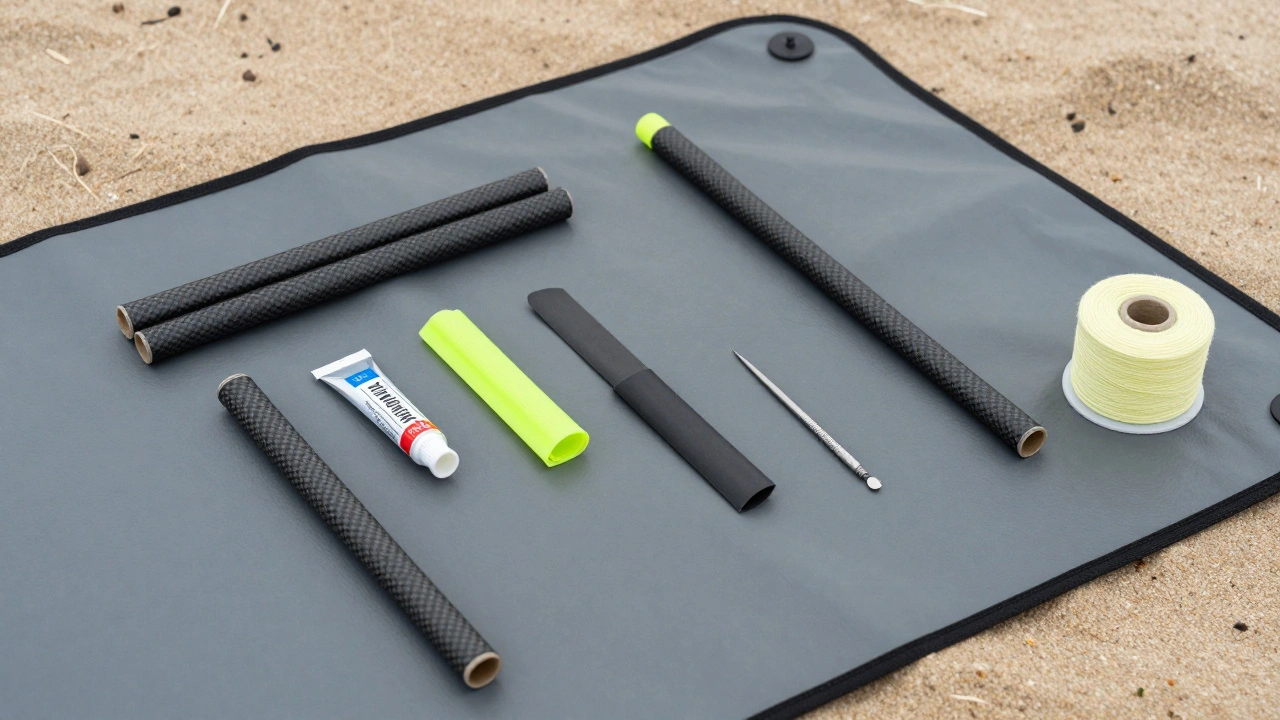
For those who fly frequently, I suggest building a small "field repair kit." Keep a few pre-cut carbon micro-tubes, a small tube of epoxy, and some heat-shrink tubing in a waterproof case. Having these on hand means a broken spar is a 10-minute annoyance rather than a trip home. Once you've mastered frame repair, you might want to look into sail patching and bridle tuning to keep your gear in peak condition for years to come.