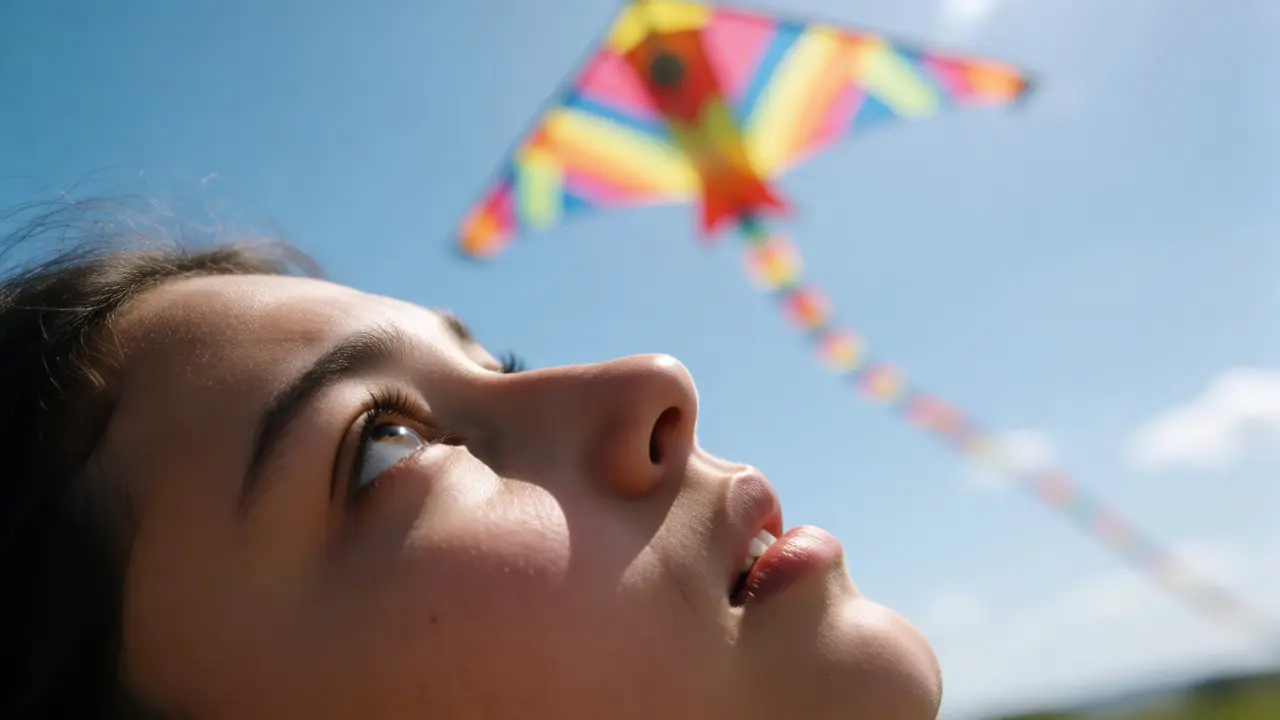
You’re standing in an open field or on a beach, eyes locked on a colorful shape dancing against the blue sky. The wind is perfect, your line tension is just right, and you haven’t moved from that spot in two hours. Then you look down at your forearms. They’re red. Not a healthy tan, but that angry, tight feeling that screams trouble. If you’ve ever flown a kite, you know this story. It’s easy to forget the sun when you’re focused on keeping a kite airborne, especially when the breeze feels cool.
But here’s the thing about kite flying: it puts you in a unique position regarding UV radiation. You are looking up, exposing your face and neck to direct sunlight. You are often stationary, meaning no wind-chill distraction from the heat building on your skin. And if you’re near water or snow, reflection doubles your dose. This isn’t just about comfort; it’s about long-term skin health. Let’s break down how to keep your skin safe so you can focus on the lines, not the burn.
Why Kite Flyers Are High-Risk for Sun Damage
Most people think they’re protected because they aren’t sweating profusely. But kite flying is a low-intensity activity with high exposure. Your body doesn’t generate enough heat to make you feel like you’re working out hard, so you don’t seek shade. Meanwhile, the ultraviolet (UV) index doesn’t care about your heart rate. In Portland, where I live, we get plenty of cloudy days, but clouds only block about 50-80% of UV rays. On a partly cloudy day, you can still get significant exposure without even noticing the glare.
Consider the geometry of the sport. When you fly a single-line stunt kite or a large parafoil, you’re often tilting your head back. This exposes the delicate skin under your chin and the top of your nose-areas people frequently miss when applying lotion. Furthermore, if you’re flying near water, like on the Oregon Coast, the surface reflects up to 100% of UV rays depending on the angle of the sun. That means you’re getting hit from above and below simultaneously. It’s a double whammy that can lead to severe burns in less than 30 minutes during peak summer hours.
The Right Sunscreen Strategy for Active Outdoors
Slapping on any random bottle from your bathroom cabinet won’t cut it. For kite flyers, you need a strategy that accounts for sweat, wind, and duration. First, check the label. You want broad-spectrum sunscreen with an SPF of 30 or higher. Broad-spectrum means it blocks both UVA (aging) and UVB (burning) rays. But SPF number matters less than application frequency. Most people apply half the amount needed.
Here is a rule of thumb: use one ounce (about a shot glass full) for your entire body. For your face and neck alone, use about a teaspoon. Apply it 15-20 minutes before you leave the house. This gives the chemicals time to bind to your skin. If you wait until you’re already in the field, you’re unprotected during those crucial first minutes.
| Sunscreen Type | Best For | Pros | Cons |
|---|---|---|---|
| Chemical Sunscreens | High sweat/wind conditions | Thin layer, absorbs quickly, no white cast | Can irritate sensitive skin, needs 15 mins to activate |
| Mineral (Physical) Sunscreens | Sensitive skin, face/neck | Works immediately, sits on skin surface | Thick, can leave white residue, rubs off easily |
| Sport Formulas | Beach or windy fields | Water-resistant (40-80 mins), stays put | Often greasier, harder to wash off |
If you wear glasses or sunglasses, pay attention to the area around them. Sunscreen migrates into eyes and stings. Use mineral-based sticks for the perimeter of your eyewear. These are waxy and stay in place better than lotions. Reapply every two hours, or immediately after toweling off if you’re at the beach. Set a timer on your phone. It’s easy to lose track of time when you’re trying to land a trick.
Protective Gear Beyond the Bottle
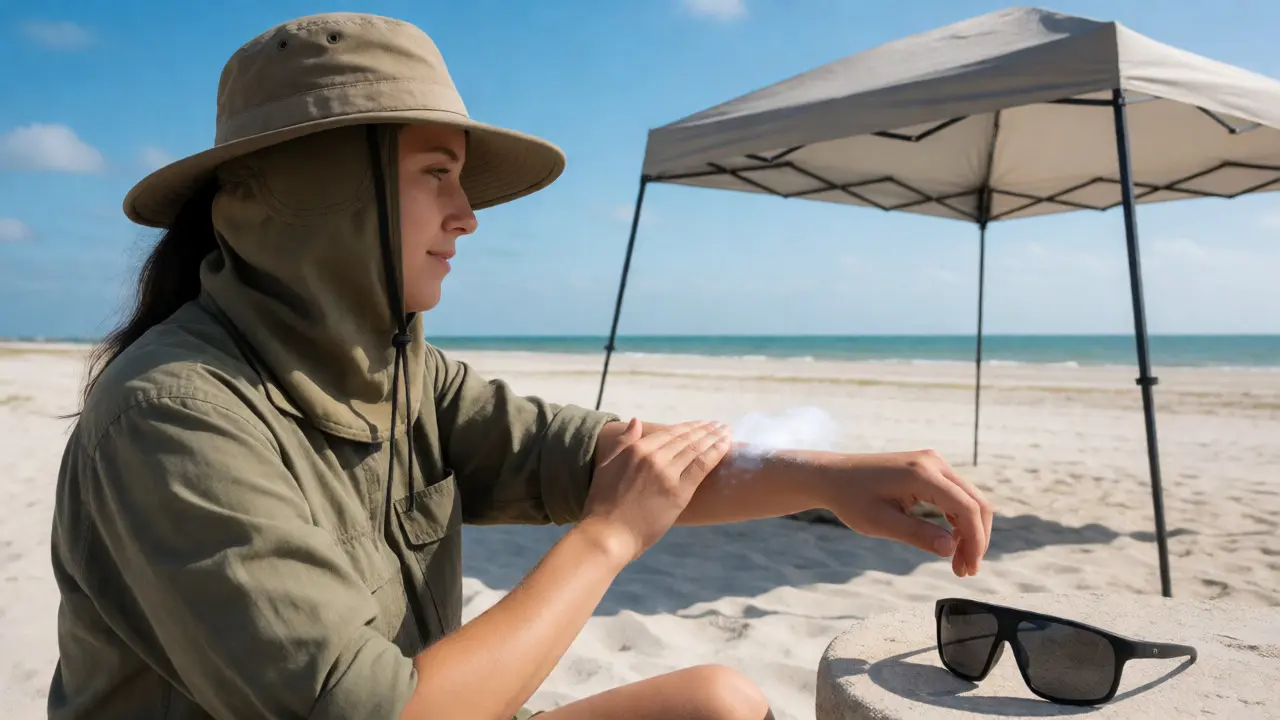
Clothing is your first line of defense, and it doesn’t wear off. Standard cotton t-shirts offer minimal protection, often equivalent to SPF 5 when dry, and less when wet. Look for garments with a UPF (Ultraviolet Protection Factor) rating. A shirt with UPF 50 blocks 98% of UV rays. Many modern athletic brands make lightweight, breathable hoodies specifically for outdoor sports. These are game-changers for kite flyers because they cover the neck and ears, areas that burn painfully fast.
Hats are non-negotiable. Baseball caps protect the forehead but leave the ears and back of the neck exposed. A wide-brimmed hat (at least 3 inches all around) provides comprehensive coverage. If you hate hats, consider a buff or neck gaiter. These multi-functional tubes can be pulled up over the nose and down the neck. Just ensure the fabric has a tight weave; hold it up to the light. If you can see too much light through it, UV rays are passing through too.
Eyes matter too. While you’re looking up, you’re staring directly into the sky. Polarized sunglasses reduce glare from water and sand, making it easier to spot your kite against bright backgrounds. More importantly, they protect against cataracts and macular degeneration caused by cumulative UV exposure. Wrap-around styles offer side protection, which is helpful when the sun is low in the morning or late afternoon.
Timing Your Flight for Safety and Comfort
Not all sunshine is created equal. The UV Index peaks between 10 AM and 4 PM. During these hours, the sun is highest in the sky, and its rays travel the shortest distance through the atmosphere, retaining more energy. If you can, schedule your sessions for early morning or late afternoon. The light is softer, shadows are longer, and the risk of burning drops significantly.
Check the UV Index forecast before you go. Apps like Weather Underground or local weather services provide hourly UV predictions. A UV Index of 6-7 is "High," requiring extra precautions. Above 8 is "Very High" or "Extreme." In Portland, our summers have seen UV indices reach 9 or 10 recently due to clearer skies. Don’t guess; check the data.
Shade structures are your best friend. Bring a pop-up canopy or umbrella. Even if you’re flying, you can retreat to shade during breaks. Position your car or tent so it casts a shadow on your launch area. Remember, shade moves as the sun moves. Adjust your setup accordingly. If you’re flying in a park, identify permanent shade trees beforehand and plan your base camp there.
Hydration and Heat Management
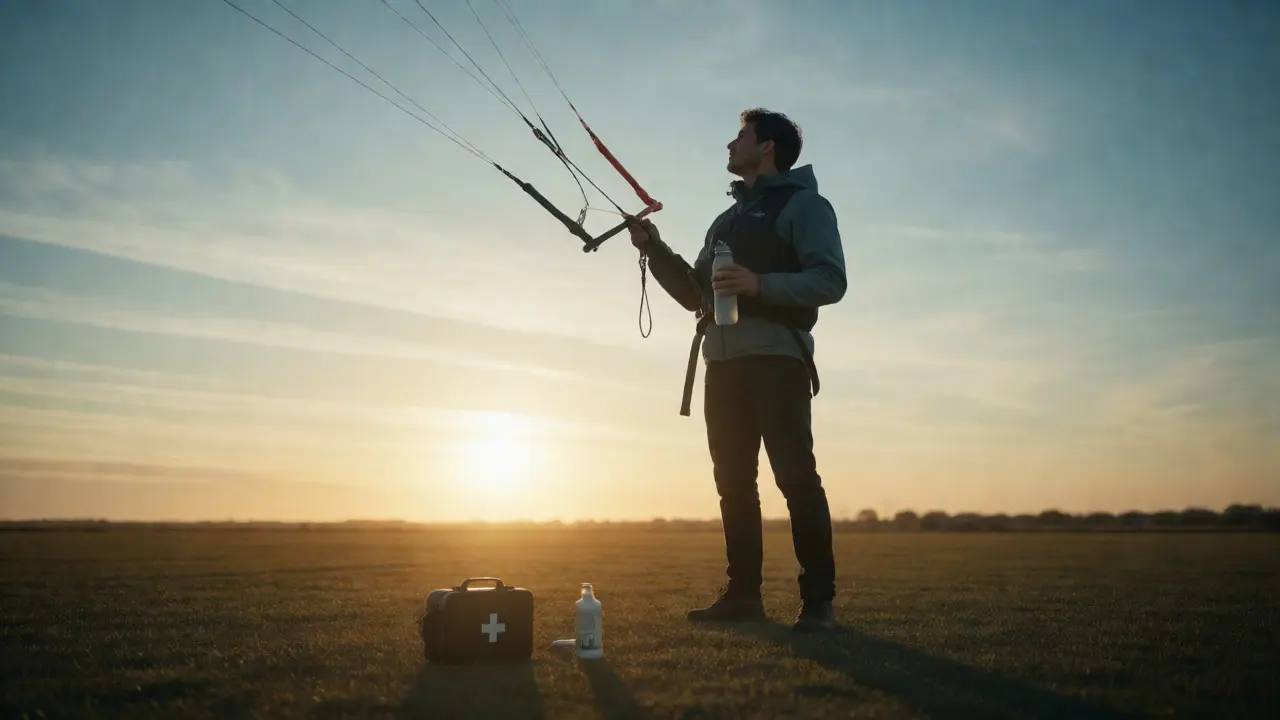
Sunburn is often accompanied by dehydration. Flying a kite requires physical effort-pulling against the wind, running to launch, and constant arm movement. You sweat, even if you don’t realize it. Dehydration thickens blood, making your heart work harder to cool your body via sweat evaporation. Keep water nearby. Drink small amounts frequently rather than gulping large quantities once.
Electrolytes help if you’re flying for more than an hour. Water alone isn’t always enough if you’re losing salts through sweat. Coconut water or electrolyte tablets mixed into your bottle can prevent cramps and fatigue. Avoid alcohol before and during your session. Alcohol dehydrates you and dilates blood vessels, potentially increasing skin sensitivity to sun.
After-Care: What to Do If You Burn Anyway
Despite your best efforts, sometimes the sun wins. If you notice pinkness, act fast. Get out of the sun immediately. Cool the skin with lukewarm water-not ice cold, which can shock the tissue. Apply aloe vera gel. Look for pure aloe with no added perfumes or alcohol, which sting. Over-the-counter hydrocortisone cream can reduce inflammation and itching. Take an anti-inflammatory like ibuprofen within the first few hours to limit swelling.
Do not pop blisters. Blisters are sterile bandages protecting new skin underneath. Popping them invites infection. Keep the area moisturized with fragrance-free lotion as it heals. Peeling skin is fragile; avoid scrubbing it. Wear loose clothing over the burned area to prevent friction. If the burn covers a large area, involves blistering on the face/hands/genitals, or comes with fever/chills, see a doctor. Severe sunburn can cause systemic reactions similar to mild poisoning.
Long-Term Skin Health Habits
Kite flying is a lifelong hobby. Protecting your skin now pays dividends decades later. Cumulative UV damage leads to premature aging, wrinkles, and skin cancer. Establish a routine beyond the field. Wear daily facial sunscreen, even on cloudy days. Check your moles regularly using the ABCDE rule: Asymmetry, Border irregularity, Color variation, Diameter greater than 6mm, Evolving size/shape. See a dermatologist annually for a full-body check.
Remember, prevention is easier than treatment. You don’t need to avoid the sun entirely. You just need to respect it. With the right gear, timing, and habits, you can enjoy hundreds of hours of flight without paying the price in peeling skin or long-term damage. So next time you grab your kite, grab your hat and sunscreen too. Your future self will thank you.
Does cloud cover protect me from sunburn while kite flying?
Partially, but not completely. Clouds filter some UV rays, but up to 80% can still penetrate thin or scattered clouds. Additionally, UV levels can spike unexpectedly when clouds break, creating a "cloud enhancement" effect. Always wear sunscreen on cloudy days.
How often should I reapply sunscreen if I'm not swimming?
Reapply every two hours regardless of water exposure. Wind and sweat degrade sunscreen effectiveness over time. If you towel off or sweat heavily, reapply sooner. Setting a phone reminder helps maintain consistency during long sessions.
Are baseball caps sufficient protection for kite flyers?
No. Baseball caps protect the forehead and eyes but leave the ears, temples, and back of the neck exposed. These areas are prone to burning because they are often missed during application. Wide-brimmed hats or combined cap-and-neck-gaiter setups are far superior.
What is the difference between SPF and UPF?
SPF (Sun Protection Factor) measures how long skin is protected from UVB rays using sunscreen. UPF (Ultraviolet Protection Factor) measures how much UV radiation passes through fabric. A UPF 50 shirt blocks 98% of UV rays, whereas SPF 50 theoretically allows 1/50th of burning rays to reach the skin.
Can I get sunburned through my kite-flying clothes?
Yes, especially if the fabric is thin, light-colored, or wet. A standard white cotton t-shirt offers an estimated UPF of 5-7, allowing significant UV penetration. Darker colors and tighter weaves provide better protection. Dedicated UPF-rated clothing is recommended for extended outdoor exposure.