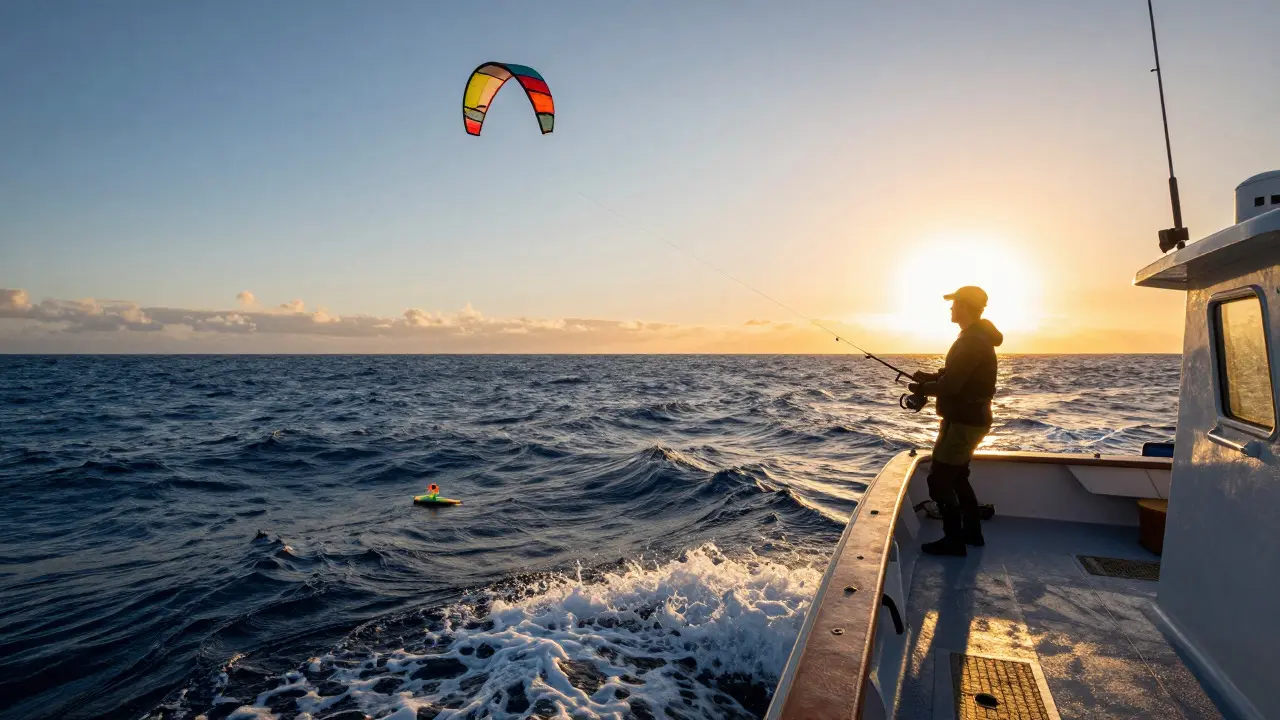
Imagine casting a line that floats high above the waves, reaching fish species that stay hidden in the deep. That is the magic of kite fishing, a technique where a kite lifts the lure or bait into the water column, targeting pelagic species like tuna, mahi-mahi, and wahoo. But with that reach comes responsibility. When you pull up a heavy catch, what happens to the smaller creatures tangled in your gear? This is where bycatch reduction becomes critical for every angler who cares about the ocean's health.
You don't need to be a marine biologist to make a difference. Small changes in how you handle your gear, choose your location, and process your catch can significantly lower the impact on non-target species. Whether you are a weekend warrior or a dedicated sport fisher, understanding the ecosystem you are entering helps you become a better steward of the sea.
The Hidden Cost of Kite Fishing
Kite fishing is incredibly effective because it presents lures at depths where large predators hunt. However, this efficiency often leads to unintended consequences. The primary issue is bycatch, which refers to any marine animal caught unintentionally during fishing operations targeted at one or more other species. In kite fishing, this frequently includes juvenile fish, seabirds, and even small sharks or rays that get hooked while chasing the moving lure.
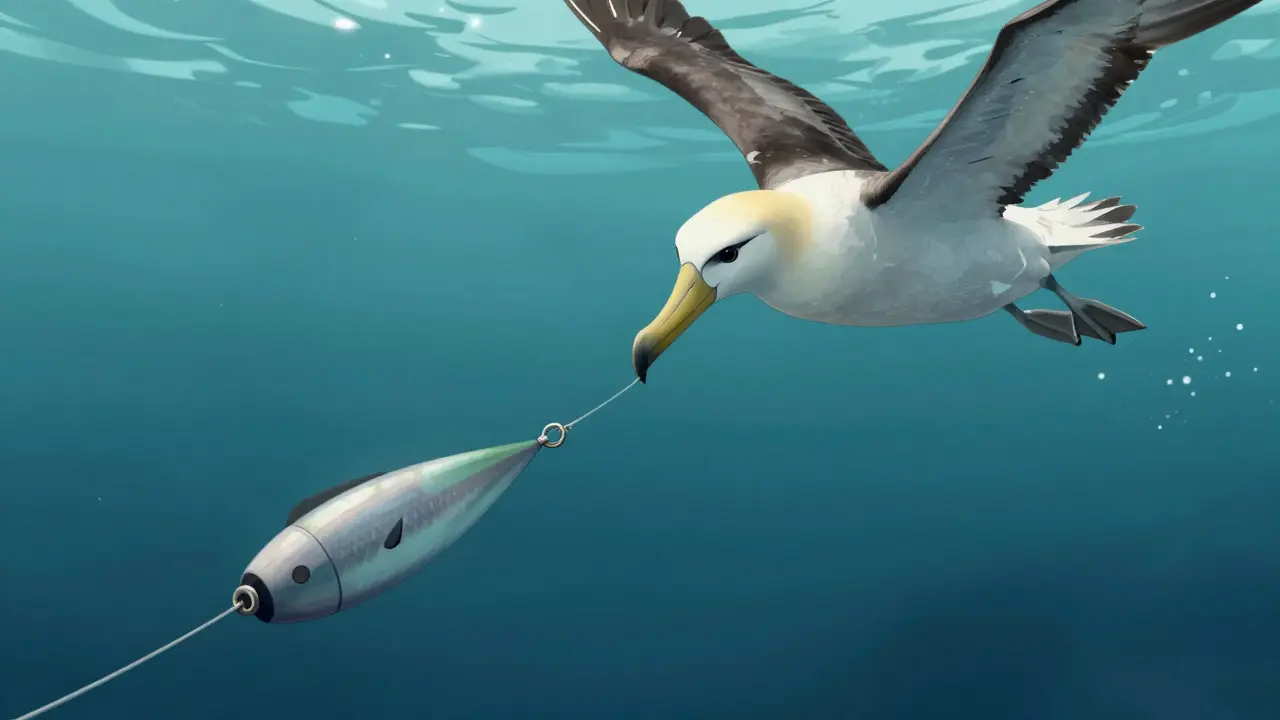
Why does this matter? When you remove too many young fish from the population before they have a chance to reproduce, you weaken the stock over time. Seabirds, such as albatrosses and petrels, are particularly vulnerable. They dive after kites or lures thinking they are food, only to get hooked and drown if not released quickly. According to data from the International Tinaba Organization, seabird mortality remains a significant concern in longline and trolling fisheries, and kite fishing shares similar risks due to the aerial nature of the presentation.
Understanding the Ecosystem You're Targeting
To protect wildlife, you first need to know who lives where. Pelagic zones are home to a complex web of life. Your target species, like yellowfin tuna, interact with many others. If you ignore these relationships, you risk disrupting the balance.
- Juvenile Fish: Many small fish use the same depth ranges as adult targets. Hooking them wastes potential biomass and stresses the population.
- Seabirds: Birds circle fishing boats looking for scraps. A dangling kite or lure looks like an easy meal. Their diving speed makes them highly susceptible to hooking.
- Marine Mammals: Dolphins and porpoises sometimes investigate kites, leading to entanglement or stress.
Awareness of local migration patterns is key. For example, in Pacific Northwest waters, salmon runs overlap with certain kite fishing seasons. Knowing when to pause or adjust your depth can prevent unnecessary conflict with these protected species.
Practical Strategies for Reducing Bycatch
You can take immediate steps to minimize your impact. These aren't just theoretical ideas; they are practical habits that experienced anglers adopt daily.
- Use Circle Hooks: Unlike J-hooks, which often penetrate the lip or gill plate, circle hooks tend to hook fish in the corner of the mouth. This reduces injury and increases survival rates for released fish. It also makes it harder for birds to swallow the hook whole.
- Employ De-ghosting Devices: After catching a fish, the lure may still be active. A de-ghosting device, such as a float or a weighted sinker attached to the line, keeps the lure submerged or controlled, preventing it from drifting back into bird flight paths.
- Manage Line Speed: Moving the kite too fast can attract curious but non-target animals. Slowing down your retrieve allows you to feel subtle bites and distinguish between a target strike and a false alarm from a smaller creature.
- Time Your Fishing: Dawn and dusk are peak feeding times for birds. If possible, fish during midday when bird activity is lower, or use bird-scaring lines (active streamers) to keep them away from your rig.
These techniques work together. Using a circle hook alone isn't enough if your line is dragging through the air where birds can see it. Combining gear choices with behavioral adjustments creates a robust defense against bycatch.
Handling Catch and Release Properly
Catching a fish is only half the job. How you handle it determines whether it survives to fight another day. Poor handling is a leading cause of post-release mortality, even if the fish was unhooked correctly.
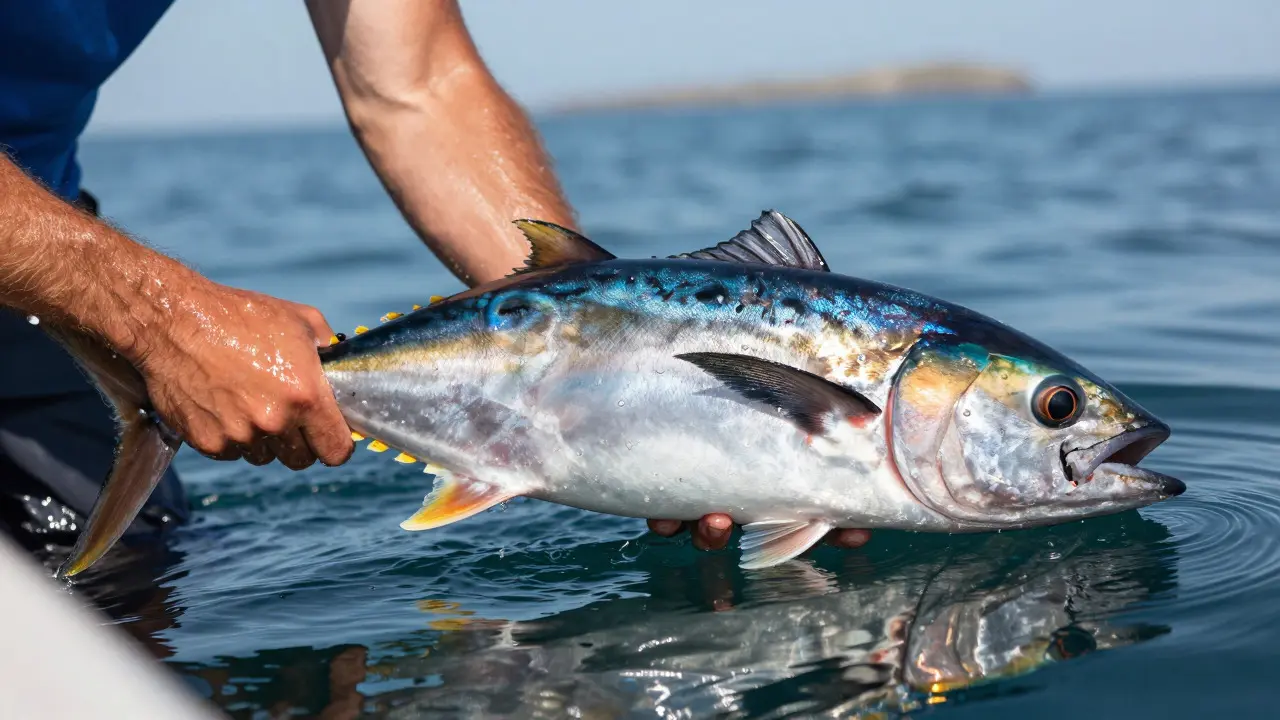
Keep the fish in the water as much as possible. If you must lift it, support its body horizontally to avoid stressing its spine. Use wet hands or a rubberized grip to reduce slime loss, which protects their immune system. Remove hooks quickly using pliers, and release the fish immediately once it has regained some strength. Avoid holding the fish in the sun, as UV radiation can damage their skin and eyes.
For larger species like tuna, consider using a landing net with a soft mesh. This prevents scale loss and reduces the exhaustion that comes from thrashing in the air. Every second out of the water counts against survival odds, so efficiency is kindness.
Monitoring Local Regulations and Conservation Efforts
Ethics go beyond personal choice; they align with legal frameworks designed to protect marine resources. Regulations vary by region, so staying informed is part of responsible angling. In places like Oregon, where I live, the Department of Fish and Wildlife sets specific limits on catch sizes and seasons to allow stocks to recover.
Check current rules before every trip. Bag limits ensure you don't overharvest, while size minimums protect juveniles. Some areas require slot limits, meaning you must release fish below or above a certain size. Ignoring these rules not only risks fines but undermines the collective effort to maintain healthy populations.
Additionally, consider supporting local conservation groups. Organizations like the Marine Stewardship Council or regional aquariums often run programs to monitor bycatch levels. Participating in citizen science projects, such as reporting sightings of injured wildlife, helps researchers track trends and improve management strategies.
| Feature | J-Hook | Circle Hook | Bait Type | Lure Movement |
|---|---|---|---|---|
| Hooking Location | Lip/Gill Plate | Corner of Mouth | N/A | N/A |
| Survival Rate (Released) | Lower (30-50%) | Higher (70-90%) | Variable | Variable |
| Bird Attraction Risk | High | Moderate | Scent attracts birds | Visual attraction |
| Recommended For | Heavy bottom fishing | Kite/Pelagic fishing | Live bait (use sparingly) | Soft plastics |
Building a Culture of Ethical Angling
Change starts with individuals but grows through community. Share your practices with fellow anglers. Demonstrate proper release techniques on the dock. Talk about why you chose a circle hook or adjusted your depth. When others see the benefits-healthier stocks, longer-lasting trips-they are more likely to follow suit.
Engage with local fishing clubs. Many now have ethics committees that review best practices. Attending workshops on marine biology basics can deepen your appreciation for the ecosystem. Remember, the goal isn't just to catch big fish; it's to ensure there are big fish left to catch for the next generation.
Kite fishing offers a unique connection to the open ocean. By embracing wildlife protection principles, you transform from a mere participant into a guardian of the seas. Your actions ripple outward, influencing the health of the entire marine environment. So, the next time you launch your kite, think not just about the tug on your line, but about the life beneath it.
What is the biggest threat to seabirds in kite fishing?
The biggest threat is accidental hooking while birds dive for kites or lures. To mitigate this, use de-ghosting devices and active streamers to keep birds away from the line, and retrieve slowly to minimize visual attraction.
Are circle hooks really better for reducing bycatch?
Yes, circle hooks typically hook fish in the corner of the mouth, which causes less internal damage and increases survival rates upon release. They also make it harder for seabirds to swallow the hook, reducing mortality.
How should I handle a released fish to maximize its chances of survival?
Keep the fish in the water whenever possible. If lifting is necessary, support it horizontally, use wet hands or a rubber grip, remove hooks quickly, and release it immediately once it shows signs of recovery. Avoid exposure to direct sunlight.
Where can I find local regulations for kite fishing?
Check your state or regional fish and wildlife agency website. For example, in Oregon, the Department of Fish and Wildlife publishes annual guides with specific bag limits, size restrictions, and seasonal closures for pelagic species.
Does bait type affect bycatch levels?
Yes, scent-based baits can attract non-target species from greater distances than visual lures. Using soft plastic lures that mimic prey movement without strong scent can help reduce unwanted strikes from smaller fish or curious marine mammals.