
Every spring, the Oregon coast comes alive with color, wind, and laughter-not from surfers or fishermen, but from thousands of people holding strings in their hands, running down the sand, and watching their kites dance above the Pacific. Lincoln City, Oregon, doesn’t just host a kite festival. It hosts the biggest, longest-running, and most loved kite event in the United States. Locals call it something simpler: America’s Kite Capital.
Why Lincoln City? It’s not just the wide, flat beach. It’s not just the steady coastal winds. It’s the combination of history, community, and a culture that turned a simple pastime into a world-class spectacle. Since 1979, the Lincoln City Kite Festival has drawn over 50,000 people each year. That’s more than the town’s entire population. And every year, it gets bigger.
How It All Started
In 1979, a local teacher named Mary Ellen Johnson brought a few kites to the beach for her students. She didn’t plan a festival. She just wanted them to feel the wind. A few neighbors joined in. Someone brought a boombox. Someone else handed out lemonade. By the end of the day, over 200 people were flying kites. The next year, they did it again. And the year after that, the city started helping. By 1985, they had official permits, sponsors, and a schedule. Now, it’s a four-day event with contests, workshops, and even a kite graveyard.
The kite graveyard? It’s real. At the end of the festival, people tie their old, broken, or worn-out kites to a wooden frame near the D River Bridge. It’s not a sad ritual-it’s a celebration. Each kite tells a story: a child’s first flight, a family tradition, a proposal, a memory. Some kites have been there for over 20 years. The wind still moves them. People come to see them. To remember.
What Happens at the Festival
The festival runs every May, but the magic starts on Friday. The main beach-between the D River and the north jetty-becomes a sky park. Over 5,000 kites fill the air. You’ll see:
- Traditional diamond kites, painted with bright patterns
- Dragon kites that stretch 100 feet long, with eyes that blink in the wind
- Box kites shaped like rockets, spinning like tops
- Stunt kites flown by pros who make them dance like ballet dancers
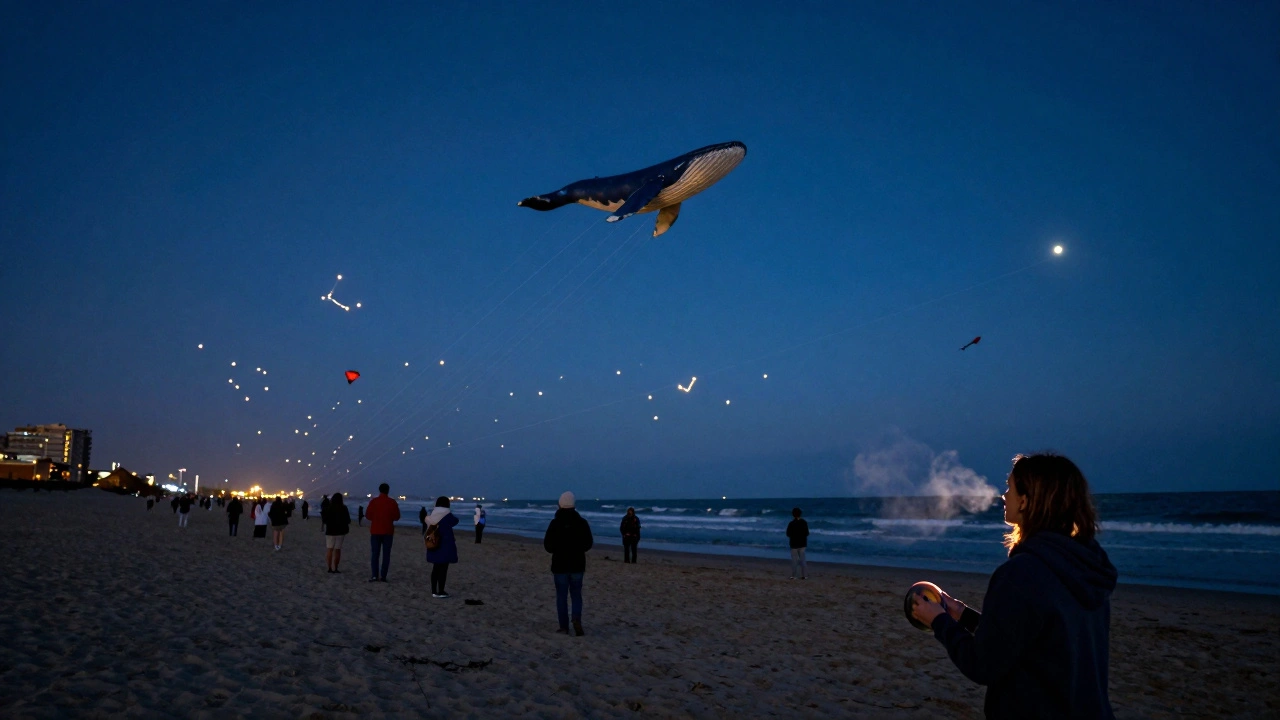
- Light-up kites that glow after dark, turning the beach into a floating constellation
There are contests too. The biggest? The Biggest Kite and Highest Flyer. In 2023, a 147-foot-long dragon kite soared to 1,832 feet-enough to be seen from the highway. The record? 2,100 feet, set in 2019 by a team from Portland. They used a custom carbon-fiber frame and 200-pound line. No, that’s not a typo. You need strength, skill, and a lot of patience.
There’s also a Best Design category. One year, a 12-year-old won with a kite shaped like her dog. The dog had a bandana. The tail was made from old t-shirts. It flew for six hours straight. The judges cried.
Why It’s Different
Most kite festivals are one-day events with food trucks and music. Lincoln City is different. It’s a community ritual. Families come back every year. Grandparents bring grandchildren. People who moved away fly back for it. The town shuts down the main road. The police help direct traffic. The fire department sets up a first-aid station. Local restaurants give away free lemonade. The library hosts kite-making workshops. The high school choir sings under the kites.
There’s no ticket price. No VIP section. No corporate sponsor logos on the sky. You bring your kite. You show up. You fly. That’s it. The festival is run by volunteers-teachers, retirees, students, fishermen. They don’t get paid. They do it because they love it.
How to Get Involved
You don’t need a fancy kite to join. In fact, the best kites are the ones you make yourself. The festival gives away free kite kits on Friday morning. They include bamboo sticks, plastic sail, string, and instructions. You can make one in 20 minutes. Kids do it. Seniors do it. Tourists do it. Last year, over 3,000 kites were built on-site.
If you’re serious, there are workshops on kite aerodynamics, wind patterns, and line tension. You’ll learn how to read the wind-how it lifts differently at low tide versus high tide, how it changes when the fog rolls in. You’ll learn why some kites spin, why others dive, and how to fix them before they hit the sand.
And if you’ve never flown a kite? Don’t worry. Volunteers are everywhere. They’ll show you how to run, how to let out line, how to let go just enough to let it climb. One woman from Texas told me, “I thought kites were just for kids. Then I saw one shaped like a whale, and I cried. I didn’t know I still had that kind of joy left.”
What to Bring
- Your kite (or just your hands-there are free ones)
- Strong gloves (the line can cut like wire)
- Sunscreen and a hat
- A blanket or chair
- A camera
- A sense of wonder
Wear layers. The wind off the ocean is cold, even in May. Bring a jacket. Bring snacks. Bring someone you care about. This isn’t a show. It’s a feeling.
The Kite Capital Legacy
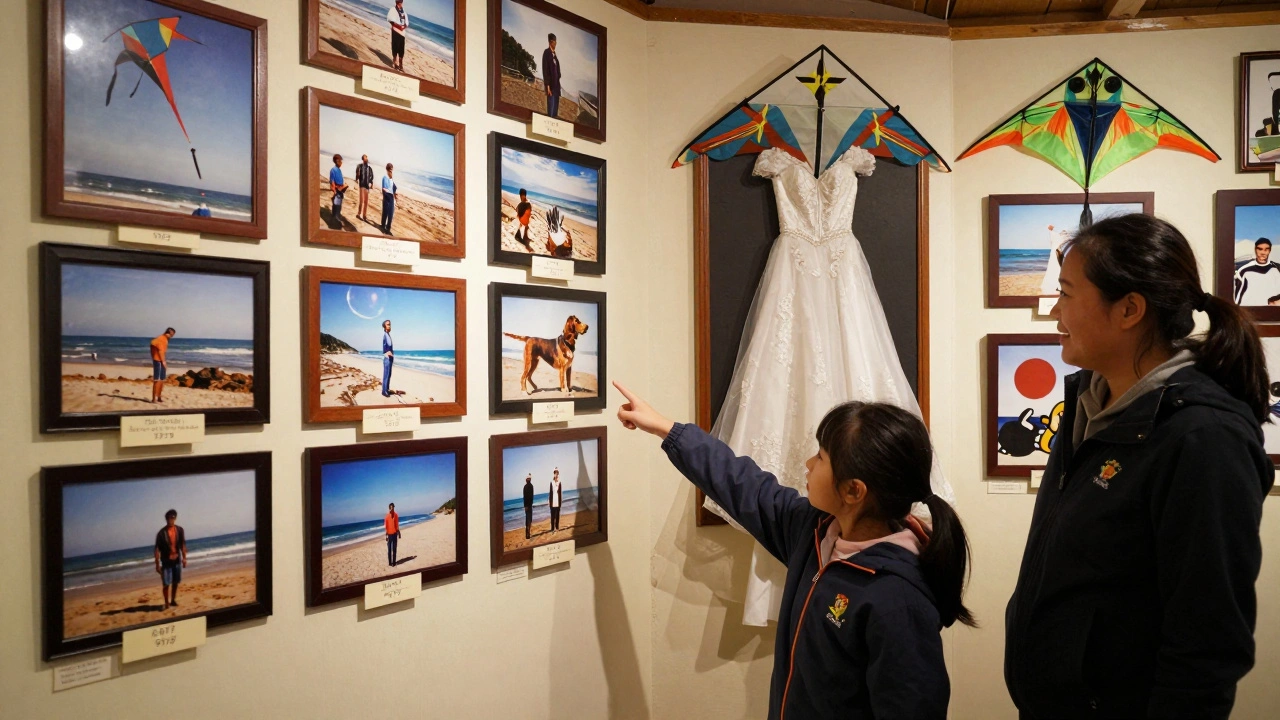
Lincoln City doesn’t just fly kites. It remembers them. There’s a small museum near the beach with photos from every year since 1979. You can see a kite flown by a Vietnam veteran in 1982. A kite shaped like a 1990s Nintendo controller. A kite made from a wedding dress in 2011. Each one has a note underneath: who flew it, why, and what it meant.
And then there’s the wind. It doesn’t change. It never has. It blows from the northwest, steady and strong, every day from March through October. That’s why Lincoln City works. That’s why it’s America’s Kite Capital. Not because of size. Not because of money. But because the wind, the sand, and the people all fit together perfectly.
When you leave, you won’t remember the number of kites. You’ll remember the quiet moment when a child finally got their kite to stay up. The way the whole beach cheered. The way the sky looked like a living painting. And you’ll know why, for over 45 years, this little town on the Oregon coast has held onto something so simple-and so powerful.
When is the Lincoln City Kite Festival held each year?
The Lincoln City Kite Festival takes place every May, typically over four days, starting on the Friday before Memorial Day weekend. The exact dates vary slightly each year, so it’s best to check the official Lincoln City website or local tourism office for the current year’s schedule. The main flying events happen on Saturday and Sunday, with dawn-to-dusk kite sessions and special night flights after dark.
Do I need to buy a ticket to attend?
No, the festival is completely free to attend. There are no admission fees, no parking charges on the beach, and no VIP areas. The event is funded by local businesses, grants, and volunteer efforts. You can bring your own kite or pick up a free kit on-site. Food and drinks are sold by vendors, but you’re welcome to bring your own snacks and water too.
Can I fly my own kite, or do I have to use a festival one?
You can absolutely fly your own kite. In fact, most people do. The festival encourages it. Whether it’s a simple diamond kite, a custom design, or a giant dragon, all kites are welcome. Just make sure your line is strong enough (at least 100-pound test) and that your kite isn’t too heavy or dangerous. Avoid metal frames or sharp parts. Volunteers will help you adjust if needed.
Is the festival family-friendly?
Yes, it’s one of the most family-friendly events on the Oregon coast. Kids of all ages can participate in kite-making, contests, and free workshops. There’s a dedicated kids’ zone with crafts, face painting, and storytelling. Many families return year after year, making it a tradition. The beach is flat, safe, and monitored by volunteers. Pets are allowed on leash, but not near the kite-flying zones to avoid tangles.
What happens if it rains or the wind dies?
Rain doesn’t cancel the festival-wind does. If there’s no wind, activities move to the Lincoln City Community Center, where kite-making, storytelling, and history exhibits continue. If the wind is too strong, flying is paused for safety. The organizers monitor conditions daily. Most years, the wind is perfect. The ocean breeze is reliable. If it’s calm one day, it usually picks up the next. The festival runs rain or shine, and kites still fly even in light drizzle-just with extra care.