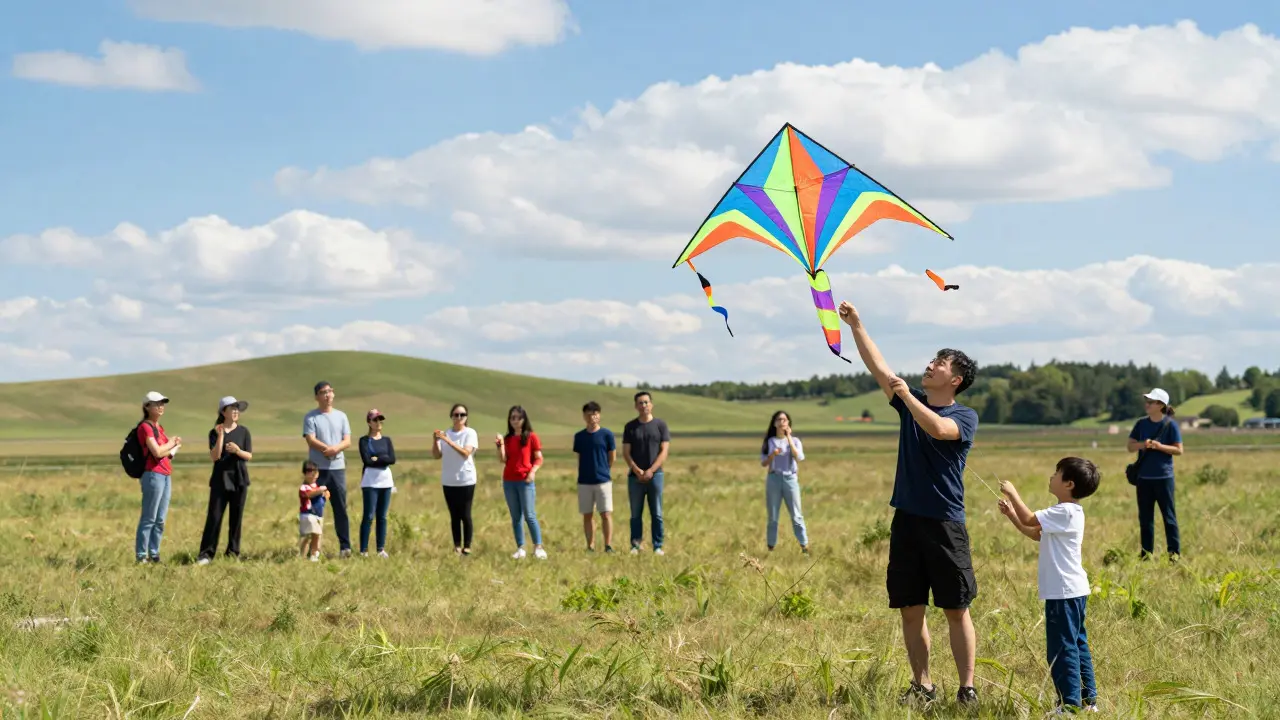
There is something magnetic about watching a delta kite dance in the wind. It’s not just a toy; it’s a connection to the sky that brings people together regardless of age or background. If you have ever felt that pull and wanted to turn casual flying into a structured social group, you are in the right place. Starting a kite flying club is less about mastering aerodynamics and more about fostering a shared love for open spaces and consistent wind. This guide walks you through the practical steps to launch a vibrant local kite community, from finding your first members to organizing safe, enjoyable events.
Defining Your Club's Identity and Mission
Before you invite anyone to join, you need to know who you are. A successful club has a clear identity that attracts the right people. Are you focused on competitive stunt kiting? Or is it a family-friendly group dedicated to traditional diamond kites and paper craft? Defining this early prevents mismatched expectations later.
Consider these core elements when drafting your mission statement:
- Target Audience: Are you targeting families with young children, adult hobbyists, or professional pilots? Each group requires different safety protocols and event structures.
- Activity Focus: Will you emphasize skill-building workshops, casual fly-ins, or artistic kite making?
- Geographic Scope: Is this a neighborhood park group or a regional organization that travels to better wind locations?
In Portland, Oregon, for example, many clubs focus on the unique coastal winds available at places like Multnomah Falls or the coast. Aligning your mission with local weather patterns ensures your events actually happen under good conditions.
Finding the Right Launchpad Location
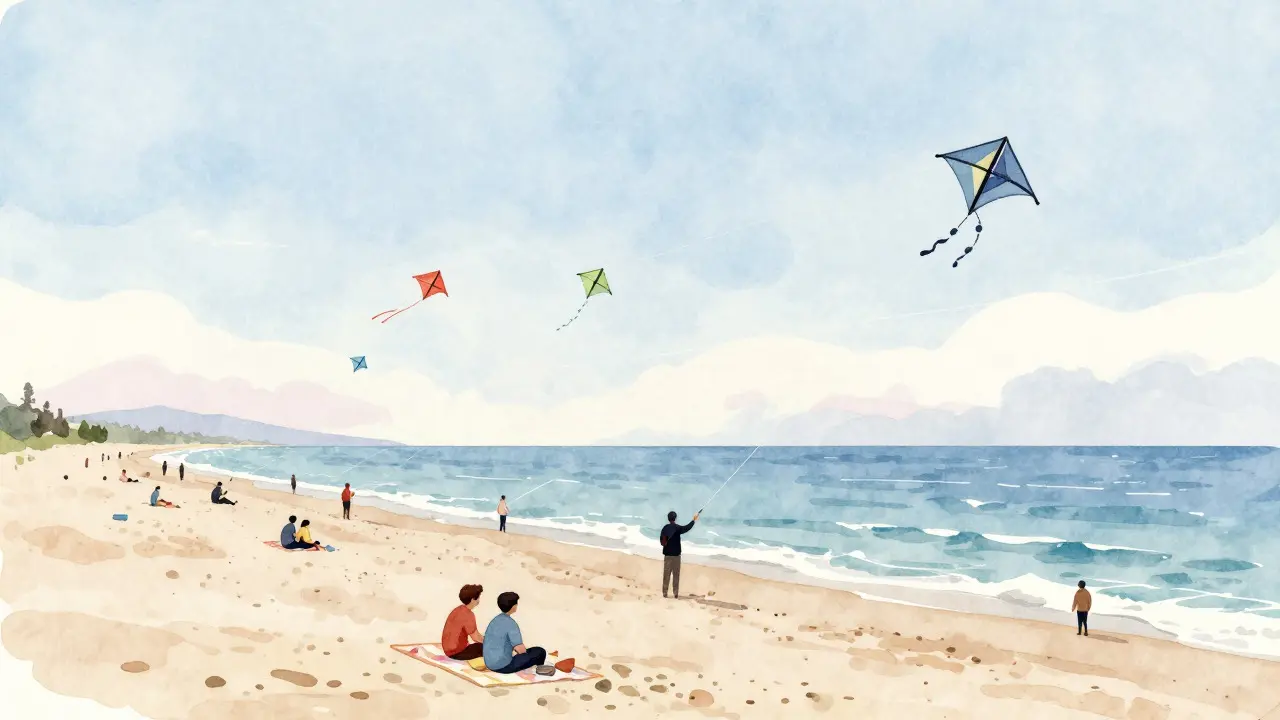
The single most critical factor in a kite club's success is access to reliable wind and safe airspace. You don't need a private field, but you do need a location where you can fly without constantly worrying about power lines, trees, or heavy foot traffic.
Look for public parks, beaches, or large fields that offer:
- Open Space: At least 100 meters of clear runway for takeoff and landing.
- Consistent Wind: Check historical wind data for your area. Coastal areas and high-altitude plains are ideal.
- Parking Access: Members will bring gear. Easy parking reduces friction for new attendees.
- Restroom Facilities: Even basic pit stops make a huge difference in member retention.
Once you identify a potential site, visit it at different times of day and season. Note the prevailing wind direction. If the wind blows directly into the parking lot, your setup time will be a nightmare. If it blows toward a dense forest, you risk losing kites in the canopy. A simple compass check during your site visits will save hours of frustration later.
Building the Core Team and Membership
You cannot build a community alone. Start by recruiting three to five co-founders who share your enthusiasm but bring different strengths. One person might be great at social media marketing, another at logistics, and another at teaching beginners. This division of labor prevents burnout in the early stages.
To attract initial members, leverage existing networks. Post in local Facebook groups dedicated to outdoor activities. Reach out to schools or community centers that offer arts and crafts programs. Offer free introductory sessions where people can try flying a simple box kite or a small delta wing. Low barriers to entry are key. Don't ask them to buy expensive gear immediately; lend them a basic kit for their first few flights.
Create a simple online hub, such as a Discord server or a WhatsApp group, to coordinate schedules. Consistency matters more than frequency. A monthly meetup that always happens on the second Saturday of the month builds habit and trust. People show up because they know the wind is likely to be good and their friends will be there.
Organizing Safe and Engaging Events
Safety is non-negotiable in any aerial sport. Before every flight session, conduct a brief safety briefing. Cover the basics: hand signals for launching and landing, how to handle tangled lines, and the importance of staying downwind of other flyers.
Vary your event structure to keep things fresh. Here are three effective formats:
- The Fly-In: An informal gathering where members bring their own kites. Great for building camaraderie and showcasing diverse designs.
- The Workshop: A hands-on session focusing on a specific skill, such as repairing a torn sail or learning advanced steering techniques.
- The Competition: Friendly contests for longest flight time, highest altitude, or best trick execution. Prizes can be simple, like homemade cookies or branded stickers.
Always assign a "line watcher" whose sole job is to monitor the airspace and ensure no one flies too close to spectators. This role rotates among members, giving everyone a chance to lead and stay alert.
Managing Gear and Resources
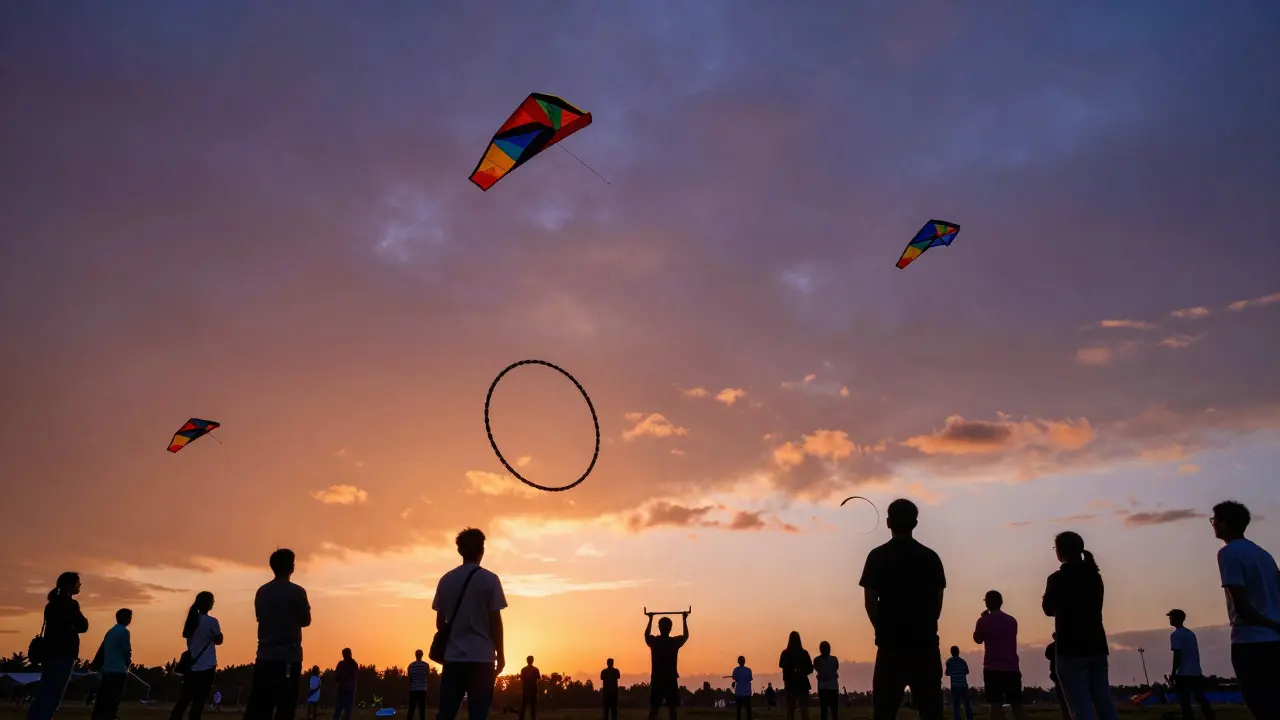
A well-equipped club lowers the barrier to entry for newcomers. Consider establishing a lending library of kites and accessories. Buy a few high-quality beginner kites that can withstand rough handling. Keep spare lines, spools, and repair kits on hand. When a new member shows up with a broken line, having a quick fix ready makes them feel welcome rather than discouraged.
For funding, start small. Charge a modest annual membership fee, perhaps $20-$30, which covers insurance and basic supplies. Seek sponsorships from local outdoor gear shops. Many stores are happy to provide discounts or small grants in exchange for visibility at your events. In return, give sponsors a banner space at your fly-ins and shout-outs on your social media channels.
Growing Your Community Beyond the Field
A strong kite community extends beyond the flying days. Build relationships with local businesses, parks departments, and schools. Participate in town festivals by setting up a demonstration area. Show off the beauty and accessibility of kite flying to the general public. This not only recruits new members but also secures long-term support for your favorite flying spots.
Document your progress. Take photos and videos of impressive flights, funny mishaps, and happy faces. Share these stories online. Authentic content resonates more than polished advertisements. When people see the joy and simplicity of the hobby, they want to be part of it.
How much does it cost to start a kite flying club?
You can start with minimal costs if you use public parks and borrow gear. Initial expenses might include printing flyers ($50), buying a few starter kites ($100-$200), and liability insurance ($100-$300 per year). Most clubs break even within the first six months through membership fees and local sponsorships.
What kind of insurance do we need?
General liability insurance is recommended for any group activity involving equipment and open spaces. Look for policies that cover recreational sports organizations. The cost varies by region and group size, but it protects against claims for minor injuries or property damage caused by lost kites.
How do we find good wind locations?
Use weather apps like Windy.com or Magic Earth to check real-time and forecasted wind speeds. Look for areas with consistent wind between 8-15 mph for beginners and 15-25 mph for experienced flyers. Visit potential sites during different seasons to understand seasonal wind patterns.
Are kite flying clubs suitable for children?
Yes, absolutely. Kite flying is one of the safest aerial hobbies for kids. Use lightweight, easy-to-handle kites for younger children and supervise all flights. Many clubs run separate "junior flyer" segments to ensure a safe and fun environment for ages 5-12.
What should we do if the wind dies down?
Turn the session into a workshop. Use the calm time to teach kite making, discuss aerodynamics, repair gear, or plan future events. Having a backup plan keeps energy high even when conditions aren't perfect for flying.