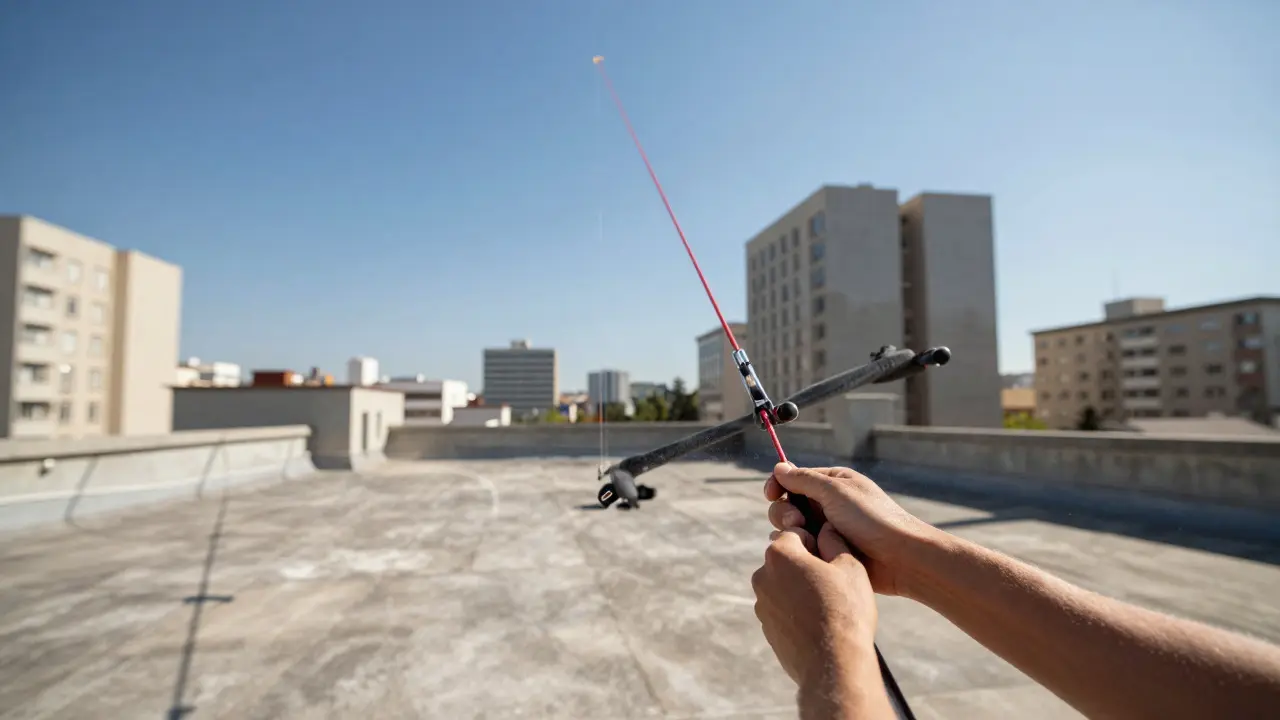
Most beginners think kite fighting is about having the strongest string. It isn’t. It’s about seeing what the air is doing before your opponent does. If you can read the subtle shifts in wind direction and speed, you can position your kite where it has maximum lift while forcing your rival into a weak spot. This guide breaks down the advanced aerial techniques used by top-tier fighters to dominate the sky.
Understanding the Invisible Forces
To master wind reading the skill of interpreting atmospheric conditions for tactical advantage, you first need to understand how air moves over terrain. Wind doesn’t blow in straight lines; it swirls, accelerates, and stalls based on obstacles like trees, buildings, and hills. In urban environments, these create "wind tunnels" and "dead zones." Knowing where these are located is half the battle.
When you stand on a rooftop or a hillside, feel the air against your face. Is it steady? Or does it pulse? Pulsing wind indicates turbulence, often caused by thermal columns rising from hot pavement or sun-baked roofs. These thermals can suddenly boost your kite’s altitude, giving you a temporary power surge. However, they also make the line unpredictable. If you ignore this pulsing sensation, you’ll lose control during critical moments of combat.
The Visual Cues You Can’t Ignore
Your eyes are your primary sensor. Don’t just look at your kite; look at everything else moving in the air. Observe the following indicators:
- Leaves and Dust: Watch small debris near the ground. If leaves are spinning in tight circles, there’s a vortex nearby. Avoid flying directly above these spots unless you want to test your reflexes.
- Cloud Shadows: Moving cloud shadows indicate upper-level winds that might differ from surface winds. If the shadow moves faster than the leaves, the wind is stronger up high. This means your kite will pull harder when it climbs.
- Opponent’s Line Angle: The angle of your opponent’s line tells you their tension. A steep angle means they’re high and pulling hard. A flat angle suggests they’re low and losing lift. Use this to time your attacks.
Tactical Positioning Based on Wind Flow
Once you’ve identified the wind patterns, you can use them to control the airspace. The most effective technique is called "wind surfing." Instead of fighting the wind, you ride its edges.
- Find the Updraft Edge: Locate the boundary between calm air and strong updrafts. Keep your kite just inside the strong side. This gives you constant lift without excessive turbulence.
- Use Crosswinds for Lateral Movement: When the wind blows from your left, move your kite slightly right. This creates a diagonal path that makes it harder for your opponent to predict your next move.
- Exploit Stagnation Zones: If your opponent is trapped in a dead zone with no lift, wait. Their kite will sag, increasing line drag. Then, execute a sharp pull to snap their line while they struggle to regain altitude.

Line Tension and Control Mechanics
Reading the wind is useless if you can’t translate that information into physical action. Your hands must be sensitive enough to detect changes in line tension the force exerted on the kite line due to wind pressure and gravity. Experienced fighters hold the line loosely, allowing the kite to float naturally. Tightening the line too much kills lift and increases the risk of breakage.
Practice the "soft hand" technique. Let the line run through your fingers with minimal resistance. When you need to attack, apply sudden, short bursts of tension rather than sustained pulls. This mimics the natural gusts of wind and confuses your opponent’s reaction time. If the line feels heavy, check your altitude. If it feels light, you’re likely in a lull-prepare for a drop.
Advanced Aerial Maneuvers
With good wind reading and control, you can execute complex maneuvers that separate amateurs from pros. Here are three key techniques:
| Maneuver | Wind Condition Required | Purpose | Risk Level |
|---|---|---|---|
| The Spiral | Steady crosswind | Confuse opponent’s aim | Low |
| The Drop Shot | Sudden lull or downdraft | Snag low-flying kites | Medium |
| The High Orbit | Strong updraft | Gain altitude dominance | High |
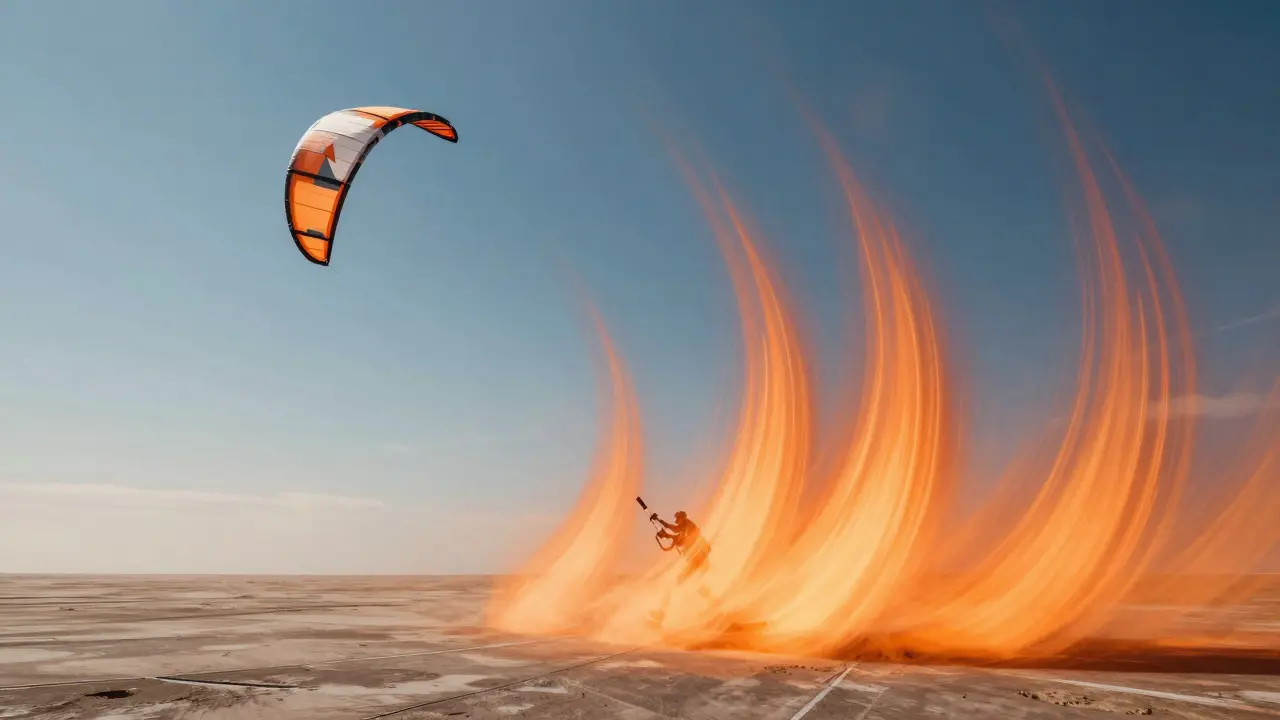
The Spiral involves circling your kite in a wide arc while maintaining consistent tension. This works best in crosswinds because the lateral force keeps the kite stable. The Drop Shot requires timing a sudden release of tension when the wind dies, causing your kite to fall vertically onto a target. Finally, the High Orbit uses strong updrafts to climb rapidly, putting your kite out of reach of most opponents’ lines.
Common Mistakes to Avoid
Even skilled fighters make errors when the wind shifts unexpectedly. The biggest mistake is reacting instead of anticipating. If you wait until your kite starts to drift before adjusting, you’ve already lost the initiative. Always stay one step ahead of the air currents. Another common error is ignoring the ground level. Wind behaves differently at 10 feet versus 100 feet. If you only watch the sky, you’ll miss the turbulence forming below that could send your kite into a spin.
Practical Drills for Improvement
You can’t learn wind reading by just thinking about it. You need to practice. Try these drills:
- Blind Flying: Close your eyes for five seconds, then open them and describe the wind direction based solely on line tension. Repeat until you can do it accurately.
- Debris Tracking: Stand in an open area and track a single leaf as it moves. Predict where it will go next second. This trains your brain to model air flow.
- Variable Wind Simulation: Fly your kite near a building corner. Move around the corner and note how the wind changes intensity and direction. Map these changes mentally.
Frequently Asked Questions
What is the best time of day for kite fighting?
Late morning to early afternoon is usually ideal. The sun heats the ground, creating thermals that provide consistent lift. Early mornings may have calmer winds, which are better for learning but less exciting for competition.
How do I know if my kite is in a dead zone?
If your kite stops responding to inputs and begins to sag or drift sideways without wind changes, you’re likely in a dead zone. Check for nearby obstacles that might be blocking airflow.
Can I use a barometer to help with wind reading?
A barometer can show general weather trends, but it won’t help with local microclimates. For kite fighting, your senses and observation skills are far more valuable than any instrument.
What should I do if the wind suddenly drops?
Relax your grip immediately to reduce drag. Allow the kite to glide downward gently. Once the wind picks up again, gradually increase tension to regain altitude. Avoid jerky movements during the lull.
How important is kite design in wind reading?
Kite design affects stability and responsiveness. A well-designed kite will react predictably to wind changes, making it easier to read the air. Poorly designed kites can behave erratically, masking true wind conditions.