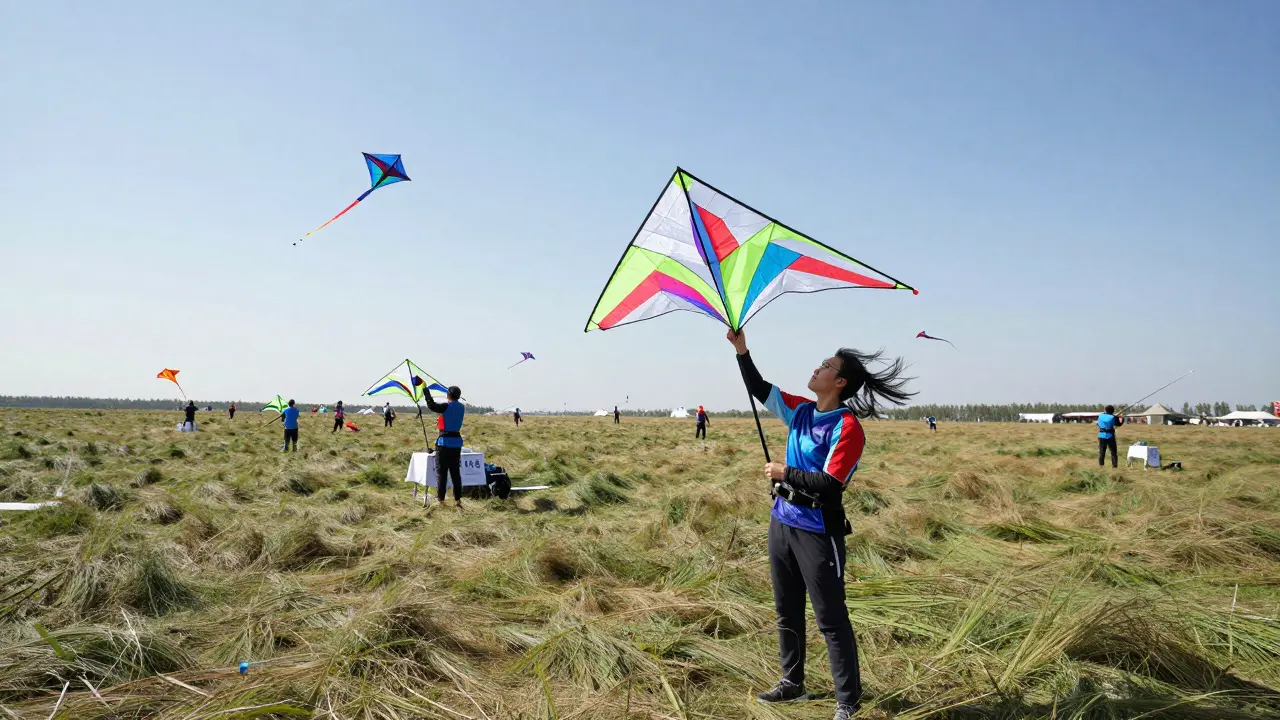
Walking up to a Sport Kite Competition is a high-stakes aerial sport where pilots control multi-line kites in timed flights judged on style, height, and precision for the first time can feel overwhelming. The wind is howling, the judges are watching closely, and you’re holding a $500 rig that could snap if you make one wrong move. But here’s the secret: most competitors were once nervous newcomers who just followed the right steps. This guide walks you through every phase of a typical event, from the moment you sign up to the final score announcement, so you can focus on flying instead of worrying about the rules.
Understanding the Event Structure
Before you pack your gear, you need to know what kind of competition you’re entering. Most events follow the standards set by the International Federation of Aeromodelling and Aerokite (FAI) or national bodies like the National Kite Board (NKB) in the US. These organizations define the classes and rules that keep things fair. There are generally two main types of events: open competitions, where anyone can fly any class of kite, and specific class challenges, such as Single Line, Dual Line, or Quad Line. Each class has different judging criteria. For example, single-line kites are often judged on acrobatic maneuvers like loops and spins, while dual-line kites focus on stability and precise landing zones. Knowing which class you’re competing in determines your preparation strategy. If you’re new, stick to the Single Line or Dual Line categories, as they have more forgiving scoring systems compared to the highly technical Quad Line disciplines.
Registration and Pre-Flight Checks
Registration usually happens at the event venue, but some larger tournaments require online pre-registration. When you arrive, go straight to the check-in table. You’ll need to show proof of insurance if required by the local club, though many grassroots events waive this for casual participants. The organizer will give you a pilot number and a briefing sheet. Read that sheet carefully. It contains the wind direction forecast, the designated flight zone boundaries, and the emergency procedures. Don’t skip the pre-flight checks. Inspect your lines for nicks, ensure your bridle is secure, and test your steering handles. A common mistake among beginners is forgetting to attach the safety line. Always use a safety line when testing your kite on the ground before launching it into the air. This prevents the kite from running away if a line snaps during setup.
| Class Type | Number of Lines | Primary Judging Criteria | Difficulty Level |
|---|---|---|---|
| Single Line | 1 | Acrobatic maneuvers, loops, spins | Beginner to Intermediate |
| Dual Line | 2 | Stability, height, precise landing | Intermediate |
| Quad Line | 4 | Technical precision, complex figures | Advanced |
The Flight Zone and Safety Protocols
Once you’re registered, you’ll be directed to the flight zone. This area is strictly controlled. The launch point is marked with flags, and the downwind boundary is clearly defined. Never fly outside these boundaries. Judges deduct points if your kite crosses the invisible wall of the flight zone. Wind conditions are critical here. Most events start when the wind speed is between 8 and 15 mph. Below 8 mph, kites struggle to stay aloft; above 15 mph, control becomes difficult and dangerous. The event director will announce wind updates every 30 minutes. Listen to these calls. If the wind shifts direction, you must adjust your stance. Flying into the wind gives you maximum lift, but flying crosswind requires constant correction. Stay aware of other pilots. The general rule is "right-of-way" based on altitude, but in practice, communication is key. If you see another pilot below you, call out your position. Accidents happen when two kites occupy the same airspace without warning.
Scoring Systems and Judge Expectations
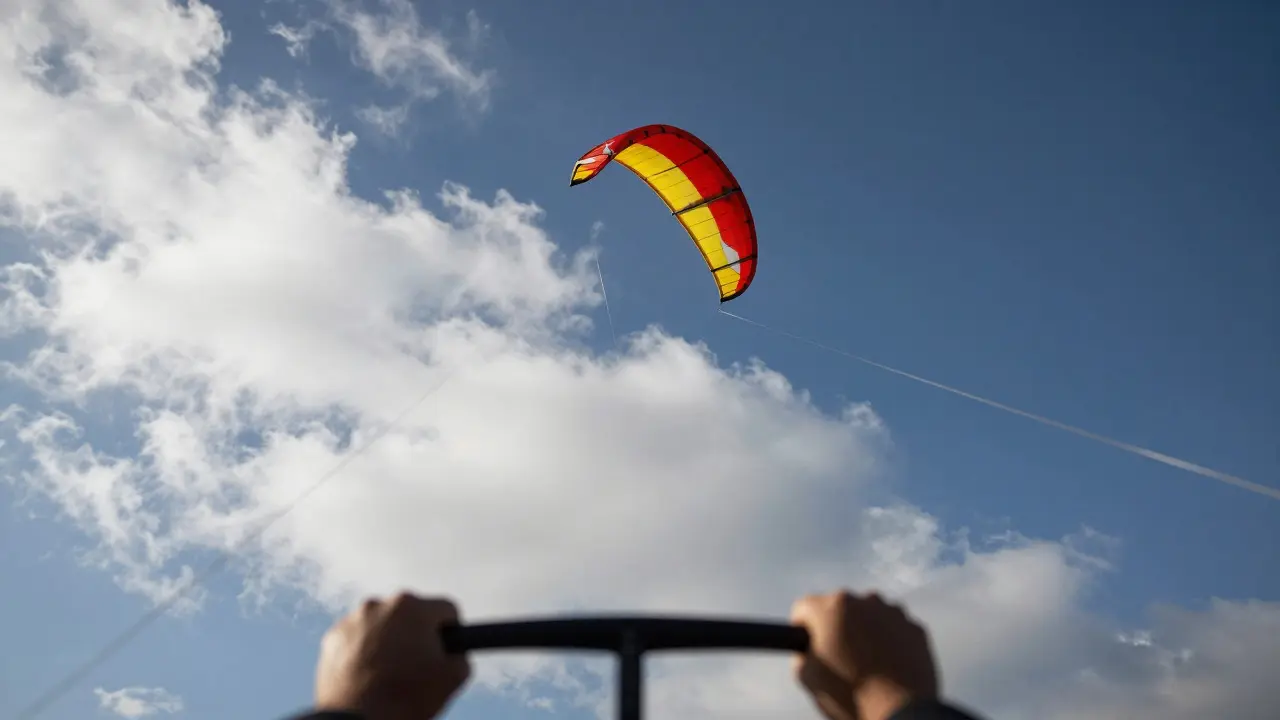
This is where many new competitors get confused. How do judges actually score? In most standard events, three judges score each flight independently. They look at three main factors: Style, Height, and Landing. Style refers to the smoothness of your controls. Jerky movements lose points. Height is measured by how high your kite reaches relative to the launch point. Some events use laser rangefinders for objective measurement, while others rely on visual estimation. Landing is the final part of the flight. You must bring your kite down within a specific distance from the launch point, usually within 10 meters. A hard crash or a drift far away results in a low score. The scores from the three judges are averaged, and the highest and lowest scores might be dropped in large tournaments to reduce bias. Aim for consistency rather than risky tricks. A clean, steady flight that ends with a soft landing often beats a flashy maneuver that ends in a tangle.
Managing Time and Turn Order
Events run on a strict schedule. Your turn order is determined by random draw or seed ranking. Check the posted schedule frequently. Flights typically last between 3 and 5 minutes. You’ll hear an announcement calling your name or pilot number. Have your kite ready to launch within 30 seconds of being called. Delaying your launch can result in a penalty or even disqualification if you miss your window. During your flight, keep an eye on the clock. Judges stop timing the moment your kite touches the ground. If you’re still flying when the timer hits zero, you’ve overshot, which usually means a deduction. Practice timing your maneuvers at home. Set a timer for 3 minutes and try to execute your routine and land smoothly before it goes off. This builds muscle memory for the pressure of live competition.

Post-Flight Review and Feedback
After your flight, don’t just walk away. Wait for the scores to be posted or announced. Many events have a feedback session where judges explain their deductions. Take notes. If a judge says you lost points for "poor landing," ask specifically what went wrong. Was the angle too steep? Did you drift left? This feedback is gold. Use it to adjust your technique for the next round. Also, debrief with yourself. What felt good? What felt shaky? Write it down. Improvement in sport kite flying comes from analyzing small details, not just flying more. Compare your performance with other pilots in your class. Watch their flights. See how they manage their energy and how they handle gusts. Learning from peers is often faster than reading manuals.
Common Pitfalls for New Competitors
Avoid these mistakes that cost beginners points and confidence:
- Ignoring Wind Shifts: If the wind changes direction mid-flight, adapt immediately. Fighting the wind leads to loss of control.
- Over-Controlling: Constant micro-adjustments signal nervousness to judges. Trust your kite’s stability.
- Skipping Warm-Ups: Do a few short test flights before your official attempt. This warms up your hands and eyes.
- Forgetting Hydration: Flying is physically demanding. Dehydration affects reaction time and judgment.
- Neglecting Gear Maintenance: Check your lines after every flight. Frayed lines can break under tension.
Final Tips for Success
Competing in sport kite events is about more than just skill; it’s about mindset. Treat each flight as a learning opportunity, not a pass/fail exam. The best competitors are those who remain calm under pressure and adapt quickly to changing conditions. Build relationships with other pilots. The community is supportive, and veterans are happy to share tips. Finally, respect the environment. Pack out your trash, avoid walking on fragile grass, and leave the field cleaner than you found it. Good luck out there. May the winds be strong and your lines unbroken.
What is the minimum age to compete in sport kite events?
There is no universal minimum age, but most clubs recommend children be at least 10 years old for dual-line kites due to the physical strength required to handle the lines. Younger children can participate in single-line categories with parental supervision.
Do I need my own kite to compete?
Yes, you generally need to bring your own equipment. However, some beginner workshops offer loaner kites. Check with the event organizer beforehand to see if rentals are available.
How much does it cost to enter a sport kite competition?
Entry fees vary widely. Local club events might charge $10-$20, while national championships can range from $50-$100. These fees usually cover judging, insurance, and refreshments.
What should I wear to a kite competition?
Wear comfortable athletic clothing and closed-toe shoes. Avoid loose scarves or hats that could get caught in the lines. Sunglasses are recommended to protect your eyes from glare and debris.
Can I compete in multiple classes in the same event?
Yes, unless the event specifies otherwise. Many pilots compete in both single-line and dual-line categories. Just make sure you register for each class separately and note the different scheduling times.