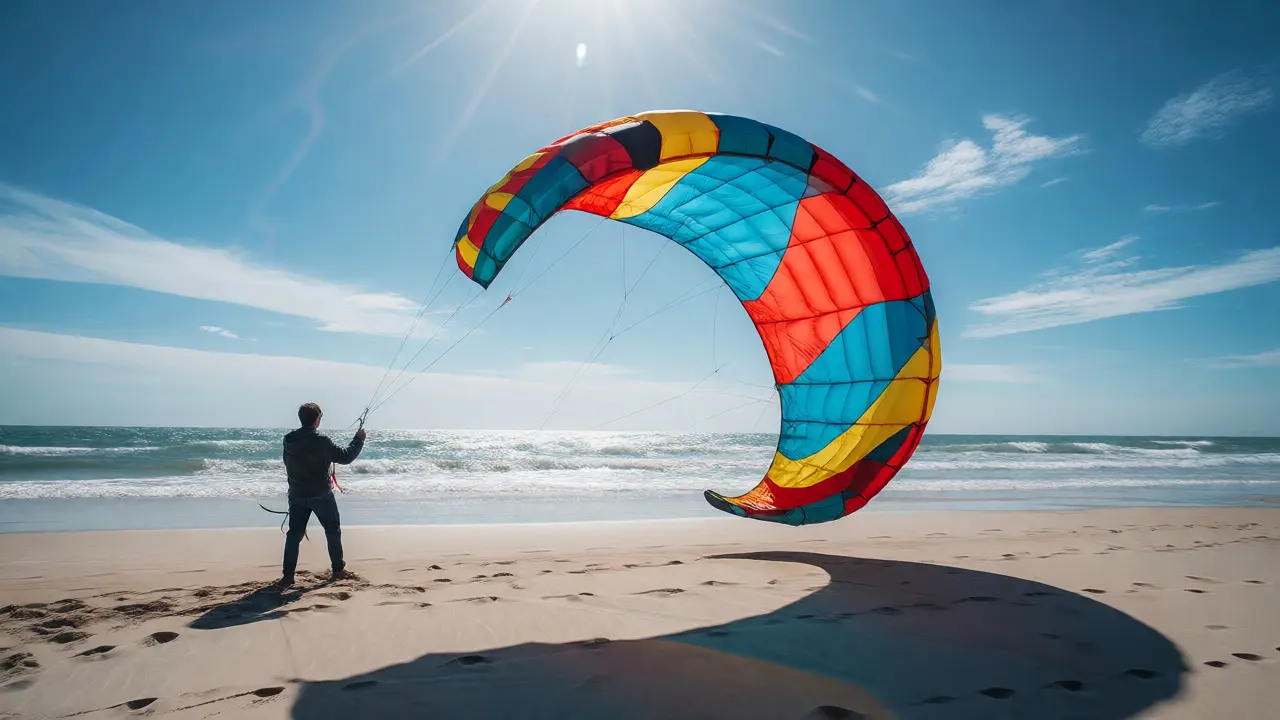
Ever tried flying a diamond kite in a gentle breeze, only to watch it crash into the grass before you even get ten feet off the ground? It’s frustrating. You’re running, your arms are pumping, and that stubborn tail is dragging behind like an anchor. Now, imagine a kite that doesn’t need a tail, doesn’t require complex bridle adjustments, and lifts off with a single step forward. That’s the magic of sled kites. These simple, three-dimensional structures have been dominating beaches and parks for decades because they solve the biggest headache for beginners: stability.
A sled kite is a type of soft kite characterized by its lack of rigid spars and its reliance on wind pressure to maintain shape. Unlike traditional kites that use bamboo or fiberglass rods, sled kites inflate like a parachute when the wind hits them. This design isn't just a gimmick; it's a lesson in aerodynamics that makes flying accessible to anyone, from a five-year-old to a seasoned hobbyist. If you’ve been hesitant to start kite flying because of tangled lines or broken frames, this guide will show you why the humble sled kite might be your best friend.
Why Sled Kites Beat Traditional Designs for Beginners
Let’s be honest: most people quit kite flying early because the learning curve is steep. Diamond kites need precise bridles. Delta kites need strong, steady wind. Box kites are heavy and hard to transport. Sled kites, however, are forgiving. They are designed to self-stabilize. Because they don’t have a rigid skeleton, they can flex with gusts rather than snapping under pressure. This flexibility means fewer crashes and less repair time.
The core advantage here is the soft kite architecture. By removing rigid spars, manufacturers reduce weight and complexity. A typical sled kite weighs less than two ounces. Compare that to a standard box kite which might weigh over a pound. That weight difference is huge when you’re holding the line for an hour. Your arm won’t tire out, and the kite won’t fight you as much during launches.
Another major benefit is safety. Without sharp fiberglass tips or metal connectors, there’s less risk of injury if the kite falls on someone. This makes them ideal for crowded beaches or family gatherings where kids are running around. Plus, they pack down into a tiny pouch. You can fit a dozen different sled kites in a jacket pocket, making them perfect travel companions.
Anatomy of a Stable Flight: How Wind Shapes the Kite
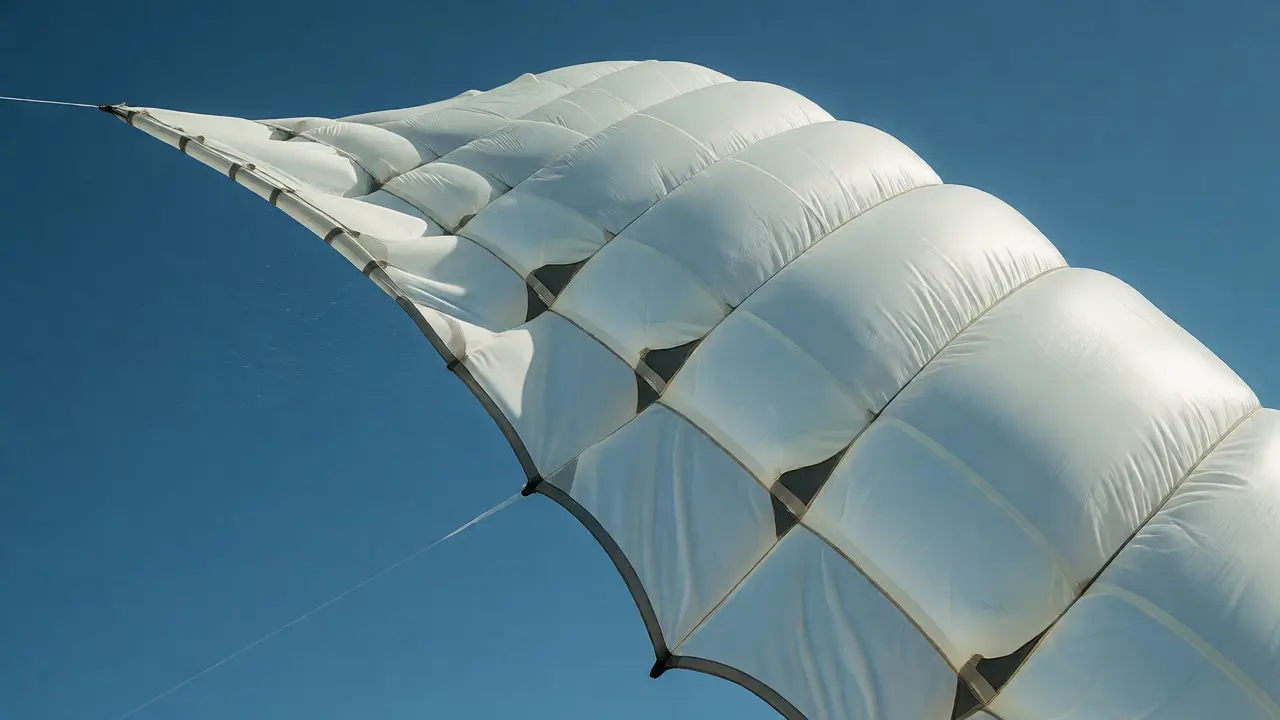
To understand why these kites work, you need to look at how they interact with air. A sled kite typically consists of two parallel fabric panels connected at the edges, leaving the front open. When you hold the leading edge against the wind, air rushes into the open mouth. This internal pressure forces the fabric to billow outward, creating a curved, wing-like surface. This curvature generates lift, while the tension in the fabric provides the structural integrity needed to stay airborne.
This process relies heavily on aerodynamic drag and lift balance. The open cell structure acts as a natural stabilizer. If a gust tries to push the kite sideways, the wind fills one side more than the other, naturally correcting the angle of attack. It’s a passive stabilization system that requires zero input from the pilot once the kite is up.
However, not all sled kites are created equal. Some designs feature multiple cells (like the famous "Octopus" or multi-cell sleds) to increase surface area and stability in lighter winds. Others are single-cell designs optimized for speed and agility. Understanding this distinction helps you choose the right tool for the job. If you live in a coastal area with consistent 10-15 mph winds, a single-cell sled is fantastic. If you’re in a landlocked area with sporadic breezes, a multi-cell design might offer better performance.
Mastering the Launch: Step-by-Step Instructions
Launching a sled kite is arguably the easiest part of the experience, but technique still matters. Many beginners fail because they try to run too fast or release the line too late. Here is the proven method for a smooth takeoff:
- Check the Wind: Stand with your back to the wind. Hold the kite by the top corners or the central strap. Let the wind fill the mouth of the kite. You should feel it pulling away from you slightly.
- Extend the Line: Have a helper hold the kite about 30 to 50 feet downwind, or let out enough line so the kite hangs freely. If you are alone, use the "ground launch" method described below.
- The Gentle Pull: Do not sprint. Take two or three quick steps backward while giving a short, firm tug on the line. This initial impulse gets the kite moving.
- Release and Walk: Once the kite rises above head height, stop walking. Let the wind do the work. If it dips, give another small tug. If it climbs, let out more line slowly.
If you don’t have a helper, the ground launch is surprisingly effective. Lay the kite flat on the ground, mouth facing the wind. Tie a light string to the center of the leading edge and attach it to a stake or rock. As the wind inflates the kite, it will stand up on its own. Then, simply pick up your main line, walk backward until the kite catches the stronger wind at higher altitudes, and reel in the tether string. It takes practice, but it’s a great skill to master.
Choosing the Right Materials and Size
When shopping for a soft kite, material quality dictates longevity. Cheap plastic films tear easily and degrade quickly in UV light. Look for ripstop nylon or polyester fabrics. These materials resist tearing and handle moisture better, which is crucial if you fly near the ocean where salt spray is common.
Size also plays a critical role in performance. Small sled kites (under 24 inches wide) are great for high-wind days but struggle in light breezes. Large sled kites (over 60 inches wide) capture more wind energy, allowing them to fly in speeds as low as 5 mph. For a versatile starter kit, aim for a medium-sized kite around 36 to 48 inches wide. This size offers a good balance between portability and wind-catching ability.
| Kite Type | Best Wind Speed | Stability Level | Packability |
|---|---|---|---|
| Single Cell Sled | 10-20 mph | Moderate | High |
| Multi-Cell Sled | 5-15 mph | High | Moderate |
| Parafoil Hybrid | 8-25 mph | Very High | Low |

Troubleshooting Common Flight Issues
Even the simplest kites can misbehave. If your sled kite keeps diving toward the ground, it usually means the nose is stalling. This happens when the angle of attack is too steep. To fix this, pull in some line to increase tension, which flattens the kite’s profile. Conversely, if the kite feels sluggish and won’t climb, let out more line to allow it to find smoother air layers above the turbulence caused by trees or buildings.
Another common issue is line twist. Since sled kites rotate slightly in the wind, the line can wrap around itself. Regularly check your line for twists. If you see spirals forming, unclip the line from the handle and let the kite spin freely for a few seconds to untwist the line. Using a swivel connector between the kite and the line can prevent this problem entirely, saving you endless frustration.
What if the kite won’t inflate at all? Check the wind direction again. Sled kites are directional; they must face directly into the wind. If you’re launching from a beach, ensure you aren’t standing in the wind shadow of a dune or building. Move to an open area where the airflow is consistent. Also, inspect the fabric for tears. Even a small hole in the leading edge can leak enough air to prevent the kite from maintaining its shape.
Beyond the Beach: Creative Uses for Soft Kites
While flying is the primary use, sled kites have found niche applications in education and art. Teachers use them to demonstrate physics concepts like Bernoulli’s principle and Newton’s third law without needing expensive lab equipment. Artists paint large canvases onto giant sled kites, turning them into mobile galleries that dance in the sky.
Photographers also love them. Because they fly steadily and quietly, they make excellent subjects for long-exposure shots against dramatic skies. The lack of rigid frames means no distracting shadows or glints from metal parts. Just pure color and form. If you’re into aerial photography, consider attaching a lightweight camera rig to a large parafoil sled for unique perspectives.
For those interested in competition, sled kites are rarely used in racing due to their lower speed compared to sport kites. However, they excel in endurance flying. Their durability and ease of maintenance make them ideal for all-day festivals where reliability is key. You’ll often see them flown in massive formations, creating synchronized patterns that delight crowds.
Do sled kites need tails?
No, sled kites generally do not require tails. Their three-dimensional shape and open-cell design provide inherent stability through wind pressure distribution. Adding a tail can actually hinder performance by adding unnecessary drag, especially in light winds.
Can I fly a sled kite in rain?
It depends on the material. Ripstop nylon handles light drizzle well, but heavy rain adds significant weight, causing the kite to fall. Furthermore, water trapped inside the cells can strain the seams. It’s best to avoid flying in heavy precipitation to preserve the kite’s lifespan.
How much line do I need for a beginner sled kite?
Start with 50 to 100 feet of line. This length is sufficient for basic maneuvers and safe launches. As you gain confidence, you can upgrade to 200-foot lines for higher altitude flights, but longer lines require stronger winds to keep the kite aloft.
Are sled kites suitable for children?
Yes, they are excellent for children. They are lightweight, durable, and easy to launch. The lack of rigid spars reduces the risk of injury if the kite falls. Just ensure the line is not too thin, as it can cut skin if held tightly during sudden pulls.
What is the difference between a sled kite and a parafoil?
Both are soft kites, but parafoils typically have multiple sealed cells that create a more rigid, wing-like structure. Sled kites usually have fewer cells or a simpler open-channel design. Parafoils are often more efficient and faster, while sled kites are simpler to manufacture and repair.