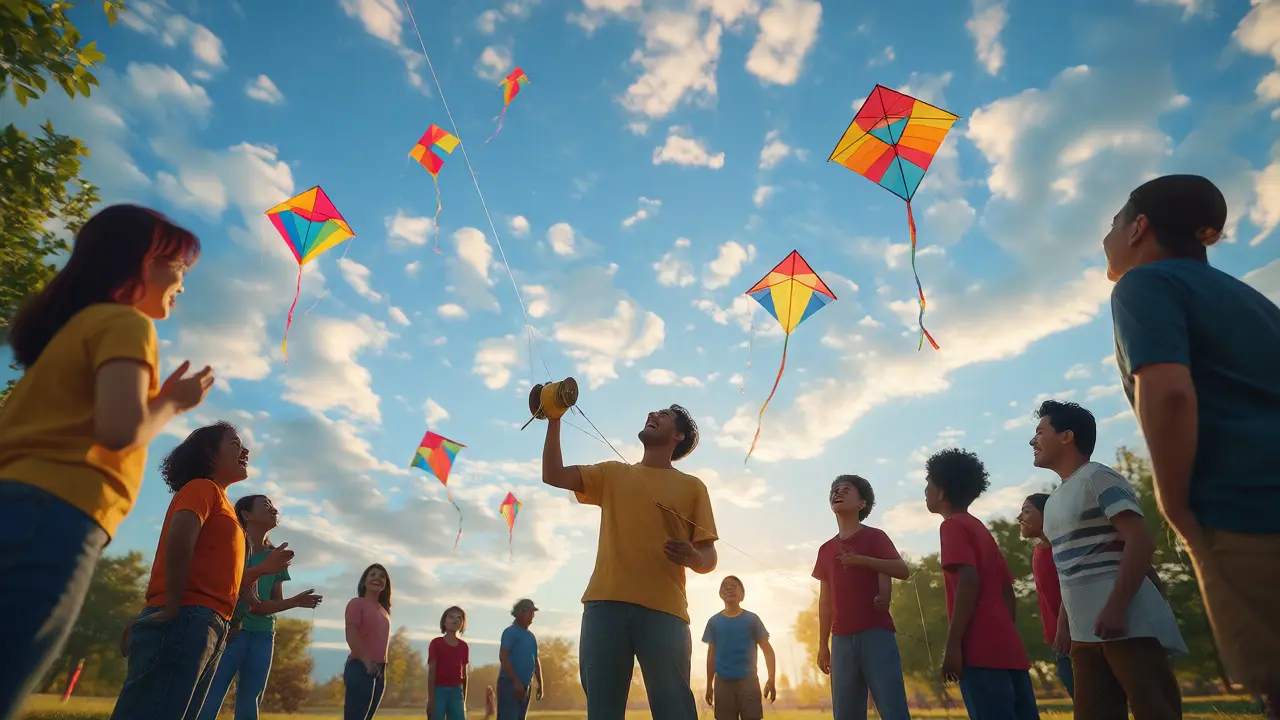
Imagine standing on a grassy field with nothing but a spool of line and a colorful diamond-shaped object. You launch it, and suddenly, the sky isn't empty anymore. It’s alive. That feeling is contagious, yet many people today see kites as mere toys for toddlers or decorations for festivals. They miss out on the genuine sport and community aspect of Kite Flying is an outdoor activity involving tethered flight, ranging from recreational play to competitive precision sports.. Becoming a Kite Ambassador is a volunteer role focused on educating the public, organizing local events, and advocating for safe flying spaces within a specific geographic area. means you’re not just flying; you’re building a bridge between the sky and your neighbors. Whether you want to start a weekly meetup or lobby your city council for better wind corridors, this guide breaks down exactly how to grow the hobby where you live.
Why Your Area Needs a Kite Ambassador
Most people don’t know that kite flying has rules. They don’t know about wind windows, line tension physics, or why that big red flag near the airport matters. Without an informed voice in the community, these activities often get banned because of misunderstandings. A neighbor complains about a kite tangled in power lines, and the next thing you know, the local park puts up "No Kites" signs. An ambassador prevents this by being the friendly face of the sport.
You become the go-to person for questions. When a parent asks, "Is this safe?", you have the answer. When a teenager wants to try stunt flying, you point them to the right gear. This presence changes the perception of kites from "childish clutter" to "accessible outdoor recreation." In Portland, for example, we’ve seen parks transform when regular flyers show up consistently. The visibility creates legitimacy. People start to respect the space because they see dedicated enthusiasts treating it with care.
Beyond perception, there’s a practical need for education. Most kite-related accidents aren’t caused by the wind; they’re caused by ignorance. Someone flies too close to a road, or uses a line that’s too heavy for their frame. By stepping up as an ambassador, you reduce liability risks for everyone. You teach proper etiquette, which keeps the peace between dog walkers, frisbee players, and kite flyers sharing the same green space.
Building Your Local Kite Community
You can’t promote a sport alone. You need a crew. But starting a club doesn’t require a constitution and a board meeting. Start small. Find three other people who fly kites regularly. Maybe it’s the guy at the beach with the delta wing, or the woman at the park with the traditional Chinese fighter kite. Strike up a conversation. Ask them what they struggle with. Often, the biggest barrier isn’t skill-it’s isolation. People think they’re the only ones doing this.
Once you have a core group, establish a routine. Consistency beats intensity. Pick one day a week, say Saturday mornings, and a specific location. Post it on local social media groups, Nextdoor, or community bulletin boards. Don’t worry if only two people show up the first time. Show up anyway. Fly your kites. Smile. Invite passersby to hold the line. This low-pressure environment is crucial. If you make it feel like a mandatory commitment, people will bail. Keep it casual. Call it a "Fly and Chill" session rather than a "Club Meeting."
Digital presence helps, but face-to-face interaction builds trust. Create a simple Instagram page or Facebook group named after your city, like "Portland Kite Flyers." Post photos of your sessions, but also post educational snippets. Share a quick video on how to fix a twisted line. Tag local businesses that might sponsor you later, like coffee shops or outdoor gear stores. When people see a vibrant online hub, they’re more likely to join the offline meetups. Remember, the goal is connection, not just content creation.
Navigating Safety and Local Regulations
Nothing kills momentum faster than a complaint from a concerned citizen or a fine from the police. As an ambassador, you must know the laws inside and out. In the United States, the Federal Aviation Administration (FAA) sets guidelines, but local ordinances vary wildly. Some cities ban kites over a certain size or height. Others prohibit them entirely within five miles of an airport.
Your job is to translate these regulations into plain English for your community. Create a one-page cheat sheet. List the maximum altitude allowed in your specific park. Note the distance required from power lines-usually, staying 50 feet away is a good rule of thumb, but check your local code. Explain the difference between a toy kite and a sport kite regarding liability. If a large stunt kite crashes into a car, who pays? Usually, the flyer does. Knowing this upfront prevents disputes.
| Zone Type | Typical Restriction | Ambassador Action |
|---|---|---|
| Public Parks | Often limited to daytime hours; no fireworks attached. | Schedule meets during open hours; clean up debris immediately. |
| Near Airports | Strict bans within 5-mile radius without waiver. | Map out "safe zones" using FAA charts; inform newbies. |
| Residential Areas | Noise complaints if using audible streamers; property damage risk. | Avoid loud attachments; use soft landing techniques. |
| Beaches | Tide-dependent; sand abrasion on lines. | Check tide tables; recommend synthetic lines over cotton. |
Proactively engage with local authorities. Introduce yourself to the park ranger or the city planner responsible for public spaces. Bring them a small gift-a nice kite-and explain what you do. Ask them what their concerns are. Maybe they worry about litter. Promise a "leave no trace" policy. When officials see you as a partner rather than a nuisance, they’re more likely to grant permits for larger events.
Organizing Events That Actually Work
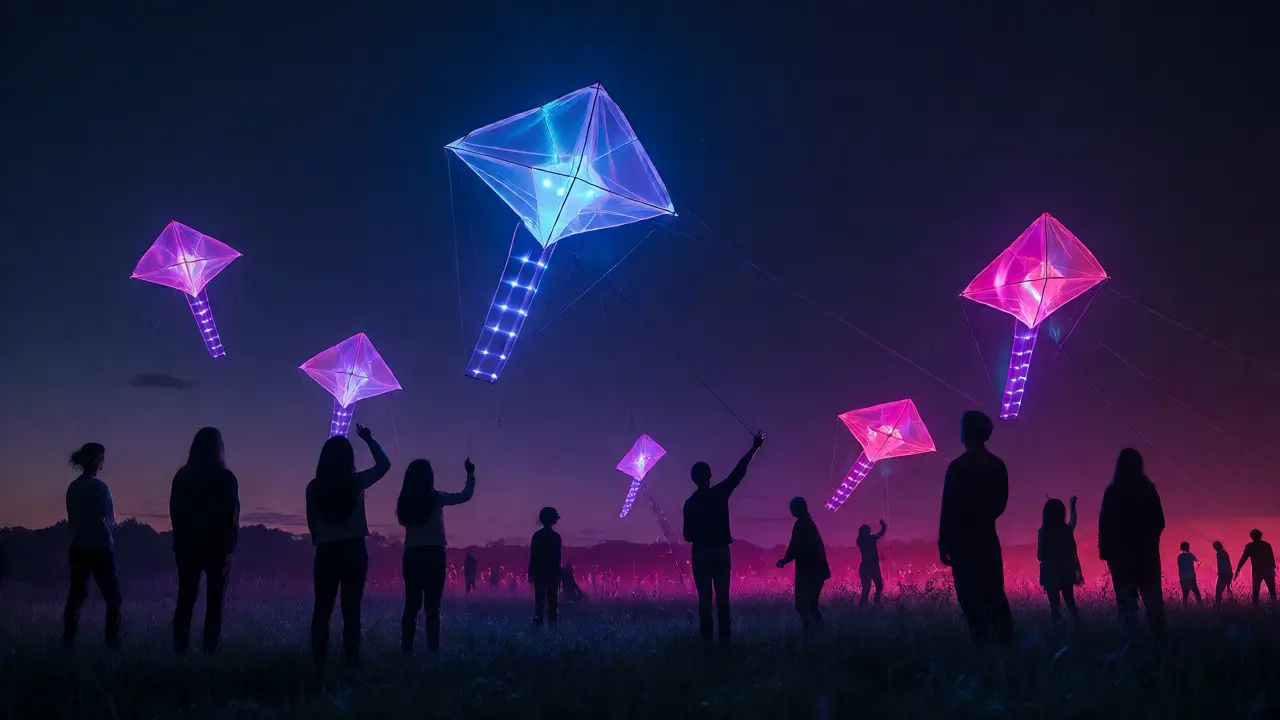
Once you have a steady group, you might want to host an event. But beware of the "big festival trap." Throwing a massive kite festival requires insurance, vendors, stages, and thousands of dollars. For a grassroots ambassador, smaller, niche events are far more effective. Try a "Night Fly" event. Use LED-lit kites. These look magical against the dark sky and attract families who wouldn’t come out on a sunny afternoon. It’s low-cost, high-impact.
Another great format is a "Kite Workshop." Partner with a local library or community center. Offer a free 30-minute session teaching kids how to build a basic diamond kite from paper and sticks. Then, take them outside to fly them. This positions your group as educators, not just hobbyists. Parents love it because it’s STEM learning disguised as play. You’re planting seeds for the next generation of flyers.
Consider partnering with other outdoor groups. A joint event with a disc golf club or a yoga in the park series can bring in new demographics. Cross-promotion expands your reach without doubling your workload. Just ensure the activities don’t clash. You don’t want a yogi getting hit in the head by a swooping stunt kite. Clear zoning is essential. Mark off your flying area with cones. It looks professional and keeps non-flyers safe.
Tools of the Trade for the Modern Ambassador
You don’t need expensive gear to be effective, but having the right tools makes you look credible. Invest in a few high-quality display kites. A large, stable parafoil or a box kite draws attention from blocks away. When people stop to stare, you have a chance to talk. Keep a spare set of lines and connectors in your bag. Nothing ruins a demo faster than a snapped line.
Wind knowledge is your superpower. Learn to read the clouds and the trees. Carry a simple anemometer or use a weather app that gives gust data, not just average wind speed. Explaining why today is "too choppy" for beginners shows expertise. People trust those who understand the environment. Also, carry a first-aid kit. Minor cuts from braided lines are common. Being prepared for the little mishaps builds confidence among newcomers.
Don’t underestimate the power of visual aids. Print out diagrams showing safe flight zones versus danger zones. Hand them out at events. Create a simple QR code linking to a playlist of tutorial videos. Modern audiences expect digital resources. If someone asks, "How do I turn my kite?", you can say, "Scan this," instead of trying to explain aerodynamics in a windy field.
Overcoming Common Objections
You will hear excuses. "It’s too windy here." "There’s nowhere to fly." "It’s boring." Your job is to reframe these narratives. If people say it’s too windy, show them a strong-frame stunt kite dancing in the gale. If they say there’s nowhere to fly, map out a forgotten corner of a parking lot or a wide sidewalk. Challenge the assumption that kites need vast fields.
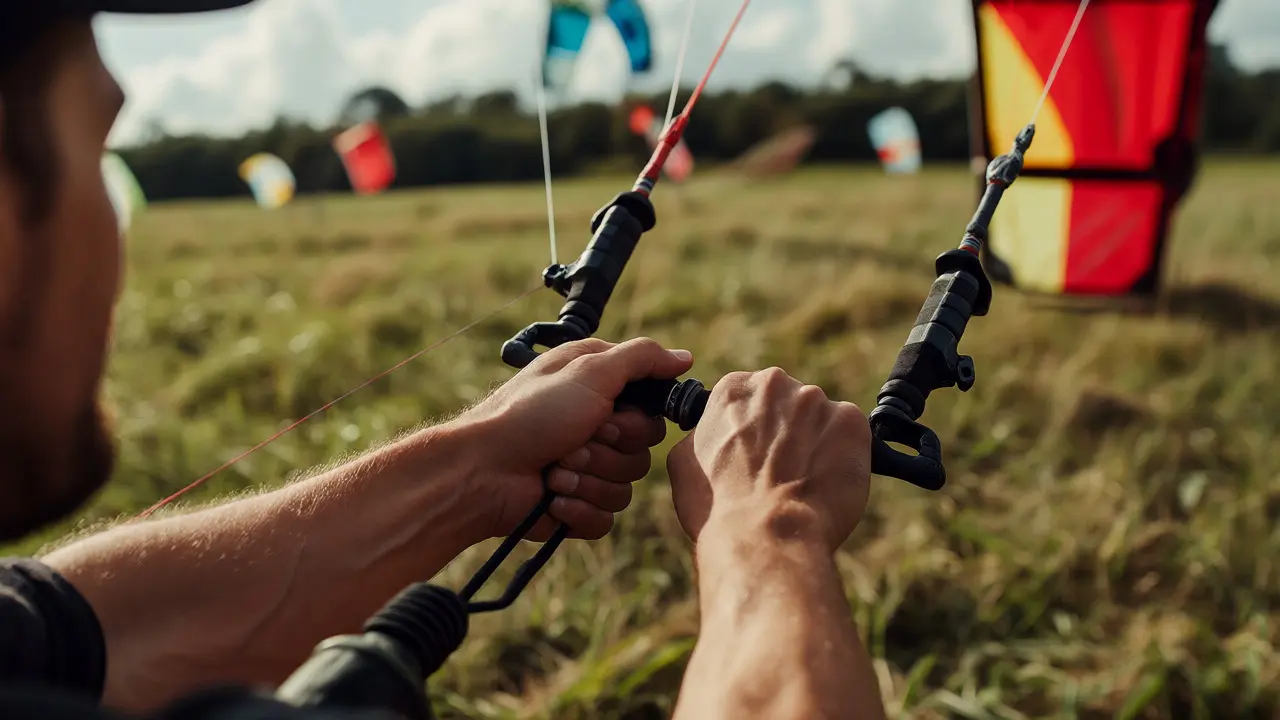
Address the boredom factor directly. Many people associate kites with slow, static floating. Introduce them to dual-line stunt kites. These move fast, do loops, and make a whooshing sound. It’s closer to skateboarding than sailing. Once someone feels the pull of a 7-foot wingspan pulling their arms, the skepticism vanishes. Give them the handle. Let them feel the power. Experience converts skeptics faster than any argument.
Do I need a license to fly kites?
Generally, no. In most countries, including the US, recreational kite flying does not require a pilot's license. However, commercial operations or very large kites may require permits. Always check local municipal codes, especially near airports.
What is the best wind speed for beginners?
Beginners should aim for steady winds between 8 and 15 mph. Winds below 5 mph usually aren't enough to lift standard kites, while winds above 20 mph can be difficult to control and dangerous for novices.
How do I find safe places to fly?
Look for open areas away from power lines, trees, and roads. Parks with large lawns, beaches, and designated multi-use trails are ideal. Use apps like Windy.com to check for obstructions and wind consistency before heading out.
Can I fly kites near an airport?
It depends on local regulations. Typically, flying within 5 miles of an airport is restricted or prohibited without prior authorization from air traffic control. Check the FAA's 'Know Before You Fly' campaign or local aviation authority guidelines.
What equipment should I give to a new flyer?
Start with a simple single-line diamond or delta kite made of ripstop nylon. Avoid cheap plastic toys that break easily. Include a sturdy winder and clear instructions on launching. This ensures a positive first experience.