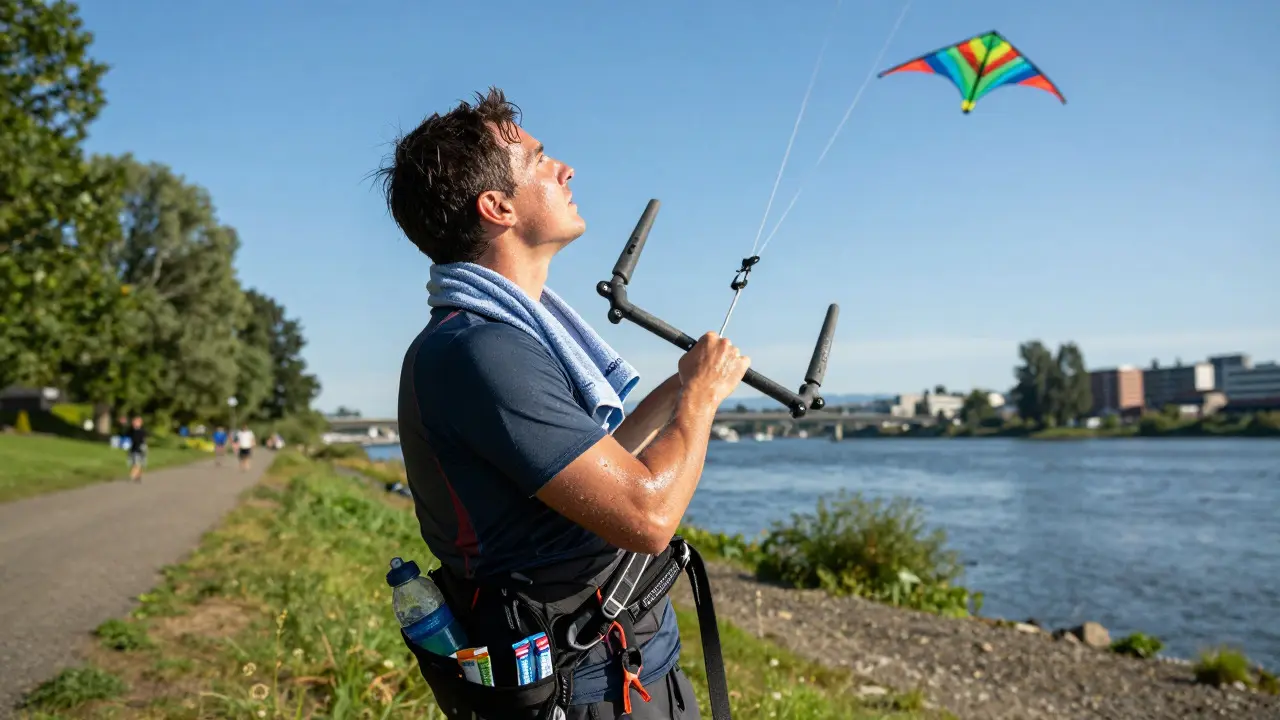
Most kite flyers think about wind speed and line strength. They rarely think about the sun beating down on their neck or the frost biting through their gloves. But if you fly in Portland, Oregon a city known for its variable microclimates where summer heat waves can spike into the 90s Fahrenheit while winter brings freezing rain, you know that the environment is just as dangerous as a tangled line. Ignoring seasonal risks leads to dehydration, hypothermia, or severe sunburn, not just a crashed kite.
This guide breaks down exactly how to protect yourself when the weather turns extreme. We are looking at specific thresholds for temperature, humidity, and UV index that signal it’s time to adjust your gear or call it a day. Whether you are launching a foil kite in the summer or a parafoil in the dead of winter, these precautions keep you safe and on the ground.
Summer Flying: Managing Heat and Dehydration
Summer in the Pacific Northwest isn’t always mild. In July and August, temperatures regularly exceed 85°F (29°C), and humidity can trap sweat against your skin. When you are actively moving-running to launch, adjusting lines, or chasing a gust-you generate significant body heat. If you don't manage this, your core temperature rises faster than you realize.
The biggest mistake flyers make is assuming they will feel thirsty. By the time you feel parched, you are already dehydrated. Here is how to handle it:
- Hydration Strategy: Drink 16 ounces of water two hours before you fly. During the session, sip every 15 minutes, not just when you are thirsty. Aim for 500ml to 750ml per hour of active flying.
- Electrolytes: If you are flying for more than an hour, plain water isn't enough. You lose sodium and potassium through sweat. Use electrolyte packets or sports drinks to replace what you lose. This prevents cramps and dizziness.
- Cooling Gear: Wear moisture-wicking synthetic fabrics, not cotton. Cotton holds sweat and makes you feel colder when the wind stops, but it also traps heat when you are active. A cooling towel around your neck can drop your perceived temperature by several degrees.
Watch for early signs of heat stress: headache, nausea, or dark urine. If you see these, stop flying immediately. Find shade and hydrate. Pushing through heat exhaustion can lead to heat stroke, which is a medical emergency.
Winter Flying: Preventing Hypothermia and Frostbite
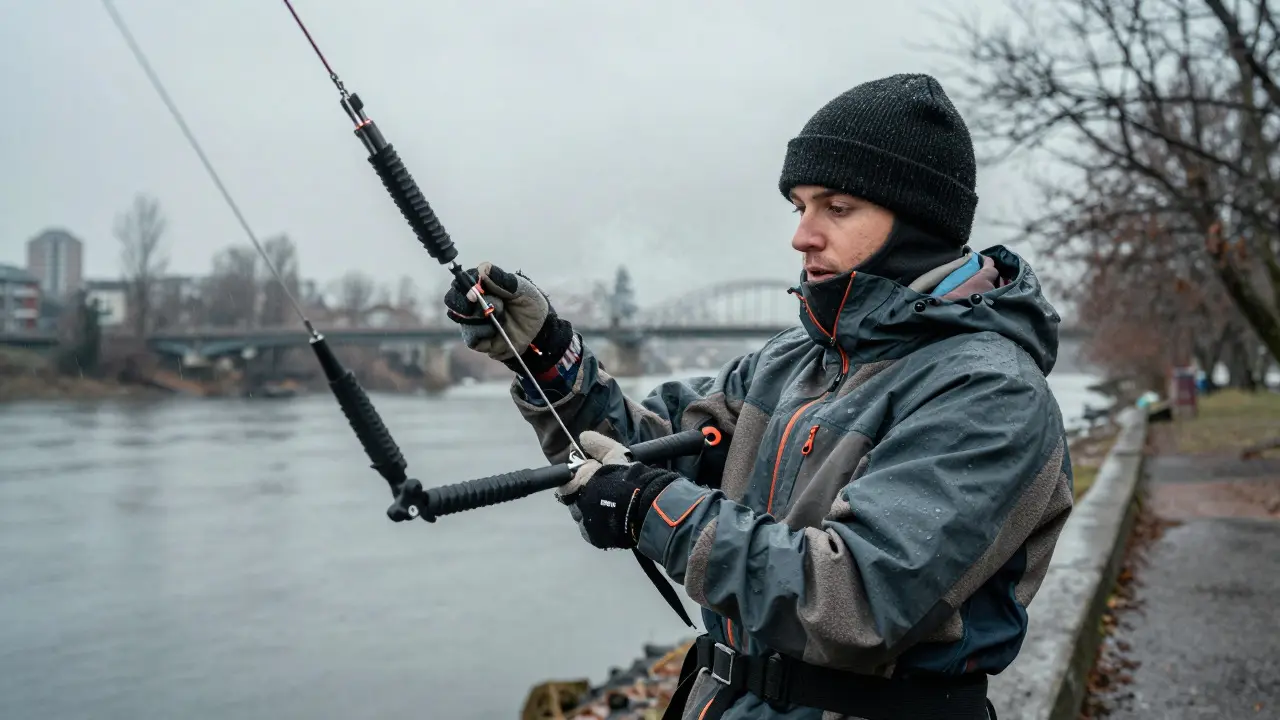
Winter in Portland often means gray skies, drizzle, and temperatures hovering around 40°F (4°C). It doesn't feel freezing, but wind chill changes everything. If the wind is blowing at 15 mph, the effective temperature feels much lower. Add wet clothing from rain or sweat, and you are at risk for hypothermia even in mild-looking conditions.
Hypothermia sets in slowly. You might start with shivering, then move to confusion and slurred speech. Once you stop shivering, your body is struggling to maintain core temperature. Here is how to stay warm:
- Layering System: Use a base layer (merino wool or synthetic) to wick sweat. Add an insulating mid-layer (fleece or down). Finish with a waterproof outer shell. Never wear a single thick sweater; it traps sweat and gets heavy when wet.
- Hand Protection: Your hands are most vulnerable. Use liner gloves under insulated mittens. Mittens keep fingers together, sharing body heat, making them warmer than gloves for static standing. However, for fine motor control on the bar, consider fingerless gloves over liners.
- Head and Neck: Up to 30% of body heat is lost through the head. Wear a beanie that covers your ears. A neck gaiter protects your throat from cold air, which helps regulate breathing comfort.
Frostbite is less common in Portland than in higher latitudes, but it can happen if you have poor circulation or wet extremities. Check your toes and fingertips every 30 minutes. If they feel numb or tingly, get out of the wind and dry off.
UV Exposure: The Silent Risk Year-Round
You don't need to be in the desert to get sunburned. UV rays penetrate clouds and reflect off surfaces like water, sand, and snow. In spring and summer, the UV Index in Oregon can reach 'High' or 'Very High' levels, especially near the coast where reflection off the water increases exposure.
Kite flyers often stand still for long periods, facing the same direction. This creates uneven sun exposure. One side of your face and neck may burn while the other stays pale. Worse, the glare from the sun reflecting off the water or bright sky strains your eyes.
To protect yourself:
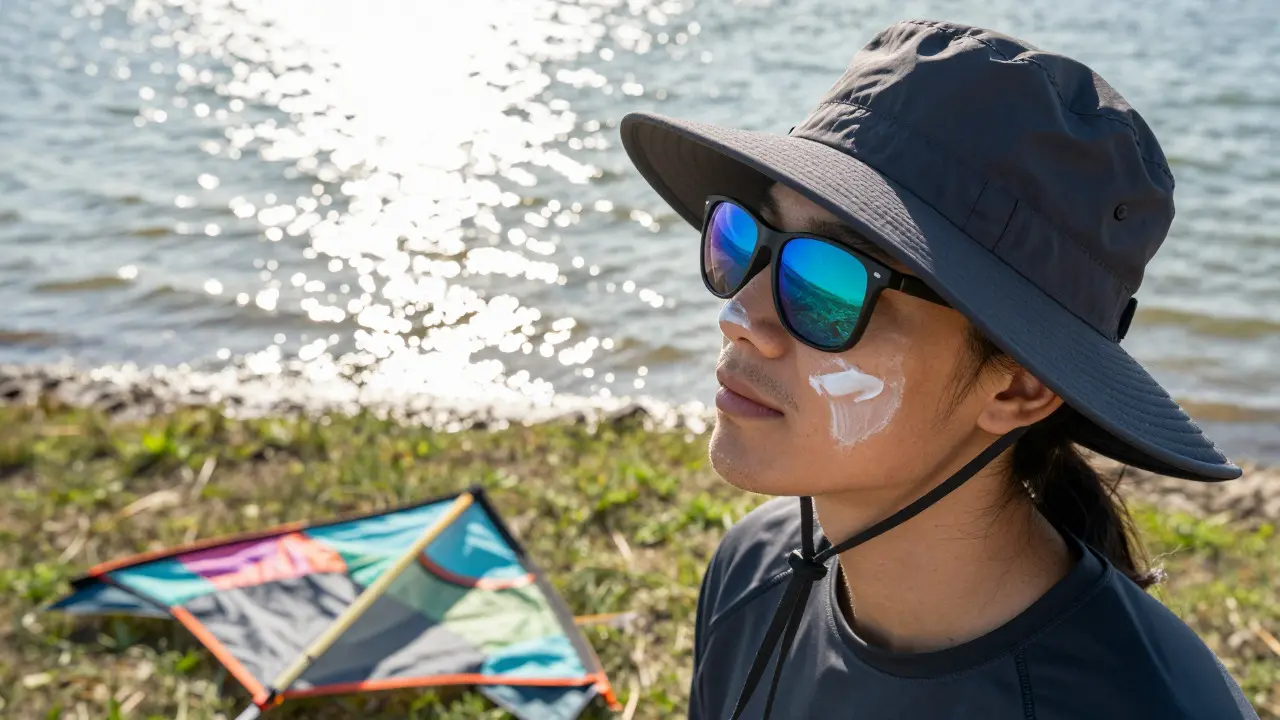
- Sunscreen: Apply broad-spectrum SPF 30+ sunscreen 15 minutes before flying. Reapply every two hours, or immediately after sweating heavily. Don't forget your nose, ears, and the back of your neck.
- Eyewear: Polarized sunglasses reduce glare from horizontal surfaces like water. Look for lenses with 100% UV protection. Clear lenses aren't enough; you need tinted lenses to block both UVA and UVB rays.
- Hat Brim: A wide-brimmed hat provides shade for your face and neck. If you prefer a cap, use a neck gaiter pulled up to cover exposed skin.
Gear Adjustments by Season
Your kite and lines also react to temperature changes. Materials expand in heat and contract in cold. While this rarely causes immediate failure, it affects handling and durability.
| Factor | Summer (Heat) | Winter (Cold/Wet) |
|---|---|---|
| Line Material | Dacron lines can stretch slightly in high heat. Check tension before launch. | Lines become stiffer in cold. Flex them gently before use to prevent snapping. |
| Kite Fabric | Synthetic fabrics may degrade faster under intense UV. Store in shade when not in use. | Moisture absorption weakens fabric. Dry kites thoroughly after wet sessions. |
| Control Bar | Plastic components can soften in extreme heat. Avoid leaving bars in direct sun. | Bar handles become slippery when wet. Use grip tape or textured covers. |
| Battery Life | Lithium batteries perform well but drain faster in heat if used in electronics. | Batteries lose capacity in cold. Keep spare batteries in an inner pocket close to body heat. |
One specific tip for winter: keep your control bar in a bag until you are ready to launch. Cold plastic is brittle. If you drop it, it is more likely to crack. In summer, keep your bar out of direct sunlight to prevent warping of the plastic frame.
Environmental Awareness and Local Conditions
Flying in Portland means dealing with unique local factors. The Willamette River creates channel winds that can be unpredictable. In summer, sea breezes blow inland during the afternoon, increasing wind speeds. In winter, onshore winds bring moisture and rain.
Always check the forecast for wind gusts, not just average wind. A 15 mph average with 30 mph gusts is dangerous for most kites. Use apps that provide hyper-local wind data. Also, be aware of lightning. In summer thunderstorms, lightning strikes can travel miles from the storm cloud. If you hear thunder, land your kite and seek shelter immediately.
Another local concern is wildlife. In coastal areas, seagulls can attack kites. In forested edges, branches can snag lines. Scout your launch area for overhead hazards. Clear space is non-negotiable for safety.
Checklist Before You Fly
Use this quick checklist to ensure you are prepared for any season:
- [ ] Check wind speed and gusts at the launch site.
- [ ] Verify UV Index and apply sunscreen if above 3.
- [ ] Pack enough water (minimum 1 liter per person per hour).
- [ ] Dress in layers appropriate for current temperature and wind chill.
- [ ] Inspect kite lines and bridle for wear or damage.
- [ ] Ensure control bar is dry and grips are secure.
- [ ] Identify escape routes and clear launch zone.
- [ ] Inform someone of your location and expected return time.
Frequently Asked Questions
Is it safe to fly a kite in light rain?
Yes, but with caution. Rain adds weight to the kite, which can alter its flight path. More importantly, wet lines are heavier and harder to control. Ensure your kite is designed for wet conditions, and avoid electric accessories. Dry off your gear immediately after flying to prevent mold and corrosion.
What is the ideal temperature range for kite flying?
The ideal temperature for human comfort is between 50°F and 70°F (10°C to 21°C). However, you can fly in colder or hotter conditions if you dress appropriately. The key is managing wind chill in the cold and heat index in the hot. Always prioritize wind conditions over temperature.
How does UV exposure affect kite materials?
Prolonged UV exposure degrades synthetic fabrics and plastics. Colors fade, fabric becomes brittle, and seams weaken. To extend the life of your kite, store it in a shaded bag when not in use. Avoid leaving it on the beach or grass in direct sunlight for extended periods.
Should I wear polarized sunglasses when flying?
Yes, especially near water. Polarized lenses reduce glare from horizontal surfaces, making it easier to see the kite and potential obstacles. They also filter out harmful UV rays. Choose lenses with 100% UV protection to safeguard your eyes from long-term damage.
What should I do if I feel dizzy while flying in the heat?
Land your kite immediately. Sit down in a shaded area. Sip water slowly and apply a cool, damp cloth to your neck. Do not continue flying until symptoms resolve. Dizziness is a sign of heat exhaustion. If it persists, seek medical attention.