
Imagine you're flying a massive 12-meter power kite over the coast. Suddenly, a gust hits, the lines tangle, and your arms start burning from the tension. In that split second, you need to dump the power instantly. If your quick-release system is jammed or hard to reach, you aren't just frustrated-you're in danger. For anyone handling large traction kites, whether on land with buggies or water with boards, understanding your release mechanism isn't optional; it's the difference between a controlled landing and a chaotic rescue.
This guide breaks down exactly how modern quick-releases work, why older designs fail under stress, and what specific upgrades you should look for if you want to fly safer in 2026. We’ll skip the marketing fluff and focus on mechanics, reliability, and real-world usability.
Key Takeaways
- Mechanical simplicity wins: The most reliable releases are those with the fewest moving parts that can jam due to sand, salt, or wear.
- Depower vs. Release: Understand the difference. Depowering reduces pull but keeps you attached; releasing disconnects you entirely. You need both.
- Reachability is critical: A release you can’t find while blindfolded (or panicked) is useless. Position matters more than brand.
- Regular maintenance saves lives: Inspect your release every single session. Sand and corrosion are silent killers of safety mechanisms.
The Core Problem: Why Standard Releases Fail
Most beginners buy their first power kite with a basic chicken loop or a simple pin release. These work fine when you’re learning to steer in light winds. But as soon as you move to larger kites-say, anything over 9 meters-or stronger conditions, these basic setups reveal their weaknesses. The primary issue is jamming.
When a kite surfs through waves or lands on sandy beaches, grit gets into the mechanical joints. A standard pin release might click smoothly at home, but after three sessions in the ocean, it becomes stiff. When you panic and yank the handle, the pin doesn’t slide out cleanly. It catches. Now you’re fighting the kite while trying to fix a jammed piece of metal. This delay, even by two seconds, can result in being dragged uncontrollably across rocks or into other kiters.
Another common failure mode is accidental release. Some early magnetic systems were too sensitive. A hard crash could pop the kite off unintentionally, leaving you stranded without control. Modern engineering tries to balance this: easy enough to activate in an emergency, secure enough not to fail during normal aggressive riding.
Anatomy of a Modern Quick-Release System
To understand what makes a good upgrade, you have to know what’s inside the box. A comprehensive depower and quick-release system typically consists of three main components working together.
First, there’s the Chicken Loop. This is the primary attachment point connecting your harness to the kite’s front lines. In high-end setups, this isn’t just a static loop; it’s often integrated with a safety line that allows the kite to pivot freely if released. Second, the Depower Handle (or trim strap). This lets you adjust the angle of attack, effectively reducing the kite’s power without letting go. Third, the actual Emergency Quick-Release. This is the final kill switch. Depending on the design, it might be a lever-action pin, a rotary dial, or a magnetic connector.
| Feature | Pin/Lever Release | Magnetic Release | Rotary Dial Release |
|---|---|---|---|
| Jam Resistance | Low (prone to sand) | High (no small gaps) | Medium (internal gears) |
| Activation Force | High (requires grip strength) | Low (pull-to-separate) | Medium (twist action) |
| Accidental Release Risk | Very Low | Medium (can detach on impact) | Low |
| Maintenance Needs | Frequent cleaning | Rarely needed | Occasional lubrication |
| Best For | Land Buggy / Snow | Freestyle / Surfing | Big Wave / Racing |
As the table shows, no single system is perfect. Pin releases are robust against accidental detachment but hate sand. Magnetic releases are slick and fast but require careful management to ensure they don’t pop open during a heavy crash. Rotary dials offer a middle ground but add complexity.
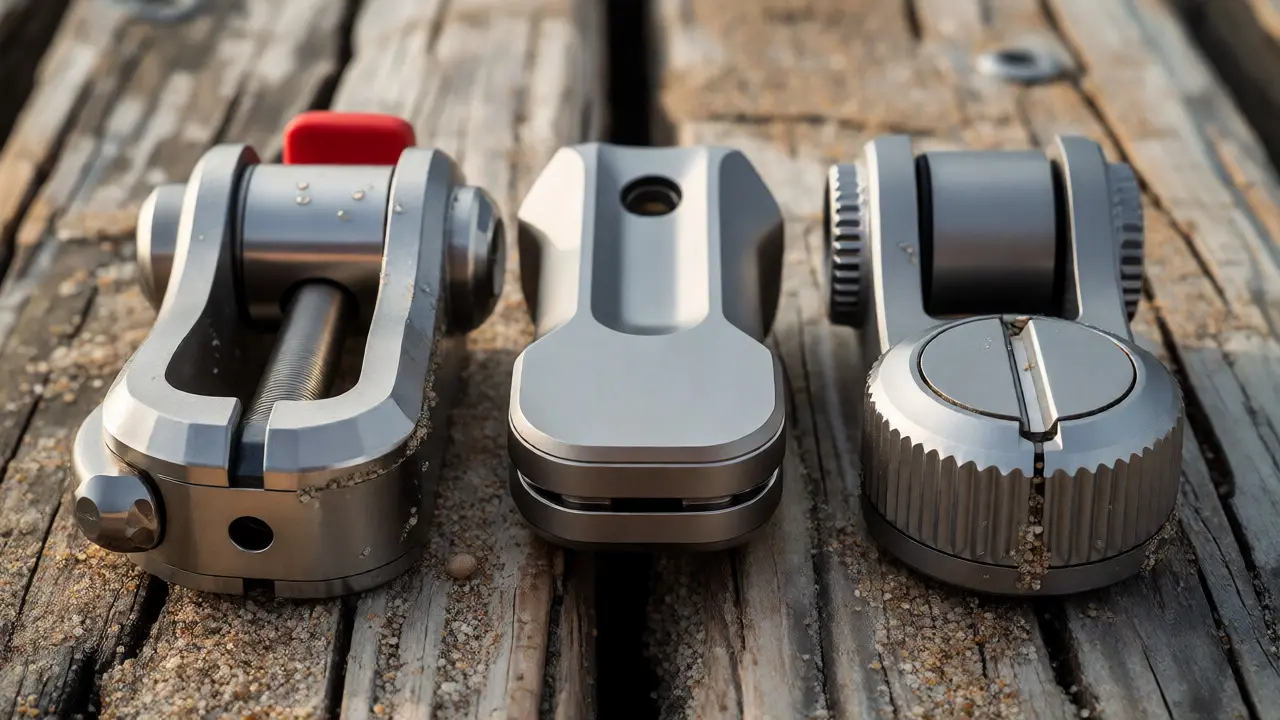
Critical Upgrade #1: The Leash Integration
Many riders overlook the relationship between their kite leash and the quick-release. In older setups, the leash was tied directly to the wrist or waist independently of the release. This created a dangerous scenario: if you triggered the quick-release, the kite would fly away, but if the leash failed or wasn’t connected properly, you’d lose the kite entirely. Worse, if the release didn’t fully disengage, the leash could snap back and injure you.
Modern upgrades integrate the leash directly into the quick-release block. When you trigger the release, the kite is disconnected from your body, but the leash remains attached to the kite’s bridle. This keeps the kite nearby and controllable via the rear lines, allowing you to relaunch it easily. Look for systems labeled as "integrated safety leash" or "5th line compatible." This feature ensures that even if you panic and hit the big red button, you don’t end up chasing your kite down the beach like a lost balloon.
Critical Upgrade #2: Ergonomic Activation Zones
Have you ever tried to operate a complex latch while wearing thick neoprene gloves? It’s nearly impossible. Many factory-default releases are designed for bare hands or thin liners. If you ride in cold water or winter snow, you need a system that accounts for bulky gear.
Upgraded systems feature oversized levers or textured grips specifically designed for gloved operation. Some manufacturers use color-coded activation zones-red for release, black for trim-so you can identify the function by touch alone. This tactile feedback is crucial. When your adrenaline spikes, your fine motor skills degrade. You need gross motor movements: a big pull, a clear twist, or a decisive push. Avoid releases that require precise finger manipulation to unlock.
Critical Upgrade #3: Corrosion-Resistant Materials
Saltwater is brutal on metal. Standard steel pins corrode quickly, leading to pitting and eventual seizure. Even stainless steel can suffer from crevice corrosion if not rinsed meticulously. High-end upgrades now utilize titanium alloys or marine-grade plastics for the internal sliding mechanisms.
Titanium offers superior strength-to-weight ratio and exceptional resistance to salt spray. While more expensive, a titanium core release can last years longer than a steel one in coastal environments. If you live near the ocean, check the material specs. If the description says "stainless steel," ask yourself: is it 316L grade? Anything less will rust. Plastic components should be UV-stabilized nylon or Delrin to prevent brittleness from sun exposure.

How to Test Your System Before Launch
You shouldn’t wait until you’re 20 feet in the air to test your safety gear. Here is a pre-flight checklist I use before every session:
- Visual Inspection: Check for cracks in the plastic housing or bent pins. Ensure the spring returns fully to its resting position.
- Dry Run: With the kite on the ground and lines slack, trigger the release five times. It should feel smooth, not gritty. Listen for any clicking sounds that indicate debris.
- Load Test: Hook into your harness. Have a partner hold the kite or tie it off. Apply moderate tension. Trigger the release. Does it separate cleanly under load? Some releases only work when slack.
- Leash Check: Verify the leash connects securely to the designated port. Give it a firm tug to ensure it won’t slip out.
If any step feels hesitant, do not launch. Replace the unit or clean it thoroughly with fresh water and silicone lubricant. Never use oil-based lubricants, as they attract dirt and gum up the mechanism.
Common Mistakes Riders Make
Even with the best gear, human error plays a huge role. One frequent mistake is modifying the release. Riders sometimes wrap tape around the pin to make it tighter, thinking it prevents accidental drops. Unfortunately, this also increases the force required to eject. In an emergency, that extra resistance can mean the difference between freedom and dragging.
Another issue is ignoring the trim strap. Many riders leave their depower set too tight, meaning the kite is always pulling hard. If you need to dump power, you should be able to ease off the bar significantly before hitting the full release. If your trim is maxed out, you’ve already lost your primary safety buffer.
Finally, don’t assume compatibility. Not all quick-releases fit all bars. Mixing brands can lead to alignment issues where the release sits awkwardly on the bar, making it hard to reach. Stick to the manufacturer’s recommended setup unless you have technical expertise in rigging.
Choosing the Right System for Your Discipline
Your choice depends heavily on how you fly. If you’re into kite buggying, speed and stability are key. You’re unlikely to fall into water, so a robust pin release is ideal. It won’t jam from salt, and the higher activation force prevents accidental ejection at high speeds.
For kite surfing, especially in surf zones, magnetic releases are gaining popularity. They allow for instant depowering and easier reconnection after crashes. However, you must practice engaging them correctly. If you’re a beginner surfer, stick to a proven pin release until you have muscle memory built up.
Big wave riders and racers often prefer rotary systems. These provide incremental power reduction and a very secure lock. The trade-off is slower activation time, but in deep water, you usually have more time to react than in crowded shore-breaks.
How often should I replace my quick-release?
There is no fixed expiration date, but you should inspect it monthly. Replace it immediately if you notice any cracking, excessive play in the mechanism, or difficulty activating it. Most manufacturers recommend replacement every 2-3 years of regular use, or sooner if you ride in harsh saltwater environments.
Can I use any leash with any quick-release?
No. The connection points vary by brand and model. Using an incompatible leash can compromise the integrity of the release system. Always use the leash specified by the manufacturer of your bar and release unit to ensure proper fit and safety certification.
Why does my release feel stiff?
Stiffness is usually caused by sand, salt crystals, or old lubricant drying out. Rinse the mechanism thoroughly with fresh warm water. Once dry, apply a small amount of silicone-based lubricant. Work the mechanism back and forth several times to distribute the lube. If it remains stiff, internal parts may be worn or damaged.
Is a magnetic release safer than a pin release?
Neither is inherently "safer"; they have different risk profiles. Magnetic releases are faster to activate but carry a slight risk of accidental detachment during heavy impacts. Pin releases are more secure against accidental opening but can jam due to debris. Choose based on your environment and comfort level with the activation motion.
What happens if I forget to reset the release?
If the release is partially engaged or not fully locked, it may eject unexpectedly when tension is applied. This can cause the kite to depower suddenly or fly away completely. Always visually confirm the lock indicator (if present) or give the connection a firm tug before launching to ensure it is fully seated.