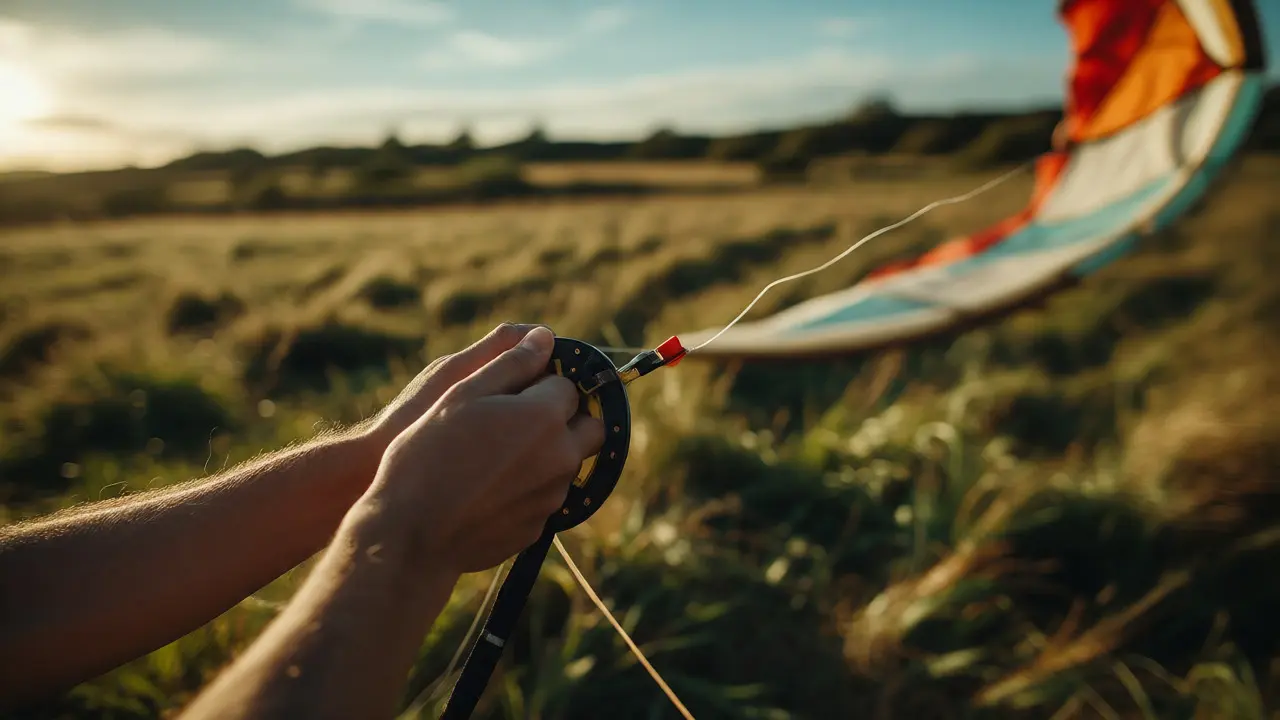
You’re standing in a field, the wind is picking up, and your heart rate isn’t from the physical effort. It’s from frustration. The kite won’t lift, or worse, it dives straight into the mud. You tighten your grip on the spool, your shoulders hike up to your ears, and you hold your breath without even realizing it. Sound familiar? Most people treat kite flying as a purely mechanical task-launch, pull, reel in. But there’s a hidden layer here that turns a simple hobby into a powerful practice for mental clarity.
This is where mindful breathing changes the game. It’s not about chanting or sitting cross-legged on a yoga mat. It’s about syncing your internal rhythm with the external forces of wind and tension. When you align your breath with the movement of the kite, you stop fighting the air and start working with it. The result? Better control, less fatigue, and a surprising amount of calm in the middle of a chaotic gust.
The Physics of Breath and Tension
Let’s get practical. Kite flying is a dialogue between three entities: you, the line, and the wind. If you are tense, your hands shake. Shaky hands create erratic movements on the line. Erratic movements confuse the kite, causing it to stall or crash. It’s a feedback loop of anxiety.
Mindful breathing acts as a stabilizer. When you exhale slowly, your parasympathetic nervous system activates, lowering your heart rate and relaxing your muscles. This relaxation translates directly to smoother hand movements. Think of it like this: if your breath is jagged, your line is jagged. If your breath is smooth, your line is steady. A steady line allows the kite to find its sweet spot in the airflow more efficiently.
In Portland, where we deal with variable coastal winds, this skill is non-negotiable. One minute it’s dead calm, the next it’s a sudden squall. Reacting with panic (holding breath, jerking the line) usually kills the flight. Reacting with a deep, controlled breath allows you to assess the change and adjust gently. It’s not just zen; it’s aerodynamics.
Techniques for Synchronized Flight
You don’t need a certification to do this. Here are three specific breathing patterns that map directly to kite actions. Try them on your next outing.
- The Launch Exhale: As you prepare to launch, take a deep inhale through your nose. Hold it for two seconds while you check the wind direction. Then, as you release the kite and let out the first few feet of line, exhale forcefully but steadily through your mouth. This mimics the push needed to get the kite airborne and prevents the common mistake of pulling too hard too soon.
- The Steady-State Box: Once the kite is high, switch to "Box Breathing." Inhale for four counts, hold for four, exhale for four, hold for four. Use this during periods of stable flight. It keeps your mind off the distractions around you and locks your focus on the subtle vibrations in the line. You’ll notice tiny shifts in wind pressure that you’d otherwise miss.
- The Recovery Sip: When the kite dips or stalls, resist the urge to yank the line. Instead, take a quick, sharp "sip" of air (a short inhale), then a long, slow exhale as you gently give slack to the line. This signals to the kite to drop slightly, regain speed, and climb back up. Panic causes over-correction; mindful breathing encourages patience.
These aren't abstract concepts. They are tools. By anchoring your attention to the count of your breath, you prevent your mind from wandering to work emails or social anxieties. You are forced to be present because the kite demands it. If you drift mentally, you lose the feel of the line. If you lose the feel, you crash.

Building Focus Through Sensory Anchors
Mindfulness often fails when people try to "clear their minds." That’s impossible. Instead, you replace scattered thoughts with a single anchor. In kite flying, that anchor is tactile sensation combined with breath.
Pay attention to the texture of the line against your gloves or bare hands. Feel the vibration travel up your arm. Now, sync your inhale with the sensation of the line tightening (the kite climbing) and your exhale with the sensation of the line loosening (the kite drifting). This creates a somatic link between your body and the object in the sky.
This technique leverages what psychologists call "grounding." By focusing on immediate sensory input-the cold air, the sound of the wind snapping the sail, the resistance in your fingers-you interrupt the cycle of rumination. You can’t worry about yesterday’s meeting while you are actively counting seconds of breath and feeling the pull of a Delta kite. The complexity of managing the kite requires enough cognitive load to crowd out intrusive thoughts, while the simplicity of breathing keeps you relaxed.
Comparing Mindful Kiting to Other Practices
You might wonder why you should bother with this instead of just going for a run or doing standard meditation. Each has its place, but they serve different needs. Here’s how mindful kite flying stacks up against other common stress-relief methods.
| Activity | Primary Mechanism | Mental State Induced | Physical Demand | Skill Barrier |
|---|---|---|---|---|
| Mindful Kite Flying | Sensory-motor synchronization + Breathwork | Flow state / Active Calm | Low to Moderate | Moderate (Requires learning) |
| Standard Meditation | Internal observation + Breath regulation | Stillness / Passive Calm | Very Low | High (Hard to stay focused) |
| Running/Jogging | Endorphin release + Rhythmic motion | Exhaustion / Post-workout Euphoria | High | Low |
| Gardening | Tactile engagement + Slow pace | Nurturing / Grounded | Moderate | Low |
Notice the difference? Standard meditation can feel elusive for active people. Running burns energy but doesn’t necessarily teach fine motor control or patience. Mindful kite flying sits in a unique niche: it engages the brain’s problem-solving centers (reading the wind) while simultaneously engaging the body’s relaxation response (breathing). It’s active meditation.
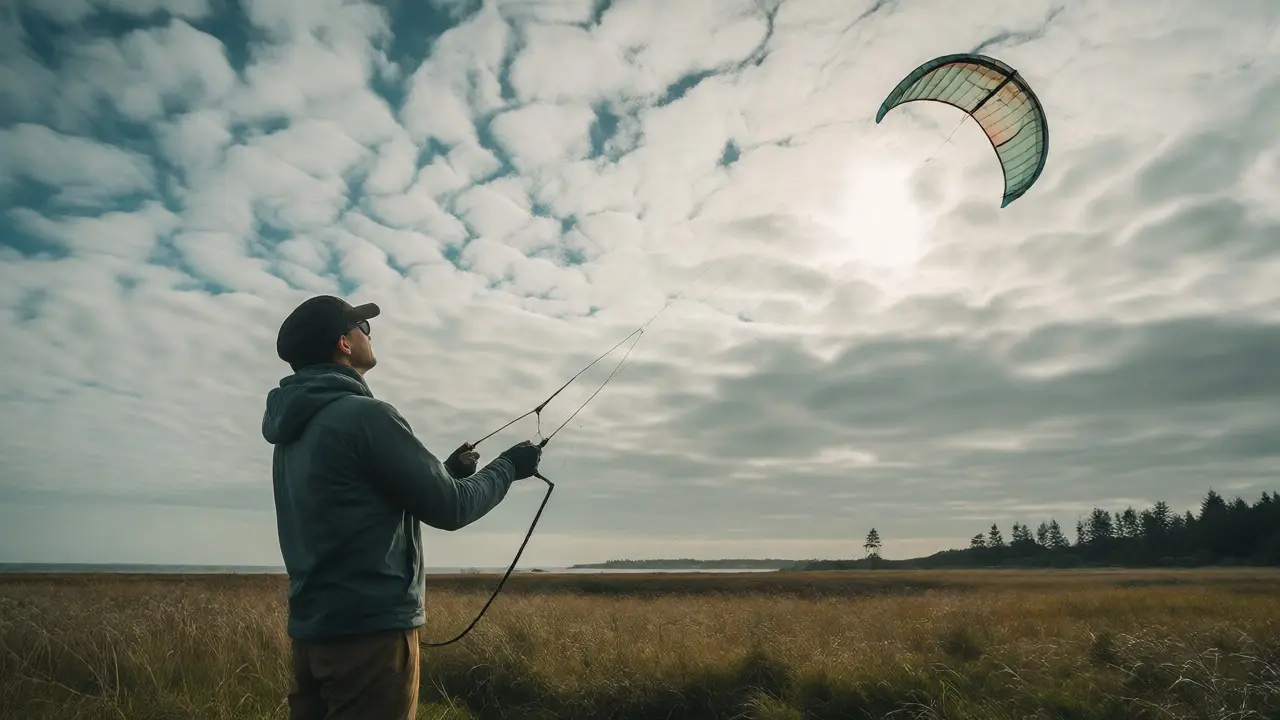
Overcoming Common Pitfalls
Even with good intentions, things go wrong. Here are the most common mistakes beginners make when trying to integrate mindfulness into their hobby.
- Holding Your Breath on Failure: When the kite crashes, the instinct is to gasp or hold your breath in anticipation of the next attempt. This spikes cortisol. Force yourself to exhale fully before you pick up the kite again. Reset the baseline.
- Rushing the Launch: Many flyers try to muscle the kite into the air. Mindful flying asks you to wait for the right gust. Use your box breathing to count the seconds between gusts. Patience yields higher launches than force.
- Ignoring the Environment: Mindfulness isn’t just internal. Notice the birds avoiding your kite’s path. Notice the color of the sky changing. These external observations deepen the sense of connection to nature, which is a key component of restorative environments.
If you find your mind wandering despite the breathing, don’t judge yourself. Just note the thought, return your attention to the tension in the line, and resume the count. The goal isn’t perfection; it’s return.
Practical Setup for Success
To get the most out of this practice, set yourself up for success. Choose a location with consistent wind and minimal obstructions. Avoid crowded parks where you have to constantly watch for other people’s dogs or children; those interruptions break the flow. Look for open fields near water, where wind currents are steadier.
Wear comfortable clothing that allows full range of motion in your shoulders. Tight sleeves restrict blood flow and make deep breathing harder. Consider using gloves with good tactile sensitivity so you can feel the line’s vibrations clearly. And choose a kite that responds quickly to small inputs-a single-line stunt kite or a well-balanced delta is better for this than a heavy, sluggish parafoil that requires massive arm strength to move.
Start with ten minutes. Don’t commit to an hour. Ten minutes of focused, mindful flying will leave you feeling more refreshed than an hour of frustrated struggling. Check in with yourself afterward: Do your shoulders feel lower? Is your jaw unclenched? Did you notice details in the sky you usually ignore? Those are the signs it’s working.
Do I need special equipment to practice mindful breathing while flying?
No, any standard single-line or dual-line kite works. However, kites with sensitive controls (like stunt kites) provide better tactile feedback, making it easier to sync breath with movement. Comfortable clothing and optional gloves for tactile sensitivity are recommended.
How does breathing actually help control the kite?
Breathing regulates your nervous system, reducing muscle tremors and jerky movements. Smooth, deliberate hand movements caused by relaxed muscles allow the kite to maintain stable aerodynamic lift. Conversely, holding your breath increases tension, leading to erratic line pulls that destabilize the kite.
Can this technique help with anxiety outside of kite flying?
Yes. The skills learned-recognizing physical tension, using breath to regulate heart rate, and maintaining focus under variable conditions-are transferable. Many practitioners report improved ability to stay calm in high-pressure situations at work or home after regular mindful flying sessions.
What if the wind is too strong or too weak?
Adjust your expectations. In weak wind, focus on slow, deep breaths to encourage patience and gentle lifting. In strong wind, use shorter, sharper breaths to match the rapid adjustments needed. The core principle remains: match your internal rhythm to the external environment rather than forcing your will upon it.
Is this considered a form of meditation?
It is often categorized as "active meditation" or "moving mindfulness." Unlike seated meditation, it requires continuous engagement with the external world. It shares the same goals-present-moment awareness and reduced stress-but achieves them through dynamic interaction rather than stillness.