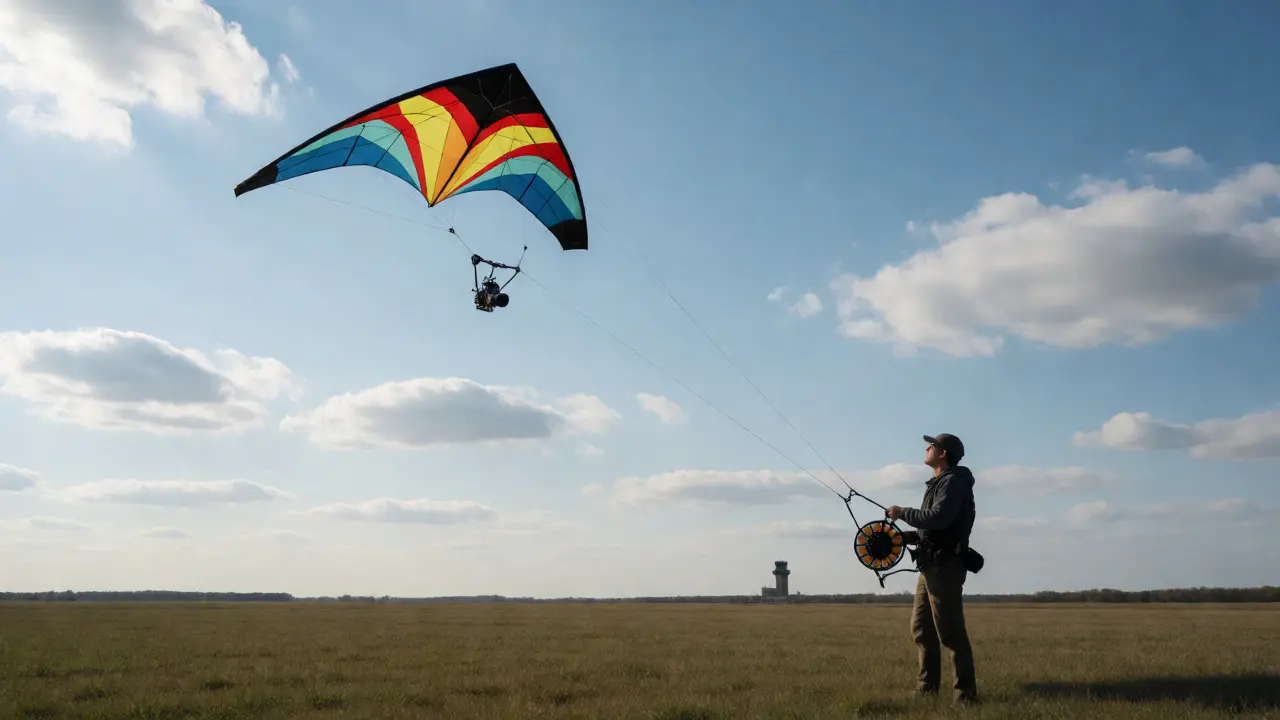
You’ve got your rig set up, the wind is picking up, and you’re ready to capture that perfect shot from 200 feet in the air. But before you let go of the line, have you checked if you’re actually allowed to be there? It’s a question many Kite Aerial Photography (KAP) enthusiasts ignore until they get a knock on their door or a fine in the mail.
Unlike drones, which have grabbed all the headlines with strict FAA Part 107 rules, kites occupy a weird legal gray area that varies wildly depending on where you live. You might think flying a tethered object is safer than piloting a remote-controlled quadcopter, and technically, it often is. But "safer" doesn't mean "unregulated." If you treat KAP like just another hobby without checking the local ground rules, you could find yourself grounded faster than a kite in a hurricane.
The Core Difference: Tethered vs. Unmanned Aircraft
Here is the biggest misconception people have about Kite Aerial Photography. Many pilots assume that because their camera is attached to a string, it falls under different laws than a drone. In the United States, the Federal Aviation Administration (FAA) generally considers kites to be exempt from registration requirements that apply to drones weighing more than 0.55 pounds. Why? Because a kite is tethered. It cannot wander off into a flight path for a Boeing 747 unless the string breaks.
However, exemption from registration does not equal exemption from responsibility. The FAA still mandates that you do not fly within five miles of an airport without notifying the controlling tower. This rule applies to kites just as it does to model airplanes. If you are setting up your rig near a small municipal airport, you need to call ahead. Ignoring this isn’t just rude; it’s a violation of federal aviation regulations that can lead to hefty fines.
In other countries, the rules shift. In the UK, the Civil Aviation Authority treats kites differently than RPAs (Remotely Piloted Aircraft), but you still must keep them below 400 feet (122 meters) in uncontrolled airspace. Always check your national aviation authority’s specific stance on tethered devices. Don’t assume the US rules apply globally.
Navigating Local Airspace Restrictions
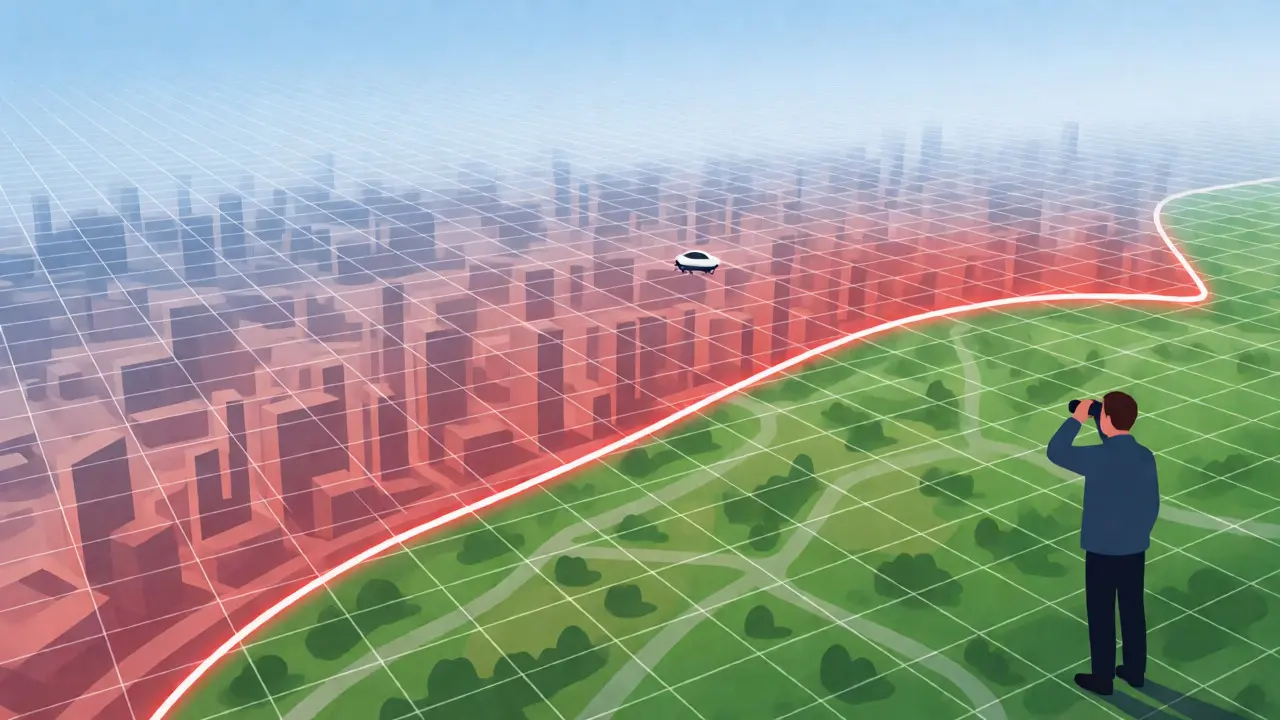
Airspace isn’t just one big open box. It’s divided into zones, each with its own set of rules. Before you launch, you need to know what kind of airspace you are operating in. Use apps like B4UFLY or AutoPylot, which were designed for drones but provide accurate visualizations of controlled airspace boundaries.
| Airspace Class | Typical Location | KAP Permission Needed? | Key Constraint |
|---|---|---|---|
| Class G | Rural areas, open fields | No | Maintain visual line of sight |
| Class E | Suburban, most cities | Usually No | Stay below 1,200 ft AGL |
| Class D | Small airports | Yes (ATC Notification) | Coordinate with Tower |
| Class C/B | Major hubs | Strictly Restricted | Often prohibited entirely |
If you are in Class G airspace, you are largely free to fly as long as you stay clear of manned aircraft traffic. Class E is trickier. While you don’t always need permission, you must remain visible to other pilots. If you are flying at night, your kite needs lights. Yes, lights. A dark silhouette against a twilight sky is invisible to a pilot approaching for landing.
Privacy Laws: The Camera Is the Real Issue
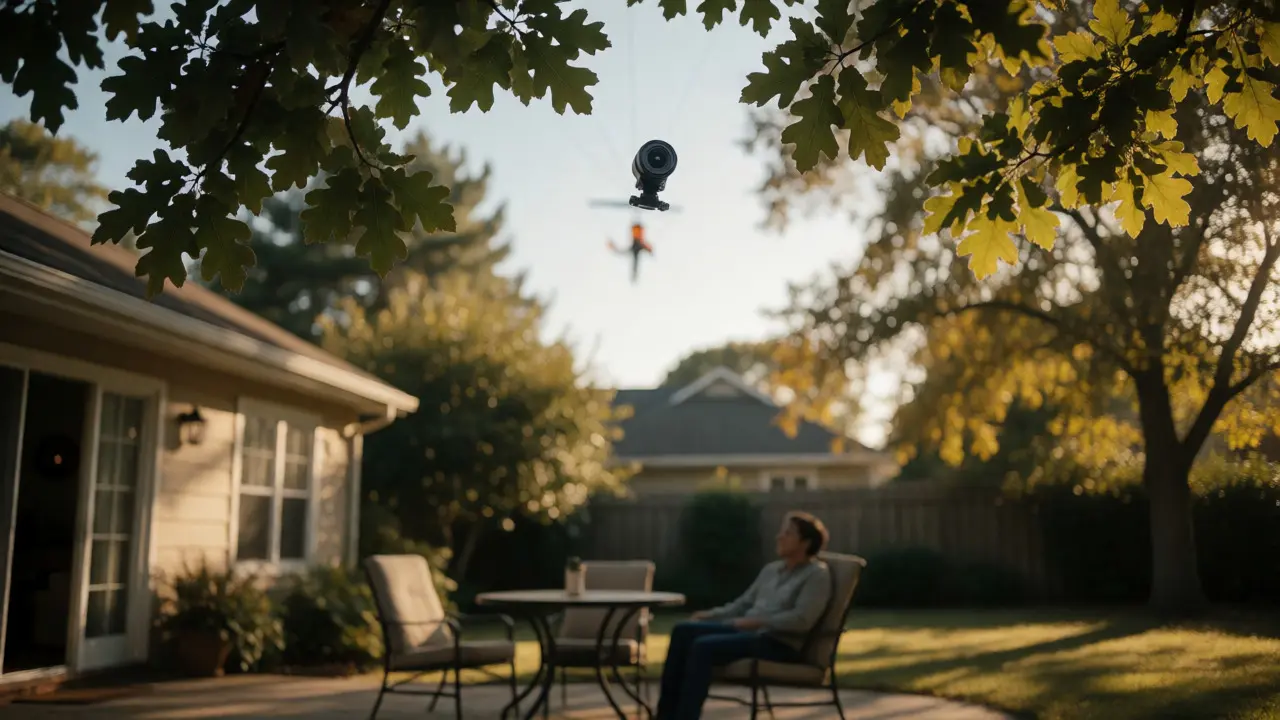
This is where things get personal. Your drone or kite might be legal, but what it captures might not be. Privacy laws regarding aerial photography are complex and constantly evolving. The general rule of thumb? If you can see it from public property, you can probably photograph it. But when you are 300 feet up, looking down, the definition of "public view" gets blurry.
In the US, the Fourth Amendment protects against unreasonable searches by the government, but it doesn’t strictly protect you from private citizens taking photos. However, state laws vary. California, for instance, has strong privacy protections. If you hover over someone’s backyard and zoom in on their patio furniture, you might face civil liability for intrusion upon seclusion. It’s not about being a creep; it’s about reasonable expectation of privacy.
Consider the context. Are you shooting a landscape, or are you pointing a high-res lens directly into a bedroom window? The former is usually fine. The latter invites lawsuits. When in doubt, ask. A quick conversation with a neighbor who sees you launching a rig can prevent a confrontation later. Most people aren’t angry about the photo; they are angry about feeling watched without consent.
Permits and Land Access Agreements
Owning the right to fly in the sky doesn’t give you the right to stand on the ground. This seems obvious, yet it causes more conflicts than airspace issues. You need permission to launch from private land, parks, beaches, and even some public sidewalks.
- Public Parks: Many city ordinances ban kites larger than a certain size or require a special event permit. Check with the local parks department.
- Beaches: Coastal areas often have seasonal bans during nesting seasons for birds like plovers or terns. Flying during these times can result in fines.
- Private Property: Get written permission. A handshake is great, but if a tree branch snaps and damages a car, you want proof you had the owner’s blessing.
If you are working on a commercial project-say, real estate marketing or surveying-you almost certainly need a permit. Municipalities often classify commercial aerial work differently than recreational hobbies. They may require proof of insurance. Do not skip this step. One accident involving a falling payload can cost tens of thousands of dollars. General liability insurance specifically covering aerial activities is cheap compared to a lawsuit.
Safety Protocols That Keep You Legal
Legality and safety are intertwined. If you act safely, you are less likely to attract regulatory attention. Here are non-negotiable safety practices that also serve as legal defenses:
- Visual Line of Sight (VLOS): You must be able to see the kite with your naked eye at all times. Binoculars help, but they cannot replace direct vision.
- Breakaway Lines: Ensure your rig has a fail-safe mechanism. If the kite goes out of control, the camera should detach rather than dragging a heavy weight across a crowded beach.
- Spotter System: For large events or busy areas, use a spotter. Their job is to watch for people walking into your launch zone and for low-flying aircraft.
- Weather Awareness: Wind gusts can turn a gentle breeze into a dangerous force. Check forecasts rigorously. Lightning is an absolute no-go.
Remember, negligence is hard to prove if you followed standard industry best practices. Document your pre-flight checks. Take a photo of your setup before launch. These small habits build a paper trail that shows you took reasonable care.
International Variations: A Quick Glance
If you travel for shoots, adjust your expectations. In Europe, the European Union Aviation Safety Agency (EASA) sets broad guidelines, but member states enforce them locally. Germany, for example, requires specific licenses for certain types of aerial cameras depending on weight. Japan has strict rules about flying near railways and power lines due to dense infrastructure.
In Australia, the Civil Aviation Safety Authority (CASA) groups kites with drones for operational purposes in populated areas. You cannot fly over crowds without approval. Always research the specific country’s aviation authority website before packing your gear. What works in Oregon might get your equipment confiscated in Tokyo.
Do I need to register my KAP rig with the FAA?
Generally, no. The FAA exempts tethered devices from registration requirements that apply to drones. However, you must still comply with airspace restrictions and notify air traffic control if flying near controlled airports.
Can I fly my kite over private property without asking?
Technically, you can fly over the airspace above private property, but you cannot trespass on the land itself. Additionally, capturing detailed images of private activities may violate state privacy laws. It is always best practice to obtain verbal or written consent from the property owner.
What happens if my kite crashes into a person?
You are liable for any injuries or damages caused by your equipment. This is why carrying liability insurance is critical for serious practitioners. Without insurance, you could be personally responsible for medical bills and legal fees.
Are there height limits for KAP?
While there is no universal federal height limit for kites, you must stay below 400 feet Above Ground Level (AGL) in many jurisdictions to avoid interfering with manned aircraft. Some local ordinances impose stricter limits, such as 200 feet in residential areas.
Can I fly at night?
Yes, but only if your kite is equipped with anti-collision lighting. The light must be visible for at least three statute miles. Flying without lights at night increases the risk of collision and potential legal penalties.