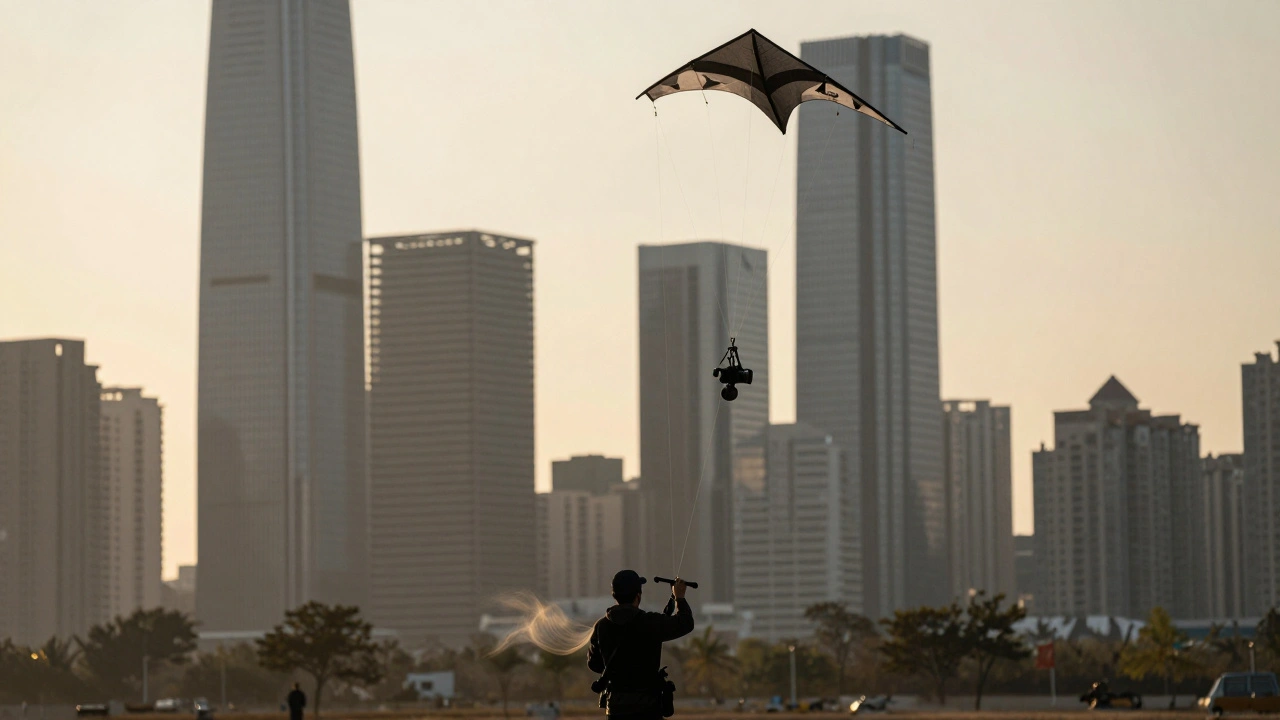
In the crowded skies of 2026, drones dominate every street corner, yet something quieter still offers a unique vantage point. Imagine capturing a sweeping cityscape without the buzz of rotors or worrying about complex flight logs for a small camera payload. That is the quiet power behind kite photography. While many treat this as a hobby, treating it as a revenue stream requires a distinct approach to equipment, regulation, and client expectations. You are not just selling photos; you are selling access to perspectives that drones simply cannot reach in certain restricted zones.
This shift from casual snapping to professional service means understanding the mechanics of wind lift alongside business logistics. When clients hire a Professional KAP is a specialized service using heavy-lift kites to carry cameras for high-angle shots. Also known as Kite Aerial Photography, it bridges the gap between traditional landscape photography and modern surveillance. Unlike drones, which face increasing airspace restrictions in dense urban areas like Seattle or San Francisco, kites often fall into different regulatory categories that allow for longer flight times without pilot certification hassles.
Understanding the Market Gap in 2026
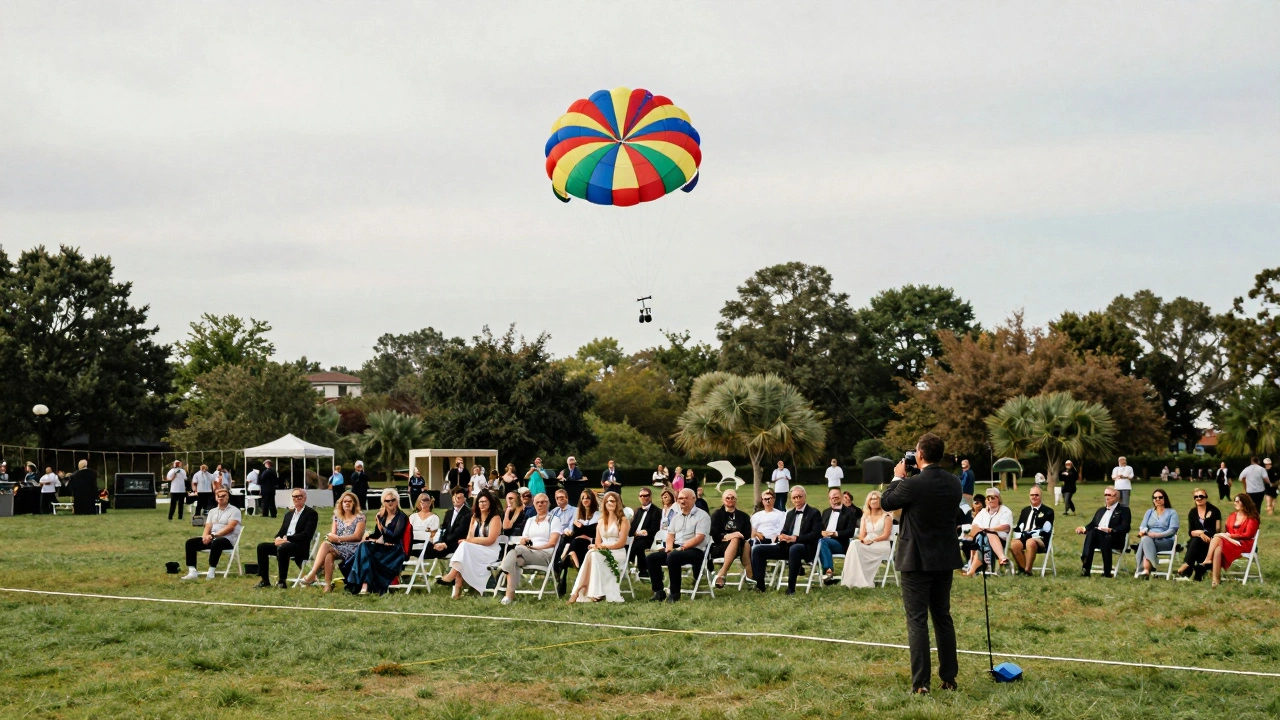
Why bother with kites when quadcopters exist? The answer lies in longevity and noise. In 2026, battery technology for consumer drones still limits flight time to roughly 40 minutes under load. A large stunt kite, however, can stay aloft indefinitely as long as the wind holds. For wedding photographers covering an entire ceremony or event videographers needing a continuous overhead shot, this endurance is a massive selling point. Furthermore, public perception matters. People often associate buzzing drones with security threats, while a colorful kite feels nostalgic and harmless. This psychological advantage opens doors for shoots in family parks or residential neighborhoods where drone operators get shut down immediately.
Your target audience splits into three main categories. First, real estate agents need unique listing photos that stand out in a saturated market. Second, event organizers want artistic documentation that doesn't interfere with guests. Third, conservationists and scientists require silent observation tools for wildlife monitoring where rotor wash would spook animals. Identifying which of these segments fits your local area determines your gear budget. If you are targeting weddings in Portland, you need waterproof systems and low-noise winches. If you are doing real estate in dry climates, dust resistance becomes your priority.
Essential Gear and Technical Setup
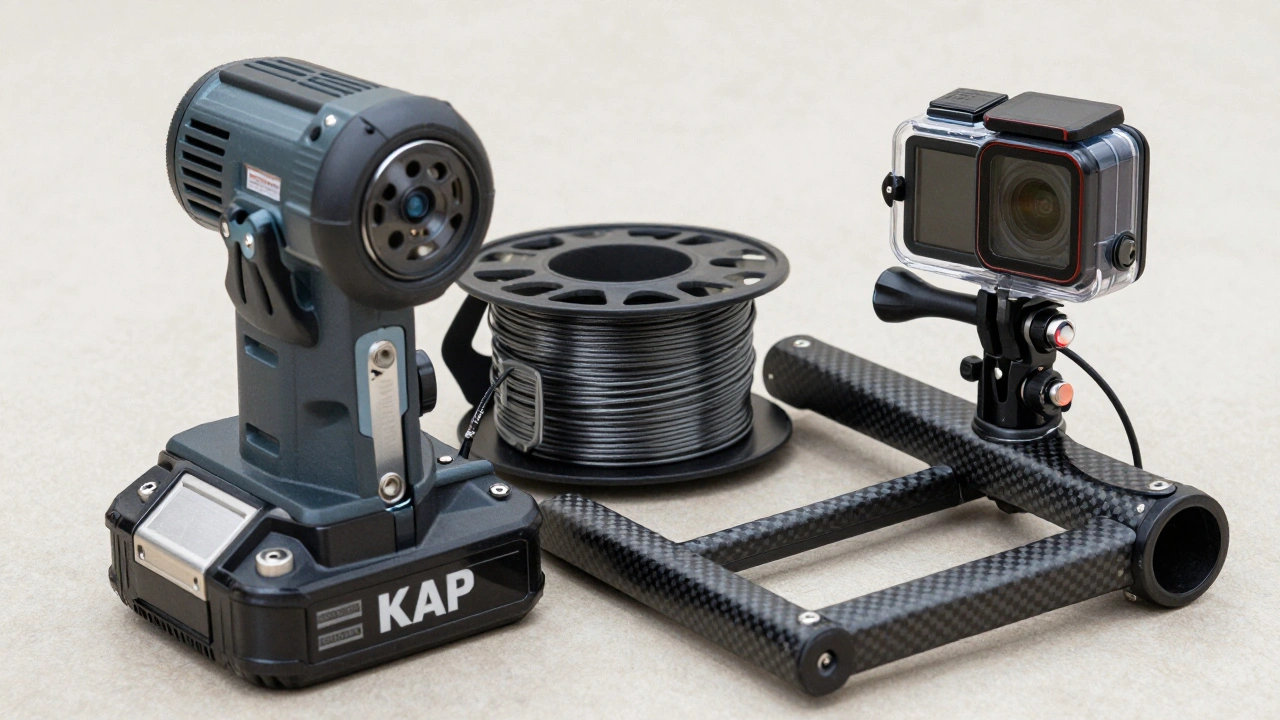
Building the rig is more than buying a toy store flyer. You need a system designed for stability and payload capacity. The most reliable setup for commercial work involves dual-line control kites paired with lightweight action cameras. Brands like GoPro or DJI Osmo Action remain standard due to their weight-to-quality ratio. However, for serious print work, mirrorless cameras like the Sony Alpha series offer higher resolution. Carrying a full-frame body up to 200 feet requires a robust composite frame kite rather than nylon fabric alone.
You also cannot ignore the connection line. Standard nylon fishing line cuts through skin or snaps unpredictably under load. Professional setups utilize dyneema lines which provide high tensile strength with minimal stretch. This material ensures that camera commands sent via Bluetooth or radio trigger work instantly without the lag caused by line bounce. Consider the retrieval system as well. A motorized winch helps when the wind dies mid-session, allowing you to safely bring the payload down without scrambling across uneven terrain.
| Item | Professional Specification | Budget Impact |
|---|---|---|
| Kite Frame | Carbon Fiber Dual-Liner | High Cost / High Durability |
| Camera Payload | Action Cam or Crop-Sensor Mirrorless | Varies ($300-$1500) |
| Line System | Ultra-High Molecular Weight Polyethylene | Moderate / Essential |
| Winch | Battery-Powered Electric | Recommended for Pro Work |
Navigating Regulations and Liability
The biggest hurdle for anyone turning this into income is navigating the rules. In the United States, kite operations generally fall under FAA Part 101, which governs model aircraft and recreational kites. This is much simpler than Part 107 required for drones, but you cannot simply ignore them. While recreational flyers might wave off the paperwork, commercial flights legally require compliance to avoid hefty fines. You need to file a remote identification if your kite carries a device that tracks telemetry, even if it isn't a 'powered' vehicle in the traditional sense.
Insurance is non-negotiable for a legitimate business model. General liability insurance protects you if your line snaps and damages property or hurts someone. Since kites operate at lower altitudes than planes but can drift unpredictably, specific aviation or specialty liability coverage is worth hunting for. Don't rely on standard homeowner policies; those rarely cover commercial activities involving overhead lifting mechanisms. Having a certificate of insurance ready to show clients builds immediate trust. It tells them you understand the risks involved in operating above their heads.
Developing a Revenue Stream
Money comes from consistency, not luck. You need packages that are easy for clients to buy. Do not charge hourly; the wind waits for no one. Instead, sell deliverables: '10 high-res images,' '5-minute video reel,' or 'Full Day Coverage.' This decouples your earnings from weather delays. If the wind is flat, you reschedule, but the price remains locked. This protects your cash flow.
Diversify your income beyond shooting days. Offer training sessions for other photographers who want to learn KAP. This creates a second income stream that requires less travel. Additionally, selling the raw footage as stock assets on platforms that accept drone-like angles works well for marketing teams looking for dynamic B-roll. Your portfolio should clearly distinguish between static ground shots and your signature elevated perspective to justify the premium pricing over standard land photography.
Safety Protocols and Risk Management
Flying a camera 300 feet above a crowd demands rigorous discipline. Always have a spotter whose only job is to watch the kite, not hold the line. Human reaction time is slower than a kite crashing down. Establish a perimeter zone where spectators cannot enter during launch and recovery. This is where accidents happen most often-when the operator is focused on the camera settings rather than the tether.
Weather monitoring goes beyond checking wind speed apps. Look at barometric pressure trends. A sudden drop might signal an approaching storm front even if the sky looks clear. In coastal cities like Portland, marine layer shifts can trap smoke or cause rapid turbulence. Carry a backup kill switch mechanism for the camera shutter in case the line jams. Nothing ruins a reputation faster than losing a client's camera unit to a tangled tree branch during a shoot.
Scaling Your Operations
As you grow, consider partnerships. Teaming up with real estate agencies allows you to bundle services so you aren't constantly cold-calling leads. Local planning commissions sometimes need overhead maps for zoning meetings. Position yourself as a solution provider for municipal needs. This moves you from gig-work to contract work, stabilizing your annual revenue.
Technology in 2026 continues to shrink gear sizes. Stay updated on lightweight lens options. Every gram saved translates to higher altitude potential and better stability. By maintaining a cutting-edge inventory while offering a service drones struggle to replicate silently, you carve out a defensible niche in the aerial market.
Frequently Asked Questions
Is a pilot license required for commercial kite photography?
Generally, no. Kite operations fall under FAA Part 101 rather than Part 107 for drones, but you must ensure your payload does not turn the kite into an unmanned aircraft requiring specific registration. Always check local county ordinances as some areas restrict all tethered objects regardless of federal law.
What camera is best for Kite Aerial Photography?
Action cameras like the GoPro Hero series are ideal due to weight and stabilization features. However, crop-sensor mirrorless cameras can work if you use a larger surface area kite like a parafoil to generate sufficient lift for the heavier body.
Can I fly over private property?
You must obtain written permission from the property owner before hovering over their land. Even though the object is a kite, the expectation of privacy applies, especially with recording devices attached to the payload. Trespassing laws vary by state.
How much does professional KAP cost?
Pricing varies by region, but standard packages range from $500 for half-day coverage to $1,500 for full event documentation. Stock footage licensing can add an additional fee depending on usage rights granted.
Is insurance really necessary for kites?
Yes. If a camera falls and hits a car or person, general liability coverage is essential. Without it, you are personally responsible for medical bills and property damage claims, which could bankrupt a small startup business.