Why Your Masterpiece Is Fading Before It Flies
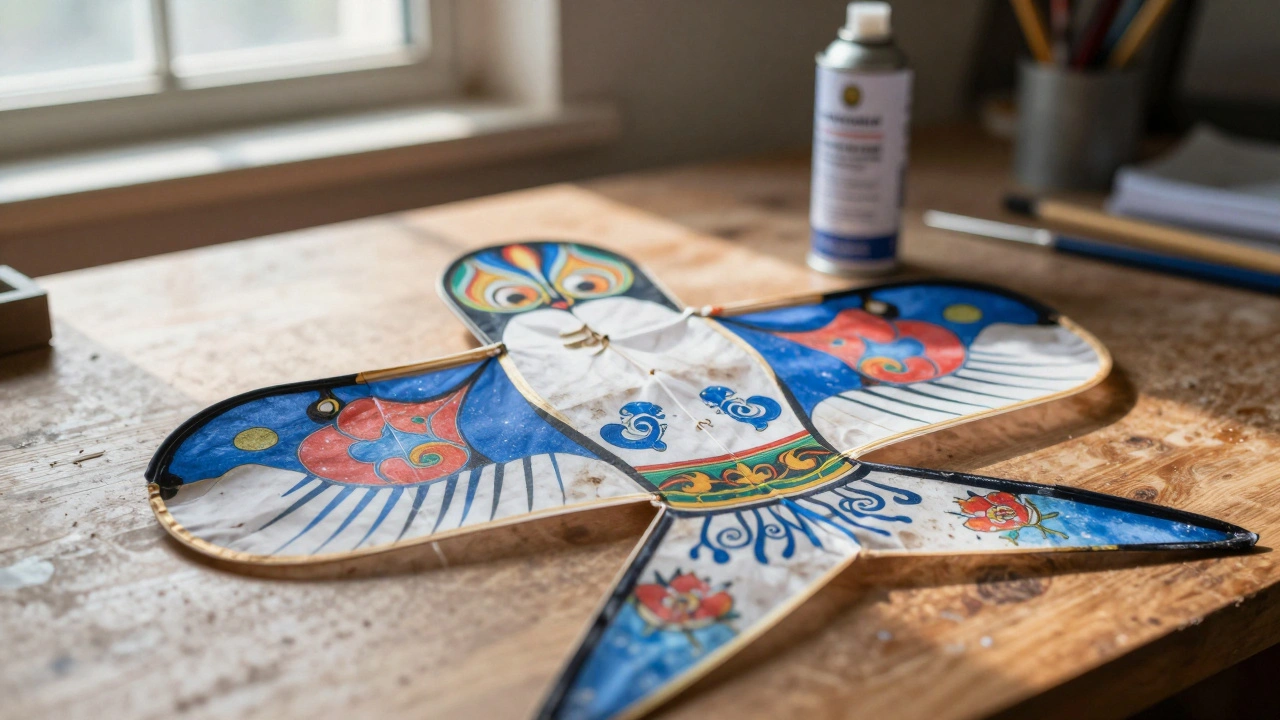
You spent weeks mixing pigments. You carefully brushed layers of color onto the rice paper or silk. The design is intricate, vibrant, and ready for the sky. But then you hang it up in your studio, and within months, the blues look gray, and the reds look dull. This isn't just bad luck; it's chemistry working against you. Sunlight, humidity, and physical handling are the three enemies of painted kite art. If you want your work to last beyond a single season, you need a strategy that goes deeper than just keeping it out of the rain.
Preservation isn't about stopping time-it's about slowing down the degradation process so your art survives long enough to be enjoyed by others. Whether you are an artist selling high-end pieces or a hobbyist who wants to keep family heirlooms intact, the principles remain the same. We need to talk about barriers, light management, and how to store these delicate structures without crushing them.
The Role of Varnish: Creating a Physical Barrier
Think of varnish as the skin of your painting. Without it, the pigment sits exposed to oxygen and moisture. For kite art, however, you cannot use just any varnish off the shelf at the hardware store. Standard polyurethane or oil-based varnishes are too heavy. They add weight, which ruins the flight characteristics, and they often yellow over time, turning your bright white highlights into a sickly amber hue.
You need a solution that is clear, lightweight, and flexible. Here are the best options for protecting painted surfaces on kites:
- Acrylic Spray Sealer (Matte or Satin): This is the most common choice for artists using acrylic paints on rice paper. Look for archival-quality sprays like Krylon Archival Varnish or similar museum-grade products. Matte finishes are generally preferred because they reduce glare from the sun, making the colors pop more when viewed outdoors. Apply thin coats-three light passes are better than one heavy soak that might warp the paper.
- UV-Resistant Clear Coat: Some modern spray sealers include UV inhibitors. While no coating blocks 100% of ultraviolet light, these can extend the life of your pigments significantly. Check the label for "UV protection" or "fade resistance."
- Mod Podge (Outdoor Formula): If you are working with heavier materials like cardstock or synthetic fabrics, the outdoor formula of Mod Podge acts as both adhesive and sealant. It dries clear but adds a slight sheen. Be cautious with this on delicate rice paper, as it can stiffen the material too much.
A critical rule here: always test your varnish on a scrap piece of the same material first. Rice paper behaves differently than silk, and silk behaves differently than Tyvek. A varnish that works perfectly on canvas might make your kite wing crinkle and tear upon application.
Fighting the Sun: UV Shields and Light Management
Even with the best varnish, ultraviolet (UV) radiation will eventually break down chemical bonds in pigments. This process is called photo-degradation. Red and purple pigments are usually the first to go, followed by yellows. Blues tend to hold up better, but nothing is immune if left in direct sunlight for years.
If your kite is meant to be displayed indoors as wall art, you have control over the environment. Hang it away from south-facing windows where afternoon sun hits hardest. Use sheer curtains to diffuse direct light. If you are framing the kite, insist on UV-filtering acrylic glass instead of regular glass. Museum glass can block up to 99% of UV rays. Regular glass blocks almost none.
For kites intended for flight, you have less control. However, you can choose pigments wisely. Artist-grade acrylics and gouache generally have better lightfastness ratings than craft-store paints. Look for labels that say "Lightfast" or check the ASTM rating (ASTM I or II is excellent). If you are using watercolors, know that they are inherently more vulnerable. Seal them thoroughly with multiple layers of acrylic medium before adding a final varnish coat.
| Coating Type | Best Material | Weight Impact | UV Protection | Durability |
|---|---|---|---|---|
| Archival Acrylic Spray | Rice Paper, Silk | Low | Moderate (if UV-rated) | High |
| Mod Podge Outdoor | Cardstock, Fabric | Medium | Low | Very High |
| Clear Gesso (Thin Layer) | Paper, Canvas | Low-Medium | None | Medium |
| Wax Medium (Beeswax) | Silk, Heavy Paper | Medium | Low | High (Waterproof) |
Storage Solutions: Keeping Shapes Intact
The moment you take your kite down after a flight, the preservation battle shifts from environmental damage to physical deformation. Kites are structural objects. They rely on tension. When you fold them improperly, you create permanent creases in the fabric and stress points in the frame. Over time, these creases become weak spots where tears start.
Here is how to store your kites correctly:
- Clean Before Storing: Sand, salt air, and dirt act as abrasives. If you fly near the coast, wipe down the frame and gently brush off the sail with a soft, dry cloth. Salt crystals can corrode bamboo or fiberglass spars over time.
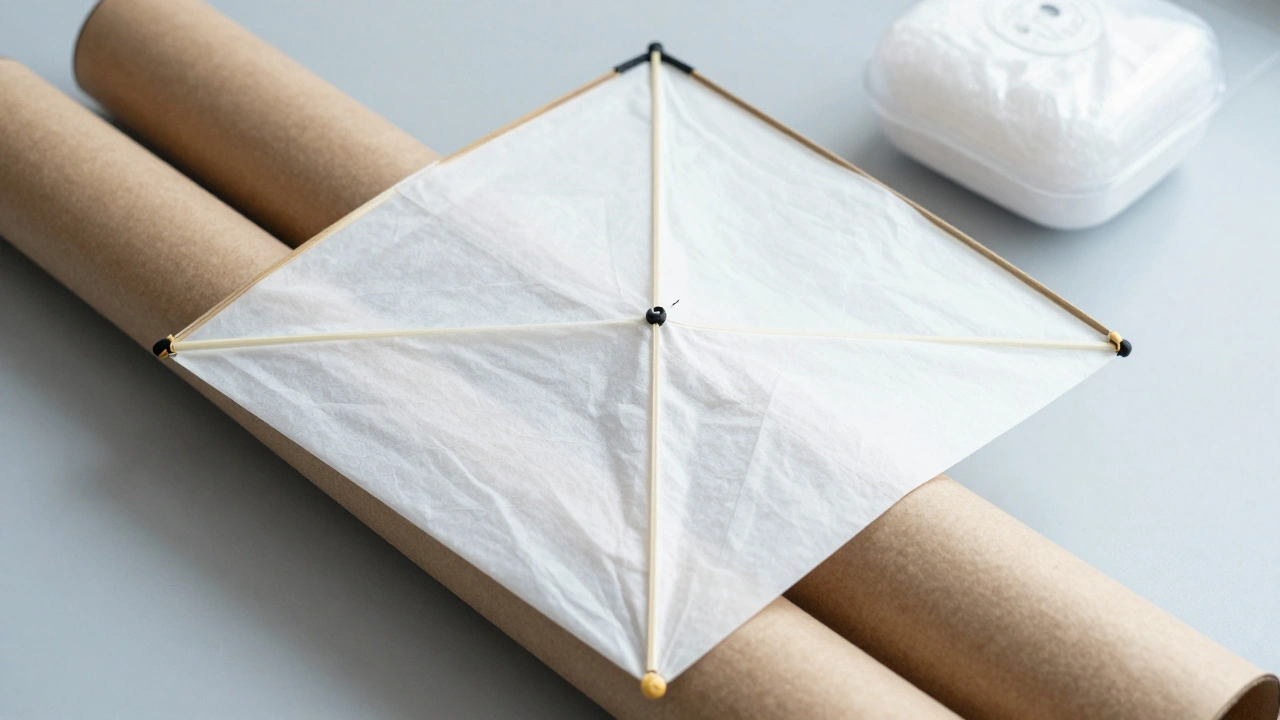
- Disassemble Wisely: Do not force rigid frames to bend. Most traditional kites have removable spars. Take the crossbars out. Fold the sail along its original panel lines, not across random angles. If your kite has a complex structure, like a delta or parafoil, roll it loosely rather than folding it sharply.
- Use Acid-Free Tissue: Place sheets of acid-free tissue paper between folds. This prevents the paint from sticking to itself (a problem known as offsetting) and reduces friction. Never use newspaper or standard printer paper, as the acids in the ink and pulp will transfer to your artwork and cause yellowing.
- Choose the Right Container: A sturdy tube is ideal for flat-folded kites. For larger, bulky kites, use a breathable cotton bag or a plastic bin with ventilation holes. Avoid sealing kites in airtight plastic bags unless you have included silica gel packets to control humidity. Trapped moisture leads to mold, which eats through silk and paper faster than anything else.
If you live in a humid climate like Portland, Oregon, where I am writing this, humidity control is non-negotiable. Consider placing desiccant packs in your storage area. Rotate them every few months to ensure they continue absorbing moisture. Mold doesn't just ruin the look; it structurally compromises the fibers.
Frame Care: Bamboo, Carbon Fiber, and Wood
We often focus so much on the sail that we forget the skeleton. The frame bears the brunt of wind pressure. Different materials require different maintenance routines.
Bamboo: Traditional bamboo spars are beautiful but organic. They can dry out, crack, or attract insects. Store bamboo in a cool, dry place. Occasionally, rub a tiny amount of linseed oil on the joints to keep the wood supple, but avoid getting oil on the sail. Check for splinters regularly; a sharp edge can slice through your precious painted surface during assembly.
Carbon Fiber: This is the modern standard for performance kites. It is strong, light, and resistant to weather. However, carbon fiber is brittle under impact. If a spar snaps, do not try to glue it back together with superglue for a display piece. It won't hold the tension needed for flight, and the repair will be ugly. For display purposes, you can wrap a broken joint in decorative tape, but for flying, replace the part.
Wood (Birch/Pine): Wooden spars can warp if stored in damp conditions. Keep them straight. If you notice warping, you can sometimes reverse it by applying gentle heat and counter-pressure, but prevention is easier. Store wooden frames horizontally, supported evenly along their length.
Handling and Display: Minimizing Human Error
Oils from our hands contain acids and salts that degrade paper and fabric. Always wear clean cotton gloves when handling finished painted kites, especially if you are moving them for exhibition or sale. This seems pedantic, but it’s the difference between a pristine piece and one that looks handled after six months.
If you are displaying a kite indoors, consider mounting it on a shadow box. This protects it from dust and accidental bumps. Ensure the backing board is acid-free foam core. Do not mount directly to drywall with pushpins; the vibration and lack of support can cause the frame to shift and the sail to sag over time.
For outdoor displays, such as at a festival, never leave a kite unattended. Wind gusts can lift a seemingly secure display stand. More importantly, sudden rain can saturate unprotected paper, causing it to disintegrate in minutes. Even varnished kites have limits. If rain is forecast, bring them inside immediately. Wringing out a wet kite is impossible; you simply let it dry flat, which often results in permanent distortion.
Repairing Minor Damage
Despite your best efforts, things happen. A small tear in the corner? A chip in the paint? Don’t panic. Small repairs can actually add character if done right, reminiscent of Japanese kintsugi, where gold fills cracks to highlight history.
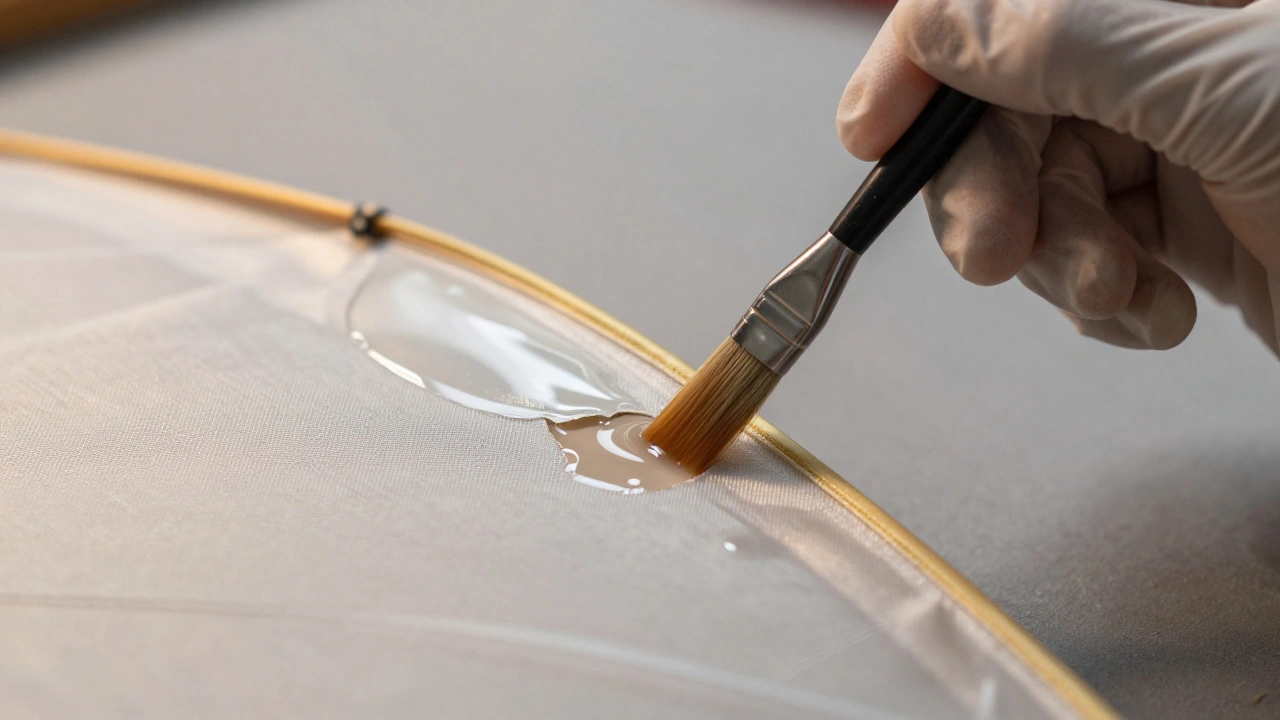
For tears in rice paper or silk, use a fine-tip brush and diluted PVA glue (white school glue mixed with water 1:1). Apply only to the back of the tear. Press a small piece of matching tissue or silk over the gap. Let it dry completely under a flat weight. Touch up the paint on top once the patch is invisible. This method is reversible and lightweight, unlike iron-on patches which are too heavy for flight.
For chipped paint, touch-ups should be done with the same medium used originally. Acrylic over acrylic works well. Watercolor over watercolor requires careful blending to avoid darkening the spot. Always seal the repaired area again with your chosen varnish to ensure uniform protection.
Final Thoughts on Longevity
Preserving painted kites is an ongoing commitment. It’s not a one-time fix. It’s about respecting the materials you’ve chosen. By selecting the right varnish, managing light exposure, storing with care, and maintaining the frame, you transform a fragile object into a lasting piece of art. Your kite deserves to fly, but it also deserves to survive the landing.
Can I use regular Mod Podge to seal my painted kite?
Regular Mod Podge is not recommended for outdoor use or long-term preservation as it can become brittle and peel. Use the "Outdoor" formula if you must, but archival acrylic spray is superior for lightweight materials like rice paper and silk because it remains flexible and does not add significant weight.
How do I prevent my kite from fading in the sun?
You cannot stop fading entirely, but you can slow it down. Use lightfast pigments (artist-grade), apply a UV-resistant varnish, and limit direct sun exposure. For indoor display, use UV-filtering glass or acrylic. For flying, accept that some fading is natural, but proper sealing will delay it significantly.
What is the best way to store a large diamond kite?
Remove the cross-spar to relieve tension. Fold the sail along its center line and then into thirds. Place acid-free tissue paper between each fold to prevent sticking. Store in a large, rigid tube or a flat, sturdy box. Avoid hanging large kites by their tails for long periods, as this can stretch the fabric.
Does humidity damage painted kites?
Yes, high humidity promotes mold growth on organic materials like silk, rice paper, and bamboo. Store kites in a dry environment. Use silica gel packets in storage containers to absorb excess moisture. If you live in a humid climate, check your stored kites every few months for signs of mildew.
Can I repair a torn silk kite sail?
Yes, small tears can be repaired from the back using diluted PVA glue and a patch of matching silk or lightweight tissue. Avoid iron-on patches as they are too heavy for flight. After repairing, re-seal the area with varnish to protect the new patch.