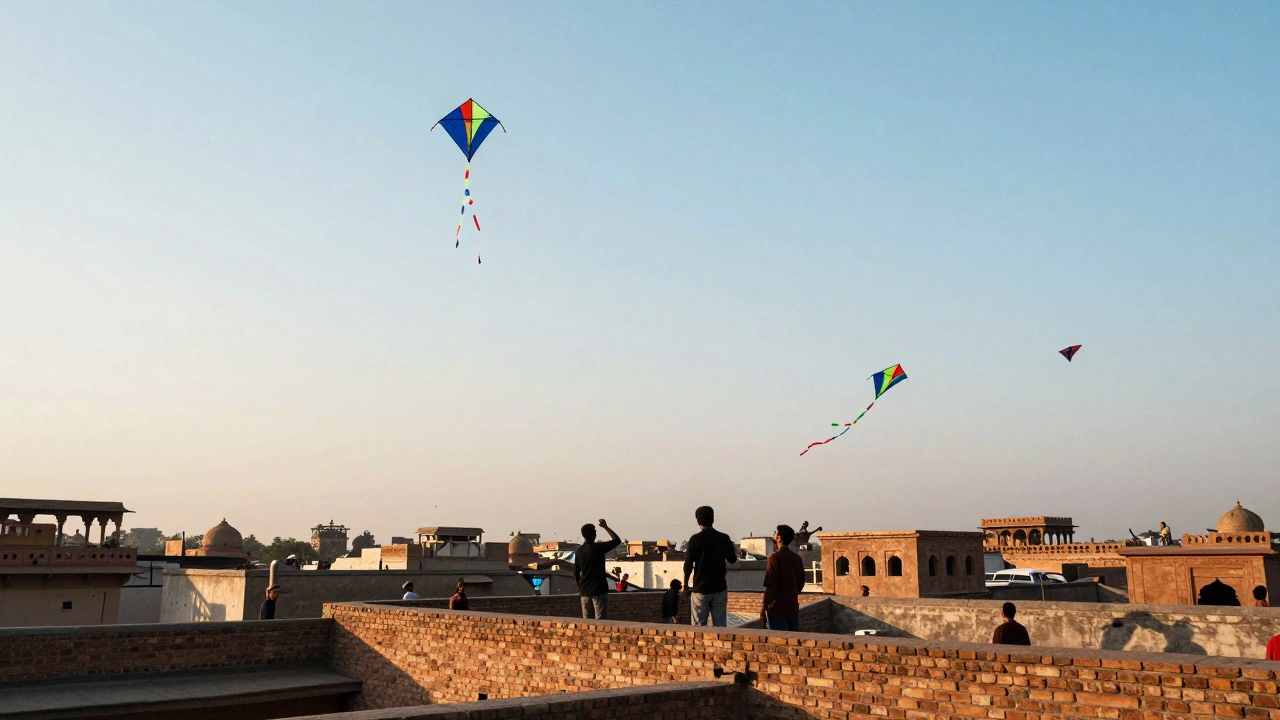
Imagine standing on a rooftop in Lahore, the cultural capital of Pakistan known for its vibrant street life and historic architecture at dawn. The air is crisp, filled with the scent of frying samosas and sweet chai. Suddenly, a sharp whistle cuts through the morning silence. Heads snap up. A sea of colorful paper shapes dances against the pale blue sky. This isn't just play; it is a battle. Welcome to the world of Basant, a traditional spring festival in Pakistan celebrated with kite flying and cultural events, where the art of kite fighting, a competitive sport involving cutting opponents' kites using abrasive strings transforms ordinary rooftops into arenas of strategy and skill.
The Anatomy of a Battle: Tools of the Trade
To understand why this tradition captivates millions, you have to look at the equipment. It is not your average store-bought toy. The heart of the game lies in two specific components: the kite itself and the string.
The kites used in Pakistan are distinct from Western designs. They are typically diamond-shaped, made from thin, lightweight tissue paper stretched over a frame of bamboo sticks. These frames are incredibly delicate yet strong enough to withstand high winds. The paper is often dyed in bright yellows, reds, and greens, making them visible even from great distances. But the real weapon is the string.
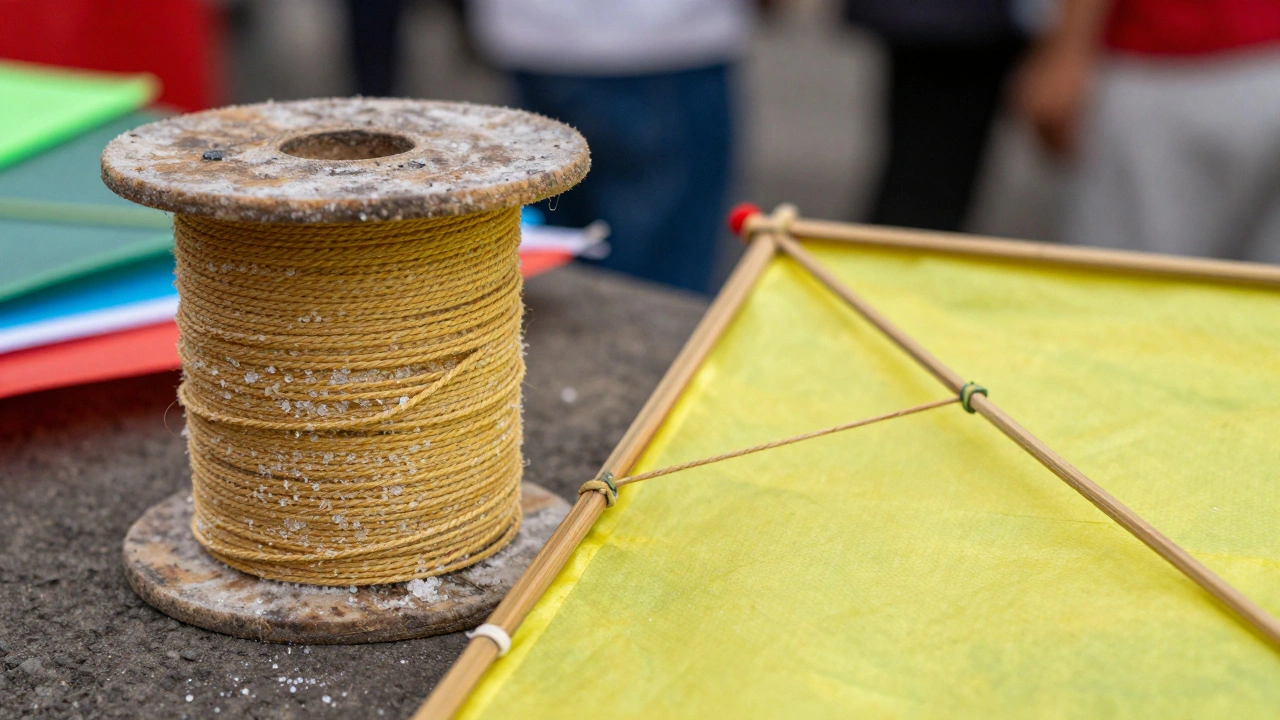
In local terminology, this string is called manjha. Historically, manjha was coated with a mixture of starch and crushed glass or fine sand. This abrasive coating allowed one kite to slice through another’s string when they crossed paths mid-air. The goal? Cut the opponent’s line so their kite falls from the sky. When a flyer succeeds, they shout "Chaiyya Chaiyya!"-a celebratory cry that echoes across neighborhoods.
| Component | Traditional Material | Modern Alternative | Key Difference |
|---|---|---|---|
| Kite Frame | Bamboo strips | Carbon fiber rods | Durability vs. Weight |
| Covering | Tissue paper | Synthetic ripstop nylon | Aerodynamics and Weather Resistance |
| String Coating | Glass/Sand + Starch | Nylon/Polyester (No abrasives) | Safety and Cutting Efficiency |
Today, due to safety concerns and government regulations, many enthusiasts use synthetic strings without glass. However, purists argue that these modern materials lack the "bite" needed for authentic competition. This shift has changed the dynamics of the sport, moving it slightly away from raw aggression toward technical maneuvering.
Why Lahore? The Cultural Heartbeat
You might wonder why this tradition is so deeply rooted in Lahore specifically. While kite flying happens across South Asia, Lahore treats it as a civic ritual. The city’s narrow streets and dense residential blocks create a unique urban canyon effect. Wind currents swirl unpredictably between buildings, requiring flyers to have an intuitive sense of airflow.
Historically, Basant marked the arrival of spring, celebrating the harvest season. For centuries, it served as a communal release valve. In a society with strict social codes, the rooftop became a democratic space. Men, women, children, and elders all participated equally. Status didn’t matter up there; only your hand-eye coordination did.
The social fabric of Lahore is woven into this activity. Neighborhood shops sell spools of string ranging from small handheld reels to massive drums weighing dozens of kilograms. Local artisans craft custom kites tailored to specific wind conditions. During peak season, entire families gather on terraces, sharing food and cheering for their designated flyer. It is less about individual glory and more about collective pride.
The Dark Side: Safety Concerns and Bans
Despite its cultural charm, Basant has faced severe criticism. The primary issue? Injury. The glass-coated manjha acts like a razor wire in the sky. Accidents are common. People suffer deep lacerations on their hands, faces, and arms. Worse, birds-especially migratory species passing through Punjab-are caught in the strings, leading to injuries or death. Power lines also get tangled, causing blackouts.
Due to these risks, the Pakistani government imposed bans on Basant multiple times, most notably in the early 2010s. Police raids targeted vendors selling glass-coated strings. Schools were kept open during what would traditionally be holiday days. Yet, the ban never fully stopped the practice. Instead, it drove it underground. People switched to safer alternatives temporarily but returned to traditional methods once enforcement relaxed.
This tension highlights a broader challenge: how do we preserve cultural heritage while ensuring public safety? Many advocates now push for regulated zones and mandatory use of non-abrasive strings. Some communities have started organizing official tournaments with medical teams on standby, trying to bridge the gap between tradition and responsibility.
How to Fly Like a Local: Techniques and Strategy
If you ever find yourself in Lahore during February or March, you might be tempted to join in. Here is what you need to know before taking flight.
- Choose Your Spot Wisely: Rooftops offer the best vantage points. Look for areas with clear sightlines and minimal overhead wires. Avoid flying near hospitals or busy intersections.
- Master the Reel: Holding the spool correctly is crucial. Keep your thumb on top to control tension. Too loose, and your kite drifts away; too tight, and it crashes down.
- Read the Wind: Watch other kites. If they are tilting left, adjust your angle accordingly. Use gusts to gain altitude quickly rather than fighting against steady breezes.
- Engage Strategically: Don’t rush into combat. Wait for an opponent who is lower than you. Position your kite above theirs, then pull sharply downward. The friction should sever their line.
- Respect the Rules: Never aim directly at people. If someone signals distress, drop your string immediately. Community harmony matters more than winning a single round.
Experienced flyers develop muscle memory over years. Beginners often struggle with timing, pulling too early or too late. Practice makes perfect, but patience is key. Start with smaller kites and shorter strings until you build confidence.
Evolution of the Tradition in 2026
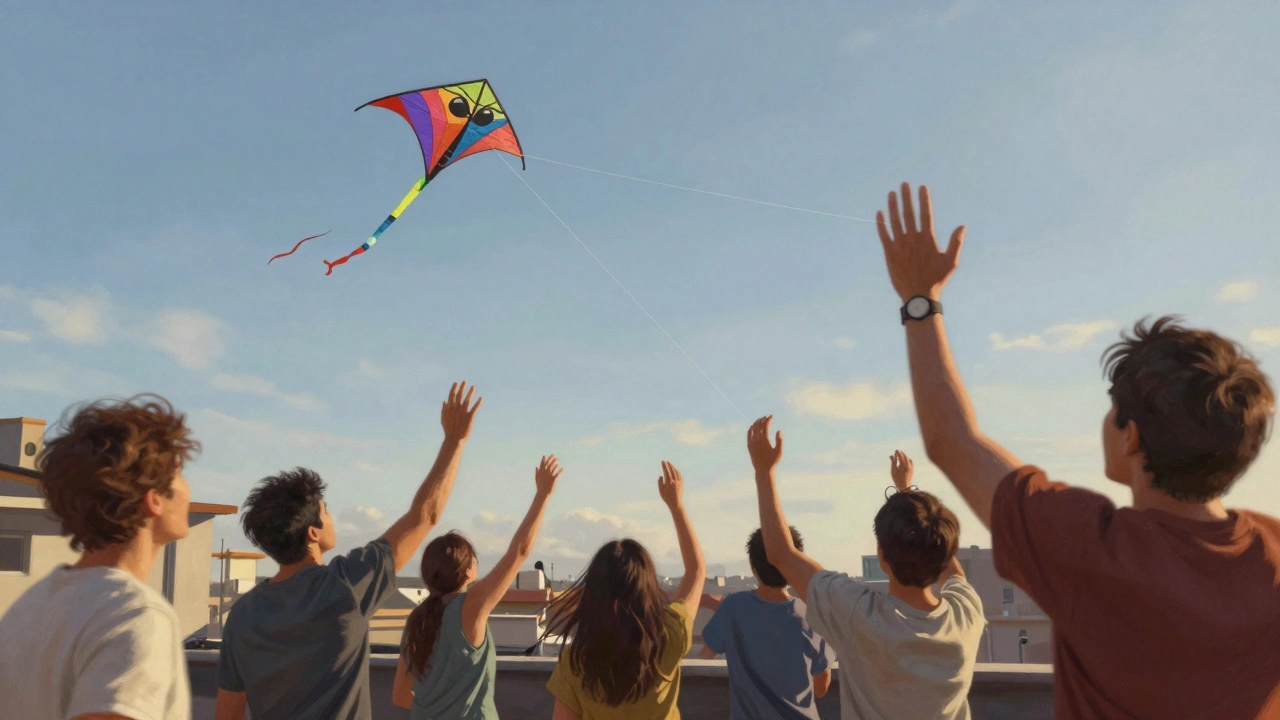
As we move further into the 2020s, Basant continues to evolve. Social media plays a huge role now. Live streams of major battles attract thousands of viewers online. Influencers showcase new techniques, blending old-school wisdom with digital flair. Hashtags like #BasantVibes trend annually, connecting diaspora communities worldwide.
Environmental awareness has also grown. Organizations promote eco-friendly kites made from recycled materials. Bird conservation groups collaborate with flyers to identify safe corridors for wildlife migration. These efforts show that tradition can adapt without losing its soul.
Moreover, tourism boards recognize Basant’s potential. Visitors flock to Lahore not just for historical sites like the Badshahi Mosque, but to experience this living spectacle. Hotels organize rooftop parties with professional instructors guiding guests. It becomes an immersive cultural exchange rather than mere observation.
Preserving Heritage Without Harm
The future of kite fighting depends on balance. We cannot erase history because of past mistakes, nor can we ignore present dangers. Education is vital. Teaching young generations about proper handling reduces accidents. Promoting safe materials ensures longevity of the sport.
Communities must take ownership. Self-regulation works better than top-down bans. Establishing local clubs fosters accountability. Members police each other, discouraging reckless behavior. Celebrating responsible participation reinforces positive norms.
Ultimately, Basant represents resilience. It survives despite opposition because it fulfills a human need-for connection, excitement, and joy. As long as there are skies to fill and hearts eager to soar, this tradition will endure. Just remember: fly smart, fly safe, and always respect the community around you.
When is Basant celebrated in Pakistan?
Basant is typically celebrated in late February or early March, marking the onset of spring. Exact dates vary slightly each year based on lunar calendars and regional preferences, but Lahore usually hosts its main festivities around the first week of March.
Is kite fighting legal in Pakistan today?
Kite flying itself is legal, but the use of glass-coated strings (manjha) remains restricted in many areas due to safety laws. Enforcement varies by region and time of year. Always check local regulations before participating to avoid fines or confiscation of equipment.
What causes injuries during Basant?
Injuries primarily result from contact with abrasive strings containing glass particles. Deep cuts occur when fingers brush against taut lines under tension. Secondary hazards include falling debris, electrical shocks from tangled power lines, and bird collisions.
Can tourists participate in Basant activities?
Yes, tourists are welcome to observe and sometimes participate under supervision. Many hotels and tour operators arrange guided sessions with safety briefings. However, beginners should start with simple flying rather than competitive battling to minimize risk.
How has technology impacted Basant celebrations?
Technology has amplified visibility through live streaming and social media sharing. Drone photography captures aerial perspectives previously impossible. Additionally, advanced materials science offers lighter, stronger kite frames and safer string alternatives, enhancing both performance and security.